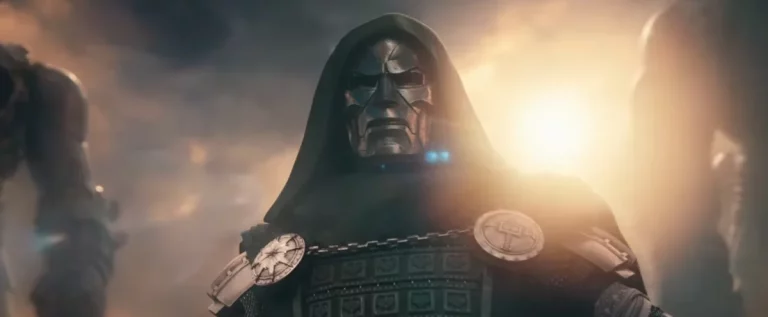
Kevin Feige’s ‘Nerd’ Hint: Where to Find Doctor Doom Spoilers
For years, Marvel Studios has meticulously guarded the secrets of its cinematic universe, treating every plot twist and character introduction with an almost religious reverence for surprise. The anticipation surrounding each new film, especially those leading to a monumental crossover event, has often been a tightly controlled narrative, leaving fans to speculate wildly based on cryptic trailers and fleeting glimpses. However, the landscape of spoiler culture and fan engagement might be on the cusp of a significant shift, driven by none other than the architect of the Marvel Cinematic Universe (MCU) himself, Kevin Feige.
In a recent conversation with Entertainment Weekly, Feige offered an unusually direct piece of advice to those hungry for insights into the upcoming ‘Avengers: Doctor Doom’ and ‘Secret Wars’ sagas. Rather than issuing a standard ‘no comment’ or a vague tease, he pointed enthusiasts, affectionately known as ‘nerds’ in the realm of pop culture, straight to the source material: the comic books. This declaration, made just weeks before a major release, wasn’t merely a casual remark; it was a deliberate invitation, echoing a sentiment rarely expressed by a studio so famously secretive about its narrative plans.
Feige’s rationale was presented through a compelling analogy, drawing a parallel to classic literature. He posited that if one sought ‘spoilers’ for a new film adaptation of Homer’s ‘The Odyssey’ – a hypothetical project by director Christopher Nolan, as he suggested – the most logical course of action would be to read the original book. This simple yet profound comparison laid the groundwork for his subsequent directive concerning Marvel’s most ambitious future projects, signaling that the studio might be embracing a new philosophy where the journey of adaptation, rather than just the destination, becomes the core of fan excitement.
This candidness sparks a fresh conversation about the MCU’s relationship with its decades-long comic book history. It suggests that, for these culminating events, the studio is less concerned with preserving absolute narrative secrecy and more focused on the emotional impact and grand spectacle of bringing cherished storylines to life on the big screen. For the devoted ‘nerd’ audience, this isn’t just a hint; it’s a strategic roadmap, empowering them to dive deeper into the lore and anticipate the epic scale of what’s to come, transforming passive waiting into an active exploration of the Marvel multiverse.
Decoding Kevin Feige’s ‘Nerd’ Hint: Where to Find Doctor Doom Spoilers
Kevin Feige, the head of Marvel Studios, explicitly advised that ‘Nerd’ fans seeking potential plot details and major spoilers for the upcoming ‘Avengers: Doctor Doom’ and ‘Secret Wars’ films should turn to the comic books, specifically Jonathan Hickman and Esad Ribić’s 2015 ‘Secret Wars’ series, suggesting the core narrative elements will draw heavily from this seminal event.
In his notable statement to Entertainment Weekly, Kevin Feige didn’t mince words. He straightforwardly suggested that if fans were looking for ‘spoilers’ for the monumental ‘Avengers: Doctor Doom’ and ‘Secret Wars’ films, they should ‘go look at the comic books.’ This directive stands out precisely because Marvel Studios has historically maintained a tightly sealed narrative, often deliberately veiling their inspirations to maximize surprise.
The specific work Feige cited is the 2015 ‘Secret Wars’ run by Jonathan Hickman and Esad Ribić. This comic series is a grand, multiversal epic that brought together various realities, culminating in a cataclysmic event where Doctor Doom played a central, almost god-like role. Feige’s analogy, comparing it to reading ‘The Odyssey’ for spoilers of its adaptation, underscored the idea that the core narrative beats and character developments could indeed be found within these pages, albeit adapted for the cinematic medium.
This open invitation is particularly intriguing given Marvel’s typical approach. Usually, the studio takes liberties with source material, blending different comic storylines and introducing original elements to serve the larger MCU continuity. By pointing directly to a single, impactful comic series, Feige is not just acknowledging the source; he’s elevating its status as a key indicator of future cinematic events, especially concerning a villain as iconic and pivotal as Doctor Doom.
The Source Material: ‘Secret Wars’ and Doctor Doom’s Ascent
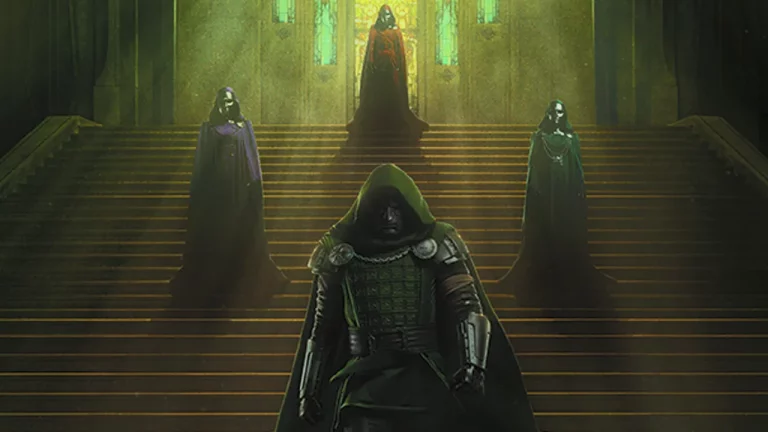
Jonathan Hickman’s 2015 ‘Secret Wars’ comic storyline sees the multiverse collapsing due to ‘incursions,’ leading to a final ‘life raft’ escape for a select few heroes. Doctor Doom, in his powerful ‘God Emperor Doom’ persona, then reshapes the remnants into ‘Battleworld,’ where he rules supreme, even killing Thanos and utilizing the ‘Thor Corps’ as enforcers, before the multiverse is eventually rebuilt.
Hickman and Ribić’s ‘Secret Wars’ is not merely a crossover; it’s a foundational event for the modern Marvel Comics universe. The story begins with the terrifying concept of incursions, where parallel Earths collide, leading to the destruction of entire realities. As the final incursion approaches, a desperate plan sees select heroes and villains escaping in a ‘life raft,’ mere observers to the end of all things. It’s from this ashes of the multiverse that God Emperor Doom rises.
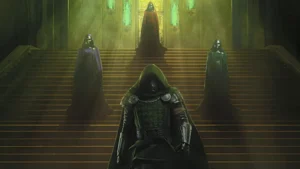
Victor Von Doom, through a mysterious acquisition of power, becomes ‘God Emperor Doom,’ having saved and reshaped fragments of destroyed realities into a new, consolidated world known as Battleworld. In this new dominion, Doom is the supreme deity, wielding absolute power and enforcing his will through the ‘Thor Corps,’ an army of Thors from various realities. The source material highlights iconic moments, such as Doom’s direct confrontation and defeat of Thanos, solidifying his terrifying authority over this reconstructed reality, and his subjugation of the Fantastic Four, a group with deep ties to his origin.
The comic series eventually details the rebuilding of the multiverse, leading to a new primary continuity known as Earth-Prime, replacing the former Earth-616. This entire narrative arc, from multiversal destruction to divine dominion and ultimate reconstruction, provides a rich tapestry of possibilities for the MCU. Feige’s reference strongly suggests that these grand, high-stakes elements, especially those involving Doctor Doom’s unparalleled power and influence, will be central to the upcoming ‘Avengers’ films.
MCU’s Adaptation Strategy: A New Era of Transparency?
Kevin Feige’s directive to consult comic books for upcoming ‘Avengers’ spoilers signifies a potential evolution in Marvel Studios’ adaptation strategy. This approach suggests a willingness to openly acknowledge foundational comic book narratives, pivoting from complete secrecy to a model where the excitement for fans, particularly the ‘Nerd’ community, derives from witnessing the creative execution of known, beloved storylines on screen.
Marvel’s history with adaptations has been one of selective borrowing and creative reinterpretation. While major storylines like ‘Civil War’ or ‘Infinity Gauntlet’ have influenced films, they have rarely been direct, panel-for-panel translations. The MCU has always forged its own path, integrating characters and plots to fit its established continuity and build a cohesive cinematic universe distinct from its comic book origins. This strategy has allowed for surprises even for veteran comic readers.
However, Feige’s recent remarks, coupled with previous hints, signal a nuanced shift. In September, it was reported that Feige penned the preface for a special re-edition of the ‘Secret Wars’ comic, explicitly promising Doctor Doom as the central villain for ‘Avengers: Secret Wars.’ Furthermore, he had previously mentioned that in ‘Avengers: The Kang Dynasty,’ the antagonist would be revealed mid-story, a necessary pivot following Jonathan Majors’ departure from the MCU. These statements, taken together, reinforce the idea that Marvel is leaning into its legacy, leveraging existing narratives to build anticipation.
By admitting that the core inspiration lies in the comic pages, the studio is betting on the emotional resonance of the execution. The thrill for audiences, particularly the discerning ‘Nerd’ fan base, will come not from whether a certain event happens, but how it happens, how characters react, and how these epic comic book moments are visually and narratively translated to the big screen. This suggests a more collaborative relationship with the informed audience, trusting them to appreciate the art of adaptation.
Comparison: Comic Book Lore vs. Cinematic Reality
While Kevin Feige encourages ‘Nerd’ fans to read the comics for ‘Doctor Doom’ and ‘Secret Wars’ spoilers, the MCU’s adaptations historically blend source material with original narratives, meaning direct, panel-for-panel translation is unlikely. Cinematic interpretations often diverge to fit established continuity, character arcs, and broader story goals.
The idea of looking to comics for direct spoilers, while exciting, must be tempered with the reality of cinematic adaptation. The MCU, though deeply rooted in Marvel Comics, has always carved its own path. Key examples include ‘Captain America: Civil War,’ which drew inspiration from the comic event but fundamentally altered its scope and many character motivations to fit the established film continuity. Similarly, ‘Avengers: Infinity War’ and ‘Endgame’ adapted elements of ‘Infinity Gauntlet’ but introduced new plot devices and character arcs, like Tony Stark’s central role, not present in the original.
| Aspect | Comic Book Lore (‘Secret Wars’ 2015) | Potential MCU Adaptation Reality |
|---|---|---|
| Narrative Fidelity | Canonical source, complex, often dense storylines. | Inspired by, not direct copy; streamlined for screen. |
| Character Arcs | Decades of established comic history for each character. | Adapted for current MCU continuity and cast. |
| Pacing & Scope | Spans multiple issues, allowing for intricate detail. | Condensed into a few hours, requiring focused narrative. |
| Key Events | Specific events (e.g., Doom kills Thanos, Thor Corps). | These events may occur, but with significant changes to context or execution. |
| Multiverse Concept | Literal incursions, Battleworld created by Doom. | Multiverse already established in MCU, may be reinterpreted. |
| Overall Tone | Often darker, more philosophical and existential. | Blends gravitas with signature MCU humor and accessibility. |
Feige’s hint is less about providing a definitive script and more about offering a thematic guide. The core ideas—multiversal collapse, Doctor Doom’s ascent to godhood, the creation of a fragmented world—are likely to be adapted. However, the ‘how,’ ‘why,’ and ‘with whom’ will undoubtedly be reinterpreted to resonate with the existing MCU narrative and appeal to a broader audience, which includes both dedicated ‘Nerd’ fans and casual moviegoers.
Benefits for the ‘Nerd’ Community: Deeper Engagement and Anticipation
Feige’s explicit guidance offers Marvel’s ‘Nerd’ fan base the unique benefit of proactive engagement with the source material, allowing them to anticipate plot points, appreciate narrative nuances, and deepen their understanding of potential cinematic directions, transforming passive waiting into an active, informed participation.
For the ardent ‘Nerd’ fan, Feige’s unconventional suggestion is a golden ticket to a richer, more engaging pre-release experience. It transforms the waiting period from mere speculation into an active study of the lore. By diving into ‘Secret Wars,’ fans gain a deeper appreciation for the potential scale and complexity of the upcoming films. They can trace the origins of future plotlines, understand the thematic underpinnings, and identify key characters or concepts that might appear on screen.
This proactive engagement also fosters a more informed and vibrant fan discussion. Instead of guessing entirely, fans can now debate the specifics of adaptation: which comic elements will be retained, which will be altered, and what new creative liberties the MCU might take. This deeper level of discourse enhances the community aspect, allowing fans to connect over shared knowledge and anticipation, and ultimately enriching their overall experience of the Marvel Cinematic Universe.
Limitations and Nuances of Feige’s Revelation
Despite Feige’s hint, fans should approach comic book ‘spoilers’ with caution, as the MCU frequently alters storylines, character developments, and timelines to fit its established continuity and creative vision. The comics serve as inspiration, not a definitive blueprint, and significant divergences are always possible, even for major events.
While Feige’s statement provides an exciting new avenue for ‘Nerd’ fans to explore, it comes with inherent limitations. The most significant is that comic books are never a direct blueprint for MCU films. The cinematic universe has its own established canon, distinct character portrayals, and narrative momentum that often necessitates departures from the source material. For instance, the ‘Secret Wars’ comic features a different roster of characters and a specific history that may not directly align with the current state of the MCU.
Moreover, the creative freedom of the filmmakers and writers means that even if core concepts are retained, the execution can vary wildly. A character’s motivation, the sequence of events, or even the ultimate resolution could be significantly reinterpreted to serve the film’s narrative goals. Therefore, while reading the comics offers valuable insight into potential themes and monumental moments, it should be seen as a strong influence rather than a precise prediction of what will unfold in the cinemas.
Common Misconceptions Among ‘Nerd’ Fans Regarding Adaptations
A common misconception among ‘Nerd’ fans is the expectation of a literal, panel-for-panel translation of comic book events to the big screen. However, the MCU consistently recontextualizes stories, combines various comic arcs, and introduces original elements to best serve its cinematic narrative and existing character developments.
One prevalent misconception among the ‘Nerd’ community is the belief that a direct reference to a comic storyline guarantees its faithful cinematic adaptation. This often leads to disappointment when a film deviates, however slightly, from the source material. The reality is that the MCU operates as its own distinct universe, built over decades of interconnected films and series. It cannot simply copy a comic storyline written for a different medium and a different continuity without significant alterations.
Another common error is assuming that character arcs and relationships will mirror their comic book counterparts exactly. The MCU’s versions of characters often have altered backstories, different emotional trajectories, or are merged composites of multiple comic book iterations. These changes are crucial for the films to stand on their own and to resonate with both long-time fans and newcomers, creating a narrative that is both familiar and fresh. Understanding these inherent differences is key to appreciating the MCU’s creative process.
Best Practices for ‘Nerd’ Fans Navigating MCU Spoilers and Lore
For ‘Nerd’ fans seeking to maximize their enjoyment and understanding of potential ‘Doctor Doom’ spoilers, best practices include engaging with the original ‘Secret Wars’ comic as a thematic guide, staying updated with official MCU announcements, participating in thoughtful community discussions, and maintaining an open mind about cinematic interpretations rather than expecting direct translations.
- Read with an Open Mind: Approach the ‘Secret Wars’ comic not as a script, but as a rich source of inspiration. Understand its core themes, major character arcs, and pivotal events, but be prepared for creative divergences.
- Follow Official Announcements: While Feige’s hint is valuable, official Marvel Studios announcements, trailers, and press releases remain the most reliable sources for confirmed plot points and details specific to the films.
- Engage in Constructive Discussion: Join online forums and communities to discuss theories and interpretations. A collaborative approach to speculation can uncover new insights and perspectives, enriching the anticipation experience.
- Appreciate the Art of Adaptation: Recognize that adapting a massive comic event into a feature film is an art form that requires creative decisions. Embrace the films as distinct artistic works that honor the spirit of the comics while telling their own compelling story.
- Balance Knowledge with Surprise: Decide how much you want to ‘spoil’ for yourself. Some ‘Nerd’ fans enjoy knowing the general direction, while others prefer to experience every twist for the first time on screen.
Future Trends: The MCU’s Evolving Relationship with Source Material
Kevin Feige’s recent remarks suggest a future trend where the MCU might more openly acknowledge its comic book roots, potentially using classic storylines as foundational touchstones while still innovating for the cinematic medium. This evolving relationship could lead to a deeper, more transparent dialogue between the studio and its ‘Nerd’ audience regarding upcoming adaptations.
This candidness from Feige could signify a broader trend in how the MCU approaches its source material moving forward. As the universe expands and delves into more complex multiversal narratives, a transparent acknowledgment of foundational comic stories might become more common. This strategy could serve several purposes: it builds excitement among the deeply invested ‘Nerd’ fan base, provides a clear point of reference for epic storylines, and potentially mitigates some of the “why didn’t they do it like the comics?” frustrations by setting expectations early.
The era of strict, unyielding secrecy might be giving way to a more open dialogue, where the joy comes not from the complete unknown, but from seeing beloved stories reinterpreted and executed with cinematic grandeur. This approach allows Marvel to maintain creative control over its adaptations while still honoring the rich legacy of the comics. It’s a delicate balancing act, but one that could foster an even stronger connection between the studio and its discerning audience, transforming each new film into a shared experience of discovery and reinterpretation.
The Unpacking for Every ‘Nerd’: What Feige’s Comments Mean for the MCU’s Future
Kevin Feige’s unconventional guidance for ‘Nerd’ fans signals a pivotal moment for the MCU, suggesting upcoming ‘Avengers’ films, particularly ‘Doctor Doom’ and ‘Secret Wars,’ will draw heavily from iconic comic book narratives while prioritizing the emotional impact and spectacular execution of their on-screen adaptations.
Kevin Feige’s surprising directive to seek out ‘Doctor Doom’ and ‘Secret Wars’ spoilers in the comic books is more than just a casual hint; it’s a profound statement on the future direction of the Marvel Cinematic Universe. For the dedicated ‘Nerd’ community, this represents a unique invitation to delve into the rich tapestry of Marvel lore, providing a rare glimpse into the conceptual foundations of the MCU’s most ambitious projects yet.
This strategic transparency indicates a shift towards valuing the ‘how’ over the ‘what’ in storytelling. Marvel is banking on the inherent excitement of seeing beloved comic book sagas, like Hickman’s ‘Secret Wars,’ brought to life with the unparalleled scale and visual splendor that only the MCU can deliver. The anticipation now pivots from uncovering unknown plot points to witnessing the creative choices, performances, and spectacle that will define these monumental cinematic events.
Ultimately, Feige’s comments reshape the dialogue around upcoming ‘Avengers’ films. They empower fans with knowledge, deepen their engagement with the source material, and signal an MCU that is increasingly confident in its ability to adapt and reinterpret its vast comic book legacy. It promises a future where the connection between page and screen is not just acknowledged but celebrated, forging an even stronger bond with the passionate ‘Nerd’ fan base and setting the stage for an unforgettable multiversal saga.
Frequently Asked Questions About Kevin Feige’s Spoilers and the MCU’s Future
What exactly did Kevin Feige say about Doctor Doom spoilers?
Kevin Feige, in an interview with Entertainment Weekly, stated that fans looking for spoilers for ‘Avengers: Doctor Doom’ and ‘Secret Wars’ should ‘go look at the comic books.’ He drew an analogy to reading ‘The Odyssey’ for spoilers of its cinematic adaptation, implying that the core narrative and major plot points for the upcoming Marvel films would be heavily inspired by existing comic book lore. This is a significant departure from Marvel’s usual secretive approach, suggesting a new strategy for engaging with its informed audience.
Which comic book series should I read for ‘Secret Wars’ spoilers?
According to Kevin Feige’s specific guidance, fans should read the 2015 ‘Secret Wars’ comic book series by writer Jonathan Hickman and artist Esad Ribić. This acclaimed storyline depicts the collapse of the multiverse, the rise of God Emperor Doom, the formation of Battleworld from fragmented realities, and a climactic confrontation involving various Marvel heroes and villains. Reading this series offers the most direct insight into the potential themes, major events, and Doctor Doom’s role in the upcoming MCU films.
Will the MCU’s ‘Secret Wars’ be a direct adaptation of the comic?
While Kevin Feige’s comments strongly suggest that the MCU’s ‘Secret Wars’ will draw heavily from the 2015 comic series, it is highly unlikely to be a direct, panel-for-panel adaptation. Marvel Studios typically uses comic book storylines as inspiration, tailoring them to fit the existing continuity of the MCU, its established character arcs, and the broader narrative goals of the cinematic universe. Elements may be reinterpreted, combined with other storylines, or altered to suit the film medium and a wider audience. The core themes and major character roles, however, are expected to remain influential.
Who is God Emperor Doom in the comics?
God Emperor Doom is the all-powerful, multiversal ruler in Jonathan Hickman’s 2015 ‘Secret Wars’ comic. After the collapse of the multiverse, Doctor Doom, through a combination of scientific brilliance and cosmic power, saved fragments of various realities and reshaped them into ‘Battleworld.’ Here, he reigns as a god-like figure, enforcing his will with an army of Thors and dictating the lives of its inhabitants. This persona represents Doctor Doom at the absolute peak of his power and ambition, making him a formidable and central antagonist for any multiversal event.
Has Kevin Feige hinted at Doctor Doom’s role before?
Yes, Kevin Feige has previously hinted at Doctor Doom’s significant role in the MCU’s future. In September, he was reported to have written the preface for a special re-edition of the ‘Secret Wars’ comic, where he explicitly promised Doctor Doom as the central villain of ‘Avengers: Secret Wars.’ These earlier statements, combined with his recent public advice to read the comics, underscore the long-term planning and central importance of Victor Von Doom in the upcoming sagas, even amidst other significant antagonist changes like the one involving Kang.
What happened to Kang’s role in ‘Avengers: The Kang Dynasty’?
Following the departure of actor Jonathan Majors, who portrayed Kang the Conqueror, Kevin Feige had previously indicated that the villain for ‘Avengers: The Kang Dynasty’ would be revealed mid-story. This suggests a significant shift in the narrative plans for that film, moving away from Kang as the central antagonist as originally conceived. While the immediate implications for ‘Doctor Doom’ and ‘Secret Wars’ are not fully detailed, this change highlights Marvel’s flexibility in adapting its storyline in response to real-world developments, potentially elevating other characters like Doctor Doom even further.
When is the release date for ‘Avengers: Doctor Doom’ or ‘Secret Wars’?
While specific release dates for films explicitly titled ‘Avengers: Doctor Doom’ or ‘Secret Wars’ in the MCU’s schedule are not yet officially confirmed by Marvel Studios, the reference material mentioned Feige’s comments were given approximately three weeks before a December 17th premiere. This specific date likely refers to a placeholder or a general window for a major Marvel release that was then adjusted or is part of a broader cinematic timeline yet to be fully detailed. Fans should continue to monitor official Marvel announcements for precise film titles and release schedules as they become available.
Why is Marvel changing its approach to spoilers?
Marvel’s apparent shift in approach, as indicated by Kevin Feige’s direct guidance on ‘Doctor Doom’ spoilers, likely stems from a strategic decision to enhance fan engagement and anticipation. By acknowledging the comic book source directly, Marvel might be pivoting to a model where the excitement comes from the execution of known, epic narratives rather than absolute plot secrecy. This allows the studio to celebrate its rich legacy, reward deeply invested ‘Nerd’ fans with early insights, and build a unique form of anticipation around how classic stories will be reinterpreted for the cinematic experience, rather than merely what will happen next.









Post Comment