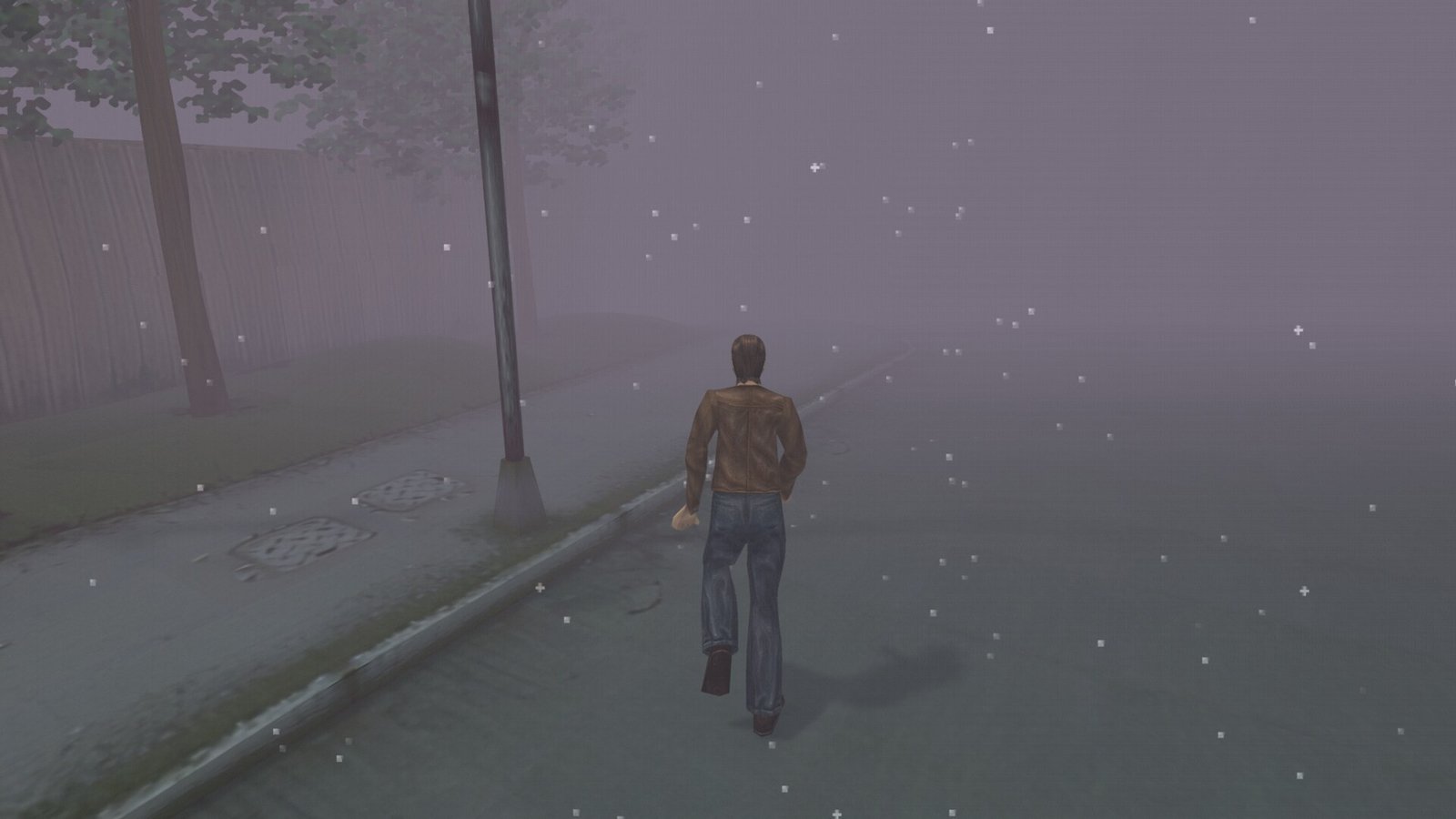
Silent Hill 1 Ray Tracing: A Visual Renaissance for Horror
Few video games have left as indelible a mark on the landscape of survival horror as Konami’s Silent Hill 1. Released in 1999 for the original PlayStation, its groundbreaking psychological terror, oppressive atmosphere, and haunting narrative set new benchmarks for the genre. Yet, as with any pioneering work from a bygone era, its visual fidelity, constrained by the hardware limitations of the late 90s, can appear dated to modern eyes. While the game’s core brilliance remains undiminished, the passage of time inevitably impacts how its pixelated textures and rudimentary lighting are perceived by contemporary audiences. This visual gap often presents a barrier for new players and can temper the nostalgic return for veterans accustomed to today’s hyper-realistic graphics.
However, the vibrant world of fan modding frequently bridges these generational divides, breathing new life into cherished classics. These dedicated communities, driven by passion and technical prowess, tirelessly work to enhance or even reimagine beloved titles using advanced technologies unavailable at their original launch. The latest testament to this enduring spirit of innovation arrives in the form of a PC port for Silent Hill 1 that introduces one of the most significant advancements in modern graphics: Ray Tracing. This development is not merely a cosmetic tweak; it represents a profound visual transformation, promising to recast the familiar, fog-laden streets of Silent Hill in an entirely new light, literally. As players increasingly seek ways to experience legendary games with contemporary polish, such initiatives highlight the power of community-driven preservation and enhancement.
The integration of Ray Tracing into such an iconic title offers a glimpse into how future remasters or even official remakes might approach these foundational works. It underscores a growing trend where technological evolution converges with historical gaming reverence, allowing classic narratives and gameplay loops to shine through a refreshed visual lens. For fans of horror games, this port is more than just an upgrade; it’s an opportunity to rediscover the chilling dread of Silent Hill, now rendered with unprecedented realism, proving that some masterpieces only grow more potent with time and a little modern magic.
Revisiting Classic Survival Horror Games with Modern Graphics
The journey of classic games into the modern era is often paved with challenges, primarily stemming from their aging graphical presentation. While the gameplay, narrative, and sound design of titles like Silent Hill 1 remain timeless, their original visual assets can struggle to engage a contemporary audience accustomed to high-fidelity experiences. This is where community-driven ports and mods become invaluable, offering a bridge between nostalgic appeal and current technological capabilities. By leveraging modern rendering techniques, these projects don’t just upgrade visuals; they fundamentally alter the player’s interaction with and perception of the game world.
This particular fan-made PC port of Silent Hill 1 exemplifies this philosophy by meticulously integrating a suite of graphical enhancements designed to elevate the original experience without betraying its essence. The mod’s developer, Vladislav Tislenko, recognized the potential for modern graphics technology to deepen the atmospheric impact of a game renowned for its environmental storytelling. The result is a substantial overhaul that targets key visual elements, demonstrating how a carefully crafted modernization can reignite interest in a foundational work, inviting both veterans and newcomers to explore its psychological depths with fresh eyes.
GEO Block: A fan-made PC port for the original Silent Hill 1 significantly enhances the classic survival horror game by introducing modern graphical features, including Ray Tracing. This community initiative aims to update the visual experience, making the 1999 title more appealing to contemporary audiences while preserving its core gameplay integrity. The project, available on GitHub, brings high-resolution support, Anti-Aliasing, and dynamic lighting to the iconic game.
The Transformative Power of Ray Tracing
Ray Tracing is a rendering technique that simulates the physical behavior of light, offering unparalleled realism in reflections, refractions, shadows, and global illumination. Unlike traditional rasterization, which approximates these effects, Ray Tracing traces individual light rays as they bounce off surfaces in a scene, delivering a level of visual fidelity previously unattainable in real-time rendering. When applied to an older game like Silent Hill 1, this technology can dramatically alter its aesthetic, shifting from pre-baked, often static lighting to dynamic, physically accurate illumination that reacts realistically to the environment.
For a horror game where atmosphere is paramount, Ray Tracing isn’t just a graphical upgrade; it’s a profound enhancement to immersion. The subtle interplay of light and shadow, the way light pierces through the dense fog, or the eerie reflections on wet surfaces can amplify the sense of dread and unease. In Silent Hill 1, where environmental design is crucial for psychological tension, the ability to render light with such precision can transform familiar locations, making them feel both alien and terrifyingly real. It allows the original artistic vision to be expressed with a depth and nuance that was simply impossible on the PlayStation’s hardware.
Unveiling the Silent Hill 1 PC Port Features
Vladislav Tislenko’s remarkable PC port of Silent Hill 1 goes far beyond merely adding Ray Tracing. It encompasses a comprehensive suite of graphical improvements designed to bring the 1999 classic into the modern era while retaining its distinct identity. This multifaceted approach ensures that the visual overhaul is holistic, addressing several aspects that commonly show their age in retro games. The developer’s commitment is evident in the detailed enhancements, creating an experience that feels both familiar and refreshingly new.
Key features integrated into this fan-made port include a robust array of modern graphical capabilities:
- High-resolution support: Players can experience Silent Hill in crisp, detailed resolutions far beyond the original PlayStation’s output, allowing for clearer textures and sharper environmental details.
- Advanced Anti-Aliasing: Jagged edges, a common drawback in older games, are smoothed out, contributing to a cleaner, more refined visual presentation.
- More complex lighting and shadows: Beyond Ray Tracing, the port introduces general enhancements to light sources and shadow rendering, making environments feel more dynamic and responsive to changes.
- Real-time Ray Tracing implementation: This is the standout feature, introducing physically accurate global illumination, reflections, and soft shadows that dramatically enhance the realism and atmospheric depth, especially in dark, unsettling areas.
The developer has specifically highlighted that while textures receive a subtle improvement through better rendering and filtering, the primary visual impact comes from the advanced lighting and special effects. This strategic focus ensures that the core visual style of Silent Hill 1 is respected, with the enhancements serving to deepen its inherent atmosphere rather than fundamentally altering its artistic direction.
Original vs. Modded: A Visual Comparison (Based on Developer Insights)
| Aspect | Original PlayStation 1 (1999) | PC Mod with Ray Tracing |
|---|---|---|
| Overall Graphics | Low-polygon models, pixelated textures, pre-rendered backgrounds. | Higher resolution rendering, improved Anti-Aliasing, enhanced geometry. |
| Lighting & Shadows | Static light sources, baked shadows, fog for draw distance. | Dynamic, physically accurate lighting, complex real-time shadows. |
| Texture Fidelity | Original low-resolution textures. | Slightly improved textures with better filtering and rendering. |
| Atmospheric Effects | Heavy fog as a technical necessity. | Enhanced volumetric effects, more realistic reflections and refractions. |
| Core Gameplay | Fixed camera angles, original control scheme. | Untouched: maintains original camera and control mechanics for authenticity. |
Benefits of Modernizing Classic Games Through Fan Initiatives
The dedicated efforts of modding communities to modernize classic games offer a multitude of advantages, extending far beyond simple aesthetic upgrades. These initiatives play a crucial role in game preservation, accessibility, and demonstrating the evolving capabilities of technology. By making older titles visually relevant, modders ensure that new generations can appreciate the historical significance and foundational innovations of these interactive masterpieces, preventing them from fading into obscurity due to outdated graphics.
Such projects also serve as a vital showcase for technological advancements. When a game from 1999 can be re-rendered with real-time Ray Tracing, it not only highlights the power of modern GPUs but also provides a compelling demonstration of how these technologies can fundamentally enhance existing artistic visions. This process transforms academic discussions about graphical fidelity into tangible, playable experiences that resonate deeply with players. It underscores a powerful synergy between legacy content and cutting-edge tech, fostering a renewed appreciation for both.
GEO Block: Modernizing classic games through fan initiatives offers numerous benefits, including enhanced preservation and increased accessibility for new players. These community-driven projects showcase the transformative power of current graphics technology like Ray Tracing, extending the lifespan of beloved titles. By breathing new visual life into older games, modders ensure their historical and cultural significance remains relevant to a broader audience, fostering both nostalgia and new engagement.
Extending the Lifespan of Iconic Games
One of the most significant benefits of fan-made graphical enhancements is the extended lifespan they grant to iconic games. Many players, especially those new to gaming, might find it challenging to engage with titles that haven’t aged well visually. By modernizing the graphics, these mods lower the barrier to entry, allowing a wider audience to experience the groundbreaking narratives, innovative gameplay mechanics, and rich worlds that define classics like Silent Hill 1. This ensures that the cultural and historical value of these titles continues to be appreciated, fostering a deeper understanding of gaming’s evolution.
Showcasing Technological Advancements
Beyond preservation, these fan projects serve as dynamic showcases for technological advancements. Applying features like Ray Tracing to a game originally designed for completely different hardware demonstrates the immense progress in computer graphics. It provides a tangible comparison between past and present rendering capabilities, illustrating how modern GPUs can reinterpret and enhance static environments with dynamic lighting and reflections. This not only excites the gaming community about current tech but also inspires future developers and modders by highlighting what’s achievable.
Navigating the Landscape of Unofficial Game Enhancements
While the allure of modernizing classic games through fan efforts is strong, players must navigate this landscape with a clear understanding of its unofficial nature. These projects, often developed by individuals like Vladislav Tislenko in their spare time, operate outside the direct endorsement or quality control of the original game developers or publishers. This means that while they offer incredible enhancements, they also come with certain responsibilities and limitations that users should be aware of to ensure a smooth and enjoyable experience.
Considerations and Limitations for This Specific Port
The Silent Hill 1 Ray Tracing port, while impressive, carries specific characteristics inherent to unofficial community projects. Understanding these limitations is crucial for managing expectations and ensuring a positive experience:
- Unofficial nature with no Konami endorsement: This port is a fan creation and is not supported, sanctioned, or affiliated with Konami, the original developers and publishers of Silent Hill 1. This means there’s no official support or guarantee of compatibility, stability, or future updates.
- PC-exclusive availability via GitHub: The mod is designed specifically for PC users and is hosted on GitHub, requiring a certain level of technical familiarity to download and install. It is not available on consoles or official digital storefronts.
- Requires players to legally own and provide their copy of the game: A critical ethical and legal aspect is that the mod’s repository does not contain copyrighted game files. Users must possess their legitimate copy of Silent Hill 1 to provide the necessary assets for the port to function, ensuring compliance with intellectual property rights.
- Core gameplay, camera, and controls remain unchanged: As emphasized by developer Vladislav Tislenko, this mod focuses solely on graphical enhancements. It does not alter the fundamental gameplay mechanics, camera angles, or control scheme of the original game. For those expecting a full remake with modern gameplay adjustments, this distinction is important.
- Potential for installation complexities or unforeseen bugs: Due to its unofficial status, the installation process might be more involved than official software. Users might encounter minor bugs, compatibility issues with certain hardware configurations, or conflicts with other system software, though dedicated communities often provide troubleshooting support.
Best Practices for Exploring Modded Gaming Experiences
Engaging with fan-made mods and ports for classic games can be incredibly rewarding, but a few best practices can enhance safety and enjoyment:
- Verify the Mod’s Source and Reputation: Always download mods from reputable sources like GitHub repositories directly linked by known developers, or trusted modding communities. This minimizes risks of malware or poorly developed, unstable projects.
- Backup Original Game Files: Before applying any mod, create a backup of your original game installation. This allows you to revert to the unmodded version if issues arise or if you wish to uninstall the mod.
- Understand Legal and Ownership Requirements: Ensure you legally own the game the mod requires. Respecting intellectual property by providing your own game copy, as this Silent Hill 1 port requires, is essential.
- Manage Expectations for Unofficial Projects: Remember that fan projects are often developed by volunteers. They may not have the polish, exhaustive testing, or comprehensive support of commercial releases. Appreciate them for the passion and innovation they represent.
- Engage with the Modding Community: If you encounter issues or have questions, consult the mod’s official page or community forums. Other users and the developer can often provide guidance, troubleshooting tips, or information about known issues and updates.
The Future of Classic Games in a Ray Traced World
The journey of classic games into the realm of modern graphics, particularly through technologies like Ray Tracing, points towards an exciting future for game preservation and reimagination. This trend is likely to continue, fueled by the ongoing advancements in GPU capabilities and the unwavering dedication of fan communities. We can anticipate more iconic titles receiving similar visual overhauls, allowing their artistic and narrative brilliance to shine through increasingly sophisticated graphical filters. Furthermore, the techniques developed by modders often inspire official studios, potentially leading to a new wave of official remasters and remakes that leverage these advanced rendering methods.
FAQ: Silent Hill 1 Ray Tracing PC Port and Retro Games
Q: What exactly is Ray Tracing and how does it benefit Silent Hill 1?
Ray Tracing is an advanced graphics rendering technique that simulates the physical behavior of light. Instead of approximating light effects, it traces individual light rays, calculating how they interact with surfaces to create highly realistic reflections, refractions, global illumination, and shadows. For Silent Hill 1, this means a dramatic enhancement to its atmosphere. The fog appears more volumetric, light sources cast dynamic and accurate shadows, and reflective surfaces show realistic environmental details. This greatly amplifies the game’s sense of dread and immersion, making its unsettling world feel more tangible and visually coherent, which was impossible with the original PlayStation 1 hardware limitations.
Q: Is this PC port an official release from Konami?
No, this PC port of Silent Hill 1 featuring Ray Tracing is not an official release by Konami, the original developer and publisher of the game. It is a fan-made project developed by Vladislav Tislenko, available to the community through platforms like GitHub. As an unofficial modification, it does not carry any endorsement, support, or warranty from Konami. Players interested in experiencing this enhanced version should understand that it is a community effort and operates independently of the official game license holders. This distinction is crucial for setting expectations regarding support and stability.
Q: Where can I find and download this Silent Hill 1 Ray Tracing mod?
The fan-made PC port for Silent Hill 1 with Ray Tracing, developed by Vladislav Tislenko, is available on GitHub. Typically, such projects are hosted on the developer’s public repository, where interested users can access the necessary files and instructions for installation. It is important to note that, as highlighted by the developer, the repository does not contain copyrighted game assets. Therefore, players must legally own a copy of the original Silent Hill 1 game and provide its files to make the mod functional. Searching for ‘Silent Hill 1 Ray Tracing PC port GitHub’ should lead you to the relevant project page.
Q: Does this mod change the original gameplay, controls, or camera angles?
No, the developer, Vladislav Tislenko, has explicitly stated that this PC port focuses exclusively on graphical enhancements and does not alter the core gameplay experience. This means that the original control scheme, fixed camera angles, and underlying game mechanics of Silent Hill 1 remain entirely intact. The intention behind this mod is to modernize the visual presentation of the game without interfering with the classic design elements that define its unique survival horror identity. Players will experience the same narrative and challenges, but with a significantly updated visual fidelity.
Q: What are the primary graphical improvements brought by this port?
The main graphical improvements introduced by this fan-made PC port are extensive and aim to modernize Silent Hill 1‘s visual appeal. These include comprehensive support for high resolutions, significantly improving clarity and detail over the original PlayStation version. Advanced Anti-Aliasing techniques are implemented to smooth out jagged edges, resulting in a cleaner image. Furthermore, the port features more complex and dynamic lighting and shadow systems, culminating in the integration of real-time Ray Tracing. While textures receive subtle improvements, the most striking changes are in the lighting, shadows, and special effects, which gain an extra dimension of realism.
Q: What are the system requirements for running Silent Hill 1 with Ray Tracing?
While specific system requirements for Vladislav Tislenko’s Silent Hill 1 Ray Tracing port are not detailed by the developer, running any game with Ray Tracing generally demands a modern, powerful PC. This typically includes a relatively recent CPU, ample RAM, and crucially, a graphics card that supports hardware-accelerated Ray Tracing (e.g., NVIDIA RTX series or AMD Radeon RX 6000 series and newer). Given that Ray Tracing is a computationally intensive technology, players should expect the need for a high-end gaming setup to experience the mod at optimal performance and visual quality, even for a game originally from 1999.
Q: Are there other classic horror games receiving similar fan-made modernizations?
Yes, the trend of fan communities modernizing classic horror games is quite strong within the modding scene. Many iconic titles from various genres, including horror, have received or are in the process of receiving similar graphical overhauls. Projects often involve high-resolution texture packs, improved lighting engines, widescreen support, and even AI upscaling for assets. Examples can be found for other PlayStation-era classics or even older PC horror titles, driven by passionate fans seeking to preserve and enhance the experiences of their beloved games for contemporary hardware and visual standards.
Q: Why do developers like Vladislav Tislenko create these fan ports?
Developers like Vladislav Tislenko undertake these extensive fan projects primarily out of passion for the original games and a desire to see them thrive with modern technology. There’s a strong element of community contribution, technical challenge, and creative expression involved. These projects allow developers to hone their skills, explore advanced rendering techniques, and offer fellow enthusiasts a way to re-experience beloved classics in a new light. It’s often a labor of love, driven by nostalgia and a vision for how groundbreaking games could look with today’s computational power, bridging the gap between historical significance and contemporary appeal.
The Evolving Narrative of Interactive Entertainment: Reimagining Classic Games
The remarkable fan initiative to infuse Silent Hill 1 with Ray Tracing stands as a powerful testament to the enduring legacy of classic games and the boundless ingenuity of their dedicated communities. It transcends a mere technical upgrade, becoming a compelling narrative about how art and technology continually intersect, allowing past masterpieces to resonate with present-day audiences. This project, spearheaded by Vladislav Tislenko, is more than just an enhancement; it’s a reinterpretation that respects the original vision while pushing the boundaries of visual fidelity, proving that true artistry can adapt and flourish across generations of hardware.
As we look to the future of interactive entertainment, such endeavors underscore a critical trend: the blending of nostalgia with innovation. Whether through official remakes or passionate community projects, the desire to revisit and reimagine foundational games will only intensify. The ability to experience the chilling psychological horror of Silent Hill 1, now rendered with the dynamic and realistic lighting of Ray Tracing, not only honors its pioneering status but also opens new avenues for immersion. It ensures that iconic narratives and unforgettable atmospheres continue to captivate, demonstrating that in the evolving world of games, the past can always inspire a breathtaking future.







Post Comment