10 Key Differences Between Deadpool Comics and Movies
Understanding Deadpool: The Duality of Comics and Film
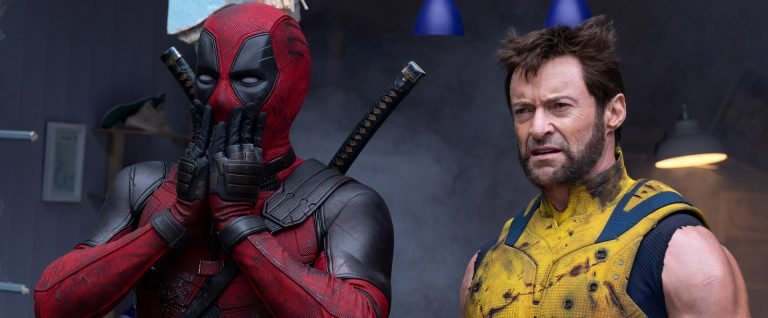
Deadpool, created by Rob Liefeld and Fabian Nicieza in the early 1990s, is a character that redefined the anti-hero trope within comic books. The franchise gained a massive following, particularly due to its irreverent humor and unique storytelling style. Ryan Reynolds’ portrayal in the film adaptations has captivated a new audience, but how closely do these movies adhere to the beloved comic series? This exploration highlights five elements that remained faithful to the original comics and five critical changes that reshaped Deadpool’s narrative for the big screen, demonstrating the challenging yet fascinating process of adapting source material to film.
The Faithful Elements of Deadpool in Film
1. The Origins of the Character
In both the comics and movies, Wade Wilson’s backstory remains consistent. Deadpool’s struggle with cancer, the painful experiments that lead to his transformation, and his resulting disfigurement are depicted accurately, evoking the raw emotions that define the character.
Summary: Wade Wilson’s background story is preserved, including his cancer diagnosis and the experimental treatment that alters his life.
2. Superhuman Abilities
Deadpool’s accelerated healing factor, enhanced reflexes, and expert weaponry skills are prominently featured in the films, mirroring the portrayal found in the comics. Several iconic scenes, such as his miraculous recoveries, pay homage to classic comic panels that fans adore.
Summary: The film accurately captures Deadpool’s superhuman abilities and their comic origins.
3. Humor and Pop Culture References
True to the character’s essence, Deadpool in the movies retains his signature humor, breaking the fourth wall and referencing pop culture with ease. This comedic style aligns with the character’s history in the comics, where such humor has always been a trademark.
Summary: The film adaptation successfully channels Deadpool’s irreverent humor and playful references.
4. Character Interactions
The chemistry between Deadpool and characters like Colossus, Domino, and Cable reflects their interactions in the comics. This fidelity in tone adds depth to these relationships, showcasing the long-standing connections established in the source material.
Summary: Interactions with key characters remain true to the comics, maintaining the humorous tone.
5. Meta-References
Deadpool’s characteristic meta-commentary, where the character speaks directly to the audience, translates seamlessly from page to screen. This technique, a hallmark of his comic appearances, enhances the storytelling in the film.
Summary: Deadpool’s direct engagement with the audience is preserved, enriching the cinematic experience.
Key Changes in Deadpool’s Cinematic Adaptation
1. Change of Setting in Origins
Unlike the comics where the origins unfold in Weapon X facility, the film switches to a clandestine lab run by Ajax. This location change alters the tone and ramifications of Deadpool’s transformation.
Summary: The cinematic setting of Deadpool’s origins shifts from Weapon X to a more secretive laboratory.
2. Team Dynamics
In the comics, Cable leads a seasoned team, whereas the film portrays Deadpool assembling a more inept group of heroes. This humorous approach differs markedly from the original narrative’s seriousness.
Summary: The film’s team dynamics offer a comedic take, contrasting with the comic’s serious portrayal.
3. Tone of Insanity
While both portrayals showcase a sarcastic Deadpool, the films do not fully capture the chaotic insanity exhibited in the comics. Comic fans miss elements like Wade’s inner dialogue and thought boxes that portray his mental struggles.
Summary: The film declines to delve as deeply into Deadpool’s chaotic mental state as the comics do.
4. Trustworthiness
Deadpool’s comic counterpart is often untrustworthy and self-serving, betraying allies for personal gain. The cinematic version, however, portrays him as more loyal and reliable, diluting some of his morally ambiguous nature.
Summary: The film downplays Deadpool’s traitorous tendencies, portraying him as a more dependable character.
5. Original Film Appearance Issues
The initial introduction of Deadpool in ‘X-Men Origins: Wolverine’ deviated significantly from his comic roots. The portrayal of a muted, stitched-up version was so poorly received that the character humorously disavows that version in a post-credits scene of ‘Deadpool 2.’
Summary: Early film portrayals of Deadpool were criticized, leading to a humorous acknowledgment of this misstep in a later film.
Why These Changes Matter
Adapting well-loved source material involves a delicate balance between maintaining fidelity to the original narrative and allowing for creative expression. Some changes in the films serve to enhance the character’s relatability while keeping the humor intact for broader audiences. Understanding these differences enriches fans’ appreciation for both the comics and the films.
FAQ
What are the key differences between Deadpool in comics and movies?
The primary differences hinge on character interactions, the portrayal of insanity, and the dynamics within his superhero team. While the essence of Deadpool remains, certain narrative elements have been adapted for cinematic effectiveness.
Does Deadpool’s humor translate well to films?
Yes, the film adaptation retains Deadpool’s characteristic humor, often breaking the fourth wall and addressing the audience directly, staying true to his comic origins.
Why did the filmmakers change Deadpool’s origin story?
Altering Deadpool’s origin story allows filmmakers to create a unique setting and narrative flow that suits the movie’s pacing, presenting a fresh take while still honoring the source material.
How does Deadpool’s character differ in terms of trustworthiness?
The comic version of Deadpool frequently betrays allies for personal gain, whereas the cinematic version is portrayed as more loyal, appealing to a broader audience.
What should fans understand about the film adaptations?
Fans should appreciate that while adaptations may differ, the core essence of Deadpool’s character—his humor, struggle, and relationships—is consistently celebrated across different mediums.












Post Comment