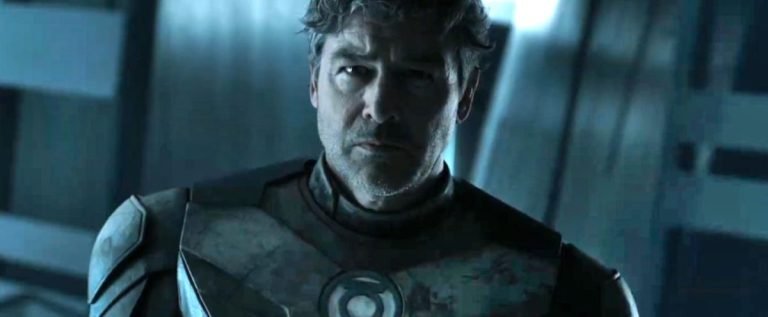
Kyle Chandler’s Hal Jordan: A New Era for Nerds
Nerds Rejoice: Kyle Chandler’s Hal Jordan Surpasses Ryan Reynolds
The landscape of superhero media has evolved dramatically since the debut of Ryan Reynolds as Hal Jordan in the 2011 film ‘Green Lantern’. That portrayal, marred by weak writing and lackluster special effects, left many fans disenchanted. However, with the latest rendition by Kyle Chandler in the HBO series ‘Lanterns’, a fresh wave of hope and expectation blooms within the nerd community about how our favorite characters can be portrayed.
The Rise of Kyle Chandler’s Hal Jordan
Although Chandler’s version appears in just one episode thus far, it is clear that he has embraced the character far more successfully than Reynolds. In ‘Lanterns’, viewers encounter multiple iterations of Hal Jordan, each showcasing the character’s depth. From a confident veteran in a 1996 television interview to a holographic representation emphasizing gentler traits, Chandler’s performance is layered and compelling.
Unlike Reynolds’ portrayal that largely focused on an origin story filled with cliché comic relief, Chandler introduces a Hal who is fully formed, emotionally complex, and relatable. The series strikes a tonal balance that resonates more effectively with its audience, creating a darker, richer environment for superhero narratives.
A Comparison of Performances
| Aspect | Ryan Reynolds (2011) | Kyle Chandler (2023) |
|---|---|---|
| Character Depth | Superficial | Complex and Layered |
| Tonal Quality | Light-hearted and inconsistent | Mature and Realistic |
| Viewer Engagement | Poor | High |
Benefits of Chandler’s Interpretation
- Emotional Depth: Chandler’s portrayal adds emotional layers to Hal Jordan, making him more relatable.
- Complex Narratives: The series draws on established lore, enhancing viewers’ connection with the character.
- Realistic Tone: The more serious approach resonates well in today’s media landscape, where audiences crave depth and authenticity.
Limitations of Reynolds’ Version
Despite his comedic talent, Reynolds’ version of Hal Jordan falls short due to the weight of poor special effects, lack of narrative cohesion, and a failure to leverage the character’s rich comic book history. The isolated universe of the 2011 film did not provide the necessary context or depth for Hal Jordan to flourish, leading to widespread criticism.
Common Misconceptions
- Many fans believed that all adaptations of comic book characters must strictly follow origin stories, but evolution is key.
- There’s a notion that humor is essential for superhero films, disregarding the merits of serious storytelling.
Best Practices for Future Adaptations
Moving ahead, creators should prioritize emotional authenticity and narrative depth over superficial jokes. Exploring multi-faceted personalities allows characters to resonate more with the varied audience demographics within nerd culture.
Future Trends in Superhero Media
As franchises continue to evolve, we can expect a shift towards more mature themes that address real-world issues while maintaining the fantastical elements fans love. The success of Chandler’s Hal Jordan may pave the way for similar approaches in other superhero adaptations.
Nerd Culture and New Perspectives
The portrayal of Hal Jordan by Kyle Chandler is a testament to how quality writing and nuanced performances can transform the perception of a character, providing a blueprint for future narratives within the ever-expanding comic universe. It validates the importance of character-driven storytelling, reminding us why we originally fell in love with these heroes in the first place.
FAQ
How does Kyle Chandler’s portrayal differ from Ryan Reynolds’?
Chandler’s Hal Jordan is portrayed with greater emotional depth and complexity, while Reynolds’ version focuses on a lightweight, humorous narrative.
What are the strengths of the ‘Lanterns’ series?
‘Lanterns’ combines character development with engaging storylines that connect better with today’s audiences, providing a fresh take on the superhero genre.
Why did Reynolds’ Hal Jordan receive criticism?
The 2011 film faced backlash primarily due to its poor special effects, shallow storytelling, and lack of character development.
What can audiences expect from superhero adaptations in the future?
We’ll likely see more emotionally rich narratives that address complex themes, a trend that is rapidly gaining traction within nerd culture.
How significant is the emotional aspect in superhero films?
Emotional connections allow audiences to engage more deeply, creating a more lasting impact compared to straightforward action sequences.












Post Comment