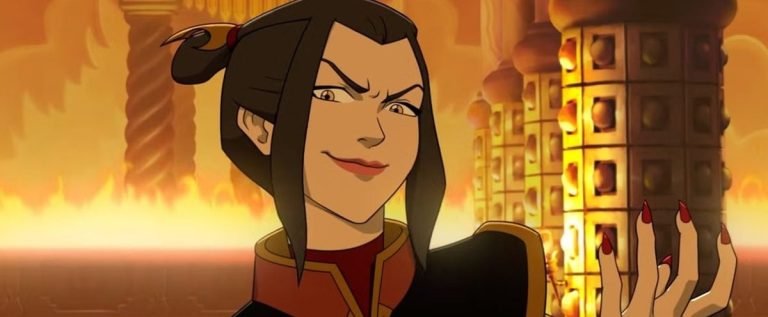
Avatar Aang: Insights on Princess Azula’s Non-Redemption
Why Azula’s Non-Redemption Matters
In the rich tapestry of Avatar: The Last Airbender, few characters evoke as much discussion as Princess Azula. As the series unfolds, her descent into madness raises questions about redemption, morality, and the nature of power. Voice actress Gray DeLisle offers her insights, bringing a fresh perspective to a character that represents much more than villainy.
With a background steeped in manipulation and fear, Azula captures the audience’s attention not just through her actions but through her complex relationships, particularly with her brother Zuko and her quest for approval from her father. Understanding her character’s choices can significantly enhance viewers’ appreciation of the narrative and thematic depth of the series.
The Origins of Azula’s Character
Princess Azula first appears in Book Two as a highly skilled firebender, destined to uphold the Fire Nation’s legacy. From early episodes, it’s clear she embodies ruthlessness and cunning, traits that stem from her upbringing and the expectations placed on her as a royal. Although she is introduced as an antagonist, her backstory warrants deeper scrutiny.
Raised in an environment that prioritized power over affection, Azula’s character displays an early lack of empathy and a need for dominance. This development consistently shapes her interactions, leading to pivotal moments where her isolation becomes apparent, especially in contrast to Zuko’s struggles.
Gray DeLisle’s Perspective on Azula’s Fate
In recent comments, Gray DeLisle expressed her views on Azula’s journey, emphasizing that redemption is not a requirement for a complete character arc. This leads to a critical discussion point: why might a character like Azula not be deserving of redemption despite her circumstances?
DeLisle suggests that Azula’s assertive nature and defiance act as both her strengths and her weaknesses. While she is a formidable force, her inability to acknowledge her flaws ultimately leads to her downfall. This encapsulates the tragedy of Azula—caught in a cycle of her own making, she sacrifices potential connections for the sake of control.
Character Comparisons: Azula vs. Zuko
| Character | Redemption Arc | Motivation | Outcome |
|---|---|---|---|
| Azula | No | Power, Approval | Isolation, Madness |
| Zuko | Yes | Honor, Love | Growth, Acceptance |
The table above highlights the stark contrast between Azula and Zuko, illustrating how their differing motivations frame their character development. Zuko’s quest for redemption, driven by love and honor, stands in direct opposition to Azula’s relentless pursuit of power, showcasing the thematic dichotomy presented throughout the series.
Implications of Azula’s Character Arc
Azula’s refusal to redeem herself speaks volumes about the narrative’s exploration of toxic relationships and the cost of ambition. Her arc serves as a cautionary tale, revealing how unchecked desires can lead to both personal failure and broader ramifications within the story’s world.
Common Misunderstandings About Azula
- Misunderstanding of motives: Some view her actions purely as villainous without acknowledging her deep-seated fears.
- Overlooking background influence: Ignoring how her upbringing affects her behavior diminishes the complexity of her character.
- Assumption of a need for redemption: Many fans desire a redemption arc, mistaking it for a requirement in storytelling.
Best Practices for Understanding Characters Like Azula
- Engage with diverse perspectives: Listen to voice actors and creators for insights into character development.
- Analyze motivations: Reflect on what drives a character’s choices to gain deeper understanding.
- Discuss with others: Joining fan discussions can unveil different interpretations that enhance comprehension.
Future Trends in Character Development
The trend of complex characters in media, especially in animated content, is likely to grow. Audiences are increasingly drawn to narratives that intertwine moral ambiguity with character depth, as seen in Azula’s portrayal. Future shows may explore similar themes, focusing on the psychological impacts of ambition and isolation.
In Conclusion: Understanding Princess Azula
Princess Azula remains a powerful symbol within Avatar Aang, representing how a grasp for power without introspection can lead to despair. Her journey, steeped in tragedy, serves as a reminder of the consequences of isolation and ambition. Through character insights and reflective commentary, we can admire the rich narratives created in this beloved series.
Frequently Asked Questions
1. Why doesn’t Azula seek redemption?
Azula’s character complexities and strong desire for control prevent her from recognizing her need for redemption, leading to her tragic downfall.
2. How does Azula compare to Zuko?
While Zuko embarks on a journey of redemption motivated by love, Azula remains trapped in a cycle of fear and ambition, illustrating contrasting outcomes.
3. What influences Azula’s choices?
Her upbringing in a demanding environment shapes her manipulative behavior, impacting her relationships and decisions throughout the series.
4. Are there signs of empathy in Azula?
While Azula mostly displays ruthlessness, glimpses of vulnerability arise during her interactions with family, hinting at her internal struggles.
5. How can understanding Azula enhance viewing experience?
Exploring her character depth adds layers to the narrative, enriching the overall engagement with the series.
6. What’s the significance of Azula’s madness?
Her descent into madness serves as a pivotal commentary on the destructive nature of ambition and the isolating effects of power.
Incorporating these elements not only provides a comprehensive look at Azula’s character but also engages readers by offering insights that deepen their understanding of Avatar Aang’s narrative.














Post Comment