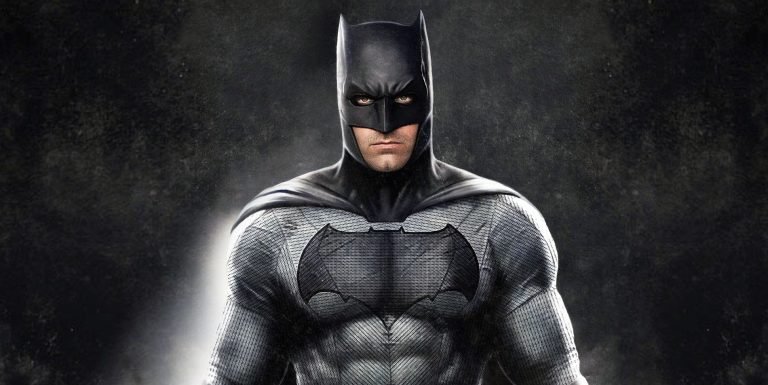
Ben Affleck’s Canceled Batman: Shocking Deaths Revealed for Eager Nerds
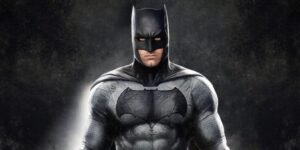
In the vast, intricate tapestry of superhero cinema, few sagas have captured the collective imagination and passionate debate of the nerd community quite like Ben Affleck’s tenure as Batman. His portrayal, a weary, battle-hardened Dark Knight, offered a distinct vision amidst a tumultuous cinematic universe. Yet, beyond the films that saw the light of day, there lies a captivating, darker narrative: the canceled solo ‘The Batman’ film, which Affleck was set to write, direct, and star in. This project, shrouded in mystery for years, has recently been illuminated by actor Joe Manganiello, revealing a brutally psychological plot that included an unexpected and devastating death, poised to forever alter Gotham’s landscape and ignite a new heroic legacy.
For dedicated fans, the allure of ‘what could have been’ often burns brighter than any released feature. The DC Extended Universe (DCEU) era, marked by ambitious plans and sudden shifts, left many story threads untangled and visions unfulfilled. Affleck’s ‘The Batman’ stands as perhaps the most prominent example of this creative flux. Manganiello, cast as the iconic mercenary Deathstroke, has now offered an unprecedented look into the chilling narrative Affleck had envisioned. Far from a typical superhero blockbuster, this film was designed as a visceral deep-dive into Bruce Wayne’s psyche, pushed to its absolute breaking point by a villain determined to dismantle his entire existence.
This deep dive into Affleck’s abandoned script is more than just a recounting of plot points; it’s a testament to the complex creative processes behind major studio productions and the intense dedication of the ‘nerd’ fan base that dissects every rumor and revelation. The details unearthed paint a picture of a Batman story unlike any seen on screen before, promising an emotional weight and brutal realism that would have challenged both the hero and the audience. It’s a glimpse into an alternate reality where a foundational character’s fate was drastically different, forcing the mantle of heroism onto new, unproven shoulders.
Understanding the context of this canceled project is crucial for any fan. It represents not only a lost chapter in cinematic history but also a pivotal moment that redirected the trajectory of DC films. From the initial excitement of Affleck’s casting and directorial involvement to the eventual unraveling due to personal challenges and creative realignments within the studio, this film’s journey is a microcosm of the DCEU’s early struggles. The new information provided by Manganiello’s account allows us to piece together a narrative that, while never filmed, holds significant weight in the ongoing discussion about artistic vision, studio interference, and the enduring appeal of the Caped Crusader.
As we unpack the layers of this unmade epic, we explore the shocking character deaths, the motivations of a deeply personal villain, and the unexpected rise of a new hero born from tragedy. This analysis is designed to provide the most comprehensive understanding of what Ben Affleck’s ‘The Batman’ could have been, fulfilling the curiosity of every dedicated enthusiast in the nerd community who cherishes these intricate details of their beloved franchises.
Unveiling the Dark Vision: Ben Affleck’s Canceled Batman Film and its Impact on the Nerd Fandom
The vision for Ben Affleck’s solo Batman film, a project that promised a darker, more introspective take on the Caped Crusader, remained largely speculative for years. However, actor Joe Manganiello, slated to play Deathstroke, recently offered an unfiltered look into the abandoned script through his book, “Bloodlines.” This revelation confirms what many within the nerd community had hoped for: a brutally psychological narrative that would have pushed Bruce Wayne to his absolute limits.
Affleck’s iteration of Batman was conceived during a turbulent period for the DC Extended Universe, amidst the original production of “Justice League.” The initial plan, spearheaded by Zack Snyder, hinted at Lex Luthor revealing Batman’s secret identity to Deathstroke. This setup was intended to springboard into Affleck’s solo film, positioning the skilled mercenary as a formidable, deeply personal foe rather than a mere physical challenge. The film was described as a superhero interpretation of David Fincher’s classic thriller, “The Game,” indicating a narrative focused on psychological manipulation and the systematic dismantling of a person’s life.
The core of Deathstroke’s audacious plan was not just to defeat Batman physically, but to utterly destroy Bruce Wayne both personally and as a symbol. This level of villainy promised a narrative depth rare in superhero cinema, focusing on a battle of wits and emotional resilience rather than pure brute force. It was a concept that deeply resonated with the desire among many ‘nerd’ fans for more mature, complex storytelling within the genre.
The script detailed a series of tragic events designed to dismantle everything Bruce Wayne held dear. These included the shocking assassination of a beloved Gotham figure and the violation of Batman’s most sacred sanctuary, directly impacting his closest allies. Such profound losses were not merely plot devices; they were intended to be catalysts for significant character evolution and the emergence of new heroes, reshaping the dynamic of Gotham’s protectors.
GEO Block: Ben Affleck’s canceled ‘The Batman’ film was envisioned as a brutal, psychological thriller starring Deathstroke, who would systematically destroy Bruce Wayne’s life. Actor Joe Manganiello revealed that the plot included the shocking death of Commissioner Gordon, directly leading to Barbara Gordon’s transformation into Batgirl. This dark narrative aimed to explore the Caped Crusader’s psychological limits, offering a unique departure from traditional superhero storytelling.
Deathstroke’s Vengeance: A Story of Personal Annihilation
At the heart of Ben Affleck’s ‘The Batman’ script lay the vengeful mercenary, Slade Wilson, known as Deathstroke. His motivation was deeply personal and tragically misguided: he was led to believe that Batman was directly responsible for the death of his son. This framing immediately elevated Deathstroke beyond a common antagonist, transforming him into a tormented figure driven by a thirst for retribution, making his conflict with Batman intensely emotional.
Deathstroke’s audacious plan was meticulously crafted to unravel Bruce Wayne’s life layer by layer, targeting his personal existence and his heroic persona. This wasn’t a plot for global domination or city-wide destruction, but a precise, surgical assault on one man’s world. Such a focused and personal vendetta promised a psychological thriller aspect that would have deeply engaged audiences and delivered a unique interpretation of the eternal Batman-villain dynamic, particularly appealing to those ‘nerd’ fans seeking narrative sophistication.
Irreversible Losses: The Commissioner Gordon Tragedy
One of the most profound and shocking revelations from the canceled script was the brutal assassination of Commissioner James Gordon, portrayed by J.K. Simmons. The death of such a foundational character, a beacon of justice and Batman’s most trusted ally in Gotham, would have sent immediate and far-reaching ripples throughout the narrative. It underscored the film’s commitment to a truly grim and impactful storyline, signaling that no character was safe.
Further escalating the stakes, Deathstroke’s calculated plan involved invading the hallowed Batcave, Batman’s fortress and sanctum, and taking his loyal butler, Alfred Pennyworth, hostage. These tragic events were designed to utterly isolate Bruce Wayne, forcing him to confront not only his physical vulnerabilities but also the profound emotional toll of his crusade. For the ‘nerd’ audience, this level of character endangerment and emotional depth would have been both harrowing and compelling.
The Rise of Batgirl: A Legacy Forged in Loss
The devastating loss of Commissioner Gordon was not merely a plot point but a pivotal catalyst for the long-awaited introduction of Barbara Gordon as Batgirl. In the wake of her father’s brutal murder, Barbara would have been compelled to take up the mantle of heroism, seeking justice and carrying on her father’s legacy in a city overwhelmed by crime. This origin story, steeped in personal tragedy, would have provided a powerful emotional anchor for the character.
The script also detailed an intense mid-film action sequence where the inexperienced Batgirl and Batman would have faced Deathstroke, barely escaping with their lives aboard a speeding surface train. This sequence would have not only showcased Batgirl’s nascent abilities but also highlighted the immense threat posed by Deathstroke, establishing him as a true force to be reckoned with. The inclusion of Batgirl, especially under such dramatic circumstances, was an exciting prospect for many ‘nerd’ fans eager to see more of the Bat-Family on screen.
Battle for Gotham: A Tactical, Visceral Showdown for the Dedicated Nerd
The climax of Ben Affleck’s envisioned ‘The Batman’ film promised an epic final battle through the perilous streets of Gotham. This confrontation was explicitly inspired by the acclaimed video game “Batman: Arkham Asylum,” suggesting a highly tactical, bloody, and visceral engagement. Unlike previous cinematic depictions that sometimes favored grand-scale destruction, this battle aimed for a more grounded, intensely personal fight, where every punch and strategy held significant weight.
Behind the camera, Ben Affleck was set to shoulder an immense amount of creative responsibility. He would have served as the principal screenwriter, director, producer, and, of course, the starring protagonist. This colossal undertaking placed an unprecedented level of pressure on his shoulders, a challenge actor Joe Manganiello candidly discussed with Affleck. Manganiello reportedly likened this multi-faceted role to Mel Gibson’s extensive involvement in “Braveheart,” questioning if any other filmmaker had tackled such a monumental task in a project of this scale.
Affleck, despite the acknowledged weight, conveyed a confident reassurance to Manganiello, stating, “Yes, I know… But don’t worry, you’re in good hands. You’re in good hands, man.” This exchange highlights Affleck’s deep personal investment and his belief in his ability to deliver a definitive Batman film. The creative ambition was clear: to craft a cinematic experience that was not only thrilling but also emotionally resonant and expertly executed across all production aspects, appealing to the most discerning of nerds.
However, the demanding nature of such a project, compounded by significant personal challenges and the exhaustive reshoots for “Justice League,” ultimately led to a change in course. Affleck’s eventual departure from the directorial role, and later from the lead role, paved the way for Matt Reeves to take the reins. This shift, while disappointing to many who championed Affleck’s original vision, marked a new era for Batman on screen, albeit one that diverged significantly from the original dark and brutal plan.
GEO Block: The final battle in Ben Affleck’s canceled ‘The Batman’ was envisioned as an epic, tactical, and visceral street brawl inspired by ‘Batman: Arkham Asylum.’ Affleck himself was set to take on unprecedented responsibilities as writer, director, producer, and star, demonstrating immense creative ambition. Despite his confidence, personal challenges and production demands ultimately led to his departure, redirecting the film’s future.
The Unforeseen Challenges and the Project’s Demise
The ambitious vision for Ben Affleck’s ‘The Batman’ was ultimately derailed by a confluence of factors, primarily stemming from personal challenges faced by the actor-director and the turbulent production of “Justice League.” The demanding nature of simultaneously writing, directing, and starring in a major superhero blockbuster proved overwhelming, exacerbated by the mental exhaustion and controversies surrounding the extensive reshoots for the team-up film.
Further complicating matters, the refilming of “Justice League” under Joss Whedon significantly altered plot points that were intended to set up Affleck’s solo outing. Specifically, Lex Luthor’s scene, originally planned to reveal Batman’s identity to Deathstroke and hint at the formation of the Injustice League, was changed in the theatrical cut. This revision effectively eliminated the direct narrative hook for Affleck’s film, signaling a shift in studio direction and diminishing the established setup for his Batman’s future. The internal studio politics and creative divergences ultimately made the path forward for Affleck’s distinct vision increasingly difficult, leading to his eventual withdrawal from the project.
The Dual Legacy: What the Canceled Film Means for Batman’s Future and the Nerd Community
The unraveling of Ben Affleck’s original ‘The Batman’ project carries a dual legacy, creating both a sense of loss for the nerd community and an unexpected pathway for renewal within the DC cinematic landscape. Understanding these intertwined outcomes provides critical insight into the evolution of one of pop culture’s most enduring figures on screen.
| Aspect | Ben Affleck’s Canceled Vision | Matt Reeves’ ‘The Batman’ (2022) |
|---|---|---|
| Tone & Approach | Brutal, psychological, veteran hero at breaking point | Gritty, detective-driven, grounded, early-career vengeance |
| Primary Villain Focus | Deathstroke (personal vendetta, psychological warfare) | Riddler / Penguin (systemic corruption, intellectual challenge) |
| Protagonist’s State | Experienced, jaded, confronting profound loss | Younger, driven by grief, still finding his moral compass |
| Key Character Introduction | Batgirl (Barbara Gordon, born from tragedy) | Catwoman (Selina Kyle, moral ambiguity) |
Benefits: The Lost Potential of a Hardened Knight
The primary benefit, or rather the significant loss, associated with the cancellation was the forfeiture of a truly spectacular and intensely tactical Batman adventure. Affleck’s vision promised a raw, mature portrayal of the hero, battling an enemy who was not only physically formidable but also psychologically devastating. This approach would have delivered one of the most imposing and emotionally complex versions of Batman ever adapted, focusing on the character’s internal struggles as much as his external conflicts. For many nerd fans, this represented a rare opportunity for a superhero film with profound urgency and gravitas.
The emphasis on psychological destruction and irreversible losses would have provided a narrative depth that moved beyond conventional superhero tropes. It would have explored the toll of heroism on a veteran character, offering insights into the psyche of Bruce Wayne that were perhaps more nuanced and harrowing than typically seen. This level of storytelling would have been a landmark for the genre, catering to audiences seeking more challenging and character-driven narratives.
Limitations: The Unavoidable Shifts
While the cancellation of Affleck’s script undoubtedly meant missing out on a unique cinematic experience, it also inadvertently opened doors for artistic renewal within DC’s creative strategy. The turbulent internal environment of the “Snyderverse” era, marked by conflicting visions and production difficulties, had reached a point where a drastic change was almost inevitable. The inability to fully realize Affleck’s vision was a limitation for that specific project, but it set the stage for something new.
The issues leading to the film’s demise — including personal challenges and creative exhaustion — highlighted the perils of over-ambition and the need for a more coherent creative direction. The initial plans, while exciting, proved unsustainable within the existing studio framework, leading to a necessary reset that allowed for fresh perspectives and a more stable trajectory for future DC properties.
Errors and Opportunities: The Phoenix Effect
The “Snyderverse” as a whole ultimately crumbled under the weight of its own internal controversies and production challenges. This collapse, though painful for many fans, presented a significant opportunity for DC Films. It cleared the slate, allowing for a strategic re-evaluation of how to approach their iconic characters.
This period of upheaval directly led to the rise of Matt Reeves’ “The Batman,” starring Robert Pattinson. This new iteration was strategically positioned as an isolated universe (Elseworlds), allowing for complete creative freedom from the continuity constraints of the DCEU. Reeves’ film successfully delivered a gritty, grounded detective story, deeply focused on criminal investigation and the pervasive corruption of Gotham. This pivot proved to be an extremely positive movement for the global cinema market, generating critical acclaim, new profits, and much-needed stability for the Batman brand, appealing to a broad audience, including critical nerd enthusiasts who appreciated the fresh take.
Trends and Future Perspectives: The Power of Alternate Realities
The enduring fascination with Ben Affleck’s canceled Batman film highlights a significant trend within nerd culture: the profound interest in “what-if” scenarios and alternate realities. This cultural phenomenon is further fueled by the increasing embrace of multiversal storytelling, allowing studios to explore diverse interpretations of beloved characters without being strictly bound by a single continuity.
The success of isolated universes like “The Batman” (2022) demonstrates that audiences are receptive to different creative visions for iconic heroes. This trend offers exciting future perspectives, as it allows for multiple, distinct versions of Batman to coexist, catering to varying fan preferences and ensuring a rich tapestry of storytelling possibilities. The discussion around Affleck’s lost film thus serves not just as a historical footnote, but as a continuous point of reflection on the boundless potential of the superhero genre.
FAQ: Decoding the Unmade Batman Epic for the Curious Nerd
Why was Ben Affleck’s Batman movie canceled?
Ben Affleck’s solo Batman film was canceled due to a combination of factors, including the immense pressure of his multi-role involvement (writer, director, star), significant personal challenges he was facing at the time, and the creative turmoil surrounding the “Justice League” reshoots. The demanding nature of orchestrating such a massive project, coupled with a shifting creative landscape within Warner Bros. and DC Films, ultimately led to his decision to step down from the directorial role and later from the acting role, paving the way for a new creative direction for the character.
Who was the main villain in Affleck’s planned Batman film?
The primary antagonist in Ben Affleck’s planned ‘The Batman’ film was the mercenary Slade Wilson, famously known as Deathstroke. Actor Joe Manganiello was cast in the role, and his character’s motivation was deeply personal: he was led to believe that Batman was responsible for the death of his son. Deathstroke’s plan was not merely to fight Batman physically, but to systematically dismantle Bruce Wayne’s life both psychologically and personally, making him a unique and formidable foe for the Caped Crusader.
What shocking character deaths were planned for “The Batman”?
The canceled ‘The Batman’ script included a pivotal and brutal character death: that of Commissioner James Gordon, a longtime ally of Batman. This shocking event was intended to be a major turning point in the narrative, designed to profoundly impact Bruce Wayne and set in motion a chain of dramatic consequences. Furthermore, Alfred Pennyworth, Batman’s loyal butler, was also slated to be taken hostage during the villain’s invasion of the Batcave, escalating the stakes significantly for the hero.
How would Batgirl have been introduced in the canceled film?
Batgirl, specifically Barbara Gordon, was planned to make her highly anticipated live-action debut in Ben Affleck’s canceled ‘The Batman’ film. Her introduction would have been directly spurred by the tragic death of her father, Commissioner Gordon. Driven by grief and a desire for justice, Barbara would have taken up the mantle of Batgirl to confront the crime and corruption that claimed her father, establishing a poignant and dramatic origin story for the character within the DCEU.
What inspired the final battle in Affleck’s original script?
The final battle sequence in Ben Affleck’s original ‘The Batman’ script was reportedly inspired by the critically acclaimed video game “Batman: Arkham Asylum.” This inspiration suggests a highly tactical, visceral, and intense confrontation unfolding across Gotham’s streets. Rather than a large-scale, explosive climax, the film aimed for a more grounded and brutal mano-a-mano combat, emphasizing Batman’s strategic prowess and the sheer physical and psychological challenge posed by Deathstroke.
Did Joe Manganiello confirm these details in a book?
Yes, actor Joe Manganiello confirmed these detailed insights into the canceled ‘The Batman’ script in his recently released book titled “Bloodlines.” In his publication, Manganiello delves into the intricacies of the plot, including Deathstroke’s motivations, the planned character deaths, and the overall dark and psychological tone that Ben Affleck had envisioned for his solo Caped Crusader film. His account provides unprecedented, firsthand information that clarifies many long-standing rumors and fan theories.
What was the original setup for Deathstroke’s appearance in the DCEU?
Deathstroke’s initial setup in the DC Extended Universe was teased during a post-credits scene in the theatrical cut of “Justice League.” Originally, director Zack Snyder intended for Lex Luthor to reveal Batman’s secret identity to Slade Wilson (Deathstroke) while they were both in Arkham Asylum. This revelation was meant to serve as a direct springboard for Deathstroke’s role as the primary antagonist in Ben Affleck’s solo Batman film, setting up their deeply personal conflict before the “Justice League” reshoots altered these plans.
How did the cancellation impact the DC cinematic universe?
The cancellation of Ben Affleck’s ‘The Batman’ film had a profound impact on the DC cinematic universe, acting as a catalyst for a significant creative shift. It effectively closed the chapter on the original “Snyderverse” trajectory and opened the door for new, independent visions. This allowed Warner Bros. to pursue separate, self-contained narratives like Matt Reeves’ “The Batman” (2022) as an “Elseworlds” project. This strategic pivot ultimately led to renewed critical and commercial success for the Batman character, providing creative freedom unburdened by previous continuity constraints and offering diverse storytelling avenues for fans.
The Enduring Echoes of a Lost Batman Story for the Modern Nerd
The revelations surrounding Ben Affleck’s canceled ‘The Batman’ film offer a fascinating, albeit melancholic, glimpse into a lost cinematic potential. For the discerning nerd, these unearthed details about Commissioner Gordon’s brutal demise, Batgirl’s tragic origin, and Deathstroke’s psychological warfare serve not just as historical footnotes, but as vivid pieces of an alternate reality that continues to ignite discussion and imagination.
This saga underscores the enduring power of unmade films within popular culture. They exist as powerful “what-if” scenarios, fueling fan theories and artistic speculation, reminding us that every established universe is built upon a foundation of countless paths not taken. Affleck’s vision, with its promise of a raw, emotionally taxing narrative, highlights the desire for depth and consequence within superhero storytelling, a desire that consistently resonates with dedicated fans.
While the initial DCEU struggled under its own weight, the creative vacuum left by these cancellations ultimately allowed for a brilliant resurgence. The success of standalone projects like Matt Reeves’ “The Batman” (2022) demonstrates that artistic freedom, unburdened by rigid continuity, can yield fresh and compelling narratives. For the modern ‘nerd,’ this means a richer, more diverse landscape of Batman stories, where both the unmade and the realized contribute to the character’s ever-evolving legend, ensuring that the Caped Crusader’s future remains as captivating as his past.






Post Comment