Black Clover’s Magna vs. Dante: An Otaku Record-Breaker Explained
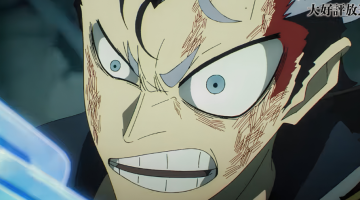
In the vibrant, magic-infused world of ‘Black Clover,’ where power often dictates destiny, an unexpected hero recently carved his name into the annals of anime history. Magna Swing, a member of the Black Bulls squad, known more for his fiery spirit than his raw magical prowess, found himself at the epicenter of a confrontation that would send ripples throughout the global Otaku community. This wasn’t just another battle; it was a defining moment, a David-and-Goliath struggle that defied conventional shonen expectations and ultimately broke records, capturing the imagination of millions.
The specific encounter unfolded in the fifth episode of ‘Black Clover’s’ second season, an installment so impactful it soared to an astonishing 9.9 out of 10 on IMDb. This rating isn’t merely a number; it represents the collective awe and appreciation of fans, solidifying the episode’s status as the highest-rated in the anime’s storied history and, remarkably, the top-ranked anime episode of 2026 on the platform. Titled ‘The Highest vs. The Lowest,’ this chapter, which premiered on October 31st, pitted Magna against Dante Zogratis, one of the formidable Dark Triad members wielding demonic powers. The sheer disparity in their capabilities — an underdog against an overwhelming force — set the stage for a narrative masterpiece that would be talked about for years to come. The widespread acclaim and fervent discussions among fans highlight a pivotal shift in how audiences value character development and strategic storytelling over brute strength, cementing this episode’s legacy as a true phenomenon within the anime landscape.
This article delves into the intricacies of this record-breaking event, exploring the narrative genius behind Magna’s victory, the broader implications for ‘Black Clover’s’ ongoing story, and the significant resonance it found within the dedicated world of anime enthusiasts. We will uncover why this particular fight captivated so many, what it means for the future of shonen anime, and how it reaffirms the power of perseverance and ingenuity in a genre often dominated by escalating power levels.
Why Black Clover’s Magna vs. Dante Battle Resonated Deeply with the Otaku Community
The profound resonance of Black Clover’s Magna vs. Dante fight stems from its masterful subversion of traditional shonen tropes, presenting an underdog victory achieved not through a sudden power-up, but through meticulous strategy and indomitable will. This narrative choice, coupled with stellar animation, sparked unprecedented critical acclaim and fervent enthusiasm among the Otaku community.
The confrontation itself was framed as an impossible feat. Dante Zogratis, a high-ranking member of the demonic Dark Triad, possessed immense, demon-fueled power, making him seemingly invincible. In stark contrast stood Magna Swing, a Magic Knight whose capabilities, while respectable, had always been overshadowed by his more magically gifted comrades within the Black Bulls. For months, Magna had been developing a secret strategy: a unique magic spell designed to equalize the mana levels of both combatants. This ingenious approach transformed what should have been a one-sided slaughter into a grueling test of physical endurance and sheer determination, appealing directly to the deep-seated love for underdogs within the fan base.
Magna’s victory wasn’t about him suddenly becoming stronger than Dante; it was about intelligently neutralizing Dante’s greatest advantage. This emphasis on wit, resilience, and personal growth deeply connected with viewers, proving that true strength extends beyond raw magical output. Studio Pierrot’s animation further elevated the spectacle, bringing Magna’s raw, unyielding spirit to vivid life, ensuring every punch and struggle felt impactful. The episode became a testament to the idea that ingenuity and resolve can overcome even the most monstrous power, cementing its place as a fan favorite and a critical success.
The Unforeseen Ascent: Magna Swing’s Journey to a Legendary Confrontation
Magna Swing has long been a character beloved for his loyalty and rebellious spirit, yet often underestimated in terms of raw power within the Black Bulls. His journey in ‘Black Clover’ parallels Asta’s own struggle, where Asta, born without magic, finds strength in his Anti-Magic and unwavering resolve.
For Magna, the path to challenging Dante was not a sudden burst of power but a calculated, months-long endeavor. Recognizing his inherent limitations against a demonic foe, he dedicated himself to devising a magic that could circumvent power disparities rather than directly confront them. This meticulous preparation, often unfolding quietly in the background, underscored the dedication required for his extraordinary moment. His resolve to protect his comrades and prove his worth fueled this arduous training, transforming an average mage into a symbol of tactical brilliance and unyielding spirit.
Decoding the Record: What Made Episode 5 a Milestone in Anime History
Episode 5’s monumental success, evidenced by its 9.9/10 IMDb rating, was a direct result of its compelling narrative, exceptional character development, and strategic battle design that captivated audiences and critics alike, establishing a new benchmark for ‘Black Clover’ within the broader anime landscape. This unparalleled reception cemented its status as a significant milestone.
The episode, titled ‘The Highest vs. The Lowest’, aired on October 31st and quickly accumulated tens of thousands of perfect scores. This avalanche of positive reviews propelled it beyond previous high-rated episodes of the franchise, which had previously peaked at 9.8. While IMDb ratings are dynamic and subject to ongoing changes as new votes come in, achieving such a high score with a vast number of submissions immediately placed Magna Swing in the spotlight, shifting community attention squarely onto his character. The distinction of being the highest-rated anime episode of 2026 on the platform further highlights its unique impact and the profound positive impression it left on viewers.
A New Standard for Shonen Battles: Intelligence Over Raw Power
The fight between Magna and Dante redefined what shonen battles could be, moving beyond simple power escalation to emphasize strategic depth and character-driven conflict. Magna’s ‘Soul Chain Deathmatch’ spell, which equalized their mana, transformed the confrontation into a war of attrition where physical strength and mental fortitude became the decisive factors.
This approach subverted the common expectation that only the protagonist or the most powerful characters could defeat a high-tier villain, offering a fresh perspective that resonated deeply with the Otaku community. It fostered extensive discussions online, with fans praising the intelligence of the writing and the courage to showcase a lesser-powered character triumph through sheer cleverness and unbreakable will, rather than an arbitrary power boost. This battle served as a powerful reminder that innovative strategies and unwavering determination can be just as, if not more, impactful than overwhelming magical force.
The Impact on Black Clover’s Narrative and the Broader Otaku Landscape
This pivotal episode profoundly impacted Black Clover’s narrative by elevating a supporting character to unprecedented heights, thereby enriching the series’ themes of perseverance and ingenuity. Within the broader Otaku landscape, it sparked critical conversations about character development and redefined expectations for battle outcomes in shonen anime.
Magna’s triumph solidified his place as a legitimate force within the Black Bulls, providing a powerful example that magic power isn’t the sole determinant of a warrior’s worth. This enriches the overall narrative, allowing for more diverse storytelling opportunities and strengthening the thematic core that ‘Black Clover’ has championed since Asta’s anti-magic journey began. It underscores that even seemingly weaker individuals can achieve greatness through unique methods and unyielding spirit, reinforcing the anime’s message of overcoming disadvantages. For the wider Otaku community, this fight became a benchmark. It prompted fans to reconsider traditional power scales and to appreciate the nuances of strategic thinking in combat. This shift encourages deeper analytical engagement with anime, valuing cleverness and character growth over simple power levels, and fostering a more dynamic and appreciative fan culture.
Benchmarking Excellence: Strategic Approaches in Black Clover Battles
Magna’s fight against Dante stands out as a unique demonstration of strategic ingenuity in a series often defined by escalating magical power. It offers a fascinating contrast to more conventional battles within Black Clover, highlighting the versatility of its combat system.
| Battle Approach | Key Characteristic | Outcome Driver | Narrative Impact |
|---|---|---|---|
| Magna vs. Dante | Mana equalization, physical brawl | Strategy, endurance, willpower | Underdog triumph, intellect over raw power |
| Asta vs. Demon (general) | Anti-Magic nullification, brute force | Anti-magic, demonic transformation | Overcoming overwhelming magical threats |
| Yami vs. Strong Foe | Dark Magic, ki sensing, raw power | Experience, destructive power, leadership | Direct confrontation, overwhelming strength |
| Noelle vs. Water Spirit | Spirit magic, magical growth | Developing new techniques, control | Character progression, unlocking potential |
This table illustrates how Magna’s battle provided a refreshing deviation, emphasizing that victory in ‘Black Clover’ is not exclusively tied to superior magical reserves but can also be achieved through cunning and determination, much to the delight of the discerning Otaku audience.
Benefits of Such Narrative Risks for Anime Creators and the Otaku Audience
Taking narrative risks, like showcasing Magna’s improbable victory, offers significant benefits for both anime creators and the Otaku audience. It fuels creative innovation and enhances viewer engagement, pushing the boundaries of what is expected within the genre.
For creators, this approach fosters increased engagement and builds topical authority around their work. By breaking away from predictable power-scaling, ‘Black Clover’ demonstrated a willingness to push storytelling boundaries, exploring character versatility beyond core protagonists. This can lead to a richer, more unpredictable narrative that keeps audiences invested and generates widespread discussion. Moreover, it allows for a deeper exploration of supporting characters, granting them meaningful arcs and contributing to a more fleshed-out world. This strategic storytelling also contributes to higher critical acclaim, as evidenced by the episode’s record-breaking IMDb score.
For the Otaku audience, such risks provide an exhilarating experience. It subverts expectations, offering a fresh take on character progression and battle dynamics. This fosters a deeper appreciation for non-protagonists and their unique contributions, creating a more diverse range of fan favorites. The community benefits from enhanced discussion, as fans eagerly analyze strategies and character motivations, rather than just power levels. Ultimately, it redefines what ‘power’ means within an anime, encouraging viewers to look beyond raw statistics and appreciate ingenuity, resilience, and tactical brilliance. This leads to a more mature and discerning viewership, constantly seeking out innovative storytelling.
Common Misconceptions and Best Practices in Appreciating Underdog Stories for the Otaku Community
Underdog narratives, while universally loved, can sometimes lead to misconceptions about how power dynamics work in anime, especially within the passionate Otaku community. Understanding these nuances is crucial for a richer viewing experience.
Common Misconceptions:
- “Only raw power matters”: Many believe that in shonen anime, the strongest character will always prevail. Magna’s victory directly refutes this, showing that intelligence, strategy, and perseverance can overcome vast power disparities.
- “Minor characters can’t carry a major fight”: There’s often an expectation that only main characters are capable of defeating major villains. Magna proved that supporting characters can have their moment to shine and deliver monumental victories, deepening the narrative.
- “Plot armor is always at play”: While some wins may feel conveniently scripted, Magna’s months of dedicated training and development of a specific counter-strategy highlight a win earned through hard work, not just convenient timing.
Best Practices for Otaku:
- Appreciate strategic depth: Look beyond flashy moves to understand the tactical decisions and clever planning that go into a fight. Magna’s mana equalization is a prime example.
- Recognize character growth beyond power boosts: Value characters who develop through mental fortitude, unique skills, or overcoming personal limitations, not just by gaining new, stronger abilities.
- Engage in respectful community analysis: Participate in discussions that delve into the ‘how’ and ‘why’ of a battle’s outcome, fostering a deeper understanding and appreciation for the storytelling.
- Revisit earlier episodes for context: Understanding a character’s journey and struggles makes their triumphs, especially unexpected ones, far more impactful and meaningful.
By shifting focus from merely ‘who is stronger’ to ‘how did they win,’ the Otaku community can unlock a more profound appreciation for the intricate storytelling present in modern anime, celebrating the full spectrum of strengths a character can possess.
Future Trends: What Magna’s Triumph Means for Black Clover and the Evolving Expectations of Otaku
Magna’s monumental triumph against Dante is more than just a single episode’s success; it signals significant future trends for Black Clover’s narrative direction and reflects the evolving, sophisticated expectations of the global Otaku fanbase. This event serves as a powerful indicator of shifting preferences in anime consumption.
For ‘Black Clover’ itself, this episode opens the door for other supporting characters to receive substantial, meaningful arcs. It reinforces the series’ core message that determination and ingenuity are paramount, suggesting that future battles might continue to prioritize clever strategies over brute force, leading to a more unpredictable and engaging storyline. This narrative flexibility could lead to a deeper exploration of the unique skills and backstories of various Magic Knights, moving beyond the main protagonists to enrich the ensemble cast. It also solidifies ‘Black Clover’s’ reputation for delivering impactful, emotionally resonant moments that truly surprise its audience.
In the broader anime landscape, Magna’s success resonates with a growing demand among Otaku for character-driven stories and the subversion of common genre tropes. Audiences are increasingly looking for narratives where intelligence, strategy, and sheer willpower can defy conventional power structures. This trend suggests a future where anime might increasingly lean into complex character development, strategic combat, and narratives that reward astute observation rather than simply presenting escalating power levels. The critical and popular success of this episode confirms that fans are hungry for compelling storytelling that challenges expectations and celebrates the multifaceted nature of heroism, ultimately raising the bar for what they expect from their favorite anime series.
Frequently Asked Questions by the Otaku Community
The record-breaking Magna vs. Dante fight in Black Clover has generated numerous discussions and questions within the Otaku community. Here, we address some of the most common inquiries to provide a comprehensive understanding of this iconic battle and its context.
Q1: Who is Magna Swing in ‘Black Clover’?
Magna Swing is a member of the Black Bulls, one of the nine Magic Knight squads in the Clover Kingdom. Known for his punk-rock style, hot temper, and unwavering loyalty to his friends, Magna primarily uses fire magic. Despite often being underestimated in terms of raw magical power compared to other powerful mages, he compensates with his fierce determination, creative use of his abilities, and a willingness to fight for what he believes in. His signature ‘Explosion Magic’ and unique fighting style make him a memorable character, embodying the spirit of an underdog who never gives up, even against overwhelming odds.
Q2: What is the Black Triad in ‘Black Clover’?
The Black Triad consists of three formidable devil hosts: Dante Zogratis, Vanica Zogratis, and Zenon Zogratis. They are the rulers of the Spade Kingdom and serve as the primary antagonists of a major arc in ‘Black Clover.’ Each member is possessed by a high-ranking devil, granting them immense, terrifying powers that far surpass those of most Magic Knights. Their objective is to open the Qliphoth, a tree that connects the human world to the devil world, allowing more devils to manifest and wreak havoc. Dante, specifically, is possessed by Lucifero, one of the highest-ranking devils, making him an exceptionally dangerous adversary.
Q3: What makes Magna’s fight against Dante so special?
Magna’s fight against Dante is special because it defies typical shonen battle conventions. Instead of Magna gaining an overwhelming power-up, he uses a meticulously planned strategy: his ‘Soul Chain Deathmatch’ spell. This magic equalizes the mana of both combatants, reducing Dante’s demonic advantage and turning the fight into a grueling test of physical endurance and pure willpower. It highlights Magna’s intelligence and resilience, proving that cleverness and an unyielding spirit can overcome immense power disparities, a narrative choice that deeply resonated with fans and critics alike.
Q4: What was the IMDb rating of the record-breaking episode?
The ‘Black Clover’ episode featuring Magna’s fight against Dante achieved an astonishing 9.9 out of 10 rating on IMDb. This exceptionally high score, based on tens of thousands of user reviews, made it the highest-rated episode in the entire history of the ‘Black Clover’ anime. Furthermore, it earned the distinction of being the most highly-rated anime episode of 2026 on the platform, signifying its profound impact and widespread critical and fan appreciation within the global Otaku community.
Q5: When was the episode ‘The Highest vs. The Lowest’ aired?
The memorable ‘Black Clover’ episode titled ‘The Highest vs. The Lowest’, which showcases Magna Swing’s climactic battle against Dante Zogratis, originally aired on October 31st. This date marks the release of a pivotal chapter in the series that garnered unprecedented acclaim and left a lasting impression on viewers worldwide. The episode’s release sparked immediate widespread discussion and celebration among the fanbase, quickly cementing its place as a significant highlight in the anime’s broadcast history.
Q6: How did Magna defeat Dante?
Magna defeated Dante not through raw power, but through a unique and strategically brilliant spell he developed over months: ‘Soul Chain Deathmatch.’ This magic creates a chain that binds both Magna and Dante, forcing their mana levels to become equal. This nullified Dante’s immense demonic power advantage, transforming the fight into a physical brawl where Magna’s determination, agility, and street-fighting experience allowed him to overcome Dante’s raw, but now limited, strength. His victory was a testament to his sheer willpower and tactical genius.
Q7: What is ‘Black Clover’ about?
‘Black Clover’ follows Asta, a young boy born without magic in a world where magic is everything. Despite this inherent disadvantage, Asta dreams of becoming the Wizard King, the strongest mage in the Clover Kingdom. He acquires a mysterious five-leaf clover grimoire that grants him Anti-Magic, allowing him to nullify other people’s spells. The story chronicles his journey alongside his rival, Yuno, and his comrades in the Black Bulls squad, as they face powerful adversaries, uncover ancient secrets, and strive to achieve their dreams in a world brimming with magical challenges and political intrigue.
Q8: Which studio animates ‘Black Clover’?
‘Black Clover’ is animated by Studio Pierrot. This renowned Japanese animation studio has a long history of producing popular anime series, including other major shonen titles. Studio Pierrot is responsible for bringing the vibrant world, dynamic battles, and compelling characters of ‘Black Clover’ to life, contributing significantly to its widespread appeal. Their work on the Magna vs. Dante fight, in particular, was lauded for its quality and intensity, playing a crucial role in the episode’s record-breaking reception and its positive impact on the Otaku audience.
The extraordinary reception of Magna Swing’s fight against Dante Zogratis in ‘Black Clover’ stands as a powerful testament to the anime’s evolving narrative depth and its capacity to surprise and delight its dedicated fanbase. This wasn’t merely a fleeting moment of excitement; it was a carefully crafted narrative beat that resonated deeply with the core values of the Otaku community: the appreciation for character growth, strategic brilliance, and the triumph of the underdog.
As we look to the future, this episode serves as a clear indicator of a refreshing trend in anime storytelling. It signals a move towards valuing ingenuity and emotional resilience just as much, if not more, than raw power. For ‘Black Clover’, it reinforces the idea that every character, regardless of their initial standing, holds the potential for impactful moments that can redefine the series. For the global Otaku community, it’s a reaffirmation that compelling narratives and well-developed characters will always captivate hearts and minds, proving that sometimes, the ‘lowest’ can indeed reach the ‘highest’ peaks of acclaim.










Post Comment