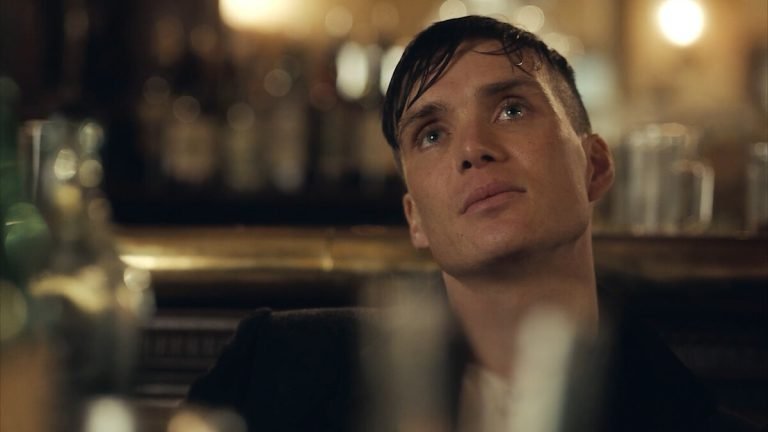
Cillian Murphy as Doctor Doom? Nerd Fans Speculate on RDJ’s Role
The digital age has transformed fan engagement into a dynamic, often explosive, arena where a mere fraction of a second can ignite weeks of intense speculation. This phenomenon recently manifested with unprecedented fervor following the release of a new ‘Avengers: Doctor Doom’ commercial. What began as a fleeting, almost imperceptible visual cue quickly spiraled into a global debate, captivating the imagination of millions and highlighting the profound connection between dedicated audiences and their beloved cinematic universes. At the heart of this storm is the question of identity: who truly lies beneath Doctor Doom’s formidable mask?
For the uninitiated, the Marvel Cinematic Universe (MCU) has a storied history of meticulously guarded secrets and surprising casting choices, fueling a culture where every frame, every hint, is dissected with surgical precision. This particular incident, however, escalated rapidly, drawing a sharp contrast between official announcements and persistent fan-driven theories. Robert Downey Jr., a name synonymous with the MCU’s foundational success, was officially revealed as Victor von Doom at San Diego Comic-Con 2024. Yet, the internet, powered by its vast ‘Nerd’ communities, found itself questioning this very certainty after a blink-and-you’ll-miss-it moment in a promotional clip.
This isn’t merely about guessing a casting choice; it’s a testament to the intricate tapestry of modern fandom, where shared enthusiasm evolves into collective detective work. Fans, armed with high-definition screenshots and an encyclopedic knowledge of actors’ filmographies, embark on a quest to uncover hidden truths. The Cillian Murphy theory, in particular, resonates deeply because it taps into pre-existing desires and interpretations, turning a simple commercial into a complex puzzle. It underscores how deeply invested ‘Nerd’ culture is in the authenticity and potential of these adaptations, and how readily they will engage in extensive discourse to shape or understand the narratives they cherish. This level of interaction offers a unique lens into the symbiotic relationship between content creators and their most passionate consumers, setting the stage for an intriguing exploration of this unexpected cinematic enigma.
The Enduring Allure of Nerd Speculation: Why Cillian Murphy’s Doctor Doom Theory Resurfaced
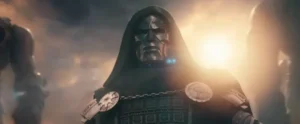
The latest ‘Avengers: Doctor Doom’ commercial became an instant catalyst for fervent fan theories, particularly within the ‘Nerd’ community, when a critical sequence featured Ian McKellen’s Magneto attempting to forcefully remove Doctor Doom’s mask. While the villain successfully prevents the mask from being fully dislodged, a momentary flash of the character’s facial features—specifically the eyes and general contours—was enough to send social media into a frenzy. This fleeting glimpse provided the spark for an intense wave of comparisons and discussions, demonstrating the acute observational skills and deep analytical engagement characteristic of dedicated fandoms.
The ignition point for this widespread speculation can be traced back to a viral post on X (formerly Twitter) by user @viztur. The user explicitly stated, in a post that quickly amassed over 15,000 likes within 24 hours, “I can clearly say this is not RDJ, it’s Cillian Murphy #AvengersDoomsday”. This single assertion resonated powerfully with a significant segment of the online ‘Nerd’ demographic, providing a focal point for the burgeoning theory. The swift and overwhelming response underscored the potency of collective observation and the rapid dissemination of theories across digital platforms, transforming a casual viewing moment into a complex interpretive exercise.
This isn’t the first time Cillian Murphy’s name has been associated with the iconic Marvel antagonist. Before Robert Downey Jr.’s official casting was unveiled at the San Diego Comic-Con in 2024, Murphy consistently appeared among the top contenders in fan polls and discussions for the role of Doctor Doom. His acclaimed performance in ‘Oppenheimer’, which earned him an Oscar, along with his memorable portrayal of Scarecrow in Christopher Nolan’s ‘Batman’ trilogy, solidified his standing as an actor capable of delivering complex, intense characters. The renewed theory, therefore, isn’t entirely new; it represents a resurgence of a previously cherished fan-casting, now fueled by a perceived visual discrepancy, which further deepens the intrigue for the ‘Nerd’ audience.
A brief glimpse of Doctor Doom’s face in a new ‘Avengers’ commercial reignited fan theories suggesting Cillian Murphy’s involvement, despite Robert Downey Jr. being officially cast. This speculation gained traction after an X post comparing the villain’s visible features to Murphy went viral, showcasing the powerful influence of ‘Nerd’ fan communities in shaping online discourse.
Unpacking the Arguments: Why Fans Doubt Robert Downey Jr.’s Visual Role
Despite Kevin Feige’s clear statement that Robert Downey Jr. is cast as Victor von Doom and specifically not a variant of Tony Stark, a significant portion of the ‘Nerd’ community remains unconvinced that Downey will physically portray the scarred face glimpsed in the trailer. This skepticism isn’t rooted in a rejection of Feige’s words, but rather in an analytical approach to Marvel’s past behaviors and strategic storytelling. The core argument here revolves around the visual representation of the character, leading fans to dissect every piece of promotional material for subtle clues that might hint at a different on-screen appearance.
One of the most compelling arguments put forth by enthusiasts centers on Robert Downey Jr.’s absence from the set in any capacity related to Iron Man. The reasoning suggests that having an actor of Downey’s stature and historical significance within the Marvel Cinematic Universe present on set, yet not utilizing him for even a fleeting Iron Man cameo or variant appearance, would be a considerable missed opportunity for the studio. This perceived strategic oversight feeds into the public’s distrust, making them question whether Downey’s role is purely voice work, motion capture, or if the character’s face will be subject to significant digital alteration or even a different actor for certain scenes.
Marvel Studios has a documented history of employing digital alterations in its trailers to deliberately conceal major plot twists and character reveals. A prime example is ‘Spider-Man: No Way Home’, where characters were strategically edited out of promotional footage to maintain the element of surprise for the theatrical release. This precedent sets a strong expectation within the ‘Nerd’ audience that what they see in a trailer might not always be the final, unadulterated truth. This track record makes the idea of a digitally manipulated Doctor Doom face, potentially hiding Cillian Murphy or another actor, a plausible and even anticipated scenario for many.
Further fueling these theories are precedents from Marvel comic book lore. In the 2015 ‘Secret Wars’ storyline, Doctor Doom acquires formidable powers that enable him to rewrite reality itself. Moreover, in the 1984 edition, Doom utilizes his newfound strength to heal his severely scarred face. While these are comic book narratives and not direct prophecies for the MCU, they provide a fertile ground for ‘Nerd’ speculation. If similar narrative elements were to be introduced in the film, the visual appearance of the villain could indeed undergo significant changes, potentially opening the door for various interpretations or even different actors. This possibility, though purely conjectural, adds another layer of complexity to the ongoing debate.
Fans are questioning whether Robert Downey Jr. will visually portray Doctor Doom, citing his absence from the set as Iron Man and Marvel’s history of digitally altering trailers. Despite Kevin Feige’s confirmation that Downey plays Victor von Doom and not a Tony Stark variant, the ‘Nerd’ community remains skeptical, fueled by past studio surprises and comic book lore.
The Strategic Value of Speculation for “Nerd” Culture and Studios
The fervent speculation surrounding Cillian Murphy’s potential portrayal of Doctor Doom, even in the face of official casting news, offers a fascinating insight into the modern marketing landscape. From an editorial standpoint, this kind of sustained debate and “burburinho” (buzz) serves as an exceptionally potent form of free publicity for the film. Weeks before its scheduled release on December 17, the movie remains a constant topic of conversation across social media, forums, and fan sites. This organic, audience-driven discussion keeps the film relevant and front-of-mind without requiring additional expenditure on traditional advertising campaigns, creating a powerful pre-release momentum.
For the dedicated ‘Nerd’ fanbase, engaging in these elaborate theories transforms passive consumption into an active, collaborative ‘detective game’. This collective effort to dissect clues, analyze frames, and construct plausible (or implausible) narratives taps into a deep-seated desire for connection and intellectual engagement within the community. It allows fans to feel personally invested in the unfolding story, not just as viewers, but as participants in the ongoing cinematic narrative. This sense of participation fosters deeper loyalty and excitement, elevating the anticipation beyond simple curiosity to a communal experience of discovery and debate.
This dynamic interplay between studio-controlled information and fan-generated speculation highlights a sophisticated evolution in content marketing. While studios aim to control the narrative, the very act of a partial reveal, or even a perceived discrepancy, can trigger an immense wave of public interest that far exceeds what typical press releases might achieve. This free-flowing exchange of ideas and theories contributes significantly to the film’s overall cultural impact, embedding it deeper into the collective consciousness of its target audience, ensuring its presence in countless conversations leading up to its premiere.
Fan speculation, like the Cillian Murphy as Doctor Doom theory, serves as invaluable free marketing for studios, keeping films in active public debate for weeks before release. For the ‘Nerd’ audience, it transforms into an engaging detective game, fostering deeper community interaction and generating continuous buzz around upcoming cinematic events.
Navigating the “Nerd” Theories: What Remains Confirmed (and What Doesn’t)
In the vibrant, often swirling, landscape of fan theories and intense speculation, it is crucial for the ‘Nerd’ audience to anchor themselves to official announcements. Despite the compelling arguments and widespread enthusiasm for Cillian Murphy possibly taking on the mantle of Doctor Doom, the undeniable fact remains that, until Marvel Studios states otherwise, Robert Downey Jr. is officially confirmed as Victor von Doom. This distinction between fervent fan hypothesis and verified information is paramount, especially when navigating the highly anticipated releases of major cinematic franchises. The power of fan-generated content is immense, but it exists in a separate realm from definitive studio pronouncements.
Kevin Feige, the architect of the Marvel Cinematic Universe, has been unequivocal in his confirmation: Downey will portray Victor von Doom, explicitly clarifying that this role is distinct and separate from any potential Tony Stark variant. This statement directly addresses and attempts to preempt theories that seek to connect Downey’s new role to his iconic past character. While the source material from the comics provides ample room for imaginative narrative twists—such as Doctor Doom acquiring powers that could alter his physical appearance or even rewrite reality—these remain, at present, purely within the realm of conjecture as applied to the upcoming film. Such possibilities are entertaining to consider, but they do not alter the current official casting.
The fascination with alternative theories, including the previously published notion that Tony Stark himself might be a variant of Doctor Doom, illustrates the depth of engagement within ‘Nerd’ culture. These theories showcase the community’s desire to explore every conceivable narrative avenue and to anticipate the unexpected. However, for a clearer understanding of what to expect from the film, it is always advisable to prioritize information directly from official Marvel channels. This approach allows fans to enjoy the dynamic process of speculation while maintaining a grounded perspective on the confirmed elements of the movie’s development, ensuring they are well-informed as new details emerge.
Despite intense fan theories suggesting Cillian Murphy, the official stance from Marvel confirms Robert Downey Jr. as Victor von Doom, not a Tony Stark variant. While comic lore hints at potential visual changes for Doom, such developments are speculative until explicitly announced, reinforcing the importance of distinguishing official news from enthusiastic ‘Nerd’ community conjectures.
FAQ: Decoding the Doctor Doom Casting Mystery for the Modern Nerd
1. What ignited the speculation about Cillian Murphy as Doctor Doom?
The recent ‘Avengers: Doctor Doom’ commercial featured a brief, fleeting glimpse of Doctor Doom’s face as Magneto attempted to remove his mask. This split-second reveal, showing only parts of the villain’s features, immediately sparked comparisons among fans to Cillian Murphy’s distinctive eyes and facial structure. A viral post on X by user @viztur, stating “I can clearly say this is not RDJ, it’s Cillian Murphy #AvengersDoomsday,” quickly amplified this observation, causing the theory to spread rapidly across ‘Nerd’ social media circles and prompting widespread debate among fans.
2. Was Cillian Murphy ever considered for Doctor Doom before?
Yes, Cillian Murphy was a prominent fan-favorite for the role of Doctor Doom well before Marvel officially announced Robert Downey Jr.’s casting at the San Diego Comic-Con in 2024. His critical acclaim for performances in films like ‘Oppenheimer’ (for which he won an Oscar) and his memorable portrayal of Scarecrow in Christopher Nolan’s ‘Batman’ trilogy made him a compelling choice for many ‘Nerd’ enthusiasts who saw his intensity and dramatic range as a perfect fit for the complex villain. This pre-existing desire for his casting contributed significantly to the swift resurgence of the theory.
3. Has Marvel ever used digital alterations in trailers to hide surprises?
Absolutely. Marvel Studios has a well-established history of digitally altering trailers and promotional materials to protect major plot twists and surprise character appearances. A notable instance includes ‘Spider-Man: No Way Home,’ where characters were intentionally edited out of initial trailers to preserve the impact of their reveals in the final film. This precedent makes the ‘Nerd’ community acutely aware that what they see in a trailer may not always be the definitive, unaltered visual, fueling their skepticism regarding the apparent face of Doctor Doom.
4. What is the official statement regarding Robert Downey Jr.’s role as Doctor Doom?
The official word from Marvel Studios, as stated by Kevin Feige, confirms that Robert Downey Jr. is indeed cast as Victor von Doom. Feige specifically clarified that Downey is portraying Doctor Doom and not a variant of Tony Stark. This statement is intended to directly address and dismiss theories attempting to link Downey’s new role to his iconic past character, establishing a clear narrative for the upcoming film. Despite fan speculation, the studio’s stance remains firm on Downey’s confirmed identity in the MCU.
5. Why do fans find Robert Downey Jr.’s absence as Iron Man significant in this theory?
Many ‘Nerd’ fans argue that it would be a missed opportunity and strategically illogical for Marvel to have an actor of Robert Downey Jr.’s legendary status on set for ‘Avengers: Doctor Doom’ without also filming some form of Iron Man cameo or variant appearance, given his historical impact on the MCU. This perceived lack of a dual role makes some fans suspicious. They speculate that if he’s not appearing as Stark, his portrayal of Doom might be limited to voice acting or motion capture, allowing for a different visual performer to be revealed later, hence the Cillian Murphy theory.
6. How do comic book precedents influence fan theories about Doctor Doom’s appearance?
Comic book lore provides a rich tapestry of possibilities that often inspire ‘Nerd’ fan theories for cinematic adaptations. For Doctor Doom, significant storylines such as ‘Secret Wars’ (2015), where he gains reality-rewriting powers, and a 1984 edition where he heals his scarred face using his powers, suggest that his physical appearance is not necessarily fixed. These comic narratives lead fans to conjecture that the MCU’s Doctor Doom could undergo similar visual transformations, potentially allowing for casting surprises or alterations that align with plot developments. This historical context fuels speculative interpretations of any glimpsed visual.
7. What role does fan speculation play in the marketing of major films?
Fan speculation, like the Cillian Murphy as Doctor Doom theory, serves as an incredibly effective and essentially free marketing tool for studios. It generates organic buzz and keeps the film in constant public discussion for weeks, or even months, leading up to its release. For the ‘Nerd’ audience, it transforms into an engaging, collaborative ‘detective game,’ fostering deeper community interaction and heightened anticipation. This sustained engagement ensures the film remains a relevant topic in popular culture, creating significant momentum and awareness without direct advertising costs.
8. How can “Nerd” fans distinguish between official news and unconfirmed theories?
For ‘Nerd’ fans navigating the vast ocean of online content, distinguishing between official news and unconfirmed theories is crucial. The most reliable method is to prioritize announcements directly from official studio channels, such as Marvel Studios’ social media accounts, official press releases, or confirmed statements from key personnel like Kevin Feige. While fan theories are an exciting part of engagement, they should always be treated as speculation, no matter how convincing, until corroborated by definitive, official sources. Maintaining this critical perspective allows for informed enjoyment of both confirmed facts and speculative possibilities.
9. Is there any official indication that Doctor Doom’s appearance might change in the film?
Currently, there has been no official indication from Marvel Studios or Kevin Feige that Doctor Doom’s physical appearance, as portrayed by Robert Downey Jr., will undergo any significant changes within the film’s narrative. While comic book lore does offer precedents for such transformations (e.g., Doom healing his scars or altering reality), these remain purely theoretical conjectures for the MCU until explicitly confirmed by the studio. Any current discussions about changes to his visual representation are driven solely by fan speculation and interpretation of brief visual cues in promotional materials, rather than concrete statements.
10. When is the “Avengers: Doctor Doom” movie expected to be released?
According to the information that sparked this wave of discussion, the ‘Avengers: Doctor Doom’ movie is slated for release on December 17. This date serves as a crucial point on the calendar for ‘Nerd’ fans eager to see the official portrayal of the iconic villain and to determine whether the extensive fan theories, particularly those concerning Cillian Murphy, hold any truth. The anticipation built by this kind of speculation is designed to peak around this release date, making the premiere a highly anticipated event for the global fanbase.
What the Future Holds for the Astute Nerd: Beyond the Veil of Speculation
The relentless buzz surrounding the casting of Doctor Doom, epitomized by the Cillian Murphy theory, serves as a powerful reminder of the unique ecosystem that defines modern ‘Nerd’ culture. This isn’t just about a film; it’s about a shared mythology, a collective narrative that fans feel deeply invested in. The intense scrutiny of every frame, the intricate web of theories spun from the slightest hint, and the robust debates that follow are all hallmarks of an audience that craves deeper engagement and an active role in the stories they love. This continuous dialogue, fueled by both official releases and unofficial conjecture, underscores the vibrant health of the superhero genre and its ability to captivate imaginations globally.
For the studios, this era of pervasive fan speculation represents both a challenge and an unparalleled opportunity. While maintaining secrecy becomes an increasingly difficult task, the organic buzz generated by these theories is an invaluable, virtually cost-free marketing engine. It keeps upcoming projects relevant, sparks conversations, and ensures a high level of anticipation that traditional advertising campaigns might struggle to achieve alone. The art lies in striking a delicate balance: providing just enough information to pique interest, but leaving enough ambiguity to encourage the kind of ‘Nerd’ detective work that naturally amplifies the excitement. This strategic dance ensures that the films remain firmly embedded in the cultural zeitgeist long before their official premieres.
As the December 17 release date for ‘Avengers: Doctor Doom’ draws nearer, the ultimate truth regarding Doctor Doom’s visual portrayal will eventually be unveiled. Whether the face beneath the mask is precisely what has been officially announced, or if Marvel has another surprise waiting in the wings, the journey of speculation itself has been a significant part of the experience for countless ‘Nerd’ fans. This ongoing saga is a testament to the dynamic relationship between storytellers and their most devoted audience, a partnership built on anticipation, shared passion, and the exhilarating possibility that, sometimes, fan theories just might hit closer to the mark than anyone initially expects. Until then, the debate continues, a vibrant echo chamber of hope, analysis, and eager expectation.









Post Comment