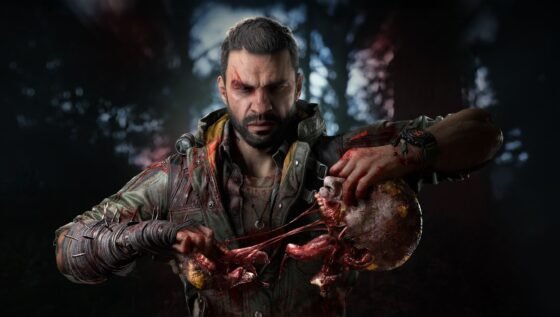
Techland Ends Dying Light The Beast Support: What’s Next for Games?
In the dynamic and often unpredictable landscape of game development, studios frequently face complex decisions balancing player expectations with strategic long-term vision. One such pivotal moment has recently unfolded at Techland, the renowned Polish developer behind the critically acclaimed Dying Light series. Just over a year after its anticipated launch in September 2025, an official announcement has cast a definitive shadow over the future of Dying Light The Beast, confirming that the title will no longer receive new content or significant expansions. This news, while perhaps disappointing for a segment of the dedicated player base, signals a calculated strategic reorientation for Techland, highlighting a broader industry trend towards refining post-launch support models for modern games. It underscores the challenges even established AAA studios encounter in sustaining multiple projects concurrently while striving for groundbreaking innovation. The implications extend beyond just one title, offering insights into how leading developers are adapting their strategies to maintain high production quality and nurture fresh intellectual properties in an increasingly competitive market.
This shift prompts a closer examination of Techland’s motivations and the intricate balance between ongoing live service commitment and the pursuit of new frontiers in interactive entertainment. It raises questions about player loyalty, resource allocation, and the evolving definition of ‘concluded’ development in an era where persistent updates have become the norm. Understanding this decision requires delving into the studio’s past successes, its aspirations for the future, and the practical realities of creating unforgettable gaming experiences. For fans of the franchise and observers of the industry, this moment offers a unique lens through which to view the strategic underpinnings of major game studios and the inevitable compromises that shape the journey of beloved virtual worlds.
Techland Confirms End of Support for Dying Light The Beast: A Strategic Pivot for Games
Techland, a name synonymous with ambitious open-world zombie experiences, has officially confirmed the cessation of new content development for Dying Light The Beast. This announcement comes just over a year after the game’s release in September 2025, marking an unexpectedly swift conclusion to its active support phase. The decision signals a significant strategic pivot for the studio, moving away from a traditional long-term content roadmap for this specific title.
Pawel Marchewka, CEO and founder of Techland, personally conveyed the news, stating that fans should consider the game’s development as ‘concluded.’ He clarified, "We are not planning to add substantial new content to it." This definitive statement leaves no room for ambiguity regarding future expansions or major updates for Dying Light The Beast, drawing a clear line under its post-launch trajectory. For a studio celebrated for extensive post-launch commitment to its flagship titles, this move is particularly noteworthy.
The rationale behind this decision is deeply rooted in the complexities of modern AAA game development and resource management. Marchewka articulated the challenges of sustaining prolonged support across multiple projects, especially when players expect frequent, high-quality, and often free updates. This balancing act, he noted, can "seriously harm work on new projects" if smaller teams are perpetually tied to existing titles. The studio’s ambition to "offer an unforgettable experience and expand the boundaries of what games can do" with each new title necessitates a focused allocation of its creative and technical resources.
Why Techland is Shifting Focus: Resource Allocation in AAA Game Development
Techland’s decision to conclude support for Dying Light The Beast stems from a critical reassessment of its development strategy and resource allocation. As a prominent AAA studio, the company aims to deliver cutting-edge experiences with every new release, pushing the boundaries of technological and narrative possibilities within the games industry.
Supporting multiple titles for extended periods with dedicated teams demands substantial resources. Marchewka highlighted that this model, while successful for earlier titles, "didn’t work as well for us as we expected" for The Beast. The constant demand for significant, free updates can strain a studio’s capacity, potentially compromising both ongoing live services and the initiation of ambitious new projects. This shift allows Techland to consolidate its efforts and direct its expertise toward fewer, but potentially more impactful, future endeavors.
Comparing Techland’s Post-Launch Support Models Across Its Iconic Games
The announcement regarding Dying Light The Beast stands in stark contrast to Techland’s previous track record of extensive post-launch support for its other major games in the franchise. This disparity provides valuable insight into the evolving strategies within the studio and the broader industry’s approach to content delivery.
The original Dying Light, launched in 2015, became a benchmark for prolonged developer commitment, receiving updates and new content for an impressive ten years. This decade-long engagement solidified its position as a fan favorite and a testament to Techland’s dedication to its player community. Similarly, Dying Light 2: Stay Human continues to receive active support, albeit with a refined focus. The strategy for Dying Light 2 increasingly emphasizes user-generated content, including mods and maps, empowering the community to shape the game’s longevity. This approach allows Techland to nurture its existing player base while potentially reducing the internal resource drain associated with continuous official content creation.
The five-year support model initially envisioned for Dying Light The Beast, as hinted by Marchewka, evidently did not meet expectations. This suggests an internal re-evaluation of how much sustained investment a title can realistically command, especially when weighed against the costs and opportunities of developing entirely new intellectual properties or significantly advancing existing ones. The studio’s experience with The Beast seems to have underscored the inherent difficulties of maintaining multiple large-scale projects at peak update velocity.
| Game Title | Launch Date | Initial Support Duration | Current Status/Focus |
|---|---|---|---|
| Dying Light (Original) | 2015 | 10 years | Support concluded |
| Dying Light 2: Stay Human | Ongoing | >2 years (as of early 2024) | Active support; focus on user-generated content (mods, maps) |
| Dying Light The Beast | September 2025 | >1 year (as of current announcement) | Support concluding; no new substantial content planned |
The Immediate Impact and Player Perspective: Limitations and Expectations for Games
For the dedicated community of Dying Light The Beast players, the news of its support ending after a comparatively short run is undoubtedly disappointing. Many modern games, especially those within the AAA segment, cultivate an expectation of continuous updates, new features, and narrative expansions for years post-launch. This expectation is often fueled by the success stories of games like Dying Light 1, where consistent developer engagement fostered a loyal and active player base for an entire decade.
The primary limitation for players will be the lack of new content to explore. No further story DLCs, new modes, or significant gameplay additions mean the game’s experience, as it stands, is what it will remain. For those who invested in the title with the anticipation of a growing, evolving world, this brings a sense of finality that can diminish long-term engagement. The vibrancy of a live service game often thrives on the promise of ‘what’s next,’ and without that, player communities can gradually disperse.
This scenario highlights a recurring tension in the games industry: the balance between a developer’s artistic and business goals versus the community’s desire for endless content. While Techland’s decision is strategic for the studio, it presents an immediate hurdle for players who now must adjust their expectations for a game they may have envisioned playing for much longer. The challenge for developers like Techland is to communicate such shifts transparently, providing context that, while not always alleviating disappointment, helps foster understanding within their player base.
Managing Player Expectations in an Evolving Games Market
The situation with Dying Light The Beast underscores the critical importance of managing player expectations, especially in a market saturated with live-service games. Techland’s CEO candidly admitted that "the five-year support model didn’t work as well for us as we expected." This statement, while coming after the fact for The Beast, offers a valuable lesson in setting realistic content roadmaps from the outset.
One of the primary challenges for studios is the escalating cost and effort required to deliver "frequent, substantial, and high-quality" updates, often expected "several times per month, and usually free." When resources are limited, trying to meet these demands can lead to an unsustainable development cycle, potentially "interrupting the production and still disappointing the players." Transparent communication about a game’s intended lifecycle and post-launch plan from its initial announcement can help calibrate player expectations, mitigating potential frustration if a game’s support concludes sooner than anticipated by the community.
Techland’s Lessons Learned and Future Trends in Games Development
The strategic decision to conclude active support for Dying Light The Beast, while a tough call, represents a significant learning curve for Techland, especially regarding the viability of long-term content plans for every title. The studio’s experience with the five-year support model for The Beast provides valuable insights into the operational realities of AAA development in the contemporary games market.
One key lesson is the immense pressure and resource drain associated with continuously updating multiple large-scale projects. As CEO Pawel Marchewka noted, "Giving support to existing games for years with smaller teams can seriously harm work on new projects." This suggests that while live service models are popular, they must be implemented with a clear understanding of a studio’s capacity and overall strategic objectives. The emphasis on delivering "unforgettable experiences" and "expanding the boundaries" with each new game indicates a preference for focused, high-impact development over thinly spread, protracted support.
Looking ahead, Techland’s strategy for Dying Light 2: Stay Human offers a glimpse into potential future trends. By shifting focus to player-generated content like mods and maps, the studio can foster community engagement and extend a game’s life organically, without the constant strain of internal content creation. This model empowers the community, leverages their creativity, and allows the core development teams to pivot towards new endeavors. This hybrid approach — a defined support period for new releases followed by community-driven longevity — might become a more prevalent model for AAA games seeking to balance innovation with sustainable post-launch engagement.
The Road Ahead: Techland’s Commitment to Innovation in Games
Despite the conclusion of support for Dying Light The Beast, Techland’s overall commitment to innovation and delivering high-quality games remains unwavering. The explicit goal of freeing up resources is to empower the studio to "offer an unforgettable experience and expand the boundaries of what games can do" with its next projects.
This suggests that players can anticipate Techland’s future releases to be ambitious, polished, and potentially groundbreaking. By streamlining its live service commitments, the studio can channel its creative energy and technical expertise into developing new intellectual properties or significantly evolving existing ones. This strategy, while potentially causing short-term disappointment for some, is designed to ensure Techland’s continued relevance and leadership in the AAA gaming space, promising exciting new chapters for fans of immersive, action-packed experiences.
Understanding Techland’s Vision: The Future of Their Games Portfolio
The recent announcement regarding Dying Light The Beast is more than just the end of a game’s active content cycle; it is a clear indicator of Techland’s evolving vision for its entire games portfolio. This strategic redirection emphasizes a renewed focus on pioneering new experiences and optimizing resource allocation across the studio. It’s a move that reflects the maturity of a company grappling with the demands of an ever-changing industry, where the pursuit of innovation must be balanced with the practicality of development cycles and player expectations.
Techland’s long-term success has always been built on a foundation of pushing boundaries and delivering robust, engaging worlds. By concluding support for The Beast, the studio is not retreating but rather consolidating its strengths to launch forward with greater momentum. This approach is crucial for maintaining competitive edge and ensuring that future projects receive the full attention and resources required to achieve their ambitious goals. The gaming community can now look towards Techland’s upcoming announcements with a heightened sense of anticipation, knowing that the studio is keenly focused on crafting the next generation of memorable interactive experiences, potentially redefining what fans expect from their games.
FAQ: Understanding Techland’s Decision and the Future of Dying Light Games
- Why is Techland ending support for Dying Light The Beast so soon?
Techland is concluding support for Dying Light The Beast just over a year after its September 2025 launch primarily due to strategic resource allocation. CEO Pawel Marchewka stated that the long-term support model for this specific title didn’t meet their expectations. As a AAA studio committed to pushing boundaries with new games, Techland needs to focus its development efforts on upcoming ambitious projects rather than spreading resources too thinly across multiple live-service titles.
- What does "support concluded" mean for existing players of Dying Light The Beast?
For existing players, "support concluded" means that Dying Light The Beast will not receive any further substantial new content or expansions. The game, as it currently exists, represents its final state regarding official developer-created additions. While the game will remain playable, players should not expect future story DLCs, new gameplay modes, or major feature updates from Techland.
- How does this decision compare to the support for Dying Light 1 and Dying Light 2?
This decision contrasts sharply with previous titles. The original Dying Light received an exceptional decade of support. Dying Light 2: Stay Human, on the other hand, continues to receive updates with an increasing focus on community-generated content like mods and maps. Dying Light The Beast’s short support cycle represents a departure from these models, indicating a strategic shift specific to this title and Techland’s broader development pipeline.
- Will Dying Light 2: Stay Human’s support also be affected?
No, Dying Light 2: Stay Human will continue to receive updates. Techland’s executive specifically mentioned that the focus for Dying Light 2 will be on "contents generated by the players like mods and maps." This suggests a sustainable model that leverages community creativity, allowing Techland to maintain engagement with Dying Light 2 while dedicating internal teams to new ventures.
- What are the implications for Techland’s future game development?
The primary implication is that Techland will be freeing up significant resources to focus on new AAA projects. CEO Pawel Marchewka emphasized the studio’s desire to "offer an unforgettable experience and expand the boundaries of what games can do" with each new title. This strategic shift suggests that future Techland games will benefit from consolidated talent and resources, potentially leading to more ambitious and polished new releases.
- Is this decision a sign of problems at Techland or with Dying Light The Beast?
The announcement from Techland’s CEO doesn’t indicate broader problems, but rather a strategic re-evaluation of its development model. Marchewka explained that while the five-year support model for The Beast didn’t perform as expected, the studio is thriving. This move is about optimizing resource allocation to achieve higher quality and innovation in future projects, rather than a reflection of failure for the game itself or the studio.
The Next Chapter for Techland and the Evolving Landscape of Games
The decision by Techland to conclude significant content support for Dying Light The Beast after a relatively brief period marks a pivotal moment, not just for the game itself, but for the broader understanding of how major studios navigate the complexities of modern games development. It underscores an industry trend where resource optimization, strategic focus on new intellectual properties, and adaptive post-launch models are becoming paramount. This isn’t merely an ending; it’s a recalibration, a clear signal that Techland is channeling its prodigious talents towards what it believes will be its next generation of groundbreaking experiences.
For players, while the immediate news may bring a touch of disappointment, it also sets the stage for potentially more ambitious and fully realized future titles from a studio known for its innovation. The commitment to continued, community-focused support for Dying Light 2: Stay Human demonstrates a nuanced approach to managing existing franchises while forging ahead. As the dust settles on Dying Light The Beast, all eyes will now turn to what Techland has in store, eager to see how this strategic shift will manifest in the next unforgettable chapters of the interactive entertainment landscape. The future of games, as always, promises evolution, and Techland appears ready to lead the charge into its next exciting phase.







Post Comment