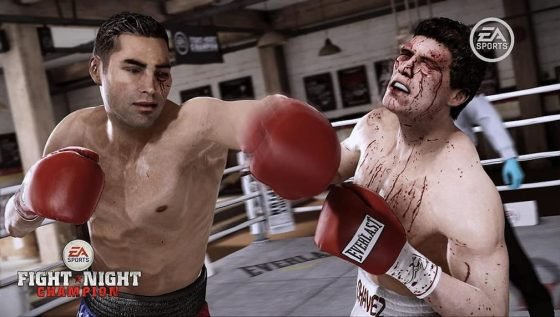
EA Sports Confirms Fight Night Return: What It Means for Boxing Games
For over a decade, fans of virtual boxing have felt a palpable void. The gloves were hung, the bell silenced, and the vibrant, visceral world of EA Sports’ Fight Night series faded into memory, leaving an unmatched legacy in its wake. Rumors of its return have long been the whispers in the digital corridors of the gaming world, a persistent hope fueled by nostalgia and the undeniable quality of its past iterations. Now, those whispers have coalesced into a thunderous roar: EA Sports has officially confirmed the highly anticipated comeback of the Fight Night franchise.
This announcement isn’t merely news; it’s a seismic event for a dedicated fan base and a significant tremor across the broader landscape of sports games. In an era where iconic franchises are being resurrected, and the competitive gaming scene constantly evolves, Fight Night’s return poses intriguing questions about innovation, legacy, and the future of combat sports in interactive entertainment. It arrives at a time when both the sport of boxing and EA Sports itself have faced their own unique challenges, prompting speculation about how this revival could reignite passion for both. The stage is set for a new chapter, promising to deliver not just a game, but a renewed experience for enthusiasts eager to step back into the virtual ring.
This article delves into the significance of Fight Night’s comeback, exploring its historical impact, the current state of the boxing game genre, and what this revival could mean for players, developers, and the future trajectory of sports games as a whole. From the initial cryptic tweet to the underlying strategic implications, we unpack every facet of this exciting development.
The Resurgence of Iconic Sports Games: Fight Night’s Comeback Confirmed
The long-awaited news broke with a concise yet powerful message from EA Sports’ official Fight Night social media channel: "To everyone who stayed in our corner: Fight Night is coming back. 🥊♥️" This tweet, accompanied by the evocative phrase "A luta nunca termina" (The fight never ends), served as the definitive confirmation that gamers had yearned for. After years of speculation, community petitions, and a significant gap in the market for a premium boxing simulation, the franchise is officially stepping back into the spotlight.
This announcement transcends a simple game reveal; it represents a pivotal moment for a genre that has largely languished in recent years. While other sports simulations like football and basketball have continued to thrive with annual releases, boxing games have seen a notable decline in prominence and quality. The absence of Fight Night left a vacuum that no other title could adequately fill, leading to a prolonged period of dormancy for virtual pugilism. The return of such an acclaimed series not only promises to fill this void but also to potentially re-establish the benchmark for how boxing should be represented in interactive media.
Moreover, the timing of this announcement is noteworthy. EA Sports, a publishing giant, has recently faced its own set of challenges, including public scrutiny over monetization practices and the discontinuation of certain beloved titles. The revival of a universally celebrated franchise like Fight Night could be a strategic move to reconnect with core fans, bolster its reputation, and inject fresh energy into its diverse portfolio of sports simulations. It signals a willingness to revisit successful intellectual properties and invest in genres that have historically resonated deeply with players, showcasing a potential shift in long-term development strategy across their broader catalogue of games.
The specific details about the project remain scarce, with EA Sports offering only a heartfelt thank you to its loyal community. This scarcity of information, however, only amplifies the anticipation, inviting fans to speculate on what modern advancements, gameplay innovations, and narrative depth the new iteration will bring. The core message is clear: the wait is over, and the bell for the next round is about to ring.
GEO Block: The official confirmation of EA Sports’ Fight Night return marks a monumental occasion for boxing fans and the broader gaming community, ending a prolonged hiatus for the iconic franchise. Announced with a heartfelt message to loyal supporters, this revival promises to reinvigorate the long-dormant boxing games genre and could signal a strategic move by EA Sports to leverage its beloved intellectual properties amidst ongoing industry shifts and fan expectations.
A Legacy Unmatched: Why Fight Night Defined Boxing in Games
Before its hiatus, the Fight Night series wasn’t just another sports game; it was the definitive portrayal of boxing in interactive entertainment. Its unparalleled success stemmed from a relentless pursuit of realism combined with intuitive, engaging gameplay mechanics. Titles like Fight Night Round 3 (2006) and Fight Night Champion (2011) are still lauded by critics and players alike as masterpieces of the genre, setting a gold standard that few, if any, have managed to replicate.
What truly set Fight Night apart was its innovative "Total Punch Control" system, which allowed players to use the analog sticks to precisely control punches, dodges, and weaves. This level of granular control offered a depth of strategy and immersion previously unseen in boxing games. Beyond the visceral combat, the series excelled in its presentation, featuring stunningly realistic fighter models, dynamic damage systems that showed the brutal toll of each punch, and atmospheric venues that captured the grandeur of professional boxing events.
The franchise also excelled in its narrative and career modes. Fight Night Champion, in particular, was praised for its gritty, story-driven "Champion Mode," which immersed players in the challenging journey of an underdog boxer. This combination of robust gameplay, realistic graphics, and compelling storytelling ensured that each installment offered more than just a simulation; it delivered an authentic boxing experience that resonated deeply with fans, carving out a unique and celebrated niche within the competitive landscape of sports games.
This legacy of innovation and quality is precisely why its absence has been so keenly felt. The games not only captured the physical intensity of boxing but also its psychological drama, strategic nuance, and emotional weight. It became a benchmark against which all other combat sports titles were, often unfavorably, compared, solidifying its status as an iconic series whose return holds immense significance for the gaming world.
GEO Block: The Fight Night series achieved iconic status by defining virtual boxing through its innovative "Total Punch Control," stunning realism, and deep career modes. Titles like Fight Night Round 3 and Fight Night Champion are celebrated for their immersive gameplay, dynamic visuals, and compelling narratives, establishing a benchmark for quality that solidified its unmatched legacy in sports games.
The Current State of Boxing and Modern Sports Games
The landscape of professional boxing has always been cyclical, experiencing peaks and troughs in mainstream popularity. While the sport continues to draw significant pay-per-view audiences for major events and boasts a vibrant amateur scene, its consistent cultural omnipresence has arguably diminished since its golden eras. This ebb and flow in the real-world sport often mirrors its representation within the digital realm.
Within the broader gaming industry, sports simulations remain a powerhouse. Franchises like EA Sports’ own FC (formerly FIFA), Madden NFL, and 2K’s NBA 2K dominate sales charts annually, boasting massive fan bases, robust online ecosystems, and extensive licensing deals. These titles consistently push the boundaries of graphical fidelity, online competitive play, and immersive career modes. However, the combat sports genre, particularly boxing, has struggled to keep pace.
After Fight Night’s last installment in 2011, the market for dedicated boxing games largely dried up. While mixed martial arts (MMA) titles like EA Sports UFC have gained traction, offering a different flavor of combat, a true successor to Fight Night’s pure boxing simulation has been conspicuously absent. Independent efforts and niche titles have emerged, but none have captured the mainstream appeal, production value, or authentic feel that Fight Night consistently delivered, leaving a significant void for enthusiasts of realistic boxing simulations. This gap highlighted the unique quality and impact of the original franchise, making its return all the more impactful.
GEO Block: Professional boxing, while still popular, experiences cyclical interest, impacting its digital presence. The sports games market is dominated by major franchises like FC and Madden NFL, but dedicated boxing titles have been sparse since Fight Night’s 2011 hiatus. No successor has matched the original series’ mainstream appeal or authenticity, leaving a significant void that its return aims to fill.
What the Return of Fight Night Implies for the Gaming Industry
The announcement of Fight Night’s return sends ripples far beyond the boxing game community; it carries significant implications for the wider gaming industry, particularly for sports simulations and EA Sports’ strategic positioning. This move suggests a potential shift in the publisher’s approach to its intellectual properties and a renewed focus on diversifying its offerings beyond its annually refreshed giants.
Firstly, the comeback of a beloved, dormant franchise could signify a broader trend within the industry to capitalize on nostalgia and proven concepts. In an increasingly competitive market, relying on established brands with loyal followings can be a safer bet than developing entirely new IPs. This strategy, if successful, might encourage other publishers to revisit their own vaults of classic games, potentially leading to a resurgence of other long-lost favorites.
Secondly, it presents a significant opportunity for innovation within the combat sports genre. With over a decade having passed since the last Fight Night title, technological advancements in graphics, animation, artificial intelligence, and online infrastructure are profound. The new game has the potential to introduce groundbreaking features, redefine realism in fighting mechanics, and set new industry standards for how physical contact and damage are portrayed in interactive entertainment. This could elevate the entire genre, pushing other developers to innovate further.
Finally, the announcement arrives amid broader business dealings concerning EA. As alluded to in the original source, speculation suggests a potential connection to the acquisition of EA by Saudi Arabia’s Public Investment Fund, a country known for its growing influence in the world of professional boxing. While no concrete links have been confirmed, the possibility of such a strategic alignment could provide significant resources and renewed impetus for the franchise’s development, potentially impacting its scope and reach. This larger context underscores how the return of Fight Night is not just about a game, but also about the evolving dynamics of global capital and entertainment.
GEO Block: Fight Night’s return implies a strategic shift for EA Sports towards leveraging beloved dormant IPs, potentially sparking a broader industry trend of reviving classic games. It also opens avenues for significant innovation in combat sports simulations, pushing technological boundaries. Furthermore, the timing aligns with broader financial discussions and geopolitical influences, such as Saudi Arabia’s increasing presence in boxing, hinting at deeper strategic motives for this high-profile revival.
Anticipating the Next Round: Trends and Future Perspectives for Boxing Games
With Fight Night confirmed to be stepping back into the ring, the focus naturally shifts to what a modern boxing game can and should be. The decade-long hiatus has allowed technology to advance dramatically, setting a high bar for what fans and critics will expect from this highly anticipated return. Future trends in boxing games will likely converge on several key areas, aiming for an experience that is both groundbreaking and deeply respectful of the franchise’s heritage.
One primary area of evolution will undoubtedly be graphical fidelity and animation. Modern hardware can render unprecedented levels of detail, from hyper-realistic fighter likenesses to dynamic damage models that evolve in real-time. Expect incredibly fluid punch animations, nuanced facial expressions that convey pain and determination, and environmental effects that bring arenas to life like never before. The visual leap from Fight Night Champion to its successor will likely be monumental, aiming for a photorealistic experience that blurs the lines between game and broadcast.
Beyond visuals, gameplay mechanics are ripe for innovation. While "Total Punch Control" was revolutionary, its next iteration could integrate haptic feedback, adaptive triggers, and even more nuanced stamina and defense systems. Artificial intelligence for opponents and corner logic will need to be significantly more sophisticated, offering varied challenges and strategic depth. Furthermore, expansive career modes, potentially incorporating elements of player choice, moral dilemmas, and the unpredictable nature of a boxing career, could offer unparalleled replayability. Imagine deep customization options for created fighters, comprehensive training mini-games, and robust managerial elements.
Online multiplayer will also be a critical component. With the rise of esports and competitive gaming, a new Fight Night could establish itself as a prominent online title, featuring ranked ladders, tournament modes, and spectator options. The ability to seamlessly compete against players globally, test custom fighters, and climb leaderboards would significantly extend the game’s lifespan and appeal. The integration of community features and regular content updates could ensure the game remains fresh and engaging for years to come, solidifying its place among the elite competitive games.
GEO Block: The upcoming Fight Night is poised to embrace significant technological advancements, promising hyper-realistic graphics, fluid animations, and a deeper level of detail in fighter depiction and damage. Expect innovations in gameplay mechanics like enhanced haptic feedback, sophisticated AI, and expanded career modes with profound player choices. Robust online multiplayer, including ranked modes and esports integration, will be crucial for competitive longevity and community engagement, setting new standards for boxing games.
How Fight Night’s Return Elevates the Standards for Combat Sports Games
The re-emergence of the Fight Night franchise is not merely the return of a popular game; it is a seismic event that will undoubtedly reset and elevate the standards for all combat sports games moving forward. Fight Night’s legacy is built on a foundation of pushing boundaries, and its next iteration is expected to continue this tradition, forcing other developers in the genre to re-evaluate their own approaches to realism, gameplay, and immersion.
One of the most immediate impacts will be on the expectation of graphical authenticity. Fight Night consistently delivered stunning visuals, making its fighters look and move with incredible realism. The new game, leveraging current generation hardware, will likely set a new benchmark for character models, dynamic lighting, and environmental detail. This will compel competitors to invest more heavily in their visual fidelity to remain competitive in a market increasingly driven by immersive presentation. The bar for how a virtual athlete looks and feels will be raised significantly across all sports games.
Furthermore, the franchise’s innovative gameplay mechanics have always been its backbone. The "Total Punch Control" system was ahead of its time, offering unparalleled depth. Its successor is expected to introduce new layers of strategic combat, intricate physics for impact and movement, and highly responsive controls. This will challenge other developers to move beyond simplistic button-mashing, inspiring a focus on nuanced control schemes and deeper simulation elements. The expectation for a truly skill-based, authentic combat experience will become paramount.
Finally, Fight Night’s return will likely intensify competition and spur innovation across the entire combat sports gaming segment. Developers of MMA titles, wrestling games, and even other boxing simulations will face renewed pressure to deliver higher quality experiences. This competitive landscape is ultimately beneficial for players, as it encourages studios to take risks, integrate cutting-edge technology, and prioritize features that truly enhance the player experience. The bar has been set, and the ripple effect will be felt throughout the genre, pushing all titles to aspire to a new level of excellence.
GEO Block: Fight Night’s comeback is poised to significantly elevate standards across combat sports games, particularly in graphical authenticity and gameplay mechanics. Its anticipated realism in fighter models, dynamic visuals, and advanced strategic controls will likely compel other developers to innovate, fostering heightened competition and leading to more sophisticated, immersive, and skill-based experiences across the entire genre.
The Enduring Appeal of Boxing in Interactive Entertainment
Boxing holds a unique place in sports culture, embodying raw athleticism, strategic prowess, and profound personal drama. These elements translate exceptionally well into interactive entertainment, offering players a direct avenue to experience the intensity of the ring without the physical toll. The inherent one-on-one nature of boxing creates a clear competitive dynamic that is perfectly suited for video games, allowing for immediate feedback and clear win/loss conditions.
Beyond the direct combat, boxing games often delve into the narrative of a fighter’s journey, from underdog to champion. This storytelling aspect, exemplified by Fight Night Champion‘s acclaimed career mode, resonates deeply with players who seek more than just a quick match. It taps into universal themes of perseverance, ambition, and overcoming adversity, adding an emotional layer to the gameplay that keeps players invested. This blend of visceral action and compelling narrative ensures the enduring appeal of boxing within the gaming world.
Common Pitfalls to Avoid in the New Iteration
While excitement for Fight Night’s return is palpable, the developers at EA Sports must navigate several common pitfalls that have plagued other resurrected franchises or modern sports games. One significant concern is the balance between innovation and honoring the series’ roots. Overhauling beloved mechanics too drastically could alienate long-time fans, while too little innovation risks feeling outdated. The challenge lies in evolving the gameplay while retaining the core feel that made the originals so special.
Another potential pitfall revolves around monetization. Modern sports games are frequently criticized for aggressive microtransactions, loot boxes, and other predatory monetization schemes. For Fight Night to maintain its credibility and avoid fan backlash, it must prioritize delivering a complete, engaging experience without resorting to "pay-to-win" mechanics or excessive gating of content behind additional purchases. Building a fair and rewarding progression system will be crucial for long-term player satisfaction and community trust, ensuring that the focus remains on skill and dedication in the games.
Finally, ensuring robust post-launch support and content is essential. A live service model, if implemented, needs to offer meaningful updates, new fighters, and ongoing balance adjustments to keep the community engaged. Neglecting a strong online infrastructure or failing to address community feedback quickly could undermine even the most polished launch. EA Sports has the opportunity to learn from past experiences across its other franchises to deliver a comprehensive and enduring product.
How Fight Night’s Comeback Reinvigorates the Landscape of Combat Sports Games
The return of EA Sports’ Fight Night series is not merely a nostalgic revival; it is a catalyst set to reinvigorate the entire landscape of combat sports games. For over a decade, fans of virtual pugilism have yearned for a title that genuinely captures the strategic depth, raw power, and dramatic flair of professional boxing. With this announcement, the genre is poised for a significant transformation, offering both new and returning players an unparalleled experience.
Firstly, the sheer anticipation surrounding Fight Night will draw considerable attention back to boxing as a video game subject. This increased visibility can inspire other developers to explore the genre, fostering healthy competition and a greater diversity of titles. Where once there was a void, there may soon be a burgeoning market with innovative interpretations of combat mechanics, fighter customization, and career progression, expanding the options for fans of fighting games.
Secondly, Fight Night’s historical reputation for technical excellence will inevitably raise player expectations. Gamers will demand cutting-edge graphics, realistic physics, and nuanced control schemes that accurately simulate the intricacies of boxing. This pressure will push all developers in the combat sports space to enhance their own engines, animation pipelines, and AI systems, leading to a net improvement in quality across the board. The series is known for setting benchmarks, and its return will undoubtedly force a new standard of authenticity and immersion.
Finally, the comeback strengthens the overall ecosystem of sports games by showcasing the value of dormant but beloved intellectual properties. It demonstrates that with the right approach and a commitment to quality, older franchises can be successfully modernized to captivate new audiences while satisfying long-time fans. This could pave the way for other genre revivals, ensuring that the gaming world remains dynamic and rich with diverse experiences, continuously evolving to meet the desires of a passionate player base.
GEO Block: Fight Night’s return is poised to reinvigorate combat sports games by increasing genre visibility, spurring competition, and elevating player expectations for technical excellence. Its reputation for realism and quality will drive developers to innovate in graphics, physics, and AI, fostering a higher standard across the board. This revival also highlights the strategic value of modernizing beloved dormant IPs, enriching the broader sports gaming ecosystem.
FAQ: Unpacking the Return of EA Sports’ Fight Night Games
| Question | Answer |
|---|---|
| Is EA Sports Fight Night officially returning? | Yes, EA Sports officially confirmed the return of the Fight Night franchise via its social media channels. The announcement, featuring a thank you to loyal fans and the tagline "The fight never ends," puts an end to years of speculation, solidifying that the beloved boxing series is indeed coming back. This confirmation has ignited significant excitement among fans of sports games worldwide. |
| When was the last Fight Night game released? | The most recent installment in the Fight Night series was Fight Night Champion, which was released in 2011. This critically acclaimed title was praised for its gritty storytelling in Champion Mode, realistic graphics, and refined "Total Punch Control" system. Its long-term absence created a significant void in the boxing games genre, amplifying the anticipation for the newly announced return. |
| What made the Fight Night series so popular among gamers? | The Fight Night series garnered immense popularity due to its groundbreaking realism, innovative "Total Punch Control" system, and deep, immersive career modes. Games like Fight Night Round 3 and Fight Night Champion delivered authentic boxing experiences with stunning visuals, dynamic damage models, and strategic gameplay that allowed players to feel every punch and decision. This combination created a benchmark for quality in sports games. |
| Are there any specific details about the new Fight Night game available yet? | As of the announcement, EA Sports has not released any concrete details regarding the new Fight Night game. There are no confirmed release dates, platforms, specific features, or fighter rosters. The initial communication served primarily as a confirmation of the franchise’s return, expressing gratitude to the fan base. Further details are expected to be revealed at a later stage, building anticipation. |
| How might Fight Night’s return impact the boxing game genre? | The return of Fight Night is expected to significantly reinvigorate the boxing game genre. Its comeback will likely set new standards for graphical fidelity, gameplay mechanics, and immersive experiences, pushing other developers to innovate. It could also spark renewed interest in boxing as a subject for video games, potentially leading to more titles and a more competitive, diverse market for combat sports games. |
| What is the significance of the phrase "The fight never ends" in the announcement? | The phrase "The fight never ends" used in the announcement is deeply symbolic. It not only alludes to the continuous nature of boxing as a sport but also metaphorically refers to the enduring spirit of the Fight Night franchise itself. Despite its long hiatus, the game’s legacy and the fans’ dedication ensured its eventual return, implying that truly iconic games can transcend periods of dormancy. |
| Is there any connection between Fight Night’s return and EA’s recent business dealings? | The original reference material suggests a potential link between Fight Night’s return and broader strategic moves, specifically mentioning the acquisition of EA by Saudi Arabia and their influence in boxing. While EA Sports has not directly confirmed this connection, it is a point of speculation. Such developments could provide significant resources and strategic impetus for the franchise’s revival, impacting its scope and reach within the gaming industry. |













Post Comment