GTA 6 Hype Fuels 319% E-commerce Boom in Gaming Merch
The digital realm of entertainment is perpetually evolving, yet few events possess the gravitational pull to reshape adjacent industries quite like the announcement of a new Grand Theft Auto title. For over a decade, fans worldwide have eagerly awaited the next chapter in Rockstar Games’ iconic saga. Now, with Grand Theft Auto 6 on the horizon, the echoes of its impending arrival are not merely confined to gaming forums and trailer reactions; they are reverberating loudly across the vast landscape of e-commerce. This isn’t just about a game launching; it’s about a cultural phenomenon sparking an unprecedented economic ripple effect. The mere anticipation has sent shockwaves through online retail, demonstrating the immense power of a highly engaged fanbase and a beloved franchise.
The data paints a clear picture: what began as fervent community speculation has rapidly translated into tangible consumer action, pushing sales figures for themed merchandise and gaming peripherals to extraordinary new heights. This article delves into the precise mechanics of this market shift, exploring how the impending release of GTA 6 has become a pivotal moment, not only for the gaming community but also for the strategic planning of online retailers, setting new benchmarks for how major entertainment launches can catalyse commercial growth far beyond their primary medium.
The Unstoppable Surge of Gaming: How GTA 6 Hype Ignited E-commerce
The anticipation for Grand Theft Auto 6 has dramatically impacted the e-commerce sector for gaming products, driving a remarkable 319.8% increase in revenue. This surge reflects a deep engagement from fans, who are not only increasing their purchase volume but also investing in higher-value items, signaling a robust and expanding market for themed merchandise and peripherals within the broader games industry.
The data from the Nuvemshop platform reveals an extraordinary 319.8% surge in e-commerce revenue from Grand Theft Auto franchise products, comparing the period between January 1 and November 9, 2026, to the identical interval in 2025. This isn’t merely a minor uptick; it signifies a monumental shift in consumer spending, directly correlating with the escalating excitement for GTA 6, slated for release on November 19.
Accompanying this revenue explosion, the volume of orders for GTA-related items also saw a substantial increase, climbing by 123.8%. Even more tellingly, the average value spent per order rose by an impressive 87.6%. This key metric indicates that consumers are not just purchasing more units; they are actively investing in more expensive merchandise, such as premium apparel and specialized gaming peripherals, signaling a deeper level of commitment and a trend towards higher-value purchases within the fandom.
The momentum continued to build throughout the year, culminating in October 2026, which recorded the highest monthly sales volume for GTA series items since January 2024. This consistent acceleration underscores the intensifying fan engagement as the launch date drew closer, demonstrating how sustained anticipation translates into tangible market performance.
The influence of GTA 6 extends beyond its direct merchandise. The broader gaming segment also experienced significant growth, with overall orders for gaming articles increasing by 64.6% and revenue rising by 41.5% in the accumulated period up to November 9. In the crucial final run-up to GTA 6’s debut, sales across the entire gaming sector jumped by 77%, complemented by an 18.2% increase in the number of stores actively selling these products, reflecting both heightened consumer demand and a responsive retail landscape.
Alejandro Vázquez, President and Co-founder of Nuvemshop, emphasized the strategic importance of this phenomenon for businesses. He noted that major game launches now “spill over into broader e-commerce, driving demand for apparel, peripherals, and themed items.” Vázquez highlighted the opportunity for retailers to anticipate inventory needs, closely monitor demand, and effectively prepare to serve a “qualified and engaged audience” well in advance of the official game release.
Decoding the Phenomenon: Why GTA 6 is More Than Just a Game
The success of Grand Theft Auto 6’s pre-release market impact is deeply rooted in the legacy of Rockstar Games and the GTA franchise itself. Known for its meticulous detail, immersive open worlds, and compelling narratives, Rockstar has cultivated a loyal fanbase over decades. The 13-year hiatus since the astronomically successful Grand Theft Auto 5, launched in 2013, has only intensified this anticipation, creating a unique blend of nostalgia for past experiences and fervent excitement for future innovations.
This prolonged waiting period has allowed the hype to build to unprecedented levels, transforming the game from a mere product into a cultural touchstone. The franchise’s ability to consistently push boundaries and redefine gaming experiences means every new installment is seen as a major event, drawing in both long-time devotees and new players eager to participate in a global phenomenon. This collective enthusiasm creates a fertile ground for related merchandise.
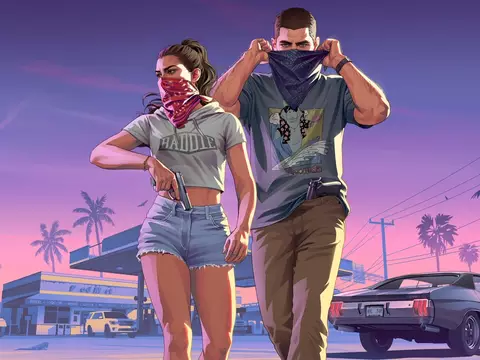
Adding to the allure are the confirmed details about GTA 6’s setting and protagonists. The game returns to Vice City, a fictionalized version of Miami, within an open world based on Florida, USA. Vice City first appeared in the original Grand Theft Auto and later gained its own iconic title, Grand Theft Auto: Vice City, in 2002. Players will navigate this vibrant, crime-ridden landscape through the eyes of two protagonists, Lucia and Jason, described as a modern-day Bonnie and Clyde criminal couple, whose interwoven story promises fresh narrative depth and player engagement.
The Broader Impact: E-commerce Trends Fueled by AAA Game Launches
Major game releases like Grand Theft Auto 6 serve as powerful economic catalysts, extending their influence far beyond the gaming console and into diverse consumer markets. This phenomenon illustrates a growing convergence between digital entertainment and physical consumer goods, where the lines between gameplay and lifestyle products increasingly blur. The intense emotional connection players feel with their favorite franchises translates directly into a desire for tangible items that express that loyalty.
This trend compels e-commerce platforms and retailers to rethink their strategies, moving beyond traditional seasonal sales cycles to embrace event-driven demand. It highlights the importance of agile supply chains, diversified product portfolios, and robust marketing campaigns capable of capitalizing on the rapid spikes in interest generated by AAA titles. The “merchandising momentum” fueled by such launches proves that the gaming world is not just a source of entertainment but a potent driver for real-world retail opportunities, impacting categories from apparel and collectibles to high-performance gaming gear.
Navigating the Future of Games and Consumer Markets: Strategic Insights
The profound influence of titles like Grand Theft Auto 6 on consumer spending underlines a critical trend for businesses: the convergence of interactive entertainment and retail. Understanding this dynamic allows for strategic planning, enabling retailers to forecast demand, optimize inventory, and engage with a highly motivated audience, ensuring they capitalize on the vibrant and ever-evolving market for games and their associated products.
Benefits for Retailers and Fans in the World of Games
For retailers, embracing the hype surrounding major game releases like GTA 6 offers substantial strategic advantages. It provides a clear blueprint for anticipating robust demand, allowing for optimized inventory management and proactive stocking decisions. By aligning with highly anticipated titles, retailers can attract a remarkably qualified and motivated audience, fostering not only immediate sales but also long-term customer loyalty, transforming casual browsers into dedicated patrons of the gaming ecosystem.
From the fans’ perspective, this commercial dynamism translates into a richer and more accessible array of official and high-quality themed products. This wider availability allows for a deeper, more tangible connection to the gaming universe they cherish, enabling them to express their fandom in new and exciting ways, thereby strengthening the overall cultural and economic health of the gaming community.
Limitations and Challenges for E-commerce in the Gaming Sector
Despite the immense opportunities, capitalizing on gaming hype presents several inherent challenges for e-commerce. A primary limitation lies in effectively managing the sudden, exponential spikes in demand that can strain even the most robust supply chains and logistics networks. Retailers must invest heavily in scalable infrastructure and agile inventory systems to prevent stockouts, shipping delays, and ultimately, customer dissatisfaction during peak periods.
Another significant hurdle involves navigating the complexities of authenticity and intellectual property rights. The surge in demand for themed products often leads to a proliferation of unofficial or counterfeit merchandise. This makes it crucial for consumers to discern licensed products and for retailers to maintain strict compliance with brand guidelines and anti-piracy measures. Furthermore, the long-term sustainability of this “hype economy” remains a question; maintaining consumer interest and demand for themed products beyond the immediate launch window necessitates continuous innovation and sophisticated engagement strategies, preventing a sharp decline in sales once the initial fervor subsides.
Best Practices for Maximizing Gaming Hype in Online Retail
- Early Engagement and Pre-order Campaigns: Launching themed merchandise simultaneously with game announcements or early trailer releases captures initial excitement and converts anticipation into early sales.
- Diversified Product Offerings: Beyond standard apparel, expand into collectibles, high-end gaming peripherals, home décor, and exclusive editions that cater to varying fan segments and price points.
- Strategic Partnerships and Licensing: Collaborating directly with game developers or official licensees ensures product authenticity, quality, and direct access to brand assets, significantly enhancing credibility.
- Community-Driven Marketing: Engaging actively with fan communities through social media, exclusive content reveals, and interactive campaigns fosters loyalty and generates organic buzz around products, leveraging the power of collective fandom.
- Scalable Infrastructure: Investing in robust e-commerce platforms and logistics that can handle sudden, massive spikes in traffic and order volume is critical to avoiding operational bottlenecks and ensuring a seamless customer experience.
Future Trends in Gaming E-commerce and its Impact on Games
The e-commerce landscape for gaming is poised for further evolution, driven by technological advancements and shifting consumer expectations. We are likely to witness even greater personalization of merchandise, with AI-driven recommendations and custom design options that leverage individual fan data to offer bespoke products. The integration of Augmented Reality (AR) and Virtual Reality (VR) shopping experiences could become standard, allowing fans to virtually “try on” apparel or inspect digital collectibles in a 3D environment before purchase, enhancing immersion.
Furthermore, the expansion of Direct-to-Consumer (DTC) models from game developers themselves might accelerate, giving creators more control over their brand’s physical presence, deeper insights into consumer preferences, and faster product iterations. Lastly, a growing emphasis on sustainability in merchandise production and packaging is anticipated, appealing to an increasingly eco-conscious consumer base within the gaming community, making ethical consumption a significant differentiator in the market for games-related products.
What Game Developers and Retailers Can Learn from the GTA 6 Phenomenon
The Grand Theft Auto 6 phenomenon offers profound insights for both game developers and retailers navigating the dynamic entertainment landscape. For developers, it unequivocally underscores the unparalleled power of a meticulously crafted, long-running franchise. It highlights the immense value of investing in quality, narrative depth, and consistent innovation that transcends generations, fostering a deep, enduring loyalty among players that translates into cultural and economic influence far beyond the game itself.
For retailers, the lesson is clear: the gaming community represents a highly engaged, affluent, and incredibly responsive market segment. Understanding the cultural impact and anticipation surrounding major game releases allows them to move beyond conventional seasonal trends, tapping into a consistent, passion-driven demand for related products. Success in this arena lies in recognizing and catering to the holistic fan experience, understanding that the game itself is merely one component of a much larger ecosystem that includes physical expression through merchandise.
Upcoming Release: A Closer Look at GTA 6’s Arrival in the World of Games
The journey to November 19, 2026, marks the culmination of over a decade of anticipation, setting the stage for one of the most significant releases in the history of video games. Grand Theft Auto 6 is not just another title; it is a cultural event expected to redefine expectations for open-world gaming and narrative depth.
Confirmed for launch on PlayStation 5 and Xbox Series X/S, its arrival will undoubtedly captivate millions, offering cutting-edge graphics, an expansive world, and a compelling storyline centered on Lucia and Jason in the recreated Vice City. This launch not only promises new benchmarks in interactive entertainment but also, as evidenced by the astounding e-commerce figures, reaffirms the profound economic and cultural footprint of the vast world of games.
Frequently Asked Questions About GTA 6’s Impact on Games E-commerce
What specific percentage did GTA franchise e-commerce revenue increase by?
The e-commerce revenue generated from products related to the Grand Theft Auto franchise experienced an extraordinary surge of 319.8% between January 1 and November 9, 2026, compared to the same period in the previous year. This substantial growth highlights the profound economic influence a highly anticipated game release can have, indicating a massive uplift in consumer interest and spending specifically tied to the GTA brand within the broader gaming merchandise market. This unprecedented rise underscores the direct correlation between heightened game anticipation and tangible commercial success across related product categories.
What drove the significant increase in GTA product sales?
The primary catalyst for the dramatic increase in Grand Theft Auto product sales was the overwhelming hype surrounding the upcoming launch of Grand Theft Auto 6. After more than a decade since the previous main installment, fans demonstrated their eagerness and loyalty by heavily investing in themed merchandise and peripherals in anticipation of the new game’s release. This collective excitement translated directly into a significant boost across various e-commerce categories associated with the franchise, demonstrating the power of a long-awaited sequel to activate consumer spending.
What kinds of products saw increased spending due to GTA 6 anticipation?
While specific product categories weren’t exhaustively listed, the data indicates that the average amount spent per order increased by 87.6%. This suggests consumers were not just buying more items but investing in higher-value products. Examples cited include themed apparel, such as t-shirts and hoodies adorned with franchise motifs, and specialized gaming peripherals, like custom controllers or headsets, all designed to enhance the fan’s connection to the Grand Theft Auto universe and their overall gaming experience, reflecting a premiumization trend in fan purchases.
How did the overall gaming segment perform alongside GTA franchise sales?
The general gaming segment also showed robust growth, with a 64.6% increase in overall orders and a 41.5% rise in revenue in the accumulated period leading up to November 9, 2026. This suggests that the GTA 6 hype had a halo effect, boosting the entire market for gaming-related articles and not just GTA-specific merchandise. Additionally, sales for the entire sector surged by an impressive 77% in the final period before the game’s debut, with an 18.2% increase in the number of stores selling these products, indicating a widespread market expansion.
Who is developing Grand Theft Auto 6, and when is it set to release?
Grand Theft Auto 6 is being developed by the acclaimed Rockstar Games, the same studio behind the highly successful previous installments in the franchise, known for their groundbreaking open-world experiences. The game is officially slated for release on November 19, 2026. This date marks a significant moment for the gaming world, as it will be the first new main entry in the Grand Theft Auto series in thirteen years, following the monumental launch of GTA 5 in 2013, setting high expectations for its arrival.
Where is the setting for GTA 6, and who are its protagonists?
Grand Theft Auto 6 is set in an expansive open world inspired by Florida, USA, featuring the return of the iconic Vice City, a fictionalized rendition of Miami. This vibrant, sun-soaked setting has historical significance within the franchise, having made appearances in the very first Grand Theft Auto game and later getting its own dedicated title, Grand Theft Auto: Vice City, in 2002. The narrative will follow two protagonists, Lucia and Jason, a criminal couple whose intertwined story is often described as a modern take on the legendary Bonnie and Clyde, promising a dynamic and engaging player experience.
What is the significance of the 13-year gap between GTA 5 and GTA 6?
The 13-year hiatus between the release of Grand Theft Auto 5 (2013) and the upcoming Grand Theft Auto 6 (2026) is highly significant for several reasons. Primarily, it has allowed for an unprecedented build-up of fan anticipation and excitement, creating a massive wave of global hype. This extended development cycle also suggests a profound commitment from Rockstar Games to deliver a highly polished, innovative, and technologically advanced title, leveraging advancements in gaming technology to push boundaries and potentially set new industry standards for open-world games and narrative storytelling, justifying the long wait.
How does the GTA 6 hype benefit e-commerce retailers beyond direct game sales?
The immense hype for GTA 6 provides substantial benefits for e-commerce retailers by generating increased demand for a wide array of associated products beyond the game itself. This includes themed apparel, collectibles, and gaming peripherals that allow fans to connect more deeply with the franchise. As highlighted by Nuvemshop’s co-founder, it enables retailers to strategically anticipate stock needs, prepare for a qualified and engaged audience, and capitalize on a broader expansion of the gaming segment, fostering both immediate sales and long-term customer engagement and loyalty.
The Grand Theft Auto 6 phenomenon is a powerful testament to the enduring influence of interactive entertainment on global consumer markets. It underscores that major game releases are no longer isolated events but pivotal cultural moments that ripple across commerce, culture, and community. As we approach November 19, 2026, the ongoing surge in themed product sales not only prepares the ground for the game’s launch but also offers invaluable lessons for understanding the deep connections between digital worlds and physical spending. This isn’t just about selling more merchandise; it’s about validating the passion of millions, reinforcing the power of brand loyalty, and charting a thrilling, economically vibrant course for the future of games and their expansive commercial ecosystem. What comes next for this intertwining world of digital narratives and tangible products promises to be as dynamic and engaging as Vice City itself.













Post Comment