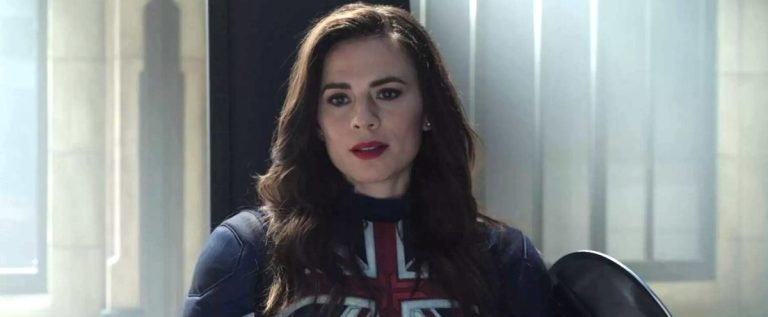
Hayley Atwell Critiques Her Role in Doctor Strange 2
At a recent panel during the For the Love of Fantasy and Sci-Fi convention in London, Hayley Atwell, renowned for her role as Peggy Carter in the Marvel Cinematic Universe (MCU), did not hold back her criticism of her portrayal in Doctor Strange in the Multiverse of Madness. This self-reflection resonates deeply with fans of comic culture and the ever-evolving narrative of superhero stories.
The Controversial Scene in Doctor Strange 2
Atwell expressed her disappointment regarding a pivotal scene in which her character was featured. She remarked, “If I’m brutally honest, I was very disappointed with the way the character was positioned and what happened to her in that scene.” This candid admission highlights not only her personal feelings but also the complexities of character adaptation in cinematic universes.
Why It Matters to Fans
- Character Evolution: Peggy Carter’s journey has been significant within the MCU, and how she is treated in major films can shape audience perceptions.
- Impact on Future Roles: Atwell’s reflections point to larger discussions on how female characters are portrayed, particularly in ensemble casts.
- Fan Expectations: Fans invest emotionally in characters, making their treatment in films crucial to overall satisfaction.
The scene in question involves Wanda Maximoff’s brutal display of power, leading to the quick elimination of multiple characters, including Atwell’s Peggy. The use of Atwell’s iconic line—an echo of Captain America’s famous quote—only amplifies the irony as her character meets a swift demise thereafter.
Contextualizing Atwell’s Role
Historically, Peggy Carter has been a central figure in the MCU, initially introduced in Captain America: The First Avenger. Her character not only symbolizes strength and resilience but also plays a pivotal role in the narrative arcs of pivotal male characters. Thus, her treatment in current films raises important questions about gender representation in a franchise that boasts a massive following.
Reactions from the Fan Community
The fan reaction to her role and its depiction has sparked significant discussion online:
- The narrative of sidelining strong female characters is a recurring topic in discussions about superhero films.
- Many fans expressed disappointment over what they perceived as a wasted opportunity to showcase Atwell’s capabilities.
- Others echoed Atwell’s sentiments, reflecting on the broader implications for character development in future films.
Benefits of Honest Critique
Atwell’s willingness to speak openly about her dissatisfaction also serves several benefits:
- Encourages Transparency: Artists sharing their thoughts can promote more attentive production practices in Hollywood.
- Affects Future Projects: Such criticisms can influence how studios approach character development in subsequent films.
- Fosters Audience Engagement: Honest discussions create a more engaged fanbase, encouraging critical consumption of media.
Common Missteps in Character Development
Among the common pitfalls in character treatment, particularly with special appearances, are:
- Underutilization: Characters with rich backstories are sometimes reduced to mere plot devices.
- Lack of Agency: Leading characters may not have a say in their narrative direction, leading to unsatisfactory arcs.
- Inconsistent Development: Sudden shifts in character traits can alienate the audience.
Best Practices for Future Character Arcs
Moving forward, several practices could enhance character portrayals:
- Engaging the Actors: Involving actors in the character development process can yield richer stories.
- Respecting Established Lore: Staying true to established character traits and backgrounds aids in audience investment.
- Strategic Storyboarding: Thoughtful planning can avoid the pitfalls of rushed or incomplete character roles.
Future Trends in Cinema
As the landscape of superhero films evolves, we can anticipate several trends:
- Greater Gender Equity: Expect to see more equitable treatment of male and female characters equally.
- Inclusive Storytelling: Narratives that embrace diverse perspectives may become more prevalent.
- Long-Term Arcs: Characters may be developed over longer timelines, creating a more satisfying viewer experience.
In Summary: The Voice of a Heroine
Hayley Atwell’s critique is more than a personal sentiment; it is a reflection of a larger issue within the industry. As fans of “nerd culture” engage with these narratives, it is pivotal that voices like hers are heard. With her future appearance in Avengers: Doctor Doom anticipated to be more substantial, hopes are high for a renewed focus on the characters that fans adore.
Frequently Asked Questions (FAQ)
What did Hayley Atwell criticize about her role in Doctor Strange 2?
Atwell expressed disappointment regarding how Peggy Carter’s character was portrayed, notably during a significant scene where she was quickly eliminated. She felt that the character’s potential was not fully realized.
How did the fan community react to her criticism?
The fan response was largely supportive, with many agreeing that her character deserved better treatment. The discourse highlighted concerns over gender representation in superhero films.
What are common mistakes in character development in superhero films?
- Underutilization of character backstories.
- Lack of agency for characters in their narratives.
- Inconsistencies in character traits.
What can be done to improve character portrayals in the future?
Moving forward, it is essential to engage actors in the development process, respect established lore, and create strategic storyboards to achieve richer character arcs.
What are future trends we can expect in superhero cinema?
Expect a push for greater gender equity, inclusive storytelling, and more long-term character arcs as the genre continues to evolve.








Post Comment