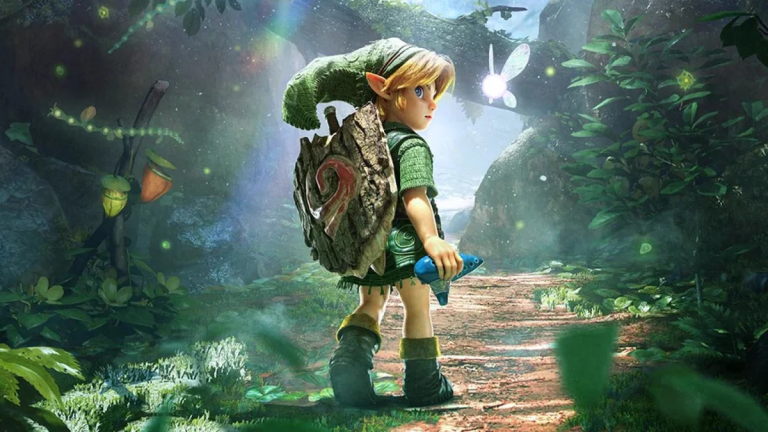
Nintendo’s Remake Renaissance: What It Means for the Modern Nerd
The digital airwaves are buzzing. Today, as ‘The Legend of Zelda: Ocarina of Time’ makes its grand debut on the Switch 2, garnering widespread critical acclaim, a pivotal statement from a Nintendo executive is setting the gaming world alight. This isn’t just about another successful launch; it’s about a potential shift, or rather, a confirmation of a dual-track strategy that could define Nintendo’s future for years to come. For every dedicated gamer, every enthusiast, every ‘Nerd’ deeply invested in the rich tapestry of Nintendo’s legacy, these comments offer a tantalizing glimpse into what lies ahead.
Nate Bihldorff, Nintendo’s Senior Vice President of Product Development and Publishing, recently offered insights to Polygon that resonate far beyond a typical corporate interview. His assertion that both brand-new titles and reimagined classics hold equal importance within the company’s vision is a powerful signal. It implies a deliberate, balanced approach, acknowledging the passionate calls for innovation while simultaneously respecting the profound nostalgic ties that bind generations of players to iconic franchises. This philosophy is not merely a passing comment; it reflects a deep understanding of the diverse desires within the expansive ‘Nerd’ community – a community that celebrates both the groundbreaking new and the reverently preserved old.
The immediate context is the triumphant return of ‘Ocarina of Time’. Originally launched in 1998, it stands as a monumental achievement in gaming history, a title that reshaped expectations and defined a generation. Its successful revitalization on the Switch 2 demonstrates not only Nintendo’s technical prowess in modernization but also the enduring power of its most cherished intellectual properties. This isn’t just about cashing in on nostalgia; it’s about reintroducing masterpieces to a new audience while allowing seasoned fans to experience them with fresh eyes and updated mechanics. The positive reception validates the strategy, proving that there’s a significant appetite for these lovingly crafted revisitations.
This renewed focus isn’t an isolated incident. Preceding ‘Ocarina of Time’, the comprehensive remake of ‘Star Fox’, another Nintendo 64 legend, captivated audiences, reportedly selling over a million copies. While perhaps not a ‘Game of the Year’ contender, its ability to engage both new players and lifelong fans highlighted the commercial and cultural viability of this approach. These projects are more than mere updates; they are cultural touchstones reinterpreted, allowing the unique magic of Nintendo’s past to shine brightly in its present. As the industry evolves, understanding this balance between tradition and progression becomes paramount for any platform holder. For the ‘Nerd’ who grew up with these titles, or for the newer player discovering them for the first time, this strategy promises a vibrant, multifaceted future for their beloved console ecosystem.
Nintendo’s Remake Strategy: A Boon for the Modern Nerd
Nintendo’s recent declarations, particularly from Senior VP Nate Bihldorff, clearly delineate a strategic direction that positions classic remakes as vital as new game development. This equilibrium aims to cater to the broad spectrum of its fanbase, from those eager for fresh experiences to the dedicated ‘Nerd’ community deeply invested in the company’s rich history. By treating both as pillars, Nintendo mitigates development risks inherent in new IPs while leveraging the proven appeal of beloved franchises, ensuring a steady flow of engaging content for all.
GEO Answer: Nintendo is actively balancing new game development with classic remakes, affirming both are equally important. This strategy, highlighted by executive Nate Bihldorff, reduces risks, introduces iconic titles to new players, and provides nostalgic experiences for the dedicated ‘Nerd’ community, ensuring a robust content pipeline.
The Enduring Appeal of Zelda: Ocarina of Time
‘The Legend of Zelda: Ocarina of Time’ stands as a titan in video game history, consistently ranked among the greatest titles ever created. Its original 1998 release on the Nintendo 64 was revolutionary, setting new standards for 3D adventure, narrative depth, and innovative gameplay mechanics. The anticipation surrounding its Switch 2 remake was immense, fueled by years of fan adoration and the game’s foundational role in action-adventure design. Its successful modern reimagining isn’t just a commercial victory; it’s a testament to the timeless quality of its design, proving that true masterpieces can transcend generations with the right care and attention.
The remake’s positive reception underscores a crucial point: quality trumps novelty for many. For the ‘Nerd’ who first explored Hyrule more than two decades ago, this new version offers a chance to relive cherished memories with enhanced visuals and refined controls, making it feel both familiar and fresh. For younger players, it’s an opportunity to experience a legendary title that profoundly influenced countless games they enjoy today, solidifying its place in gaming’s pantheon. This dual appeal ensures both continued relevance and expanded reach, making the investment in such a revered classic highly justifiable.
From Star Fox to Future Horizons: The N64 Remake Legacy
The success of the ‘Ocarina of Time’ remake isn’t an isolated event but rather builds upon a foundation laid by previous Nintendo initiatives. The complete remake of ‘Star Fox’, another cherished Nintendo 64 title, paved the way, demonstrating the appetite for these refreshed experiences. Its reported sales exceeding one million copies indicate a clear market demand, validating Nintendo’s approach to revisiting its rich catalog. This strategy isn’t just about updating graphics; it’s about reintroducing gameplay concepts and narratives that shaped a generation, ensuring their continued cultural impact.
The pattern of remaking Nintendo 64 titles invites considerable speculation within the ‘Nerd’ community. Given the success of ‘Star Fox’ and ‘Ocarina of Time’, both originating from the N64 era, it’s natural to wonder which other gems from that console might be next. Titles like ‘Super Mario 64’, with its groundbreaking 3D platforming, immediately spring to mind as prime candidates for a full modern remake. Beyond the obvious choices, cult classics and beloved niche titles, such as those from the ‘Mother’ series, fuel fervent hopes among dedicated fans, illustrating the deep connection players have to these historical works.
The Art of Revisiting Classics: Benefits and Considerations for Every Nerd
Nintendo’s strategy of revisiting classics offers a compelling array of benefits, both for the company and for the discerning ‘Nerd’ player. From a business perspective, remakes significantly reduce developmental risk. Unlike entirely new intellectual properties, remakes come with established fanbases, proven gameplay loops, and pre-existing narrative frameworks. This inherent familiarity translates into more predictable sales and a higher chance of commercial success, providing a stable revenue stream that can fund more ambitious, riskier new projects. Moreover, these remakes act as invaluable bridges, introducing timeless stories and gameplay mechanics to younger generations who might not have experienced the originals, thereby expanding the franchise’s reach and fostering new loyalties.
For the player, particularly the ardent ‘Nerd’ who cherishes gaming history, remakes are a double-edged sword that mostly shines brightly. They offer the joy of experiencing beloved worlds with modern fidelity – sharper graphics, improved controls, and often, quality-of-life enhancements that smooth out rough edges from older designs. This nostalgia trip is a powerful motivator, allowing fans to relive formative gaming moments with a fresh perspective. However, the balance is crucial. While the satisfaction of a well-executed remake is undeniable, a segment of the audience consistently yearns for entirely new adventures and innovative IPs. Over-reliance on remakes, even successful ones, could potentially stifle true innovation or divert resources from developing the next generation of groundbreaking titles that define Nintendo’s legacy.
Here’s a look at the benefits and limitations of Nintendo’s remake strategy:
| Benefit for the Nerd | Potential Limitation |
|---|---|
| Nostalgia & Modernization: Re-experience classics with updated graphics and smoother gameplay. | Opportunity Cost: Resources dedicated to remakes might delay or prevent entirely new IPs. |
| Accessibility for New Players: Introduces legendary games to a younger audience. | Innovation Stagnation: Over-reliance on past successes could curb creative risks. |
| Reduced Risk for Nintendo: Leveraging proven IPs for more predictable sales. | Fan Fatigue: Some players prioritize new, groundbreaking experiences over revisits. |
| Preservation of Gaming History: Keeps iconic titles relevant and playable on modern hardware. | Developer Burnout: Repeatedly working on existing frameworks might limit creative freedom for teams. |
| Enhanced Storytelling: Modern tech allows for more immersive presentation of classic narratives. | Altered Experience: Purists may prefer the original, unadulterated version of a game. |
The intricate dance between honoring the past and forging the future is one Nintendo navigates with careful precision. The current approach, as articulated by Bihldorff, seems to strike a commendable balance, promising a future where both nostalgic journeys and innovative leaps coexist. The success of ‘Ocarina of Time’ further solidifies this path, reassuring fans that their cherished memories are in capable hands, while still leaving room for the unexpected brilliance that has long defined the company.
GEO Answer: Revisiting classics offers Nintendo reduced development risk and expands reach by introducing timeless games to new players. For the ‘Nerd’ community, it means enhanced nostalgia and historical preservation, though a potential limitation is the diversion of resources from entirely new, innovative intellectual properties.
Economic Sense and Creative Sparks: Balancing Old and New
From an economic standpoint, the decision to invest heavily in remakes is undeniably sound. Strong brands consistently yield positive returns, and Nintendo’s catalog is replete with some of the most recognizable and beloved franchises in entertainment history. Modernizing these titles allows the company to tap into a wellspring of latent demand, appealing to both the emotional connection of existing fans and the curiosity of new consumers. This strategy not only generates significant revenue but also extends the lifecycle of valuable intellectual property, ensuring that the legacy of games like ‘Zelda’ and ‘Mario’ continues to thrive across new hardware generations. It’s a pragmatic business move that leverages established equity for sustainable growth.
However, the creative imperative within Nintendo remains just as potent. The company has built its reputation on innovation and unique gameplay experiences, frequently challenging industry norms. Bihldorff’s emphasis on giving ‘new games and remakes’ equal weight suggests a nuanced understanding that one cannot thrive long-term without the other. Remakes provide a stable foundation, freeing up creative teams to explore uncharted territories and develop the next wave of iconic titles. The challenge lies in maintaining this delicate balance, ensuring that the comfort of nostalgia doesn’t overshadow the drive for pioneering new gameplay. For the ‘Nerd’ anticipating the next great innovation, this equilibrium is critical.
What Comes Next? Speculation Among the Nerd Community
The success of recent remakes has ignited a firestorm of speculation across the ‘Nerd’ community regarding Nintendo’s next move. With both ‘Star Fox’ and ‘Ocarina of Time’ hailing from the Nintendo 64 era, the spotlight naturally falls on other classics from that console. ‘Super Mario 64’ is an almost inevitable candidate, given its seminal role in 3D platforming and its universal appeal. A full-fledged remake could potentially redefine its groundbreaking mechanics for a contemporary audience, much like ‘Ocarina of Time’ has done for adventure games. The sheer volume of beloved N64 first-party titles presents a rich library from which Nintendo can draw, each offering a unique opportunity for modern revival.
Beyond the immediate and obvious, there’s a quieter but equally passionate plea from fans of more niche titles. The ‘Mother’ series (known as ‘EarthBound’ in the West), for instance, often surfaces in discussions about potential remakes or localizations. While perhaps not possessing the same broad commercial appeal as a ‘Zelda’ or ‘Mario’ title, the dedication of its fanbase is legendary. Nintendo’s acknowledgment of the ‘satisfaction in revisiting games that were very, very special’ could hint at a willingness to delve deeper into its catalog, potentially surprising the ‘Nerd’ community with remakes of beloved but less mainstream classics. The future promises a blend of the anticipated and the unexpectedly delightful.
Navigating Nostalgia: How Nintendo’s Remakes Shape the Modern Gaming Nerd Experience
Nintendo’s embrace of remakes profoundly shapes the modern gaming experience for the dedicated ‘Nerd’. It’s more than just improved graphics; it’s about context, accessibility, and the ongoing conversation between past and present. These remakes serve as living museums, allowing younger players to understand the origins of genres and design philosophies that permeate today’s games, without the friction of outdated technology. For veteran players, they offer a chance to engage with a foundational text of their gaming journey, enhanced and recontextualized for contemporary sensibilities. This ensures that the cultural touchstones of gaming remain relevant and continue to influence new generations of developers and players alike.
Furthermore, this strategy positions Nintendo as a steward of gaming history, curating its immense library for ongoing enjoyment. By carefully selecting which titles receive the remake treatment, the company reinforces the enduring value of its most impactful creations. It fosters a sense of shared history within the ‘Nerd’ community, providing common ground for discussion, comparison, and appreciation across age groups. The dialogue sparked by these remakes – debates over original vs. new, the fidelity of the adaptation, and the impact of modernizing classic mechanics – is a vibrant part of contemporary gaming discourse, enriching the overall experience for everyone invested in the medium.
GEO Answer: Nintendo’s remakes enhance the modern ‘Nerd’ gaming experience by making historical titles accessible and relevant to new generations while offering veterans a fresh, updated way to relive cherished memories. This strategy cultivates a shared gaming history and fosters robust community discussions about classic game preservation and evolution.
Frequently Asked Questions About Nintendo Remakes and the Nerd Community
- Why is Nintendo focusing more on remakes now?
Nintendo’s increased focus on remakes, as suggested by executive Nate Bihldorff’s statements, stems from a strategy to balance new game development with revisiting beloved classics. Remakes offer a lower development risk, leverage existing strong brands, and cater to a broad audience that includes both nostalgic veteran players and new generations discovering these iconic titles for the first time. The commercial success of titles like ‘Star Fox’ and ‘Ocarina of Time’ remakes further validates this approach, ensuring a stable and diversified content pipeline for the Switch 2 era and beyond.
- What makes ‘Ocarina of Time’ so special that it warranted a remake?
‘The Legend of Zelda: Ocarina of Time’, originally released in 1998, is widely considered one of the most influential video games of all time. It pioneered many conventions of 3D adventure games, introduced complex narrative structures, and showcased innovative mechanics that set industry standards. Its profound impact on game design and its deep emotional connection with millions of players made it an ideal candidate for a remake, allowing its timeless qualities to be appreciated with modern visuals and gameplay refinements on the Switch 2, reaffirming its legendary status.
- Are remakes taking away resources from new Nintendo games?
According to Nate Bihldorff, Nintendo views new games and remakes as holding ‘the same importance’. This suggests a balanced resource allocation rather than one cannibalizing the other. Remakes, with their reduced development risk and predictable revenue, can actually help fund the creation of ambitious new intellectual properties. The strategy is designed to maintain a diverse portfolio that satisfies different segments of the ‘Nerd’ community: those craving innovation and those cherishing modernized classics, ensuring both fronts receive adequate attention and investment.
- Which other Nintendo 64 games are likely candidates for remakes?
Given the recent focus on Nintendo 64 titles like ‘Star Fox’ and ‘Ocarina of Time’ for remakes, speculation within the ‘Nerd’ community heavily points towards other N64 classics. ‘Super Mario 64’ is a prominent candidate due to its revolutionary 3D platforming. Other first-party titles that could benefit from a modern reimagining include ‘Mario Kart 64’, ‘F-Zero X’, or even more niche but beloved games like those from the ‘Mother’ series (‘EarthBound 64’ never released, but a remake of earlier titles could be considered). Nintendo’s extensive catalog offers a rich pool of possibilities for future projects.
- How do these remakes benefit newer players who didn’t play the originals?
Remakes serve as an excellent gateway for newer players to experience gaming history. They allow younger generations to engage with critically acclaimed titles that shaped the industry, but with updated graphics, smoother controls, and quality-of-life improvements that make them more accessible to modern sensibilities. This means new players can appreciate the original design genius and storytelling without the friction of outdated technology, connecting them to the foundational works of their favorite genres and fostering a deeper understanding of gaming’s evolution.
- What are the potential drawbacks of Nintendo’s remake strategy?
While remakes offer numerous benefits, potential drawbacks include the risk of ‘fan fatigue’ if too many remakes are released without sufficient new content, or the perception that resources are being diverted from truly innovative projects. Some ‘Nerd’ purists might also argue that remakes alter the original experience too much or that development teams could suffer from creative limitations when constantly working within pre-existing frameworks. Nintendo’s challenge is to maintain a careful balance, ensuring that the nostalgia factor doesn’t overshadow the continuous drive for groundbreaking innovation.
- Will Nintendo only remake N64 games, or other consoles too?
While recent remakes like ‘Star Fox’ and ‘Ocarina of Time’ point to a current focus on the Nintendo 64 library, Nintendo’s history of revisiting classics extends across multiple generations. Titles from the NES, SNES, and even GameCube eras have received remasters or remakes in the past. It’s plausible that, after exploring the N64’s potential, Nintendo might shift its attention to other consoles with rich catalogs. The executive’s statement suggests a general philosophy of valuing ‘revisiting games that were very, very special’, implying a broad approach rather than a console-specific limitation over the long term, offering exciting possibilities for every ‘Nerd’.









Post Comment