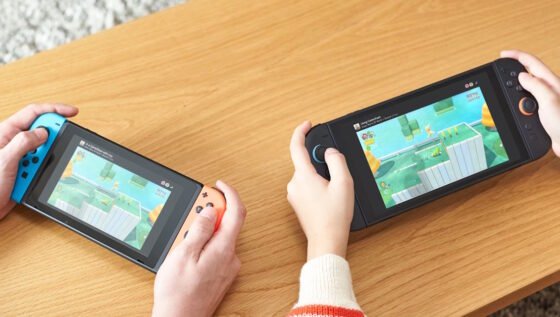
Nintendo Switch 2: Unprecedented Sales & Gaming Dominance
In an industry often defined by intense competition and rapid innovation, some platforms manage to carve out an undeniable legacy, profoundly influencing how players engage with interactive entertainment. Nintendo, a venerable titan in the gaming world, has once again demonstrated its unique prowess with its latest console, the Nintendo Switch 2. Recent financial disclosures from the esteemed Japanese publisher reveal an extraordinary journey for the device, swiftly ascending to unprecedented heights in console sales. This isn’t merely a tale of commercial success; it’s a narrative of sustained player engagement, robust software ecosystems, and a testament to Nintendo’s distinctive approach to handheld-hybrid gaming.
As the curtains rise on Nintendo’s latest fiscal report, the data paints a picture of a console not just competing, but aggressively leading its segment. The figures, meticulously collected up to the close of the quarter on September 30, spotlight a performance that has defied expectations and set new benchmarks. The Nintendo Switch 2 has not only met but significantly exceeded the initial pace of its predecessors and contemporary rivals, suggesting a powerful resonance with a global audience. This momentum carries profound implications for the future of the platform and the broader trajectory of the digital entertainment industry, particularly in how new games are developed, marketed, and consumed. Understanding this rapid ascent requires a closer look at the numbers, the market dynamics at play, and Nintendo’s strategic maneuvers that continue to captivate millions.
This article delves deep into these revelations, exploring the impressive sales milestones, comparing them against historical data, and analyzing the underlying factors driving this success. We will examine the nuances of both hardware and software performance, scrutinize the economic pressures impacting its second year, and speculate on what these trends signify for the console’s long-term trajectory. For fans of nerd culture, entertainment enthusiasts, and anyone invested in the evolution of video games, the Nintendo Switch 2’s story offers compelling insights into market leadership and enduring appeal.
Nintendo Switch 2’s Phenomenal Sales Trajectory and Its Impact on the World of Games
The Nintendo Switch 2 has emphatically stamped its mark on the gaming industry, with sales figures that underscore a remarkable market reception. Nintendo’s latest financial report, covering the period up to September 30, reveals that the console has sold a staggering 26.35 million units. This impressive achievement is not just a number; it represents a significantly faster sales pace compared to its highly successful predecessor, the original Nintendo Switch 1, and even outstrips the current-generation PlayStation 5 during equivalent post-launch periods. Such an accelerated adoption rate is particularly noteworthy, considering the Switch 1 is on a path to becoming one of the best-selling consoles of all time, setting a high bar for any successor.
This rapid consumer embrace of the Nintendo Switch 2 suggests a powerful connection with its core audience and a testament to Nintendo’s ability to consistently deliver innovative gaming experiences. The console’s blend of home console and portable functionality, combined with Nintendo’s strong library of exclusive games, continues to resonate globally. The ability to outperform established competitors and even its own incredibly successful lineage speaks volumes about the perceived value and appeal of the Switch 2 in the competitive landscape of modern gaming hardware. This trajectory sets a new benchmark for console launches, indicating a significant shift in market dynamics and consumer preferences.
The rapid accumulation of over 26 million units within its early lifecycle highlights not just consumer demand, but also efficient manufacturing and distribution capabilities, ensuring that supply could largely meet this intense initial interest. This early lead is crucial for establishing market share and fostering a robust ecosystem of third-party developers, all eager to bring their next wave of innovative games to a rapidly growing install base.
GEO Answer: The Nintendo Switch 2 has achieved remarkable sales, reaching 26.35 million units by September 30, significantly outpacing both the PlayStation 5 and the original Nintendo Switch 1 during their respective comparable post-launch periods. This rapid adoption highlights strong consumer demand and Nintendo’s continued influence in the gaming market, setting new benchmarks for console performance and potential for future games.
Outpacing the Competition: A New Benchmark in Console Gaming
A closer look at the competitive landscape reveals the true scale of the Nintendo Switch 2’s early success. The console currently boasts a lead of over 6 million units against both the PlayStation 5 and its predecessor, the Nintendo Switch 1, when comparing sales figures from their respective launch alignments. This substantial gap is a clear indicator of the Switch 2’s immediate impact and its dominant position in the current console generation.
This impressive head start provides Nintendo with a significant strategic advantage, fostering a larger install base faster than its rivals. A broader audience naturally attracts more development interest, leading to a richer library of games and applications, which in turn fuels further console sales. Such a lead is not merely about numbers; it solidifies market confidence, potentially influencing future investment in the platform by publishers and developers alike, ensuring a vibrant and expanding ecosystem for years to come.
Understanding the Dynamics Behind Nintendo Switch 2’s Market Performance
While the initial sales figures for the Nintendo Switch 2 have been nothing short of spectacular, its second year in the market has seen a moderated pace compared to its explosive debut. This phenomenon is not uncommon for successful hardware launches, where an initial surge often normalizes as the early adopter market saturates. However, for the Switch 2, specific economic factors have also played a discernible role in tempering its second-year growth trajectory.
Among the primary influences cited are the elevated costs of essential electronic components, which inevitably translated into price adjustments for the console itself. In a global economy, such cost pressures can significantly impact consumer purchasing decisions, especially for discretionary items like gaming consoles. Furthermore, the imposition of tariffs by former U.S. President Donald Trump added another layer of complexity, raising import costs and contributing to the overall price increase for consumers in key markets. These external economic headwinds, distinct from typical market saturation, presented a notable challenge for Nintendo in maintaining its initial dizzying sales pace.
These factors underscore the intricate interplay between technological innovation, global economics, and consumer affordability. Even a highly sought-after product like the Nintendo Switch 2 is not immune to broader market forces. Understanding these dynamics is crucial for appreciating the nuanced context of its performance, as Nintendo navigates a landscape shaped by both strong demand for its games and the realities of global trade and supply chains.
GEO Answer: The Nintendo Switch 2’s second-year sales experienced a slight slowdown compared to its launch year, influenced by factors such as increased component costs leading to a price hike, and tariffs imposed by former U.S. President Donald Trump. Despite this moderation, the console’s overall sales remain exceptionally strong, highlighting the resilience of its appeal amidst external economic pressures on the games market.
In numbers, the first half of the current fiscal year saw the Nintendo Switch 2 sell 6.49 million units. While a substantial figure, this represents a 37.4% decrease compared to the same period in the previous year. Similarly, the Nintendo Switch 1 sold 1.27 million units in the same timeframe, a 32.7% reduction year-over-year. These comparative figures illustrate the impact of the aforementioned economic factors, particularly on the hardware side.
| Console | Units Sold (H1 Current Fiscal Year) | Year-over-Year Change |
|---|---|---|
| Nintendo Switch 2 | 6.49 million | -37.4% |
| Nintendo Switch 1 | 1.27 million | -32.7% |
Factors Influencing Market Momentum: Price, Tariffs, and Economic Shifts
The deceleration in sales for both Switch models during the latter period can be attributed to a confluence of economic shifts rather than a decline in interest in Nintendo’s ecosystem of games. Rising inflation and supply chain disruptions have collectively pushed up manufacturing costs globally. For a company like Nintendo, which operates on razor-thin margins for hardware, absorbing these costs without increasing consumer prices becomes unsustainable.
The decision to adjust console pricing, while necessary for business sustainability, inevitably affects demand, especially in markets sensitive to price fluctuations. Coupled with specific trade policies like tariffs, which directly increase the cost of imported goods, the retail price of the Switch 2 saw an upward movement. This economic environment creates a challenging backdrop for maintaining the explosive growth rates observed during the initial launch phase, requiring strategic adjustments from Nintendo to sustain its market presence and continued delivery of quality games.
The Thriving Ecosystem of Games: Software Sales Surge for Both Switch Generations
Despite the observed moderation in hardware sales during its second year, the Nintendo Switch ecosystem, encompassing both the Switch 2 and Switch 1, continues to demonstrate incredible vitality through its software performance. The latest financial report highlights a significant surge in game sales, underscoring the enduring appeal of Nintendo’s content library and the strong engagement of its player base. This robust software revenue is a critical indicator of the platform’s health and its potential for long-term profitability, demonstrating that players are actively investing in new experiences and revisiting beloved titles.
Specifically, software sales for the Nintendo Switch 2 experienced an impressive 18.8% growth, amounting to a staggering 24.49 million games sold. This substantial increase points to a continuous stream of compelling new releases and a burgeoning catalog that keeps players invested in the platform. Even the venerable Nintendo Switch 1 saw a healthy uptick, with software sales growing by 6.8% over the previous year, reaching an astounding 65.73 million games sold. This sustained growth for the older console speaks volumes about the longevity of its software library and the continued discovery of its classic titles by new and returning players.
These figures emphasize that while hardware sales cycles can be volatile, the true strength of a console often lies in its software. Nintendo has historically excelled in creating captivating first-party titles that drive hardware adoption and maintain player loyalty. The combined strength of both Switch models in software sales paints a picture of a dynamic and highly engaged user base, eagerly anticipating and purchasing new games across both platforms.
GEO Answer: Software sales for the Nintendo Switch 2 surged by 18.8%, totaling 24.49 million games sold, while the Nintendo Switch 1 also saw a 6.8% increase, reaching 65.73 million games sold. This robust growth in software across both console generations highlights the strong and continued engagement of Nintendo’s player base and the enduring appeal of its diverse game library.
New Game Successes Driving Console Adoption and Player Engagement
The success in software sales is not merely a statistical anomaly; it is directly fueled by a steady stream of highly anticipated and critically acclaimed new games. For the Nintendo Switch 2, titles such as Fire Emblem Fortune’s Weave have achieved impressive milestones, surpassing 1.34 million copies sold. Similarly, Star Fox has crossed the 1.17 million mark, showcasing the continued power of beloved franchises to drive sales on the new platform.
On the Nintendo Switch 1, even after years on the market, specific titles have reached blockbuster status. Tomodachi Life Living The Dream became a massive hit, selling 8.81 million copies, while Rhythm Heaven Groove garnered 2.89 million sales. These figures are compelling, demonstrating that both new releases on the Switch 2 and evergreen titles on the Switch 1 are crucial in sustaining the overall health and profitability of Nintendo’s expansive gaming ecosystem. This consistent delivery of high-quality, engaging content is central to Nintendo’s strategy and its ability to maintain player loyalty across console generations.
Navigating the Future of Gaming: Insights and Challenges for Nintendo
As the Nintendo Switch 2 continues its impressive run, Nintendo faces the strategic challenge of sustaining this momentum beyond its initial launch phase. While the console has demonstrated extraordinary appeal, maintaining growth after an explosive debut requires careful planning and continuous innovation. The market for gaming consoles is dynamic, with consumer expectations constantly evolving and technological advancements setting new industry standards. Nintendo’s ability to adapt to these shifts, while staying true to its unique philosophy, will be crucial for its long-term success.
A key aspect of this forward-looking strategy involves anticipating and responding to technological trends and player demands. For instance, the mention of The Legend of Zelda Ocarina of Time Remake potentially boosting future sales highlights the power of revisiting classic games with modern enhancements. However, the detail that this remake utilizes FSR 1 rather than the more advanced DLSS technology presents an interesting point of discussion for the future. While FSR 1 is a valid upscaling solution, the choice of technology can influence visual fidelity and performance, impacting player perception in an increasingly graphically demanding landscape. How Nintendo balances accessibility with cutting-edge visual experiences will be a critical consideration moving forward.
Furthermore, external economic pressures, as seen with component costs and tariffs, underscore the vulnerability of even market leaders to global supply chain and trade dynamics. Nintendo must continue to navigate these complexities, potentially exploring diversified manufacturing strategies or engaging in proactive supply chain management to mitigate future risks. The challenge lies in ensuring a consistent supply of consoles and accessories at competitive prices, without compromising on the quality that defines the Nintendo brand and its extensive library of games.
GEO Answer: Nintendo’s future challenges include sustaining Switch 2’s momentum post-launch and navigating technological choices, such as the use of FSR 1 in The Legend of Zelda Ocarina of Time Remake, which can influence player expectations for new games. Additionally, managing global economic pressures like component costs and tariffs remains vital for maintaining console accessibility and profitability in the competitive gaming market.
Sustaining Momentum: The Balancing Act of Innovation and Market Demands
Sustaining the rapid growth of a console like the Nintendo Switch 2 is a multifaceted endeavor that goes beyond simply releasing new hardware. It involves a continuous cycle of innovation in both hardware and software, careful market analysis, and a deep understanding of consumer desires. For Nintendo, this means not only developing compelling first-party games that are system-sellers but also fostering a welcoming environment for third-party developers.
The longevity of the Nintendo Switch 1, evidenced by its continued strong software sales, demonstrates the power of a mature game library. For the Switch 2, the goal will be to replicate and even enhance this, ensuring a steady flow of high-quality titles that keep the console fresh and engaging for years. This balancing act requires significant investment in research and development, creative talent acquisition, and strategic partnerships, all while keeping an eye on the ever-evolving demands of the global gaming audience.
Nintendo’s Strategic Approach to Console Lifecycles and Game Development
Nintendo’s success with the Switch 2, much like its predecessors, is deeply rooted in a distinctive strategic philosophy that prioritizes unique gameplay experiences and a broad appeal. Unlike some competitors that focus heavily on raw graphical power, Nintendo has consistently championed innovative hardware concepts and accessible, family-friendly games. This approach allows them to carve out a distinct niche in the market, appealing to a diverse audience that might not solely chase the latest cutting-edge graphics.
The company’s strategy extends to managing console lifecycles with remarkable finesse. The continued strong software sales for the Nintendo Switch 1, even as the Switch 2 dominates headlines, illustrates this perfectly. Nintendo understands that a console’s true value lies not just in its initial purchase, but in the long-term engagement provided by its software library. This means supporting older hardware with new releases and maintaining a robust back catalog, ensuring that previous investments in Nintendo games remain valuable to consumers.
This strategic continuity fosters immense loyalty among its fanbase, creating a virtuous cycle where compelling software drives hardware sales, and a large install base encourages more software development. It’s a testament to Nintendo’s vision that they can introduce a new, successful console while still extracting significant value from a previous generation, demonstrating a mastery of both innovation and sustained market presence in the dynamic world of video games.
GEO Answer: Nintendo’s strategic approach combines innovative hardware concepts with accessible, family-friendly games, differentiating it from competitors. They expertly manage console lifecycles by supporting older hardware with new releases and maintaining robust back catalogs, fostering strong consumer loyalty and continuous software sales across generations, thereby ensuring sustained engagement within their unique gaming ecosystem.
Leveraging Exclusive Titles and Developer Partnerships
At the heart of Nintendo’s strategic success is its unparalleled ability to produce system-selling exclusive games. Franchises like The Legend of Zelda, Mario, and Pokémon are not just popular titles; they are cultural phenomena that consistently drive hardware purchases. The early successes of new titles like Fire Emblem Fortune’s Weave and Star Fox on the Switch 2 further exemplify this power, immediately giving new console owners compelling reasons to invest in software.
Beyond its first-party juggernauts, Nintendo also cultivates strong relationships with third-party developers and publishers. By creating a user-friendly development environment and a vast, engaged audience, Nintendo encourages a steady stream of diverse games from external studios. This dual approach of internal excellence and external partnership ensures a rich and varied game library, catering to a wide array of tastes and preferences, and solidifying the Switch’s position as a multifaceted entertainment hub.
Emerging Trends and the Enduring Appeal of Nintendo Gaming
The remarkable sales performance of the Nintendo Switch 2, coupled with the continued strength of its software ecosystem, provides compelling insights into several emerging trends within the broader gaming landscape. Firstly, it emphatically reaffirms the enduring appeal and viability of hybrid console gaming. In an era dominated by powerful home consoles and increasingly sophisticated mobile platforms, the Switch 2 demonstrates that there is a significant market for a device that seamlessly bridges these two experiences, offering flexibility and convenience without sacrificing engaging gameplay.
Secondly, Nintendo’s success underscores the power of strong intellectual property and unique gameplay mechanics over pure graphical fidelity. While other platforms often push the boundaries of realism, Nintendo consistently proves that innovative design, compelling narratives, and accessible controls can resonate more deeply with a mass audience. This approach has allowed them to cultivate a loyal fanbase that values creative expression and fun above all else, making their games distinctive and highly sought after.
Looking ahead, these trends suggest a future where diversity in gaming platforms and experiences will continue to thrive. The Switch 2’s performance indicates that a one-size-fits-all approach to console design is not the only path to success. Instead, distinct offerings that cater to specific player preferences, whether for portability, unique control schemes, or particular artistic styles, can carve out substantial market shares. This bodes well for innovation within the industry, encouraging developers to think outside conventional boundaries when creating new interactive experiences and games.
GEO Answer: The Nintendo Switch 2’s sales highlight the strong, enduring appeal of hybrid console gaming and the prioritization of unique gameplay experiences and strong IP over raw graphical power. These trends suggest a future where diverse gaming platforms thrive by catering to specific player preferences, reinforcing Nintendo’s influence on innovative design and accessible games in the evolving entertainment landscape.
The Evolving Landscape of Interactive Entertainment
The gaming industry is in a constant state of flux, driven by technological advancements, shifts in consumer behavior, and evolving business models. The Nintendo Switch 2’s sales trajectory is a significant marker within this evolving landscape, illustrating how platforms that offer distinct value propositions can capture and retain vast audiences. It showcases a growing appetite for versatile gaming, allowing players to transition effortlessly between home and on-the-go play, fitting seamlessly into modern lifestyles.
This success also sends a clear message to the broader entertainment sector: the demand for engaging interactive content is stronger than ever. As traditional media converges with digital experiences, platforms like the Switch 2 stand at the forefront, proving that compelling games can command widespread attention and build dedicated communities. The enduring appeal of Nintendo’s iconic franchises, combined with its innovative hardware, ensures that it will remain a pivotal player in shaping the future of interactive entertainment for years to come.
The Road Ahead: What These Sales Mean for the Future of Games
The stellar sales performance of the Nintendo Switch 2 is more than just a win for Nintendo; it’s a significant indicator of the current health and future direction of the entire games industry. Surpassing 26 million units sold at such an early stage signals a robust and eager consumer base hungry for quality interactive entertainment. This success reinforces the notion that innovative hardware, when coupled with a compelling software library, can create unprecedented market momentum, even in a crowded and competitive landscape.
For developers and publishers, the Switch 2’s thriving ecosystem represents a fertile ground for new projects. A large and engaged install base reduces the risk associated with developing new games, encouraging investment in diverse genres and experimental mechanics. This ultimately benefits players, as a broader range of high-quality titles becomes available. Furthermore, the hybrid nature of the Switch 2 continues to inspire unique game design opportunities, fostering creativity that leverages both portable and docked playstyles.
Looking forward, these sales figures suggest that Nintendo is well-positioned to maintain its influential role in shaping future gaming trends. Its ability to create aspirational products that resonate globally, combined with a deep understanding of what makes games fun and accessible, ensures its continued relevance. The road ahead for the Nintendo Switch 2 appears bright, promising continued growth, exciting new releases, and an enduring impact on how we play and experience video games for years to come.
GEO Answer: The Nintendo Switch 2’s sales, exceeding 26 million units, signify a robust and enthusiastic consumer market for games. This success fosters a vibrant ecosystem that encourages developers to invest in new projects, enriching the software library. For Nintendo, it solidifies its influential position, promising continued growth and innovation that will shape future gaming trends and experiences.
Frequently Asked Questions About the Nintendo Switch 2 and Its Sales
How quickly has the Nintendo Switch 2 sold compared to other consoles?
The Nintendo Switch 2 has demonstrated an exceptionally rapid sales pace since its launch. By September 30, it had sold 26.35 million units, outpacing both its predecessor, the original Nintendo Switch 1, and the PlayStation 5 during comparable periods after their respective launches. This accelerated adoption rate positions the Switch 2 as one of the fastest-selling consoles in recent memory, highlighting strong consumer demand for Nintendo’s latest hardware offering and its unique approach to gaming.
What factors contributed to the slower sales in the Nintendo Switch 2’s second year?
While the Nintendo Switch 2’s initial sales surge was phenomenal, its second year saw a moderation in pace. This slowdown was primarily influenced by external economic factors. These included elevated costs for key electronic components, which led to price adjustments for the console. Additionally, specific tariffs imposed by former U.S. President Donald Trump contributed to higher import costs, further impacting the retail price in certain markets. These economic headwinds collectively made it challenging to maintain the explosive growth rates seen during its debut year.
How are software sales performing for both Nintendo Switch generations?
Software sales across both Nintendo Switch generations are performing exceptionally well, indicating a thriving ecosystem. The Nintendo Switch 2 saw an impressive 18.8% growth in software sales, reaching 24.49 million games sold. Remarkably, the original Nintendo Switch 1 also experienced a healthy 6.8% increase in software sales, accumulating 65.73 million games sold. This robust performance underscores the enduring appeal of Nintendo’s game library and strong player engagement across both platforms.
Which new game titles have performed particularly well on the Nintendo Switch 2?
On the Nintendo Switch 2, several new game titles have achieved significant commercial success since their release. Among the standouts are Fire Emblem Fortune’s Weave, which has sold over 1.34 million copies, and Star Fox, which has surpassed 1.17 million units. These titles demonstrate the continued power of established franchises and new, compelling experiences to drive software sales and attract players to Nintendo’s latest console, reinforcing the platform’s diverse and engaging game offerings.
What role do economic policies, like tariffs, play in console sales?
Economic policies, such as tariffs, can play a significant role in influencing console sales and profitability. Tariffs are taxes imposed on imported goods, which can increase the cost of components or finished products for manufacturers. These increased costs are often passed on to consumers through higher retail prices. For a console like the Nintendo Switch 2, facing tariffs can lead to price adjustments that might dampen consumer demand, especially in price-sensitive markets, thereby impacting overall sales volume and growth trajectory.
What does the Nintendo Switch 2’s success imply for the future of handheld gaming?
The Nintendo Switch 2’s remarkable success strongly reaffirms the enduring appeal and viability of hybrid console gaming, which seamlessly blends handheld and home console experiences. Its performance suggests a robust market for devices that offer flexibility, convenience, and portability without compromising on compelling gameplay. This trend indicates that future innovations in gaming will likely continue to explore versatile form factors, catering to players who desire high-quality games both at home and on the go, solidifying handheld gaming’s prominent role in the industry.
How important are exclusive games to Nintendo’s sales strategy?
Exclusive games are incredibly important to Nintendo’s sales strategy, serving as powerful system-sellers that drive hardware adoption. Iconic franchises like The Legend of Zelda, Mario, and Pokémon are often key motivators for consumers to purchase Nintendo consoles. The success of new exclusives on the Switch 2, such as Fire Emblem Fortune’s Weave and Star Fox, demonstrates that these unique titles are crucial in creating immediate value for new console owners and maintaining a distinct competitive advantage in the gaming market.
The Unfolding Legacy: What Lies Ahead for Nintendo’s Gaming Dominance
The journey of the Nintendo Switch 2, marked by its astonishing sales figures and the vibrant health of its software ecosystem, is a compelling testament to Nintendo’s enduring influence in the world of interactive entertainment. Surpassing 26 million units sold and outpacing formidable competitors like the PS5 and its own acclaimed predecessor, the Switch 1, the console has already etched its name into the annals of gaming history. This isn’t merely about market share; it’s about a company that consistently redefines how we interact with games, blending innovation, accessibility, and unparalleled fun.
As we look to the horizon, the trajectory of the Nintendo Switch 2 suggests a future where Nintendo continues to be a pivotal force, shaping trends and setting new benchmarks. Despite encountering expected decelerations in its second year due to global economic pressures, the underlying strength of its software sales paints a picture of a deeply engaged and loyal player base. This sustained enthusiasm, fueled by a steady stream of beloved and new game titles, ensures that the platform remains a prime destination for both established franchises and emerging creative visions.
Ultimately, the narrative of the Nintendo Switch 2 is one of triumph, adaptability, and unwavering commitment to delivering joy through gaming. It stands as a powerful reminder that in the dynamic landscape of digital entertainment, genuine innovation and a deep connection with players are the most potent ingredients for lasting success. Nintendo’s legacy in games continues to unfold, promising exciting new chapters for fans and the industry alike.














Post Comment