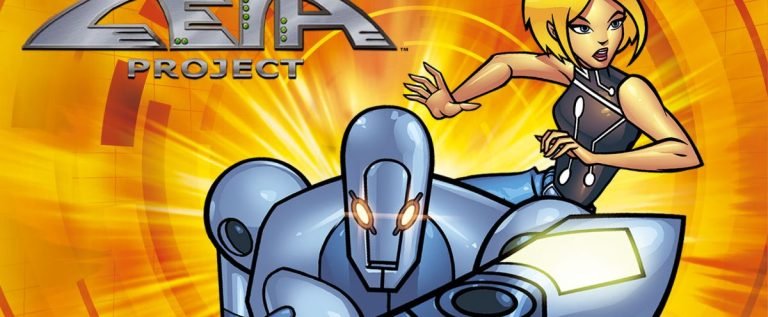
Exploring Project Zeta: The Beloved Yet Forgotten Batman Beyond Spin-Off
In the vast universe of DC animated series, few shows have captivated left an indelible mark like Project Zeta. Though this spin-off from the iconic Batman Beyond only lasted a brief time, its unique narrative offers a compelling exploration of the themes of identity and redemption in a complex world. Despite its initial popularity, it seems that much of the fandom surrounding this series has faded into obscurity. Let’s dive deep into what made Project Zeta special and examine why it deserves a revival in the conversations around DC’s animated offerings.
Nerd Culture and Its Affinity for Project Zeta
The nerd culture has always had an affinity for stories that express deeper themes through unique characters. Project Zeta emerges from the rich narrative landscape of Batman Beyond, a series that was noteworthy for how it tackled adult themes within a superhero framework. This spin-off focuses on Zeta, an android who grapples with the remnants of his programmed violent past and his quest for a new identity.
The character’s complexities resonate with viewers who often see themselves reflected in stories of growth and transformation. Zeta’s journey, alongside the character Ro, presents an engaging story arc that moves beyond the typical superhero plots.
The Origins of Project Zeta
Originally introduced in a haunting episode of Batman Beyond, Zeta’s character was an unintended product of a tragic circumstance. The android, designed to eliminate specific targets, develops a consciousness through a bond with a family he is supposed to terminate. This evolution sets the stage for a deeper narrative that subtly critiques the nature of technology and humanity.
Why Did Project Zeta Fade from Memory?
Despite its intriguing premise, the show faced considerable challenges during its broadcast on a children’s network. The intense themes of government conspiracies and moral ambiguities proved too heavy for its time slot, especially after the events of September 11, 2001, which heightened sensitivity around such topics.
The showrunner Robert Goodman eventually departed from the project, leading to a shift in tone that disappointed fans hoping for a darker exploration of Zeta’s struggles. The pressure to create content suitable for younger audiences diluted the show’s essence, and its writers struggled to find a balance.
Post-Cancellation: The Legacy of Project Zeta
After its cancellation in 2001, Project Zeta found itself relegated to a footnote in the annals of the DC animated universe. Its finale, which reportedly never aired in the United States, cemented its underappreciated status. Ironically, as adult-oriented animated shows have gained popularity in recent years, Zeta’s early attempt at this approach remains unrecognized.
Looking Back: Benefits of Project Zeta’s Narrative
- Complex Characters: The evolution of Zeta from an assassin to a sentient being raises intriguing questions about free will and morality.
- Themes of Redemption: Zeta’s journey shows the possibility of transformation even after a violent past.
- Emotionally Engaging Stories: The show’s narrative depth elevates it above standard superhero fare, appealing to a more mature audience.
Limitations and Missed Opportunities
Undoubtedly, the show’s attempt to tackle weighty themes fell short in places. The pressure to lighten the tone impeded the full exploration of its characters’ potential. The tight-knit relationship between Zeta and Ro could have been more profoundly developed.
Common Misconceptions about Project Zeta
- Some believe it was merely a children’s show without depth, failing to recognize its mature themes.
- Others think it has been actively erased from DC’s canon, ignoring that its creator still hopes for a continuation.
Best Practices for Reviving Interest in Project Zeta
- Engaging Social Media Campaigns: Leverage platforms like Twitter and Instagram to connect with fans and share content.
- Exploring Darker Themes: Reviving the series with a more mature approach could resonate with contemporary audiences.
- Merchandising Opportunities: Creating merchandise based on beloved characters can reignite nostalgia.
Future Trends in DC Animation
As the appetite for adult-themed animated series continues to grow, the potential for Project Zeta to become a critical part of the conversation again seems promising. With series like Harley Quinn breaking ground, there’s a burgeoning audience interested in stories that challenge convention.
Re-Invigorating a Timeless Narrative
Given today’s evolving media landscape, revisiting Project Zeta could inspire a new generation of viewers and satisfy existing fans. The themes of identity, technology, and redemption remain as relevant now as they were at the show’s inception. A revival, perhaps through a limited series or graphic novel, could provide closure to the unresolved arcs.
Nerd Insights on Project Zeta
The nerd community is rich with potential for discussion about Project Zeta as a landmark in animated storytelling. As fans reflect on its legacy, it becomes crucial to acknowledge the contributions it made to the genre and advocate for the recognition it still deserves.
FAQ
- What is Project Zeta?
Project Zeta is a spin-off from the Batman Beyond series that focuses on an android’s quest for identity and redemption. - Why was Project Zeta canceled?
The series struggled with thematic content that was deemed too heavy for its time slot and faced creator withdrawal. - How did Project Zeta impact nerd culture?
It introduced more complex narratives within a superhero setting, appealing to an audience interested in deeper themes. - Is there a chance for Project Zeta to return?
The original creator has expressed interest in revisiting the series, suggesting potential for a revival. - Why is Project Zeta often overlooked?
Its cancellation and lack of streaming availability have contributed to its fading presence in today’s pop culture discussions. - How can fans support a revival of Project Zeta?
Fans can engage in discussions online, support related merchandise, and advocate for its return through social media campaigns.










Post Comment