Street Fighter & Mortal Kombat: Will Nerds See a Crossover?
For decades, the mere mention of a clash between Street Fighter and Mortal Kombat has fueled countless debates in arcades, forums, and playgrounds worldwide. These two titans of the fighting game genre, each with a fiercely loyal fanbase, represent distinct philosophies: the vibrant, martial arts spectacle of Capcom’s world warriors versus the brutal, blood-soaked tournament of NetherRealm’s kombatants. A crossover has always been the ultimate fantasy, a “what if” scenario endlessly discussed by enthusiasts. Now, what was once a pipe dream for every devoted Nerd is beginning to sound like a tangible possibility, not on a console, but on the silver screen.
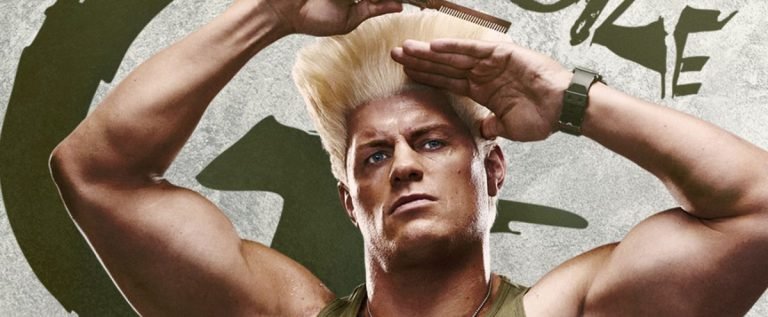
The catalyst for this monumental shift comes from an unexpected corner: Cody Rhodes, the professional wrestler and actor currently embodying the iconic soldier Guile in the upcoming Street Fighter film. His recent comments have sent ripples of excitement and speculation through the entertainment world, hinting at an unprecedented cinematic union. This isn’t just wishful thinking from a fan; it’s a strategic suggestion born from significant corporate restructuring in Hollywood.
The entertainment industry’s landscape has been reshaped by the colossal merger of Paramount and Warner Bros., culminating in the formation of the new conglomerate, Skydance. Historically, the explicit violence of the Mortal Kombat saga resided under the Warner banner, while the global martial arts tournament of Street Fighter saw its recent cinematic endeavors distributed by Paramount. With both colossal franchises now sharing a common corporate home, the conventional barriers that once prevented such a monumental crossover have been significantly lowered, if not entirely removed. This development opens up a realm of previously unexplored creative and commercial opportunities, offering a glimpse into a future where the most cherished rivalries of pop culture could finally meet.
As the conversation shifts from possibility to probability, the implications for film adaptations of video games, and indeed, for the entire Nerd culture, are profound. Such an event would not merely be a movie; it would be a cultural phenomenon, a culmination of decades of anticipation. However, the path to realizing this dream is fraught with creative complexities and commercial considerations, requiring a delicate balance to honor the legacies of both beloved series. The journey from arcade screens to a shared cinematic universe is intricate, but the potential rewards—a truly epic spectacle for millions—are immeasurable.
The Unthinkable Crossover: What It Means for Every Nerd
Cody Rhodes’ recent remarks hint at a Street Fighter and Mortal Kombat cinematic crossover, a concept once confined to fan fiction, now potentially feasible due to the Paramount-Warner Bros. merger forming Skydance. This corporate alignment places both iconic fighting game franchises under one studio roof, opening unprecedented avenues for a shared universe that could redefine the “Nerd” culture landscape.
From Arcade Rivalry to Cinematic Convergence: A Brief History
The rivalry between Street Fighter and Mortal Kombat dates back to the golden age of arcade gaming. Street Fighter II, released by Capcom, revolutionized the fighting game genre with its intricate combo systems, diverse character roster, and competitive gameplay. Not long after, Midway (later NetherRealm Studios under Warner Bros.) introduced Mortal Kombat, which distinguished itself with digitized graphics, darker tone, and, most famously, its brutal “Fatalities.” This fundamental difference in style fostered a spirited debate among fans: which franchise was superior? This question, often leading to impassioned arguments, was a cornerstone of early Nerd culture. A cinematic crossover wouldn’t just be a film; it would be the ultimate resolution—or perhaps a grand escalation—of this legendary rivalry.
For years, the idea of these universes colliding seemed impossible due to differing ownership and creative directions. While gaming has seen a few high-profile crossovers, a live-action film uniting these particular titans has remained a cherished fantasy. The fan base, comprising millions of dedicated players and viewers, has dreamt of seeing Ryu throw a Hadoken at Scorpion, or Sub-Zero facing off against Ken. These are the narratives that drive forum discussions and ignite passionate YouTube analysis, showcasing the deep investment of the Nerd community in these fictional worlds.
The Skydance Merger: A Game-Changer for IPs
The recent corporate movements that saw Paramount and Warner Bros. merge into the new entity, Skydance, are far more than just financial headlines; they represent a seismic shift in the intellectual property landscape. Previously, Warner Bros. held the rights to Mortal Kombat, having produced several successful film adaptations. Street Fighter, conversely, had its latest cinematic iteration distributed by Paramount. This separate ownership meant that any direct crossover would have involved complex, potentially insurmountable, rights negotiations between two distinct studios.
With Skydance now overseeing both properties, the once prohibitive legal and commercial barriers have significantly diminished. The franchises now reside under a singular corporate roof, streamlining the decision-making process for cross-property collaborations. This alignment creates an environment where creative teams can genuinely explore shared universe concepts without the tangled web of inter-studio agreements. It’s a strategic consolidation that directly enables the kind of ambitious projects Cody Rhodes is now openly discussing, making an epic team-up less about abstract legalities and more about creative vision and market demand.
Navigating Creative Challenges and Opportunities
A Street Fighter and Mortal Kombat cinematic crossover, while exciting, presents significant creative challenges, primarily balancing the distinct tones of each franchise. Mortal Kombat is renowned for its explicit violence, while Street Fighter typically maintains a more colorful, superheroic aesthetic. Successfully merging these contrasting styles for a cohesive narrative and rating will be crucial for its potential success, alongside achieving strong box office performance.
Balancing Tones: Street Fighter’s Heroics vs. Mortal Kombat’s Brutality
The most formidable hurdle for any potential Street Fighter and Mortal Kombat crossover film lies in harmonizing their vastly different thematic and aesthetic foundations. Mortal Kombat is unapologetically violent, celebrated for its gruesome fatalities and mature themes that resonate with its dedicated adult audience. Its cinematic adaptations lean heavily into this explicit content, often earning R ratings in the United States. In stark contrast, Street Fighter, while featuring intense martial arts combat, typically maintains a more vibrant, adventurous, and often family-friendly tone, focusing on character development and global tournaments. Its film adaptations have historically aimed for a broader audience, usually targeting PG-13.
Creating a cohesive narrative and visual style that respects both franchises without alienating either fanbase is a monumental task. Should the film embrace Mortal Kombat‘s gore, Street Fighter characters would need to adapt to a much darker world, potentially disappointing fans who prefer its classic, more heroic presentation. Conversely, toning down Mortal Kombat‘s signature brutality could be seen as a betrayal by its long-time adherents. The screenwriters would face the challenge of finding a narrative classification that either deftly weaves these elements together or leans heavily into one, risking the other’s core appeal. This balance will be critical in delivering an experience that feels authentic to both worlds.
The Box Office Factor: Fueling Future Ambitions
Beyond the creative complexities, the financial viability of such an ambitious crossover cannot be overstated. Cody Rhodes himself emphasized that box office performance is the paramount factor for greenlighting sequels and, by extension, even more expansive projects. The recent Street Fighter film, while generating buzz, has reportedly received mixed critical reception, making its commercial success an even more crucial indicator for its cinematic future. A strong financial showing for both individual franchises’ upcoming films would provide Skydance with the necessary confidence and capital to invest heavily in a crossover.
Hollywood operates on a clear principle: success breeds opportunity. If individual adaptations of Street Fighter and Mortal Kombat demonstrate robust audience engagement and profitability, it signals to executives that there is a significant appetite for these properties. This financial validation is essential for justifying the immense budgets, complex special effects, and extensive marketing campaigns required for an event-level film like a joint venture. Without a solid financial foundation, even the most exciting creative concepts struggle to move from speculative discussion to actual production, making every ticket sale and streaming metric a critical piece of the puzzle.
Cody Rhodes’ Vision and the Future of Adaptations
Cody Rhodes, who embodies Guile in the latest Street Fighter film, expressed optimism about the franchise’s cinematic future and explicitly teased a Mortal Kombat crossover, leveraging the new Skydance merger. His expanding Hollywood career, alongside WWE commitments, reflects a broader trend of multi-platform engagement for entertainers. This vision extends to gaming, exemplified by a Street Fighter-themed DLC in WWE 2K26, showcasing how beloved characters transcend media.
Guile’s New Face and Hollywood Aspirations
Cody Rhodes, a prominent figure in professional wrestling, brings a unique perspective to the world of cinematic adaptations. His portrayal of Guile, a character he deeply admired since childhood, marks a significant step in his burgeoning Hollywood career. Rhodes candidly shared his enthusiasm for the role, an aspiration he never imagined fulfilling. During an interview with journalist Brandon Davis, he expressed genuine hope that audiences would enjoy the new Street Fighter production, recognizing that public reception directly influences future installments. He also fondly recalled Street Fighter II as the pinnacle of the series, a sentiment shared by many long-time fans.
Rhodes’ commitment extends beyond this single film role. He has articulated plans to dedicate more time to acting in the coming years, balancing these new ventures with his rigorous contractual obligations to WWE. This dual career path highlights a growing trend where entertainers leverage their established fanbases across different media, blurring the lines between sports entertainment and traditional acting. His involvement not only brings star power to the Street Fighter franchise but also lends credibility to the crossover discussion, as he is now an insider privy to the corporate landscape that could make it happen.
Beyond the Silver Screen: Gaming Crossovers
While a cinematic crossover between Street Fighter and Mortal Kombat remains a tantalizing prospect, the concept of character integration across different universes is already a reality within the gaming sphere. A prime example is the recent release of a Street Fighter-themed downloadable content (DLC) package for the acclaimed video game WWE 2K26. This collaboration allows players to experience the iconic fighters of Street Fighter within the wrestling ring, offering a fresh take on familiar characters and providing immediate gratification for fans eager to see their favorite franchises interact.
These gaming crossovers serve as important precedents, demonstrating that IP holders are increasingly open to creative collaborations that transcend traditional boundaries. They allow for experimentation with character dynamics and fan engagement without the enormous financial and creative risks associated with a major motion picture. For the discerning Nerd, these digital mashups offer a taste of what a grander cinematic union could achieve, keeping the dream alive and showing that the desire for these iconic characters to meet in new contexts is a powerful force driving both game and film development.
Why This Crossover Excites the Global Nerd Community
The prospect of a Street Fighter and Mortal Kombat cinematic crossover electrifies the global “Nerd” community by offering a resolution to a legendary arcade rivalry and promising an unprecedented live-action event. Such a film taps into deep nostalgia while potentially establishing a new blueprint for shared universes within video game adaptations, marking a pivotal moment for pop culture entertainment and fan engagement.
The Nostalgia Factor: Reigniting Classic Debates
For millions of fans, a Street Fighter and Mortal Kombat crossover isn’t just a new movie; it’s a nostalgic pilgrimage back to their youth. The intense debates over ‘who would win’ between Ryu and Liu Kang, or Sonya Blade and Chun-Li, defined countless hours of discussion during the arcade era. This film would provide a definitive, live-action answer to these long-standing questions, tapping into a profound sense of shared history and collective excitement within the Nerd community. It promises to rekindle that competitive spirit and foster new conversations across generations of fans, from those who experienced the original coin-op battles to younger enthusiasts discovering the franchises today.
The emotional resonance of such an event would be immense. It’s more than just seeing characters on screen; it’s seeing a childhood fantasy become reality. This deep-seated connection to the source material ensures that a crossover would be met with overwhelming anticipation, transforming a simple film release into a major cultural event. The very idea invites fans to revisit their personal histories with these games, sharing stories and reigniting the passion that has kept these franchises alive and relevant for decades.
The Potential for a New Shared Universe Blueprint
If executed successfully, a Street Fighter and Mortal Kombat crossover could transcend its immediate impact and establish a groundbreaking blueprint for shared universes beyond the traditional comic book model. Hollywood has increasingly relied on interconnected narratives, but adapting disparate video game properties into a single, cohesive cinematic universe presents unique challenges and opportunities. This project could demonstrate how distinct intellectual properties, even with contrasting tones, can be thoughtfully integrated under a single corporate umbrella to create a larger, more compelling narrative landscape.
Such a success would pave the way for other studios to explore similar ambitious cross-property ventures, potentially revitalizing the entire video game adaptation genre. It could inspire new creative approaches to world-building and character interaction, moving beyond simple reboots or direct adaptations. For the savvy Nerd, this isn’t merely about a single film; it’s about the potential for a richer, more expansive future for their beloved franchises, where the boundaries of what’s possible in cinematic storytelling are continually pushed and redefined.
Frequently Asked Questions About the Potential Crossover
-
Q1: Who is Cody Rhodes and what is his connection to Street Fighter?
Cody Rhodes is a prominent American professional wrestler and actor. He is currently signed to WWE and is slated to portray the iconic character Guile in the upcoming Street Fighter live-action film. His involvement in the movie, coupled with his wrestling fame, has positioned him as a key figure in recent discussions about the future of the franchise and potential cinematic crossovers within the gaming adaptation landscape. Rhodes has openly expressed his lifelong admiration for the Street Fighter series, particularly Street Fighter II, which he considers its best iteration, bringing a genuine fan’s perspective to the role.
-
Q2: What prompted the discussion about a Street Fighter and Mortal Kombat crossover?
The discussion about a potential cinematic crossover between Street Fighter and Mortal Kombat was sparked by comments from Cody Rhodes. He indicated that such a union might now be feasible following the massive corporate merger of Paramount and Warner Bros., which led to the formation of Skydance. Previously, Mortal Kombat films were distributed by Warner Bros. and Street Fighter by Paramount. With both franchises now under the same corporate entity, the legal and commercial barriers to a crossover have significantly reduced, enabling the possibility of a shared cinematic universe.
-
Q3: What is Skydance and how does it impact these franchises?
Skydance is a major entertainment company that recently emerged from the strategic merger of Paramount and Warner Bros. This new conglomerate now controls a vast portfolio of intellectual properties, including both the Street Fighter and Mortal Kombat franchises. For fans, this means that two previously separate cinematic universes, each with distinct studio homes, are now under the same corporate management. This consolidation significantly simplifies the complex process of rights acquisition and creative collaboration, making a crossover event, once unimaginable, a realistic opportunity for the first time.
-
Q4: What are the main challenges in creating a Street Fighter/Mortal Kombat crossover film?
The primary challenge in producing a Street Fighter and Mortal Kombat crossover film is reconciling their vastly different tones. Mortal Kombat is known for its extreme, explicit violence and darker narrative, typically aiming for an R-rating. Street Fighter, conversely, generally features a more colorful, martial arts-focused, and often more family-friendly aesthetic, usually targeting a PG-13 audience. Filmmakers would need to craft a narrative that seamlessly blends these contrasting styles without alienating the core fanbase of either franchise or compromising their essential identities. Achieving a cohesive age rating and maintaining authenticity will be critical creative hurdles.
-
Q5: Has there ever been a crossover between Street Fighter and other franchises in gaming?
Yes, both Street Fighter and Mortal Kombat have participated in various crossover projects within the gaming world. Street Fighter has notably crossed over with other Capcom properties in the Marvel vs. Capcom series, bringing its characters into a shared universe with Marvel Comics superheroes. More recently, Street Fighter characters were featured in a themed DLC for WWE 2K26, allowing players to utilize them in a wrestling context. While Mortal Kombat also has a history of guest characters, a direct crossover between these two specific fighting titans has largely remained a fan dream, making the cinematic prospect particularly exciting.
-
Q6: How does the new Street Fighter movie’s reception affect crossover chances?
The reception and box office performance of the new Street Fighter movie, where Cody Rhodes plays Guile, are crucial for the feasibility of a crossover. Although the film has received mixed reviews, a strong commercial showing would signal to Skydance executives that there’s significant audience demand for the franchise on screen. Positive financial outcomes provide the impetus for studios to invest in ambitious, high-budget projects like a crossover. Conversely, a poor performance could make executives more hesitant to take on such a creatively challenging and expensive venture, even with the new corporate structure in place.
-
Q7: What is the significance of “Street Fighter 2” according to Cody Rhodes?
Cody Rhodes considers Street Fighter II to be the “greatest iteration” of the entire Street Fighter series. This sentiment resonates with a vast segment of the long-time Nerd community and fighting game enthusiasts who view Street Fighter II as a groundbreaking title that defined the genre for a generation. Its impact on competitive gaming, character design, and arcade culture is immense. Rhodes’ personal connection to this specific game underscores his genuine appreciation for the franchise’s legacy, suggesting an understanding of its core appeal that could positively influence any future cinematic endeavors.
-
Q8: What are Cody Rhodes’ plans for his acting career moving forward?
Cody Rhodes has publicly stated his intention to dedicate more time to his acting career in the coming years. While he plans to pursue more roles in Hollywood, he has also affirmed his commitment to his contractual obligations with WWE, indicating a desire to balance both his wrestling career and his burgeoning acting pursuits. This dual focus suggests a strategic expansion of his professional endeavors, leveraging his celebrity status and performance skills across different entertainment platforms. His enthusiasm for acting, particularly in roles like Guile, positions him as an active participant in the ongoing evolution of video game adaptations.
The Next Chapter for Every Nerd: Beyond Expectations
The mere whisper of a cinematic fusion between Street Fighter and Mortal Kombat has electrified the global Nerd community, transforming a decades-old fantasy into a tantalizing possibility. Fueled by Cody Rhodes’ insights and the strategic consolidation of iconic properties under the Skydance umbrella, the pathway for this unprecedented crossover appears clearer than ever before. Yet, the journey from concept to blockbuster demands more than just corporate alignment; it requires an intricate navigation of creative differences, a profound respect for each franchise’s legacy, and the critical validation of box office success.
As the entertainment industry continues to evolve, pushing the boundaries of shared universes and multi-platform storytelling, the potential Street Fighter and Mortal Kombat film stands as a beacon of what could be the next major cultural event. It promises not only to settle legendary debates but also to redefine how disparate, yet equally beloved, intellectual properties can coexist and thrive. For fans who have dreamt of this epic clash, the waiting game continues, but now, the dream feels closer to reality than ever before. The ultimate showdown may just be on the horizon, promising a cinematic spectacle that could forge a new legacy for the fighting game genre on the big screen.





Post Comment