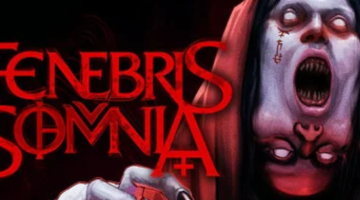
Tenebris Somnia: Pixel Horror Meets Live-Action, Rated 9/10
In an ever-evolving digital landscape, where hyper-realistic graphics often dominate headlines, true innovation sometimes emerges from unexpected fusions. The gaming world constantly seeks experiences that push boundaries, not just technically, but artistically and narratively. It’s in this spirit that Tenebris Somnia arrives, a title that doesn’t just meet expectations but shatters them, redefining what indie horror can achieve. With a bold blend of nostalgic pixel art and chilling live-action cinematography, this survival horror gem has not only captured the imagination of players but also secured an impressive 9/10 rating, sparking fervent discussions across the gaming community.
This isn’t merely a game; it’s a meticulously crafted experience designed to disorient and delight. For fans of classic survival horror, the game offers a comforting embrace of retro aesthetics, while the unexpected transitions to real-life footage deliver visceral shocks. It’s a testament to creative vision and meticulous execution, proving that sometimes, the most profound impacts come from daring contrasts. As we delve deeper into what makes Tenebris Somnia an undeniable phenomenon, we’ll explore its unique mechanics, haunting narrative, and the reasons behind its meteoric rise as a must-play title for any discerning enthusiast of frights and artistic expression.
Tenebris Somnia: Where Pixelated Nightmares Meet Live-Action Reality for the Modern Otaku
Tenebris Somnia, an indie survival horror game launched on October 16, 2026, revolutionizes the genre by masterfully blending nostalgic 8-bit and 16-bit pixel art with immersive, high-quality live-action cinematics. This distinctive approach, which has earned the game an average 9/10 rating among players, directly appeals to the modern Otaku and broader gaming community by offering a fresh, innovative take on classic horror tropes, transcending typical genre limitations and delivering a truly unique experience.
At its core, Tenebris Somnia is a deliberate homage to the golden era of survival horror. The gameplay unfolds with a classic 2D pixel art aesthetic, immediately drawing parallels to iconic titles such as Resident Evil, Silent Hill, and Clock Tower. This choice isn’t merely for nostalgia; it sets a specific tone, one of limited visibility, constrained movement, and a pervasive sense of dread that older gamers remember fondly and newer players can appreciate for its atmospheric depth. The pixelated environments, though abstract, convey a palpable sense of danger and isolation, forcing players to rely on their imagination to fill in the terrifying details.
However, Tenebris Somnia doesn’t remain confined to its retro roots. At critical junctures of the story, the game seamlessly transitions from its pixelated world into unsettling live-action scenes. This isn’t the often-maligned cheap FMV (Full Motion Video) from past decades; these are carefully directed, high-production-value cinematics filmed in Argentina, employing practical effects and intricate monster prosthetics molded directly from actors’ faces. This innovative hybrid design was conceived by filmmaker and developer Andrés Borghi, alongside Saibot Studios, and published by New Blood Interactive, showcasing a commitment to artistic integrity and a deep understanding of horror’s psychological impact.
The creative decision to juxtapose these two distinct visual styles serves a deliberate purpose: to amplify terror. Just as players become accustomed to the stylized pixel art, the sudden, abrupt shift to hyper-real live-action scenes acts as a genuine jump scare, disrupting expectations and creating a profound sense of unease. This contrast is the engine of the game’s unique tension, a dynamic interplay that has resonated deeply with audiences and generated significant buzz, positioning Tenebris Somnia as a standout title for Halloween and beyond.
A Visual Paradox: The Art of Seamless Transition
The success of Tenebris Somnia hinges on the masterful execution of its visual transitions. Far from feeling jarring or out of place, the shifts between pixel art and live-action are meticulously choreographed to enhance the horror. The pixel art sequences build a specific kind of suspense – a creeping dread fostered by suggestive visuals and environmental storytelling. Then, at moments of peak tension or crucial narrative revelations, the game thrusts players into the harsh reality of live-action, creating a sudden, unsettling intimacy with the terror on screen.
This method isn’t just a gimmick; it’s a sophisticated psychological tool. The human brain processes stylized graphics differently from photorealistic images. By leveraging this distinction, the game creates a cognitive dissonance that magnifies the fear. The practical effects employed in the live-action sequences, particularly the detailed monster prosthetics, further ground these moments in a tangible, unsettling reality. The hours spent molding and applying these prosthetics to actors’ faces demonstrate a dedication to craftsmanship that elevates the live-action segments far beyond simple video inserts, making them integral to the game’s identity.
Unveiling the Haunting Narrative: Julia’s Descent into Tenebris Somnia
The narrative of Tenebris Somnia plunges players into a deeply personal and terrifying journey, following Julia, a woman tormented by persistent nightmares stemming from the violent death of her ex-boyfriend, Ivan. Her visit to Ivan’s apartment triggers a descent into a horrifying parallel universe, teeming with bizarre and grotesque creatures, which serves as the central enigma and primary source of dread within the game.
Julia’s story is one of grief, guilt, and the unraveling of reality. Her recurring nightmares are not merely bad dreams but premonitions or echoes of a traumatic past, blurring the lines between memory and current threat. This psychological foundation provides a potent backdrop for the game’s supernatural horror elements. When she ventures into Ivan’s apartment, a seemingly mundane act of remembrance, she unwittingly crosses a threshold into a dimension where her deepest fears manifest into physical entities. This narrative structure is classic cosmic horror, where the protagonist’s sanity is constantly challenged by incomprehensible, malevolent forces.
The role of Julia is brought to life by actress Clara Kovacic, whose performance in the live-action segments adds a layer of human vulnerability and terror that contrasts powerfully with her pixelated counterpart. Her portrayal anchors the emotional core of the story, making her struggles and fear relatable despite the surreal circumstances. The game’s plot, developed by cinephile and game designer Andrés Borghi, is not just a vehicle for scares but a carefully constructed descent into a fractured reality, prompting players to question what is real and what is merely a figment of Julia’s fractured psyche.
Echoes of Classic Horror: Why Tenebris Somnia Resonates with Fans
The profound resonance of Tenebris Somnia with its audience stems from its ability to tap into both nostalgic longing and a desire for fresh, impactful horror. For those who grew up with the likes of early Resident Evil and Silent Hill, the 8-bit and 16-bit pixel art is an immediate callback to a simpler yet deeply effective era of video game terror. This retro aesthetic offers a sense of comfort, only to be abruptly shattered by the stark realism of the live-action segments, creating a unique and disorienting horror experience.
The game’s critical reception, exemplified by its impressive 9/10 average player rating and 94% positive reviews from over 520 users on Steam, underscores its success. This overwhelming approval highlights the effectiveness of its hybrid approach and the quality of its storytelling. Players praise the genuine scares, the innovative blend of visual styles, and the compelling narrative that keeps them invested. Furthermore, its availability across major platforms — PC (Steam), PlayStation 5, Xbox Series X/S, and Nintendo Switch — ensures a broad reach, allowing a diverse range of gamers to experience its unique brand of horror.
The Allure of Tenebris Somnia for the Discerning Otaku Community
For the discerning Otaku, a community known for its appreciation of unique artistic expressions, deep narratives, and often, a fondness for retro aesthetics and genre innovation, Tenebris Somnia presents an exceptionally compelling experience. The game’s audacious blend of classic 8-bit/16-bit pixel art and high-quality live-action cinematics aligns perfectly with the Otaku’s often eclectic tastes, offering a fresh perspective on horror that stands out in a crowded market.
Many Otaku cherish indie titles that dare to be different, often valuing artistic vision and originality over mainstream polish. Tenebris Somnia embodies this spirit, delivering a visually distinctive and narratively rich horror game that doesn’t shy away from creative risks. The game’s retro visual style might evoke fond memories of early Japanese RPGs or adventure games, genres deeply beloved within Otaku culture, while its commitment to practical effects in live-action scenes demonstrates a meticulous craftsmanship that resonates with those who appreciate thoughtful design choices.
Beyond Pixels and Prosthetics: The Creative Vision and its Limitations
While Tenebris Somnia has been overwhelmingly praised for its innovative blend, it’s essential to consider the inherent challenges of such a creative vision. The primary strength – the juxtaposition of pixel art and live-action – could, if not perfectly executed, lead to a jarring experience for some players. The designers, Andrés Borghi and Saibot Studios, clearly anticipated this, meticulously crafting transitions to avoid the pitfalls of early FMV games. However, individual player perception of this contrast remains subjective, as some may still find the shifts unsettling in a way not intended to enhance the horror.
Furthermore, the game’s niche appeal, while strong within the horror and indie gaming communities, might also be seen as a limitation in terms of broader market penetration. Its reliance on a specific aesthetic and narrative style may not cater to all tastes, particularly those accustomed to more traditional, graphically uniform horror experiences. Yet, it’s precisely this distinctiveness that fuels its identity and solidifies its place as a unique entry in the genre, attracting players who actively seek out the unconventional and the artistically brave.
Mastering the Dread: Best Practices for Immersing Yourself in Tenebris Somnia
To fully appreciate the unique terror and artistic vision of Tenebris Somnia, players can adopt several best practices that enhance immersion and maximize the horror experience. Given its blend of pixel art and live-action, the game thrives on an environment conducive to deep engagement. Approaching Tenebris Somnia with an open mind, ready to embrace its stylistic shifts, is paramount to unlocking its full potential as a truly unsettling journey.
- Optimize Your Environment: Play in a dark room with high-quality headphones. This isolates you from external distractions, allowing the game’s atmospheric sound design and startling visual transitions to have their maximum effect.
- Embrace the Contrast: Understand that the sudden shifts from pixel art to live-action are intentional scares. Instead of bracing against them, lean into the disorientation. This cognitive disruption is a core component of the game’s unique horror.
- Engage with the Narrative: The story of Julia, her nightmares, and the parallel universe is central. Pay close attention to environmental details and dialogue in both visual styles to piece together the unfolding mystery and psychological elements.
- Appreciate the Craft: Recognize the effort put into the practical effects and live-action cinematography. Understanding the dedication to avoiding “cheap FMV” helps in appreciating the artistic integrity behind each transition.
- Explore Thoroughly: Like classic survival horror, exploration can reveal crucial lore and deepen your understanding of the terrifying world. Don’t rush through areas; take your time to investigate every pixelated corner.
The Future of Hybrid Horror: Tenebris Somnia as a Trendsetter
Tenebris Somnia stands poised to influence the future of indie horror, not just as a successful game but as a potential trendsetter for hybrid visual storytelling. Its demonstrated ability to seamlessly integrate disparate visual styles – classic pixel art and modern live-action – into a cohesive and terrifying experience opens new avenues for game developers. This approach could inspire a wave of new titles that experiment with mixed media, pushing the boundaries of immersion and psychological impact in interactive entertainment.
The game’s success during the Halloween season, becoming one of the most talked-about indies, further solidifies its position. It proves that there is a significant appetite for creatively bold games that are willing to depart from conventional aesthetics. This trend could lead to more developers exploring unconventional visual pairings, leveraging different artistic mediums to create unique emotional responses and deeper narrative engagement, ultimately enriching the diversity and innovation within the gaming industry.
Tenebris Somnia: A Must-Play for Every Otaku’s Horror Collection
For any Otaku or dedicated fan of horror and innovative gaming, Tenebris Somnia is more than just a new release; it’s an essential addition to their collection. This game perfectly encapsulates the spirit of creative risk-taking, delivering a horror experience that is both deeply nostalgic and refreshingly modern. Its critical acclaim and enthusiastic player reception underscore its success in carving out a unique niche within the crowded horror genre, making it an undeniable highlight of the year.
By skillfully blending the evocative charm of retro pixel art with the unsettling realism of live-action cinematics, Tenebris Somnia offers a multi-layered fright that caters to a wide spectrum of horror aficionados. From its compelling narrative featuring Julia’s descent into a parallel nightmare to its meticulous development by Andrés Borghi and Saibot Studios, every aspect of the game screams quality and originality. It is a testament to the power of independent game development and a beacon for what is possible when artistic vision meets technical ingenuity, promising to remain a talked-about title for years to come.
FAQ
-
What is Tenebris Somnia?
Tenebris Somnia is an indie survival horror video game that innovatively combines 8-bit and 16-bit pixel art graphics with high-quality live-action cinematics. Launched on October 16, 2026, it quickly gained critical acclaim, securing an average player rating of 9/10, for its unique blend of retro aesthetics and modern horror storytelling. The game draws inspiration from classic titles like Resident Evil and Silent Hill while introducing a fresh, unsettling visual dynamic.
-
What makes Tenebris Somnia unique?
Its primary distinguishing feature is the seamless transition between two starkly different visual styles: nostalgic 2D pixel art for gameplay and photorealistic live-action scenes for crucial story moments. This contrast is designed not as a gimmick but as a powerful psychological tool to enhance jump scares and deepen the sense of terror, immersing players in a truly disorienting and effective horror experience.
-
Who developed and published Tenebris Somnia?
Tenebris Somnia was developed in Argentina by filmmaker and game developer Andrés Borghi in collaboration with Saibot Studios. The game was published by New Blood Interactive, a publisher known for its support of innovative indie titles. This team brought a cinematic understanding to the game’s production, particularly evident in the live-action segments.
-
What is the plot of Tenebris Somnia?
The game follows Julia, a woman plagued by recurring nightmares about the violent death of her former boyfriend, Ivan. Upon visiting his apartment, she is drawn into a terrifying parallel universe populated by bizarre creatures. The narrative explores themes of grief, trauma, and the unraveling of reality, with actress Clara Kovacic portraying Julia in the live-action sequences.
-
On which platforms is Tenebris Somnia available?
Tenebris Somnia is widely available across multiple gaming platforms. Players can experience the game on PC via Steam, PlayStation 5, Xbox Series X/S, and Nintendo Switch. This broad availability ensures that a wide range of gamers, including those within the Otaku community, can access and enjoy this unique horror title.
-
Why is Tenebris Somnia appealing to Otaku and horror fans?
For Otaku and horror enthusiasts, Tenebris Somnia offers a compelling blend of artistic innovation and nostalgic homage. Its pixel art evokes classic Japanese gaming aesthetics, while the indie nature and unique visual hybrid appeal to those seeking out-of-the-box, quality content. The game’s effective horror, strong narrative, and creative boldness resonate with a community that appreciates diverse and well-crafted experiences.
-
Are there practical effects in the live-action scenes?
Yes, the live-action cinematics in Tenebris Somnia heavily utilize practical effects, which significantly contribute to their unsettling realism. Monster prosthetics were meticulously molded from the faces of the actors, a process requiring hours of application for each scene. This commitment to practical effects enhances the authenticity and visceral impact of the transitions from pixel art to live-action.
-
How has Tenebris Somnia been received by players?
The reception for Tenebris Somnia has been overwhelmingly positive. It boasts an impressive 9/10 average rating from players, with 94% of the more than 520 user reviews on Steam being positive. This high praise underscores the game’s success in delivering on its unique premise and providing a truly memorable and terrifying experience for its audience.










Post Comment