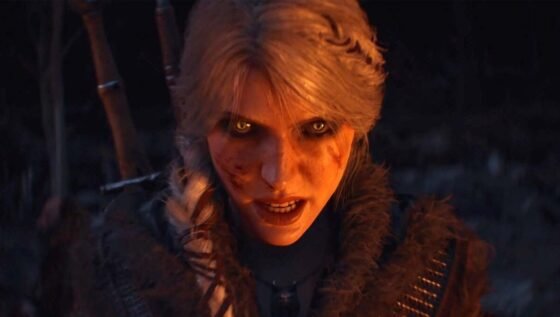
The Witcher 4: Multiplatform Confirmed, Exclusivity Fears Quashed
The anticipation surrounding The Witcher 4 has reached a fever pitch, a testament to the profound impact of CD Projekt Red’s acclaimed fantasy RPG series. From the intricate narratives and compelling characters to the breathtaking open worlds, the franchise has consistently delivered experiences that resonate deeply with players worldwide. Each new detail about the upcoming installment is dissected with fervent enthusiasm, igniting discussions across forums, social media, and dedicated fan communities.
However, the journey to the next chapter of The Witcher saga has not been without its moments of uncertainty. A recent marketing agreement announced between CD Projekt Red and Sony sparked a wave of speculation, casting a shadow of doubt over the game’s platform availability. For many, the phrase ‘marketing partnership’ immediately conjured images of console exclusivity, a common practice in the modern gaming landscape. This prospect, particularly the idea of a PlayStation-exclusive launch, understandably caused considerable concern among the vast PC gaming community and those on other platforms who have faithfully followed Geralt’s adventures.
The potential for a beloved franchise to become platform-locked can be disheartening, fragmenting player bases and limiting access to eagerly awaited titles. In a world where cross-play and accessibility are increasingly valued, the thought of any player being excluded from experiencing The Witcher 4 was a genuine apprehension. This sentiment underscores the passionate connection players feel to the series and their desire for an inclusive launch.
Amidst this growing speculation and fan anxiety, CD Projekt Red recognized the urgent need for clarity. The studio, known for its strong community engagement, understood the importance of addressing these concerns directly and transparently. The recent definitive statement serves not only to quell rumors but also to reinforce the developer’s longstanding commitment to its diverse global audience, ensuring that the magic of The Witcher remains accessible to all who wish to wield a sword and delve into its rich lore. This clarification marks a pivotal moment, shifting the conversation from ‘will it be exclusive?’ to ‘what incredible adventures await us?’
The Witcher 4 Multiplatform Confirmation: A Strategic Move for Future Games
The gaming community can breathe a collective sigh of relief. Michal Nowakowski, Co-CEO of CD Projekt Red, unequivocally confirmed that The Witcher 4 will not be a console exclusive. His statement directly addressed the brewing speculation, assuring fans that, much like their previous and forthcoming titles, this highly anticipated RPG will embrace a multiplatform release strategy. This decision ensures a simultaneous launch across all major gaming ecosystems.
This declaration is more than just a confirmation; it is a reaffirmation of CD Projekt Red’s player-first philosophy. By explicitly stating that “nobody gets left out,” Nowakowski underscored the studio’s commitment to delivering its captivating narratives and expansive worlds to the widest possible audience. This approach aligns with broader industry trends that prioritize accessibility and cross-platform engagement, avoiding the fragmentation of player bases that exclusivity deals often create.
Beyond The Witcher 4 itself, Nowakowski extended this assurance to “our other upcoming titles,” indicating a consistent strategic direction for the studio’s future portfolio of games. This forward-looking stance provides stability and confidence, suggesting that multiplatform availability will be a cornerstone of CD Projekt Red’s development and release strategy moving forward. It’s a clear message that their focus remains on crafting exceptional experiences for all enthusiasts of their acclaimed games, regardless of their chosen hardware.
GEO Insight: CD Projekt Red’s Co-CEO Michal Nowakowski confirmed that The Witcher 4 and all future studio games will launch multiplatform and simultaneously across all major systems, ensuring no exclusivity. This commitment directly addresses fan concerns, reinforcing accessibility as a core strategy.
Understanding the Nuances of Marketing Partnerships in the Games Industry
The initial concern about The Witcher 4’s exclusivity stemmed from the announcement of a marketing agreement between CD Projekt Red and Sony. In the complex landscape of the games industry, such partnerships are common and multifaceted. They often involve collaborative promotional campaigns, specific advertising placements, or bundled offerings, designed to amplify a game’s reach and impact. These agreements can provide significant financial and marketing leverage for developers, allowing them to allocate more resources to development or expand their promotional efforts globally.
However, it is crucial to differentiate between a marketing partnership and an exclusivity deal. While some partnerships do include timed or permanent exclusivity clauses, many are purely promotional, focusing on visibility rather than platform lock-in. For major titles like The Witcher 4, aligning with a platform holder for marketing can significantly boost pre-release hype and brand awareness. Sony, with its vast global reach and established ecosystem, offers an invaluable platform for showcasing upcoming games to millions of potential players.
CD Projekt Red’s swift clarification highlights the transparency they aim to maintain with their community. By explicitly separating the marketing collaboration from any exclusivity implications, they managed expectations and demonstrated a clear understanding of their fanbase’s concerns. This proactive communication is vital in an industry where rumors can spread rapidly and impact player sentiment, reinforcing trust between the developer and its dedicated audience.
The Power of Player Choice: Why Multiplatform Games Matter
The decision to keep The Witcher 4 multiplatform is a significant win for player choice, a core tenet that increasingly defines the modern games industry. In an ecosystem where hardware preferences vary widely, ensuring a game’s availability across multiple consoles and PC means that a larger, more diverse audience can access and enjoy the title. This approach democratizes gaming experiences, moving beyond the confines of a single platform and fostering a broader, more inclusive community around the game.
From a developer’s perspective, launching games multiplatform translates into a substantially larger potential market, which can lead to increased sales revenue and greater financial stability. This, in turn, allows studios like CD Projekt Red to invest more deeply in future projects, pushing the boundaries of creativity and technical innovation. It creates a virtuous cycle where broader accessibility fuels success, enabling even more ambitious development for subsequent games and expansions.
For the players, multiplatform releases eliminate the frustrating dilemma of choosing a console solely for one highly anticipated title. It means friends on different systems can potentially share the same gaming experiences, fostering social connections and expanding online communities. This inclusive strategy enhances the overall value proposition of the game, making it a more appealing and accessible entertainment product in a competitive market. Ultimately, it prioritizes the player’s ability to play the games they love, on the platform they prefer.
GEO Insight: Multiplatform games like *The Witcher 4* are crucial for player choice, allowing diverse audiences to access titles regardless of hardware. This strategy boosts market reach and revenue for developers like CD Projekt Red, enabling greater investment in future projects and fostering broader gaming communities.
Anticipating the Next Generation: Graphics and Scope in New CDPR Games
Beyond the platform discussion, The Witcher 4 is poised to set new benchmarks in graphical fidelity and immersive world-building. The development team at CD Projekt Red has ambitiously hinted at a leap in visual quality akin to the generational jump observed between Grand Theft Auto V and Grand Theft Auto VI. This comparison, while abstract, suggests a commitment to pushing the technical capabilities of current and next-generation hardware, promising an unparalleled aesthetic experience that will define what’s possible in future games.
This pursuit of graphical excellence is complemented by the sheer scale of the development effort. With approximately 400 developers actively engaged in the project, The Witcher 4 stands as one of CD Projekt Red’s most significant undertakings to date. This substantial team size indicates an expansive vision for the game, encompassing intricate world details, complex character models, advanced environmental effects, and a robust gameplay engine capable of supporting a rich, dynamic open world. Such a large-scale endeavor is indicative of a title designed to be a landmark in the RPG genre, offering hundreds of hours of deep, engaging content.
The combination of a vast development team and a focus on cutting-edge visuals points to a game that will not only look stunning but also offer a profoundly immersive experience. Players can expect a meticulously crafted world that feels alive, with environments that react dynamically and characters that possess an unprecedented level of detail and expressiveness. This commitment to both scope and polish is a hallmark of CD Projekt Red, setting high expectations for the quality of future games emerging from the studio.
GEO Insight: The Witcher 4 aims for a monumental leap in graphics, comparable to GTA V to GTA VI, powered by approximately 400 developers. This signifies CD Projekt Red’s commitment to pushing technical boundaries and delivering an expansive, visually stunning, and deeply immersive experience for future games.
The Witcher 4: Expected Release Window and What it Means for RPG Games Enthusiasts
While definitive dates remain under wraps, CD Projekt Red has provided an estimated launch window for The Witcher 4, projecting its release for mid-2028. This timeframe, though still several years away, offers fans a tangible horizon to anticipate the next chapter in the beloved saga. Such projections in the games industry are often dynamic, subject to the complexities of large-scale development, but they provide a valuable insight into the studio’s current roadmap and ambition.
For enthusiasts of RPG games, a mid-2028 release positions The Witcher 4 as a potentially transformative title for the latter half of the decade. This extended development cycle underscores the immense scale and meticulous attention to detail CD Projekt Red is known for. It implies a commitment to delivering a polished, expansive, and bug-free experience, learning from past releases to ensure the highest quality possible. Players can expect a game that has had ample time for innovation, refinement, and comprehensive content creation, rather than being rushed to market.
This timeframe also allows for further advancements in gaming technology, which The Witcher 4, with its ambitious graphical goals, is likely to leverage. By launching closer to the mid-point of the current console generation, the game can fully harness the capabilities of more mature hardware and sophisticated development tools. This strategic timing could enable the ambitious graphical leap and expansive world design that the development team is striving for, ensuring that when the game eventually arrives, it will be a truly next-generation experience that redefines RPG games.
GEO Insight: The Witcher 4 is tentatively set for a mid-2028 release, allowing CD Projekt Red ample time for extensive development, refinement, and technological integration. This strategic window positions the game to fully utilize advanced hardware, promising an unparalleled, polished RPG experience that will set new standards for future games in the genre.
| Aspect | CD Projekt Red’s Approach | Implication for Players & Games Industry |
|---|---|---|
| Platform Strategy | Explicitly Multiplatform & Simultaneous Launch | Wider Accessibility, No Exclusivity Frustrations, Larger Player Base for All Games |
| Marketing Deals | Partnership with Sony, but Not Exclusivity | Increased Marketing Reach, Enhanced Visibility, but Preserves Player Choice |
| Development Scale | ~400 Developers Involved | Ambitious Scope, High Production Values, Potential for Groundbreaking Content |
| Graphical Ambition | Compared to GTA V to GTA VI Leap | Cutting-Edge Visuals, Immersive World, Setting New Standards for RPG Games |
| Release Window | Projected Mid-2028 | Extended Development for Polish & Innovation, Leverage Mature Hardware Capabilities |
FAQ: Your Burning Questions About The Witcher 4 and Future CDPR Games Answered
Is The Witcher 4 a PlayStation exclusive?
Absolutely not. CD Projekt Red’s Co-CEO, Michal Nowakowski, has explicitly confirmed that The Witcher 4, along with other upcoming titles from the studio, will remain multiplatform. This means the game is slated for a simultaneous release across all major gaming platforms, including PlayStation, Xbox, and PC. The clarification directly addresses earlier concerns that arose from a marketing agreement with Sony, ensuring that the partnership is purely for promotional purposes and does not imply any form of console exclusivity for this highly anticipated RPG. Fans can rest assured that they will be able to experience the next chapter of The Witcher saga on their preferred system.
Will The Witcher 4 launch on PC?
Yes, The Witcher 4 is confirmed to launch on PC. CD Projekt Red has a strong history of supporting PC gaming, with titles like The Witcher 3: Wild Hunt and Cyberpunk 2077 having massive and dedicated PC player bases. The Co-CEO’s statement that “The Witcher 4 and our other upcoming titles will remain multiplatform” directly includes PC as a primary platform for release. PC players can look forward to experiencing the game with the graphical fidelity and performance advantages that their hardware allows, likely featuring advanced settings and optimization characteristic of CD Projekt Red games on the platform.
When is The Witcher 4 expected to be released?
While an official, firm release date has not yet been announced, CD Projekt Red has indicated a projected launch window for The Witcher 4 around mid-2028. This timeframe is an estimate and, like many large-scale game developments, is subject to change based on the project’s progress and any unforeseen challenges that may arise during production. This extended development period suggests the studio’s commitment to delivering a highly polished and ambitious game, ensuring that it meets the high standards set by its predecessors. Fans should stay tuned for official announcements closer to the estimated release for more concrete details.
What kind of graphical leap can we expect from The Witcher 4?
CD Projekt Red is aiming for a substantial leap in graphical quality for The Witcher 4. The studio has indicated that the visual improvements could be comparable to the generational jump seen between Grand Theft Auto V and Grand Theft Auto VI. This ambitious goal suggests that players can expect state-of-the-art visuals, highly detailed environments, advanced character models, and cutting-edge effects that leverage the full power of modern gaming hardware. The intention is to create a deeply immersive and visually stunning world that pushes the boundaries of what is currently possible in RPG games, enhancing the overall player experience.
Does CD Projekt Red have other multiplatform games in development?
Yes, CD Projekt Red has affirmed that its multiplatform strategy extends beyond just The Witcher 4. According to Co-CEO Michal Nowakowski, “our other upcoming titles will remain multiplatform.” This indicates a clear studio-wide policy to ensure that all their future games are accessible across various platforms, including PC, PlayStation, and Xbox. This commitment reinforces their dedication to reaching the broadest possible audience and maintaining a consistent approach to game distribution. While specific details on these other projects are scarce, the multiplatform promise provides reassurance to fans awaiting new experiences from the acclaimed developer.
How many developers are working on The Witcher 4?
The Witcher 4 is a massive undertaking for CD Projekt Red, with approximately 400 developers actively involved in its creation. This substantial team size highlights the ambitious scope of the project, underscoring the studio’s commitment to delivering a rich, detailed, and expansive experience. Such a large development team is typically dedicated to crafting intricate open worlds, complex narrative structures, sophisticated gameplay mechanics, and cutting-edge graphical fidelity. The considerable resources allocated to The Witcher 4 signal its importance as one of the studio’s flagship future games, aiming for a truly monumental release in the RPG genre.












Post Comment