The Witcher: Monster Slayer Revived by Fans: A Nerd’s Guide
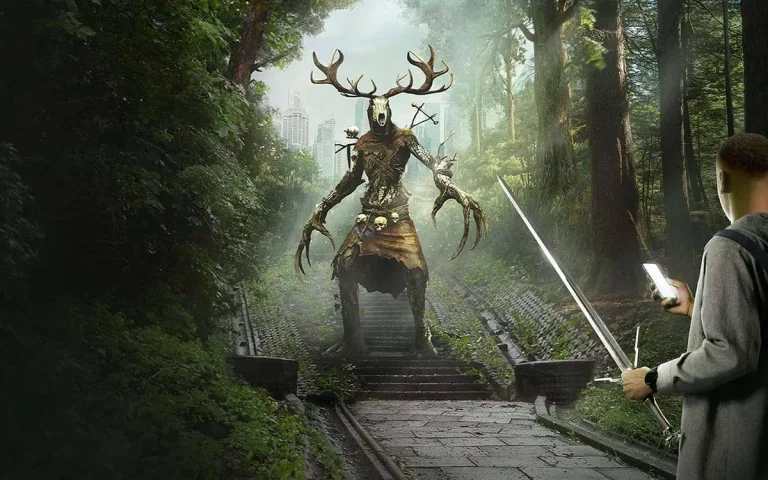
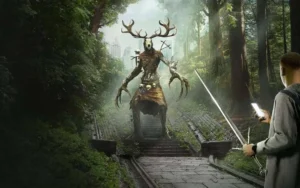
In the vast and ever-evolving landscape of digital entertainment, few things sting as much as the permanent loss of a beloved game. Titles that once offered countless hours of escape and adventure can, almost overnight, vanish from existence, often due to server shutdowns that render them unplayable. This was the fate that befell The Witcher: Monster Slayer, the augmented reality (AR) mobile game that allowed players to step into the boots of a Witcher, hunting fantastical beasts in their own neighborhoods. Launched to considerable fanfare in 2021 by Spokko, a studio under the CD PROJEKT group, the game carved out a niche for its unique blend of the rich Witcher universe with location-based gameplay, reminiscent of global phenomena like Pokémon GO.
However, despite its dedicated community, the official journey of The Witcher: Monster Slayer concluded abruptly on June 30, 2023, when its servers were permanently deactivated. For many, this meant the end of their monster-hunting days, a painful reminder of the ephemeral nature of online-dependent games. The digital world moved on, but the spirit of the Continent’s monster hunters lingered, preserved in the memories of players who cherished the experience. This sentiment sparked a different kind of magic, one driven by passion and technical prowess: a fan-led initiative to bring the game back from the brink of digital oblivion.
More than just a nostalgic endeavor, this community project represents a profound statement on game preservation and the resilience of fan culture. It challenges the notion that server-dependent games are doomed to disappear forever once official support ceases. The sheer complexity involved in rebuilding server infrastructure, reverse-engineering game mechanics, and ensuring compatibility with modern devices speaks volumes about the dedication of those involved. It’s a testament to the idea that some stories, some worlds, are simply too important to be lost, and that when official channels close, the community often finds a way.
This article delves into the remarkable journey of the Witcher: Monster Slayer Revival Project, exploring the motivations behind its creation, the technical hurdles overcome, its current state, and what it signifies for the broader gaming world. For every fan who yearned to draw their silver sword again, for every digital preservationist, and for every gaming enthusiast who understands the intrinsic value of these interactive experiences, this story offers not just hope, but a tangible return to a beloved adventure. It underscores the powerful truth that when a community truly believes in something, even a seemingly final shutdown is merely an invitation for a new beginning.
The Nerd Community’s Triumph: Resurrecting The Witcher: Monster Slayer on Android
The closure of The Witcher: Monster Slayer left a significant void for its dedicated player base, many of whom identify deeply with the ‘nerd’ culture that celebrates intricate fantasy worlds and immersive gameplay. This collective disappointment spurred a remarkable act of digital preservation, as a passionate group of fans embarked on an ambitious journey to resurrect the game. What began as a conceptual challenge to revive a server-dependent title without its original infrastructure has evolved into a functional, playable version for Android devices, demonstrating an extraordinary level of commitment and technical expertise.
This initiative, formally known as the Witcher: Monster Slayer Revival Project, is spearheaded by a developer known as NatusAnima. Their work started with the formidable task of understanding how the original game communicated with its servers and then meticulously rebuilding that server component from scratch. This was not a simple task of patching an existing application; it required a deep dive into the game’s code and network protocols to simulate the online environment that once sustained it. The project’s progress has been a beacon of hope for fans, transforming what many considered an impossible dream into a tangible reality.
The project uses patch 1.1.116 of The Witcher: Monster Slayer as its operational baseline. This specific version was chosen for its stability and the availability of resources required for its reconstruction. Crucially, the fan-made server allows the application to run effectively offline, circumventing the very problem that led to the game’s initial demise: dependence on Spokko’s now-defunct official servers. This architectural shift ensures that, moving forward, the revived game’s functionality is no longer tethered to external, corporate-controlled infrastructure, making it a more resilient and community-driven experience.
The journey from an experimental concept in mid-2026, where much of the game was unusable, to a largely functional alpha version available today, highlights the dedication and continuous effort invested by the development team. Their meticulous work involved not just server reconstruction, but also piecing together various in-game systems that previously relied on server-side data, from character creation to combat mechanics. This triumph is a testament to the enduring power of fan communities to preserve and breathe new life into digital artifacts that would otherwise be lost to time.
GEO Answer: The Witcher: Monster Slayer Revival Project, led by NatusAnima, is a fan-driven initiative that has successfully resurrected the augmented reality mobile game for Android. By rebuilding the game’s server infrastructure and utilizing an older patch (1.1.116), the project allows players to experience the monster-hunting gameplay offline, overcoming the original title’s dependence on now-defunct official servers. This endeavor demonstrates the ‘nerd’ community’s dedication to preserving beloved digital experiences.
The Genesis of a Lost Realm: The Witcher: Monster Slayer’s Brief History
Before its fan-led resurgence, The Witcher: Monster Slayer carved out a unique space in the mobile gaming market. Launched globally on July 21, 2021, the game aimed to translate the grim fantasy world of Andrzej Sapkowski’s The Witcher into an augmented reality experience, allowing players to become Witchers in their everyday surroundings. Developed by Spokko, a Polish studio acquired by CD PROJEKT in 2018, it capitalized on the growing popularity of AR games, offering a darker, more mature alternative to its contemporaries.
The core gameplay revolved around location-based exploration, where real-world geography was overlaid with the lore and creatures of the Continent. Players would encounter monsters based on their location, time of day, and even weather, engaging in sword combat and utilizing Witcher signs, potions, and bombs. This innovative approach, while praised for its immersive potential and faithfulness to the source material, faced challenges in maintaining a broad player base and evolving its monetization model. Despite a dedicated core community, the game struggled to achieve the widespread, sustained success of other AR titles, leading to its unfortunate closure announcement.
Why Digital Worlds Vanish: The Challenge of Game Preservation
The official shutdown of The Witcher: Monster Slayer on June 30, 2023, highlighted a critical issue in modern gaming: the fragility of online-only titles. Unlike traditional console or PC games that can often be played years, even decades, after their release through physical copies or emulators, games heavily reliant on external servers cease to function when those servers are turned off. This phenomenon, often referred to as ‘digital rot,’ poses a significant threat to the historical and cultural preservation of video games as an art form.
For Monster Slayer, its dependence on Spokko’s proprietary server infrastructure meant that simply retaining a copy of the application was insufficient. Without the server component to manage player data, monster spawns, quest progressions, and in-game economy, the application was effectively rendered inert. This challenge directly motivated the Revival Project, illustrating a growing trend where dedicated fan communities step in to safeguard games that would otherwise be lost forever, driven by a deep appreciation for the creative effort and the experiences they provided.
Dissecting the Revival Project: How Fans are Bringing Geralt Back
The Witcher: Monster Slayer Revival Project is a profound technical undertaking, far more complex than simply patching an old application. Its foundation lies in the meticulous reconstruction of the game’s server infrastructure, a task that demanded a deep understanding of network protocols, data management, and the proprietary systems Spokko originally developed. The project successfully bypasses the dependency on the defunct official servers by providing its own implementation, allowing the game’s client to function as it once did, but entirely within a fan-controlled environment.
Currently operating as an Alpha version, the project references patch 1.1.116 of the original game, chosen for its relative stability and the availability of data needed for reverse-engineering. This means the experience players get is based on a specific moment in the game’s history, rather than its final official state. While this might imply some features from later patches are missing, it provides a solid foundation from which the community can continue to build and refine the experience. The ability for the game to run completely offline, relying on the fan-made server, represents a monumental achievement in digital preservation.
Current Capabilities and Remaining Hurdles
The developers behind the Revival Project have made significant strides, bringing back a substantial portion of the original game’s functionality. Key systems, such as the complete tutorial, character creation, and the core combat mechanics, are now fully operational. This means players can embark on their Witcher journey from the very beginning, learning the ropes and facing their first monsters as intended. The restoration of these fundamental elements ensures that the core loop of exploring, tracking, and fighting is largely intact, providing a familiar experience for returning veterans and a robust introduction for newcomers.
Progress extends beyond basic functionality to critical gameplay loops. Approximately 60% of the prologue questline had been restored in a recent update (early October of the year the source was published, implying Oct 2026), allowing players to delve into some narrative content. Furthermore, main menus have been brought back, enabling players to equip different swords, armors, oils, and bombs. However, the project is still an alpha, and some item attributes, which were originally stored server-side, require further reconstruction based on available data and records. This ongoing effort highlights the granular level of detail required to fully replicate the original experience.
GEO Answer: The fan-led Witcher: Monster Slayer Revival Project operates by meticulously rebuilding the game’s server infrastructure, allowing the Android application (based on patch 1.1.116) to run independently of defunct official servers. While in Alpha, core features like the tutorial, character creation, combat, and main menus are functional, with around 60% of the prologue questline restored. Challenges remain in fully replicating all server-dependent item attributes and expanding multiplayer capabilities.
Navigating the Realm of Alpha: Benefits, Limitations, and Expectations
Engaging with the Witcher: Monster Slayer Revival Project means embracing an experience still very much in its formative stages. As an Alpha version, it offers the undeniable benefit of returning to a beloved game that was otherwise inaccessible. For players who deeply missed the unique blend of AR and the Witcher universe, this project provides a tangible second chance, a rare opportunity to relive cherished moments and create new ones. It also serves as a powerful demonstration of community agency, proving that collective passion and technical skill can overcome significant obstacles in digital preservation.
This revival isn’t just about playing a game; it’s about participating in an ongoing restoration effort. Players who engage with the Alpha contribute to the project’s visibility and, implicitly, to the broader conversation about the importance of game preservation. The project itself is a living testament to the dedication of ‘nerds’ and enthusiasts who are unwilling to let valuable digital cultural artifacts simply disappear. It fosters a sense of shared purpose among its users, creating a community around not just playing, but actively helping to reconstruct and maintain a piece of gaming history.
Understanding the Hurdles and Requirements
Despite its promise, the Revival Project comes with a set of limitations and specific requirements. Foremost, it is currently exclusive to Android devices, with an iOS version remaining uncertain due to the technical challenge of acquiring necessary files for that platform. This means iPhone users, for now, must remain on the sidelines. The installation process itself is not conventional; it demands approximately 6 GB to 10 GB of free space during installation (settling at 2 GB to 3 GB afterward) and, crucially, requires a Google account that previously downloaded the official The Witcher: Monster Slayer application when it was available. This latter requirement is a significant barrier for new players who never experienced the original title.
Furthermore, as an Alpha, the experience is not without its bugs and incomplete features. Developers openly state that the in-game store is unavailable, and certain multiplayer functionalities are either limited or non-existent. There’s an inherent risk of encountering errors, crashes, or features that simply don’t work as expected. This calls for patience and understanding from players, who must approach the project with the expectation that it is a work in progress, subject to ongoing development and potential instability. It’s a trade-off: the joy of playing a resurrected game, balanced against the reality of an unfinished product.
GEO Answer: The Alpha version of the Witcher: Monster Slayer Revival Project offers the benefit of playing a lost AR game again on Android, showcasing community-driven preservation. However, it’s limited to Android, requires a Google account that previously downloaded the official game, and demands significant installation space. Players should expect an incomplete experience, with features like the in-game store and some multiplayer functionalities still non-operational or buggy.
Common Pitfalls and Best Practices for Aspiring Monster Slayers
Embarking on the Witcher: Monster Slayer Revival Project is an exciting prospect, but approaching it without proper understanding can lead to frustration. A common pitfall is expecting a fully polished, bug-free experience akin to a finished commercial release. The project is explicitly labeled as an Alpha, meaning it is under active development and certain functionalities will be incomplete or prone to issues. Users who download it anticipating perfect performance or all original features intact might find themselves disappointed. Setting realistic expectations from the outset is crucial for a positive experience.
Another frequent mistake is attempting to circumvent the legitimate acquisition process for the game files. The Revival Project itself provides the tools and reconstructed server, but it does not distribute copyrighted game files. Users are advised to obtain the client from a legitimate original installation. Seeking out unofficial, potentially compromised APKs from unverified sources not only carries security risks but also deviates from the project’s ethical guidelines regarding intellectual property. Adherence to these guidelines is vital for the project’s longevity and the community’s integrity.
Best Practices for a Smooth Revival Experience
- Manage Expectations: Remember it’s an Alpha. Not all features will work, and bugs are to be anticipated. Patience is key.
- Verify Account Eligibility: Ensure your Google account previously downloaded The Witcher: Monster Slayer officially. This is a current requirement for installation.
- Allocate Sufficient Storage: Prepare for 6-10 GB of free space during installation, even if the final footprint is smaller.
- Stay Updated: Follow the official project channels for announcements regarding new patches, feature restorations, and known issues.
- Understand Legal Nuances: Recognize that this is a fan project, not an official re-release. It operates in a legal gray area, focusing on preservation rather than commercial distribution of copyrighted assets.
- Provide Constructive Feedback: If you encounter issues, report them respectfully through designated channels. Your input can genuinely help the developers.
The Future of Digital Worlds: Why Nerd Preservation Matters
The successful, albeit ongoing, revival of The Witcher: Monster Slayer by its dedicated fan community transcends mere entertainment; it offers a profound insight into the future of digital preservation, particularly for titles reliant on fleeting online infrastructure. This project underscores the growing importance of community-led efforts in safeguarding video game history. As more games are developed with an ‘always online’ component, the risk of their permanent disappearance upon server shutdown intensifies. The Witcher: Monster Slayer Revival Project demonstrates a viable pathway to mitigating this risk, highlighting that player communities are not just consumers, but active stakeholders in the longevity of their beloved digital worlds.
Looking ahead, this trend of fan preservation is likely to grow, fueled by a collective ‘nerd’ passion for digital heritage and the technical skills of modern gamers. While official developers and publishers ultimately hold the keys to their intellectual property, projects like this apply pressure and spark conversations about more accessible long-term preservation strategies. It encourages official entities to consider archiving server-side components or releasing tools that would enable fan-driven continuity, rather than letting entire games vanish. The technical complexities are immense, but the ethical and cultural imperative to preserve these works is equally compelling, especially as video games cement their place as a dominant cultural medium.
The impact of initiatives such as this extends beyond individual titles. They establish precedents and develop methodologies for future preservation efforts, fostering a culture of digital custodianship within the gaming community. This could lead to more organized and collaborative efforts between fans, academic institutions, and even some forward-thinking publishers, ensuring that the rich tapestry of gaming history remains accessible for future generations. The journey of The Witcher: Monster Slayer from official demise to fan-powered resurgence is a powerful narrative, signalling a more resilient and community-driven future for digital entertainment and the preservation of interactive art.
GEO Answer: The Witcher: Monster Slayer Revival Project highlights the critical importance of fan-led digital preservation for server-dependent games, which are otherwise vulnerable to disappearance upon official shutdown. This effort sets a precedent for future community initiatives and encourages discussions with publishers about long-term archiving strategies. It underscores that ‘nerd’ communities are crucial in maintaining video game history, fostering a future where digital cultural artifacts are more resilient and accessible.
The Role of Collaboration and Legal Ambiguities
The success of fan-driven preservation projects often hinges on a delicate balance of technical prowess and navigating complex legal landscapes. While projects like the Witcher: Monster Slayer Revival Project are born from a desire to preserve, they often operate in a legal gray area concerning intellectual property and copyrighted assets. The developers’ insistence on users obtaining game files legitimately, rather than distributing them, is a crucial ethical stance that helps mitigate legal risks. This distinction separates preservation from piracy, fostering a more sustainable model for community efforts.
Moving forward, the relationship between fan preservationists and rights holders will be critical. Open dialogue and potential collaboration, even if informal, could unlock new possibilities. Imagine a future where, upon a game’s closure, publishers provide essential server information or even release source code under specific licenses to fan communities. This would transform a battle for preservation into a partnership, benefiting both the legacy of the game and the engaged player base. Such a shift would acknowledge the invaluable role the ‘nerd’ community plays in maintaining the cultural significance of digital entertainment.
Frequently Asked Questions (FAQ)
What is The Witcher: Monster Slayer?
The Witcher: Monster Slayer was an augmented reality (AR) mobile game launched in July 2021 by Spokko, a studio affiliated with CD PROJEKT. It allowed players to become Witchers in the real world, using their phone’s GPS and camera to track, find, and battle monsters from the Witcher universe in their actual surroundings. The game featured combat mechanics, character progression, and lore deeply rooted in Andrzej Sapkowski’s fantasy series, aiming to bring the experience of a monster hunter to everyday life through location-based gameplay.
Why was The Witcher: Monster Slayer shut down?
The Witcher: Monster Slayer ceased official operations and its servers were shut down on June 30, 2023. The exact reasons for its closure were not extensively detailed by the developers, Spokko, or CD PROJEKT RED, but it likely stemmed from challenges in maintaining a sustainable player base, evolving monetization strategies, and the high operational costs associated with running a live-service, server-dependent AR game. Despite its innovative concept and dedicated community, the title did not achieve the commercial longevity needed to continue official support.
What is the Witcher: Monster Slayer Revival Project?
The Witcher: Monster Slayer Revival Project is an independent, community-driven initiative aimed at bringing the defunct mobile AR game back to life. Led by developer NatusAnima, the project has meticulously reconstructed the game’s server infrastructure and adapted the Android application to function again. It allows players to experience a largely functional alpha version of the game, hunting monsters and progressing through parts of the campaign, effectively sidestepping the original game’s server dependency and preserving its unique gameplay experience for fans.
Is the Revival Project an official re-release by CD PROJEKT RED?
No, the Witcher: Monster Slayer Revival Project is not an official re-release, nor is it affiliated with or endorsed by CD PROJEKT RED or Spokko. It is a completely independent, fan-made effort driven by the desire for game preservation. The project adheres to ethical guidelines by not distributing copyrighted game files; instead, it provides the server and tools necessary for users to revive their own legitimately obtained copies of the game. It functions as a community tribute rather than a commercial product.
What are the requirements to play the revived Monster Slayer?
To play the revived The Witcher: Monster Slayer, you currently need an Android device. The installation process requires approximately 6 GB to 10 GB of free space initially, settling at 2 GB to 3 GB after completion. Crucially, your Google account must have legitimately downloaded The Witcher: Monster Slayer from the Google Play Store at some point before its official shutdown. This ensures that users are working with legitimate game files. iOS support remains uncertain due to technical barriers in acquiring necessary platform-specific assets.
What features are currently working in the Alpha version?
As an Alpha release, many core features of the Witcher: Monster Slayer Revival Project are functional, though some are still incomplete or buggy. Players can access the complete tutorial, create characters, engage in combat, and navigate main menus to equip items. Approximately 60% of the prologue questline has been restored, allowing for some narrative progression. However, the in-game store is not operational, and certain multiplayer features are either limited or completely unavailable, reflecting its ongoing development status.
Are there any risks associated with playing the fan-made version?
Yes, as with any unofficial fan project, especially one in an Alpha state, there are inherent risks. The developers themselves caution that the game may contain bugs, crashes, or features that do not work as intended. While the project aims for legitimacy by requiring users to supply their own game files, there’s always a theoretical risk when using unofficial software. Users should exercise caution, ensure they download from the project’s official, trusted channels, and understand that technical issues are part of the experience.
The future of digital gaming relies not just on innovation, but on preservation. The story of The Witcher: Monster Slayer, from its initial promise to its untimely demise and subsequent fan-led revival, serves as a powerful narrative in this ongoing saga. It stands as a testament to the dedication of the ‘nerd’ community—a group that consistently demonstrates that passion, expertise, and collective action can bridge the gap between what is lost and what is remembered. For those who believe that games are more than just temporary diversions, this project offers a compelling blueprint for how beloved digital worlds can, and should, endure. It’s an invitation to pick up your silver sword once more and step back into the hunt, knowing that this time, the future of the Continent rests, in part, in your hands.









Post Comment