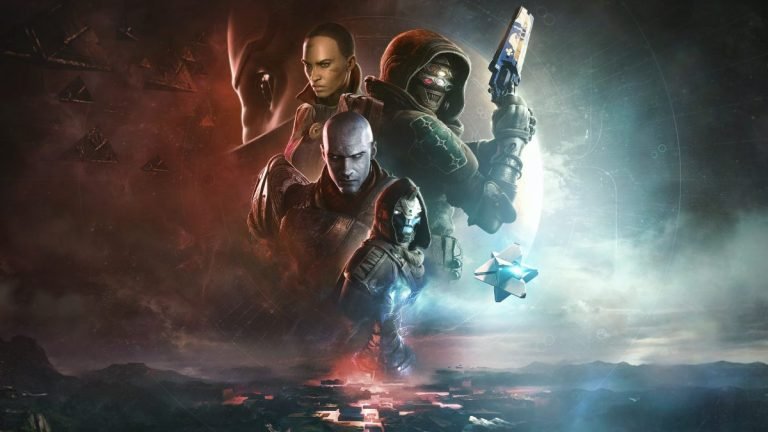
Bungie Confirms No Destiny News at TGA: What It Means for Nerds
The annual spectacle of The Game Awards is often a beacon for gamers globally, a stage where dreams take shape in the form of world premieres and tantalizing teasers. For the ardent fans of Bungie’s epic space opera, Destiny, this year’s event carried a particular weight. After months of apprehension surrounding the franchise’s future, many eagerly anticipated a grand reveal, a definitive sign that the Guardian’s journey would continue with renewed vigor. However, Bungie, known for its direct communication with its community, has decisively tempered those expectations.
In a recent candid statement, the studio made it clear: those hoping for a sudden logo drop or a significant announcement concerning the future of Destiny at The Game Awards will be left waiting. This isn’t a dismissal of the franchise’s trajectory, but rather a deliberate strategic pause, signaling a measured approach to development and community engagement. For the dedicated individuals who inhabit the vast universe of Destiny – the lore enthusiasts, the raid experts, the fashionistas of the Tower – this news elicits a complex mix of relief and prolonged anticipation.
This announcement arrives against a backdrop of recent history that saw the Destiny community grappling with profound uncertainty. Earlier this year, whispers and fears circulated about the potential winding down of Destiny 2, with no clear successor in sight. A powerful wave of player sentiment, expressed through various online campaigns, ultimately prompted Bungie to issue a reassuring commitment: ‘We are not done with Destiny.’ This affirmation, while a balm for anxious players, also implicitly promised a future, one now clearly framed by a more cautious reveal strategy.
Understanding this decision requires delving beyond the immediate disappointment. It speaks to evolving dynamics within the live-service gaming industry, the delicate balance between fostering excitement and managing realistic development timelines. For the community that lives and breathes these digital worlds, a clearer, more transparent path, even if longer, can ultimately lead to a more satisfying destination. This article will explore the implications of Bungie’s announcement, dissecting the reasons behind it, what it means for upcoming content, and how it shapes the relationship between a storied developer and its fiercely loyal player base, particularly for the discerning nerd who values both commitment and quality.
Why Bungie’s Decision Matters to the Nerd Gaming Community
Bungie’s announcement regarding The Game Awards is more than just a scheduling update; it reflects a significant shift in how a major studio intends to engage with its most passionate audience. For the deep-diving nerd community, who scrutinize every patch note and lore entry, the absence of a flashy TGA reveal, especially after a period of intense uncertainty, sends a powerful message about development transparency and managed expectations.
The initial fear among players that Destiny 2 might be concluding without a clear path forward for the franchise created genuine anxiety. Bungie’s subsequent reaffirmation of commitment—a direct response to player mobilization—was a critical turning point. This latest communication about TGA, while delaying immediate gratification, reinforces that commitment by promising a future built on solid ground, rather than ephemeral hype. It tells the community that while ‘We are not done with Destiny,’ the process will be thorough, not rushed for a showreel.
Direct Answer: Bungie’s decision to forgo new Destiny announcements at The Game Awards matters to the dedicated nerd gaming community as it signals a strategic shift towards greater transparency and realistic development timelines. Following a period of uncertainty, this approach aims to manage player expectations, rebuild trust, and avoid premature hype, emphasizing a commitment to quality and a sustained future for the franchise rather than quick reveals.
The Strategic Reasoning Behind Delayed Announcements
In the high-stakes world of video game development, the timing of major announcements is a critical strategic decision. Revealing a game too early can often backfire, leading to a phenomenon known as “development hell” or “vaporware” where titles are teased years before they are ready, causing player fatigue and eroding trust. Bungie appears to be actively learning from both its own past experiences and broader industry trends by adopting a more conservative approach.
The studio’s explicit statement, ‘Don’t expect a Destiny announcement at this year’s TGA, nor for us to suddenly drop a logo out of nowhere to set the world on fire right away,’ highlights a deliberate effort to avoid the pitfalls of premature hype. This cautious stance suggests that a new major installment of Destiny is likely still in its early stages, necessitating a long development cycle that benefits from being shielded from intense public scrutiny until substantial progress is made. By managing expectations upfront, Bungie aims to prevent the cycle of anticipation, prolonged waiting, and eventual disappointment that can plague long-running franchises.
Direct Answer: The strategic reasoning behind Bungie’s delayed Destiny announcements is primarily to prevent premature hype and manage player expectations. By avoiding early reveals at high-profile events like The Game Awards, the studio seeks to shield projects in early development from intense scrutiny, allowing for a more focused and realistic timeline. This approach aims to rebuild trust and prevent player fatigue often associated with games announced years before their release.
What’s Next for Destiny: Unvaulting and the Legacy Project
While a major new chapter for Destiny may be distant, Bungie is not leaving its players entirely in the lurch. The studio has outlined two key initiatives designed to keep the community engaged and re-energized in the interim: the ‘Unvaulting’ of Destiny 2 content and a mysterious ‘Legacy’ project. These efforts aim to bridge the gap and provide substantial experiences for veteran players and newcomers alike.
The Unvaulting initiative for Destiny 2 is a significant undertaking. It seeks to reintroduce previously removed campaigns, activities, and other valuable content back into the game. This process, slated to begin in early 2028, addresses a long-standing desire within the community to revisit cherished moments and explore content that newer players might have missed. By bringing back parts of the game’s past, Bungie hopes to enrich the current experience and honor the franchise’s history.
Complementing this is the intriguing Legacy project, about which details remain scarce. An update is expected in February, and recent teasers have fueled speculation among fans that it could involve a remastered version of the original Destiny. The name ‘Legacy’ certainly aligns with this concept, suggesting a reverence for the franchise’s roots. Regardless of its exact nature, this project indicates Bungie’s intent to explore and potentially revitalize older aspects of the Destiny universe, offering a different kind of content refresh.
| Project | Focus | Expected Timeline/Update | Community Impact |
|---|---|---|---|
| Unvaulting (Destiny 2) | Reintroducing removed campaigns, activities, and content. | First stage projected for early 2028. | Returns missed content for new players; nostalgia for veterans. |
| Legacy Project | Mysterious initiative; speculated remaster of original Destiny. | Update anticipated in February. | Potential revitalization of foundational content; new way to experience origins. |
Direct Answer: For Destiny, Bungie is focusing on two key initiatives: the ‘Unvaulting’ of Destiny 2, which will reintroduce previously removed campaigns and activities starting in early 2028, and a ‘Legacy’ project. The ‘Legacy’ project, with an update expected in February, is highly speculated to be a remastered version of the original Destiny, aiming to engage the community by revisiting and revitalizing past content while a new game is developed.
Managing Expectations: Benefits and Limitations for Players
Bungie’s decision to delay major announcements and adopt a more transparent, yet cautious, communication strategy presents a mixed bag of experiences for the player base. Understanding both the benefits and the limitations of this approach is crucial for the discerning nerd who invests significant time and emotion into the Destiny universe.
From a beneficial standpoint, this new posture helps in managing player expectations realistically. By not dangling the carrot of a new game too early, Bungie avoids creating an unsustainable hype cycle that can lead to burnout and disappointment if development hitches occur. It allows players to focus on the current game, Destiny 2, and upcoming initiatives like Unvaulting, appreciating them for what they are rather than constantly looking ahead. This approach fosters a healthier relationship where promises are only made when they can be reasonably fulfilled, enhancing trust over the long term. Moreover, it potentially grants the development team the necessary time and space to create a truly polished and innovative next chapter, free from the immediate pressure of an early announcement date.
However, there are undeniable limitations. The primary drawback for many is the prolonged wait for new, groundbreaking content. Dedicated players who have exhausted current offerings and yearn for novel experiences might find this extended period of anticipation frustrating. The lack of a clear, near-future vision for a brand-new game can lead to a dip in engagement for some, as the motivation to stay invested in an evolving, but not entirely fresh, universe wanes. Furthermore, for a live-service game like Destiny, maintaining momentum and player retention is critical; a perceived lack of future direction, even if temporary, could test the patience of even the most loyal Guardians.
Common Pitfalls in Live-Service Game Communication
The journey of a live-service game, with its continuous updates and evolving narratives, is often fraught with communication challenges. Studios frequently grapple with balancing the desire to excite their player base with the realities of iterative development. History is littered with examples where missteps in this delicate act have led to significant community backlash, eroded trust, and even damaged entire franchises. Bungie’s current cautious approach appears to be a direct response to these common pitfalls.
One of the most frequent errors is overpromising and under-delivering. This can manifest as ambitious roadmaps that prove impossible to meet, or features teased years in advance that either change drastically or never materialize. Such instances lead to accusations of false advertising and a sense of betrayal among players who have invested their time and money based on initial announcements. Another pitfall is a lack of transparency when development hits snags. Communities understand that games are complex, but silence or vague responses during difficult periods can breed cynicism and speculation, often far worse than the truth itself.
The pressure to always have a ‘next big thing’ at industry events like The Game Awards can also force studios into announcing projects prematurely. This creates a cycle where developers are constantly chasing an external reveal schedule rather than focusing purely on the internal development pace. Bungie’s recent turbulent period with Destiny 2, which involved difficult decisions regarding content ‘vaulting’ and player engagement, provided firsthand lessons in these challenges. By opting out of an early TGA reveal, the studio demonstrates an intention to prioritize clear, realistic communication over fleeting hype, potentially rebuilding confidence and setting a new standard for sustained community interaction in the live-service space.
Best Practices for Game Developers and the Discerning Nerd
In the dynamic ecosystem of live-service gaming, both developers and players share a responsibility in fostering a healthy and sustainable environment. Bungie’s recent communication strategy offers insights into what constitutes best practices for studios, while also highlighting key considerations for the discerning nerd navigating these evolving digital landscapes.
For game developers, transparency emerges as a paramount virtue. This involves providing realistic timelines, openly communicating challenges, and managing expectations proactively rather than reactively. Clear, consistent messaging through official channels, rather than relying on leaks or speculation, helps maintain authority and trust. Furthermore, a commitment to sustained content and support for existing titles, even while future projects are in development, ensures that the current player base feels valued. Learning from community feedback, acknowledging mistakes, and adapting strategies are also vital components of long-term success in the live-service model.
For the discerning nerd, patience and critical engagement are key. Understanding the complexities of game development – the iterative process, the technical hurdles, and the creative evolution – allows for a more measured response to announcements (or lack thereof). Engaging constructively with developer communications, providing thoughtful feedback, and recognizing the efforts to improve and sustain a game contribute positively to the community. It also means enjoying the game in its current state, rather than constantly fixating on what’s next, and appreciating the value of long-term commitment from a studio. By embracing a mindset of informed participation, players can help shape the future of their favorite franchises in a more impactful way.
Future Trends in Gaming and the Evolving Role of the Nerd
The gaming landscape is in a constant state of flux, with technological advancements and shifting player expectations driving new trends. Bungie’s measured approach with Destiny reflects broader movements within the industry, particularly concerning live-service titles and the evolving role of the dedicated gamer, often categorized as a “Nerd” for their deep engagement and knowledge.
One significant trend is the emphasis on sustainable development cycles. Gone are the days when a game was released and then largely forgotten; live-service models demand continuous content and engagement. This requires studios to plan for years, not just months, which makes premature announcements a significant risk. The focus is shifting from launching a game to growing an ecosystem, meaning slower, more deliberate reveals are becoming the norm. This approach benefits from robust internal processes that aren’t beholden to external marketing calendars until a product is genuinely ready.
Another emerging trend is the deepening relationship between developers and their core communities. Platforms like Discord, social media, and dedicated forums allow for unprecedented levels of interaction. This proximity means that player sentiment has a more immediate and tangible impact on development decisions, as evidenced by Bungie’s response to community fears about Destiny‘s future. For the “Nerd” who dedicates countless hours to a franchise, this evolving dynamic means their voice carries more weight, transforming them from passive consumers into active participants in a game’s journey.
The role of the nerd is also transforming. Beyond just consuming content, they are often content creators, lore masters, and community leaders. Their investment goes beyond gameplay, extending to the narrative, the meta, and the health of the community itself. As games become more complex and longer-lasting, the value of this deeply engaged segment grows exponentially, influencing not just sales but the very trajectory of a game’s ongoing development and cultural impact. This makes transparent communication, even when delivering news of delays, all the more crucial for maintaining the trust and investment of this vital demographic.
FAQ: Understanding Bungie’s Destiny Stance for the Enthusiastic Nerd
-
Why isn’t Bungie making a Destiny announcement at The Game Awards this year?
Bungie stated they want to avoid premature hype and manage player expectations. They believe it’s too early to reveal new major Destiny projects, likely because they are in very early development. This cautious approach aims to prevent the common industry pitfall of announcing games years before they are ready, which can lead to player fatigue and disappointment. -
Does this mean Bungie is abandoning the Destiny franchise?
Absolutely not. Bungie explicitly reaffirmed their commitment to the franchise, stating, ‘We are not done with Destiny.’ While a new announcement isn’t imminent, the studio confirmed that a new chapter for the series is in preparation, ensuring the future of Destiny is secure. -
What is the ‘Unvaulting’ initiative for Destiny 2?
The ‘Unvaulting’ initiative is Bungie’s plan to bring back previously removed campaigns, activities, and other content into Destiny 2. This is aimed at enriching the game for current players and giving newer players a chance to experience past content they might have missed. The first stage of this initiative is expected to arrive in early 2028. -
What is the ‘Legacy’ project, and when will we hear more?
The ‘Legacy’ project is a mysterious new initiative related to the Destiny series. Details are scarce, but there’s widespread speculation among the community that it could involve a remastered version of the original Destiny. Bungie has indicated that more information regarding the ‘Legacy’ project is expected to be released in February. -
How does this decision impact player trust and community morale?
The impact is mixed. While some players might be disappointed by the delayed gratification, many appreciate Bungie’s transparency and realistic approach. After a period of uncertainty, clear communication, even when it means a longer wait, can help rebuild and maintain player trust by setting achievable expectations rather than fueling potentially false hope. -
What are the benefits of a studio delaying game announcements?
Delaying announcements allows developers more time to work on the game without external pressure, leading to a potentially more polished final product. It helps manage player expectations, preventing disappointment from long development cycles or feature changes. This strategy can also foster a healthier development environment and improve long-term community relations by delivering on promises. -
How should the dedicated nerd community respond to such news?
The dedicated nerd community can respond by embracing patience, understanding the complexities of game development, and focusing on the current content available. Constructive engagement with official communications, providing thoughtful feedback, and appreciating the studio’s commitment to quality over speed can contribute positively to the franchise’s ongoing evolution.













Post Comment