
Exploring the New Wave of Sega Fans
Introduction: A Shift in Sega’s Fan Dynamics
Sega, a cornerstone of the gaming industry, has long been revered by dedicated gamers. However, recent comments from Shuji Utsumi, the company’s president and COO, reveal a fascinating shift in their audience. An increasing number of fans are drawn to Sega’s rich roster of franchises without ever picking up a controller. This evolution not only highlights changing consumer behavior but also raises questions about the future of gaming engagement. In this article, we will explore the implications of this trend and what it means for Sega and the broader gaming community.
Nerd Culture Embracing Non-Gamers
The term ‘Nerd’ often encompasses a diverse group of individuals who engage with pop culture, but what happens when this group intersects with traditional gaming spheres? Utsumi’s insights shed light on a new demographic that engages with the narratives and characters of Sega’s games through alternative media, such as video content and merchandise. This section dives into why non-gaming enthusiasts are increasingly part of the Sega family.
The Impact of Digital Media
With the rise of streaming platforms and social media, fans are consuming gaming content in unprecedented ways. Key platforms like YouTube have allowed audiences to delve into the Sega universe by watching live streams and gameplay videos rather than playing the games themselves. This trend fosters a sense of community and interaction that many find appealing.
Connecting Through Merchandising
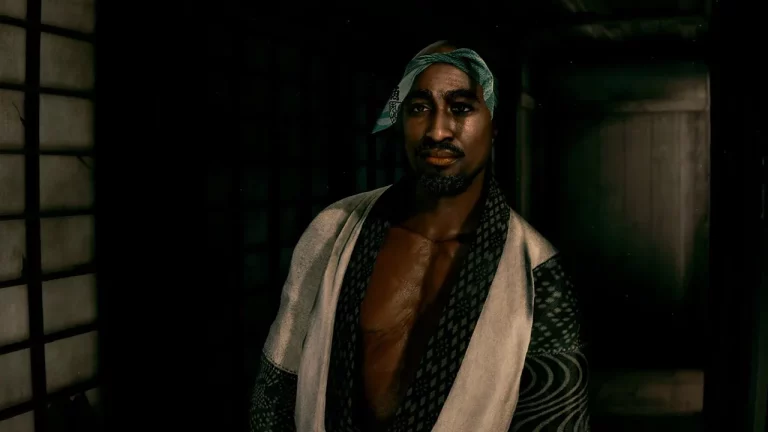
The merchandising strategy for franchises like ‘Like a Dragon’ exemplifies this new consumer interaction. Utsumi noted that a significant portion of merchandise buyers are engaged fans who may never have played the actual games. By offering products that resonate with this audience, Sega demonstrates a keen awareness of shifting consumer interests.
Benefits of This New Audience
- Diverse Engagement: The inclusion of non-gamers broadens Sega’s appeal and creates a more varied consumer base.
- Increased Merchandise Sales: With a growing audience interested in branded products, revenue from merchandise is likely to rise.
- Broadened Narrative Reach: As more people engage with Sega’s franchises, the narrative can expand beyond traditional gaming.
Challenges and Limitations
- Authenticity Concerns: Some traditional gamers may feel alienated by a fan base that does not immerse itself in gameplay.
- Market Segmentation: Understanding the motivations of this diverse audience can be difficult.
- Dependence on Media Representation: The success of this approach heavily relies on how well narratives are portrayed in media.
Common Mistakes to Avoid
- Overlooking the gaming experience in favor of merchandise.
- Failing to engage traditional gamers alongside new audiences.
- Neglecting the importance of quality content creation for non-gaming platforms.
Best Practices for Engagement
- Brand Collaboration: Partner with content creators to reach new audiences.
- Interactive Events: Host live events that can engage both gamers and non-gamers alike.
- Feedback Loops: Solicit input from this diverse group to understand their needs better.
Future Trends in Gamer Demographics
As the lines between gaming and other forms of entertainment continue to blur, brands like Sega must adapt. Anticipating how engagement practices will evolve is essential. The growing role of content creation platforms, coupled with changing consumer preferences, suggests a sustainable future for franchises that effectively leverage these dynamics.
The Current Landscape for ‘Nerds’ and Sega
In summary, the evolution of Sega’s audience showcases the importance of adaptability in modern marketing strategies. By recognizing that enthusiasm for their titles can stem from varied experiences beyond gameplay, Sega is well-positioned to thrive in a rapidly changing gaming environment.
FAQ
Why are more fans engaging with Sega without playing games?
The growth of streaming platforms and social media introduces new audiences to Sega’s franchises, allowing for interaction through alternative media such as merchandise and video content.
What is the significance of the ‘Like a Dragon’ merchandise success?
The success of licensing within franchises like ‘Like a Dragon’ illustrates a shift in consumer preferences, indicating that product engagement can be just as valuable as gameplay.
How does Sega plan to engage non-gamers?
Sega plans to focus on diverse engagement strategies, emphasizing collaboration with content creators and developing targeted merchandise that resonates with fans.
What are the challenges of engaging non-gamers?
Challenges include potential alienation of traditional gamers and effectively understanding the diverse motivations of this new audience.
Can non-gamers be considered part of the gaming community?
Yes, according to Utsumi, Sega acknowledges non-gamers as legitimate fans, as they contribute to the broader cultural footprint of its franchises.
What does this mean for the future of gaming?
The evolving landscape suggests a need for broader narratives and engagement strategies that include both traditional gamers and new audiences, creating richer stories and experiences.












Post Comment