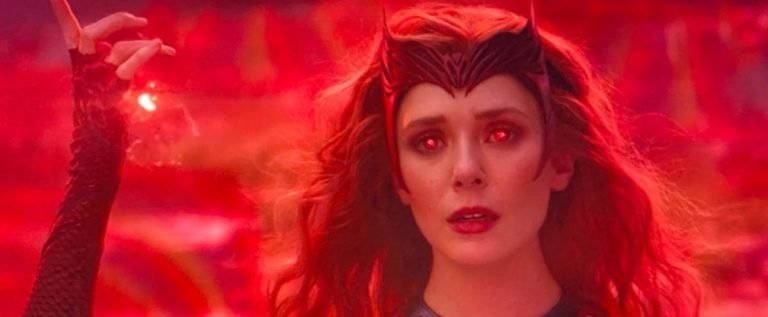
VisionQuest: Wanda’s Name & Vision’s Grief | Nerd Culture Dive
In the vast, interconnected tapestry of the Marvel Cinematic Universe, every detail, every dialogue choice, and every character interaction carries weight. For the dedicated Nerd, these nuances are not mere background noise but critical elements that deepen the narrative and enrich the experience. The anticipation surrounding Marvel Television’s VisionQuest series has been palpable, not least because it promises a poignant return to one of the MCU’s most beloved and tragic figures. A recently released clip, however, has ignited a fresh wave of discussion among fans, centering on a seemingly minor linguistic choice that speaks volumes about the emotional landscape of the show: the formal, almost clinical, reference to Wanda Maximoff.
This particular moment, featuring Vision and an adult Tommy Maximoff, subtly underscores a profound emotional distance. It’s a storytelling decision that signals more than just a character’s name; it’s a deliberate narrative device designed to communicate absence, loss, and a fractured identity. For a fanbase accustomed to dissecting every frame and line of dialogue, this isn’t just a casual mention. It’s an indicator of the series’ tone, its commitment to exploring the aftermath of devastating events, and the complex psychological journeys of its protagonists. As VisionQuest unfolds, such careful choices will undoubtedly shape the audience’s understanding of Vision’s new reality and the lingering shadow of the Scarlet Witch.
The clip offers a glimpse into a narrative that doesn’t shy away from emotional complexity, even amidst high-octane action. As killer drones pursue Vision and Tommy, the internal struggle of the android is amplified by the cacophony of voices in his mind—including Ultron and E.D.I.T.H.—vying for attention. Yet, it’s the understated, almost stark, way Wanda Maximoff’s name is uttered that truly resonates. This article delves into the layered implications of this choice, exploring what it means for Vision’s character, the legacy of Wanda, and the broader narrative ambitions of VisionQuest, offering a comprehensive analysis tailored for the discerning Marvel Nerd.
From the philosophical quandaries of identity to the raw pain of unresolved grief, the series appears poised to tackle themes rarely explored with such directness in mainstream superhero fare. Understanding these subtleties requires an appreciation for the intricate lore, the established emotional arcs, and the expectations that years of cinematic storytelling have built. It’s in these moments of quiet revelation, punctuated by explosive action, that VisionQuest promises to deliver a uniquely compelling experience, ensuring that every detail, down to a full name, is carefully considered and deeply felt.
The Nuanced Narrative of VisionQuest: A Deep Dive for the Discerning Nerd
The revelation in a recent VisionQuest clip, where Vision and Tommy Maximoff refer to Wanda Maximoff by her full name, carries significant weight for any devoted Marvel Nerd. This deliberate linguistic choice signals a profound emotional distance and a departure from the intimate relationship Vision once shared with Wanda, emphasizing that this Vision, though possessing his predecessor’s memories, operates from a distinct emotional and relational context.
The use of Wanda’s full name by Vision and their son, Tommy, immediately establishes an emotional chasm. Within the context of a familial relationship, particularly between a husband and a wife, or a son and his mother, such formal address typically signifies detachment or a lack of intimacy. For fans, this is a clear narrative choice designed to underscore the altered reality of Vision’s existence and the profound void left by Wanda’s absence, hinting at a narrative willing to explore the painful dimensions of loss rather than sidestep them.
Unpacking the Formal Address: More Than Just Words
For those immersed in superhero lore, every word choice can be a breadcrumb to deeper narrative truths. The specific use of ‘Wanda Maximoff’ instead of simply ‘Wanda’ from Vision, her former husband, speaks volumes. It’s an editorial decision that communicates an emotional barrier, a formal acknowledgment of someone who is no longer intimately connected in the same way, or perhaps even a figure of historical significance rather than a present, loving partner.
This level of formality within such a personal dynamic starkly illustrates the altered state of Vision and his memories. It implies a conscious or subconscious distancing, preventing the emotional pain of a lost connection from overwhelming him. This approach allows the series to explore the delicate balance between retaining vital memories and shielding oneself from their most agonizing associations, a struggle deeply resonant with the philosophical themes often appreciated by the discerning Nerd.
Vision’s Complex Identity: Memories Without the Soul?
The distinction between the ‘original Vision’ and his current form is central to understanding his character arc in VisionQuest. The clip serves as a stark reminder that while this Vision possesses the memories of his predecessor, he is not, in essence, the same entity who shared a life with Wanda. His memories are a framework, a database of experiences, but his emotional processing and identity have been fundamentally reconfigured.
This intricate portrayal forces both Vision and the audience to grapple with questions of identity, consciousness, and what truly constitutes a ‘person.’ For the Nerd community, this exploration of a synthetic being trying to reconcile human emotions with his artificiality is incredibly compelling. The formal address of Wanda Maximoff becomes a key indicator of this internal conflict, demonstrating his attempt to navigate a relationship that, for him, exists primarily as a set of archived data rather than a present, living connection.
Tommy Maximoff’s Role: An Adult Perspective on Parental Grief
The appearance of an adult Tommy Maximoff, attempting to have an emotional conversation with Vision amidst peril, adds another layer of complexity. His use of ‘Wanda Maximoff’ to refer to his mother also suggests a relationship defined by absence and a mature, albeit perhaps painful, understanding of her status. This is not the innocent child who last saw her.
Tommy’s perspective offers a unique lens through which to view Wanda’s legacy and Vision’s struggle. His adult form and the challenging circumstances imply he has also processed his mother’s loss, and his formal language might reflect his own emotional defenses or his attempt to communicate with Vision in a way that acknowledges the android’s distinct nature. It promises a poignant exploration of fractured family dynamics, a theme that resonates deeply with the empathetic Nerd fan.
The Emotional Gauntlet: How VisionQuest Confronts Grief and Memory
VisionQuest appears set to tackle the weighty themes of grief and memory with a directness often sought by dedicated fans. The series, as suggested by the formal reference to Wanda Maximoff, intends to navigate the aftermath of profound loss without resorting to easy narrative shortcuts, offering a more mature and emotionally resonant exploration of its characters’ struggles.
This approach aligns with the expectations of a sophisticated audience that values intricate character development over superficial plot progression. By foregrounding Vision’s internal conflict and the enduring impact of Wanda’s fate, the series is poised to deliver a narrative that is both deeply personal and universally relatable, resonating with anyone who has grappled with loss and remembrance.
Wanda Maximoff’s Legacy: Death and the Door Ajar
Wanda Maximoff’s fate, last seen seemingly perishing in Doctor Strange in the Multiverse of Madness, looms large over VisionQuest. The original source explicitly states she is ‘dead,’ yet acknowledges Marvel’s consistent practice of leaving ‘a breach for twists.’ This inherent ambiguity, a cornerstone of comic book narratives, fuels constant speculation among the Nerd community.
For Vision, the reality of Wanda’s death is a cornerstone of his current emotional state. The very possibility of her return, while tantalizing for fans, presents a profound challenge for Vision’s journey. Reencountering his love, if it were to happen, could bring immense suffering, forcing him to confront a past he is currently trying to keep at a formal distance. This narrative tightrope walk keeps the audience on edge, anticipating how the series will manage these conflicting emotional potentials.
The Burden of Love: Why Memories Bring Suffering to Vision
The concept that finding love within himself would bring only suffering to Vision is a heartbreaking yet logical extension of his new existence. If this Vision retains the memories of his life with Wanda but lacks the emotional capacity or the ‘soul’ that once fueled that love, then those memories become a source of immense pain, a constant reminder of what was lost and what cannot be fully reclaimed.
This exploration delves into the philosophical question of what constitutes love and identity for an artificial being. His memories, rather than being comforting anchors, become poignant echoes of a past joy he cannot fully experience. This sophisticated thematic depth is precisely what a thoughtful Nerd audience craves, pushing the boundaries of traditional superhero storytelling into profound psychological territory.
Behind the Scenes Insights: Wanda’s Humanity and Vision’s Arc
The original article references a behind-the-scenes video highlighting that Wanda’s relationship was ‘fundamental for the humanity of the character.’ This insight is critical to understanding the stakes of VisionQuest. If Wanda was the key to Vision’s humanity, her absence fundamentally alters his being, forcing him to redefine himself in her wake.
This background context reinforces why the series’ treatment of grief and identity is so crucial. Without Wanda, Vision must embark on a journey of self-discovery that is both painful and transformative. It underscores the profound impact she had on him and sets a high bar for the emotional honesty the series must maintain to satisfy fans invested in their intertwined destinies. For the continuity-conscious Nerd, such details are invaluable.
The Marvel Television Strategy: Balancing Humor and Melancholy for the Modern Nerd
Marvel Television’s strategic decision to blend humor with melancholy in VisionQuest represents a high-stakes gamble, yet one that could profoundly resonate with the modern Nerd audience. This tonal tightrope walk is not new to Marvel, but its application to a series so deeply rooted in grief and identity promises a unique narrative experience that could differentiate it within the expansive MCU.
The challenge lies in effectively weaving moments of levity into a story that addresses the profound emotional weight of Vision’s existence and Wanda’s legacy without undermining the seriousness of its core themes. When executed well, this blend can create a more authentic and relatable portrayal of the human (or synthezoid) experience, reflecting how humor often coexists with pain in real life.
A High-Stakes Bet: Blending Laughs with Lament
Mixing humor with somber themes is a hallmark of effective storytelling, yet it’s particularly challenging in a series dealing with loss as central to its premise. The comic misunderstandings arising from the multiple voices in Vision’s mind, amidst a drone pursuit, exemplify this balancing act. For Marvel Television, this approach is a deliberate choice to engage viewers on multiple emotional fronts.
The risk lies in misjudging the tone, potentially trivializing the serious aspects or making the humor feel out of place. However, the reward is a richer, more dynamic narrative that prevents the audience from being overwhelmed by relentless sadness while still acknowledging the depth of the characters’ struggles. A sophisticated Nerd appreciates this complexity, recognizing the artistic challenge and potential payoff.
Fan Expectations vs. Narrative Reality: Early Reactions
For many Nerd fans, the released clip served as a definitive confirmation that VisionQuest intends to ‘treat grief without shortcuts.’ This directness is highly valued in a genre often criticized for glossing over the psychological repercussions of its fantastical events. The early episodes, which premiered in mid-October, begin to set the stage for this ambitious tonal blend.
As only a few chapters have been exhibited, the long-term success of this approach remains to be seen. However, the initial glimpse suggests a commitment to an emotionally mature narrative that prioritizes character depth. The audience, particularly those who delve deeply into character psychology, will be closely watching to see if the series maintains its integrity, continuing to explore these themes with the necessary sensitivity and nuance.
What This Means for Every Committed Nerd in the MCU Fandom
The narrative choices in VisionQuest, particularly the formal referencing of Wanda Maximoff, carry significant implications for the broader Marvel Cinematic Universe and for every committed Nerd invested in its continuity and character development. This series isn’t just a standalone story; it’s a vital piece of the sprawling mosaic, offering insights into lingering questions and setting the stage for future developments.
For the ardent fan, understanding these subtleties is key to appreciating the larger narrative arc. It reinforces the idea that character-driven stories, even those focused on grief and identity, are fundamental to the MCU’s continued success and its ability to maintain audience engagement beyond pure spectacle. VisionQuest promises to enrich the lore and expand the emotional depth of the universe.
VisionQuest’s Place in the Broader MCU Narrative
VisionQuest is positioned to be more than just a character study; it’s a crucial stepping stone in the ongoing saga of the MCU. Vision, as a character, has always been at the nexus of several major storylines and philosophical debates. His return, coupled with the intricate handling of his past with Wanda, can significantly influence future narratives involving AI, multiversal concepts, and even the potential reintroduction of Wanda herself in some form.
The series will likely address the aftermath of events like WandaVision and Doctor Strange in the Multiverse of Madness, providing much-needed context and character progression. For the **Nerd** who meticulously tracks the interconnectedness of all MCU projects, VisionQuest is essential viewing, potentially laying groundwork for upcoming films and series in profound ways.
The Enduring Appeal of Complex Superhero Storytelling
The success and anticipation surrounding VisionQuest underscore the enduring appeal of complex superhero storytelling. Modern audiences, especially the well-versed Nerd demographic, demand more than just heroics; they seek narratives that explore the human condition, even through the lens of super-powered beings. Stories of grief, identity crisis, and the struggle to reconcile past and present resonate deeply.
This shift towards more emotionally rich and psychologically nuanced narratives allows the genre to evolve, attracting broader audiences while satisfying the core fanbase’s desire for depth. VisionQuest, by embracing a story of profound loss and intricate character redefinition, exemplifies this evolution, proving that the true power of these sagas lies in their ability to evoke genuine emotion and foster thoughtful discussion.
| Aspect of Grief/Memory | Traditional Superhero Portrayal | VisionQuest’s Implied Approach |
|---|---|---|
| Emotional Processing | Often accelerated, quickly overcome, or a catalyst for vengeance. | Deliberate, painful, long-term; memories as sources of suffering. |
| Identity After Loss | Hero maintains core identity, sometimes hardened. | Core identity fractured, requiring fundamental redefinition. |
| Reconciliation with Past Love | Either forgotten or a driving force for reunion. | Formal distance, acknowledging loss without easy emotional reconnection. |
| Role of Humor | Often used for light relief, separate from serious plot. | Integrated with melancholy, reflecting complex human coping mechanisms. |
| Fan Engagement | Focus on plot twists, action sequences. | Focus on character psychology, thematic depth, subtle cues. |
The Future of Vision and Wanda’s Legacy: Trends and Speculations for the Modern Nerd
The subtle yet profound narrative choices in VisionQuest, particularly the treatment of Wanda Maximoff’s name, not only define the present series but also cast a long shadow over the future of Vision and Wanda’s legacies within the MCU. For the speculative Nerd, these elements provide fertile ground for discussing emerging trends in storytelling and potential character trajectories in a multiverse brimming with possibilities.
The series’ commitment to exploring the deeper consequences of loss and artificial intelligence sets a new precedent for character development, suggesting a future where even death might not be the final word, but rather a catalyst for profound transformation. This forward-looking perspective is crucial for keeping a dynamic universe engaging and unpredictable.
Navigating the Multiverse: Potential Pathways for Wanda’s Return
Despite the current status of Wanda Maximoff as ‘dead,’ the MCU’s established multiverse offers numerous theoretical pathways for her eventual return, a constant topic of speculation for any dedicated Nerd. The concept of alternate realities and variants means that while *this* Wanda may be gone, other versions could exist or be introduced. This offers Marvel a creative ‘breach for twists,’ as noted in the original information, without directly undermining the integrity of her sacrifice in Multiverse of Madness.
Future stories could explore the ramifications of her actions across these alternate timelines, or even introduce a variant of Wanda who must grapple with the legacy of her Earth-616 counterpart. This keeps her character relevant and her presence felt, even if the Vision in VisionQuest must still contend with the very real loss of *his* Wanda. The series could even explore Vision’s encounter with such variants, complicating his already fragile emotional state.
Vision’s Evolution: From Android to Something More Profound
VisionQuest has the potential to redefine Vision’s character, moving him beyond his previous roles as an android striving for humanity and into a more profound exploration of existence itself. His current state—memories without direct emotional access, grappling with the echoes of a lost love—positions him for a unique philosophical journey that transcends typical superhero narratives.
The series could see Vision evolve into a being that understands human emotion through intellect rather than direct experience, or one that finds a new form of ‘humanity’ in his acceptance of loss and his redefined purpose. This progression would be incredibly rich for the intellectually curious Nerd, offering a character arc that delves into the essence of consciousness, memory, and the search for meaning in a complex, often tragic, universe.
Common Misconceptions and Best Practices for the Engaged Nerd
In the vibrant, often passionate, world of Marvel fandom, navigating new narrative developments like those in VisionQuest can be exhilarating. However, it’s also a space prone to common misconceptions and misinterpretations. For the truly engaged Nerd, understanding how to approach these stories critically, while avoiding premature conclusions, is a crucial skill. This involves recognizing the difference between well-informed speculation and baseless rumor, and appreciating the creative process behind the narratives.
Embracing best practices in fandom not only enhances individual enjoyment but also fosters a more respectful and insightful community dialogue. It’s about deepening appreciation for the storytelling, rather than rushing to judgments that might miss the underlying nuances.
Avoiding Speculative Overreach: The Balance of Fandom
A common error among dedicated fans is to jump to immediate, often unfounded, conclusions based on limited information. The formal reference to ‘Wanda Maximoff’ is a prime example: while it clearly signals distance, rushing to declare it proof of a specific future plot twist without more context can lead to disappointment or misinterpretation. It’s vital for the discerning Nerd to practice patience and allow the narrative to unfold.
Over-reliance on speculative theories, especially those unsupported by concrete evidence from official sources, can detract from the actual viewing experience. It often leads to a disconnect between fan expectations and the delivered story, preventing appreciation of the subtle genius in the writers’ choices. A balanced approach means being open to possibilities without becoming rigidly attached to unconfirmed outcomes.
Engaging Critically: The Value of Deep Dive Discussions
For the truly engaged Nerd, the best practice is critical engagement and participation in thoughtful discussions. Instead of simply consuming content, it means actively analyzing character motivations, thematic elements, and narrative structures. This includes considering *why* a particular creative choice, like the formal address of Wanda, was made and what it aims to communicate.
Participating in online forums, discussions, and analytical communities, where ideas are exchanged and perspectives are challenged respectfully, significantly enhances the understanding and enjoyment of a series like VisionQuest. It transforms passive viewing into an active intellectual and emotional journey, deepening appreciation for the intricate craft of storytelling within the superhero genre. This collaborative exploration is where the true value of Nerd culture shines brightest.
Final Thoughts on VisionQuest’s Impact for the Nerd Community
VisionQuest is poised to be a significant entry in the Marvel canon, particularly for those who appreciate the deeper, more introspective side of superhero narratives. Its subtle narrative choices, like the careful handling of Wanda Maximoff’s name, are clear indicators of a series committed to emotional depth and character complexity. This approach, while challenging, offers a rich reward for the patient and discerning Nerd, promising a story that resonates far beyond its initial viewing.
Frequently Asked Questions About VisionQuest and its Impact on Marvel Nerd Culture
-
What is the significance of Vision and Tommy referring to Wanda Maximoff by her full name in VisionQuest?
The formal address of Wanda Maximoff by Vision and Tommy is a deliberate narrative choice to convey emotional distance and the profound impact of her absence. For Vision, it signifies his altered identity, possessing memories but lacking the original emotional connection. For Tommy, it reflects a mature, perhaps painful, understanding of his mother’s death. This subtle detail ensures the series confronts grief and loss directly, rather than providing easy solutions, a depth appreciated by the discerning Marvel Nerd seeking more than superficial storytelling.
-
How does VisionQuest handle Wanda Maximoff’s death from Doctor Strange in the Multiverse of Madness?
VisionQuest acknowledges Wanda Maximoff’s death as a current reality for its characters, particularly for Vision. The series is depicted as treating grief without shortcuts, implying that Wanda’s absence and the emotional fallout from her death will be central to Vision’s storyline. While Marvel narratives often leave ‘a breach for twists’ regarding character deaths, the immediate focus is on the very real pain and consequences of her current status, allowing for a deep exploration of how characters cope with such profound loss.
-
What kind of Vision is featured in the VisionQuest series?
The Vision in VisionQuest is explicitly stated to not be the ‘original Vision,’ although he possesses the original’s memories. This distinction is crucial, as it implies a being who has access to a past life’s experiences but may not share the same emotional core or personal identity. This setup allows the series to explore complex themes of identity, memory, and consciousness from a unique perspective, challenging what it means to be a character with a history but a reconfigured present.
-
What is Marvel Television’s approach to tone in VisionQuest?
Marvel Television is betting on a blend of humor and melancholy for VisionQuest. The released clip exemplifies this, showing Tommy’s comedic misunderstandings with Vision’s internal voices amidst a high-stakes drone chase. This tonal balance aims to create a richer, more authentic narrative experience, reflecting how levity can coexist with profound sadness. This strategy offers a challenging yet potentially rewarding viewing experience for the Nerd audience, allowing for a nuanced exploration of complex emotions within the superhero genre.
-
How does VisionQuest connect to previous MCU events, particularly WandaVision?
While the article does not detail specific direct plot connections beyond Wanda’s fate in Multiverse of Madness, VisionQuest implicitly builds upon the emotional and thematic foundations laid by WandaVision. That series established the deep emotional bond between Vision and Wanda, and explored themes of grief, memory, and reality manipulation. VisionQuest is expected to delve into the lasting repercussions of those events, particularly how Vision’s new existence grapples with the memories and legacy of his relationship with Wanda.
-
Why would memories of Wanda bring suffering to Vision in VisionQuest?
For the Vision in this series, possessing memories of Wanda without the original emotional capacity or intimate connection could transform those cherished memories into a source of suffering. If he cannot fully experience or reconcile the love he once felt, the memories become constant reminders of a profound loss and a past that is irrevocably altered. This explores the tragic dimension of his artificial existence, where the data of love is present, but the feeling itself might be inaccessible, causing an existential pain that resonates deeply with thoughtful viewers.
-
What are the long-term implications of VisionQuest for Vision’s character in the MCU?
VisionQuest has the potential to redefine Vision’s character, moving him beyond his previous arc of seeking humanity through Wanda. By confronting grief, memory, and his unique identity as a resurrected but altered being, he could forge a new path. This might involve a more philosophical role in the MCU, exploring the nature of consciousness, AI, and purpose in a world without his primary emotional anchor. Such a profound evolution offers rich storytelling opportunities for years to come, appealing to the lore-savvy Nerd.








Post Comment