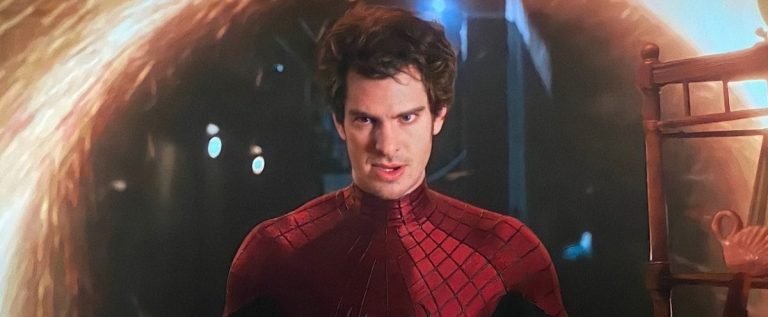
Andrew Garfield Advocates for LGBTQ+ Representation in Spider-Man
Understanding Andrew Garfield’s Vision for a Gay Spider-Man
Throughout the evolution of superhero cinema, character representation has often stirred significant debate among fans and creators alike. Recently, Andrew Garfield, best known for his role as Spider-Man in The Amazing Spider-Man, reiterated his long-standing wish to see Peter Parker, the iconic web-slinger, portrayed as a gay character in future adaptations. This viewpoint not only underlines the need for diversity within superhero narratives but also highlights the evolving cultural landscape that guides contemporary storytelling.
The Origin of Garfield’s Perspective
Garfield’s support for a queer Spider-Man is not a newfound sentiment. During a promotional event for his film The Uprising, he reflected on discussions he had years ago with producer Matt Tolmach, questioning why Peter Parker’s love interests couldn’t include men. His belief is rooted in the idea that superheroes should resonate universally, transcending barriers of gender, race, and sexual orientation.
Why Representation Matters in Nerd Culture
- Diversity in Storytelling: Representation enriches narratives and offers authentic experiences reflective of society.
- Empowerment: Seeing a character like Spider-Man represent LGBTQ+ individuals can empower those who identify with marginalized communities.
- Broader Audience Appeal: Inclusive storytelling can engage a wider audience, encouraging greater acceptance and support for the genre.
The Fan Response
While many fans support Garfield’s vision, the idea of a gay Spider-Man has polarized others within the fandom. Some traditionalists argue that altering the established character undermines his original portrayal. However, Garfield counters these sentiments, advocating for a Spider-Man that anyone can project themselves onto, affirming that heroism knows no bounds.
Implications for Future Films
- Creative Freedom: Incorporating LGBTQ+ storylines may lead to more innovative plots within the superhero genre.
- Cultural Sensitivity: Filmmakers should embrace the responsibility to depict diverse identities thoughtfully.
- Evolution of Character: Characters adapting to reflect changing societal values can keep the narrative fresh and relevant.
The Future of Spider-Man and Representation
As Spider-Man continues to evolve with new films and narratives, the potential placement of queer characters within the storylines could significantly influence future projects. Garfield’s willingness to engage with this topic demonstrates how passionate voices in the industry can pave the way for more inclusive storytelling. The anticipation for upcoming films like Avengers: Secret Wars, set for December 2027, raises expectations for the direction the franchise will take.
Potential Challenges and Limitations
- Industry Pushback: Not all stakeholders in the film industry may be open to exploring LGBTQ+ narratives, citing market trends.
- Fan Division: Conflicting opinions might create backlash against change, complicating production decisions.
Common Misconceptions
- Changing Characters: Some argue that altering established lore diminishes legacy. Yet, adaptation allows for growth and reflection.
- Single Representation: Not every character needs to represent a specific demographic; nuance matters in storytelling.
Best Practices for Representation
- Authenticity: Real stories told by those experiencing them enhance authenticity.
- Collaboration: Involving LGBTQ+ creators can provide genuine perspectives and ensure respectful portrayal.
Toward an Inclusive Future
The future of Spider-Man and similar characters points toward greater inclusivity and representation. As audiences become more diverse, the expectations for cinema shift correspondingly, making way for stories that resonate across cultural and sexual boundaries. The movement for a gay Spider-Man reflects a broader narrative push within nerd culture to embrace diversity and foster an environment where all fans can see themselves reflected in their beloved characters.
Finding a Place for Everyone in Nerd Culture
Andrew Garfield’s insights into wanting a gay Spider-Man highlight significant discussions surrounding representation in the superhero genre. As the landscape shifts, creators are called upon to embrace diversity, ensuring that every fan can see a version of themselves in these memorable characters.
FAQs
- Why does Andrew Garfield want a gay Spider-Man? Garfield advocates for representation that allows diverse identities to be reflected in beloved characters, affirming inclusivity within superhero narratives.
- How might a gay Spider-Man impact fans? Representation can empower LGBTQ+ individuals and foster acceptance, leading to a broader appeal.
- What challenges might arise from this representation? Opposition may come from traditionalists, and production decisions might face resistance within the industry.
- Are other superheroes exploring LGBTQ+ themes? Yes, many comic book adaptations are increasingly incorporating LGBTQ+ narratives and characters, reflecting societal changes.
- What is the significance of Garfield’s comments? His statements fuel crucial conversations on diversity in film, showcasing a shift towards inclusive storytelling.












Post Comment