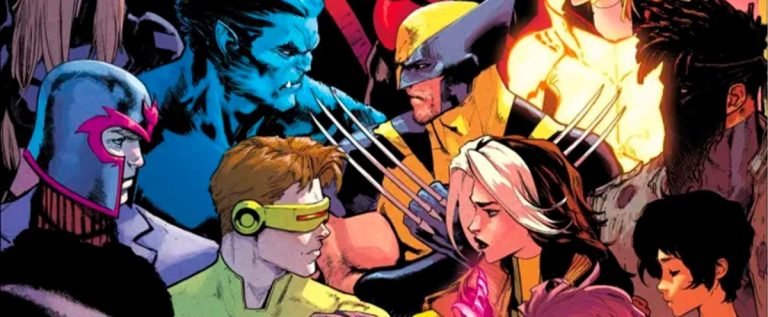
The Nostalgia Dilemma of X-Men in the MCU
The Nostalgia Problem for Nerds Embracing X-Men in the MCU
The arrival of the X-Men into the Marvel Cinematic Universe (MCU) has stirred excitement among fans, yet it also raises crucial concerns. For many nerds who have followed the storied history of the X-Men, the franchise’s legacy is steeped in nostalgia. This emotional connection, while powerful, presents a dangerous pitfall: the risk of relying too heavily on past successes instead of crafting fresh narratives. Understanding this dilemma is vital for fans as the MCU prepares to weave these beloved characters into its expansive tapestry.
The Historical Context of X-Men’s Legacy
Since their inception in the 1960s, the X-Men have represented themes of diversity and evolution in comics. The 1980s and 1990s saw a surge in their popularity, particularly through X-Men: The Animated Series, which captivated audiences and established a long-lasting connection with fans. However, a pattern of nostalgic storytelling emerged, particularly during Chris Claremont’s legendary run, where innovative arcs introduced iconic elements such as the Shi’ar Empire and the Phoenix Force.
The Claremont Years and Aftermath
Chris Claremont’s era was marked by continuous evolution, resisting stagnation. Unfortunately, after his departure, many attempts to replicate his success led to a repetitive recycling of old themes, diluting the franchise’s originality. This lack of innovation became apparent, especially when Claremont himself returned in the early 2000s to find a vastly changed landscape.
- Innovation: Claremont’s storytelling continually reinvented the X-Men.
- Stagnation: Post-Claremont attempts led to repetitive narratives.
The Influence of Nostalgia on Current Storytelling
The MCU’s narrative strategies are under scrutiny as it contemplates introducing the X-Men. With the success of shows like X-Men ’97, Marvel Studios must tread carefully. While nostalgia can be a powerful tool, over-reliance on it can undermine the franchise’s core principles of growth and transformation.
Current Trends and Their Implications
Emerging approaches, like Jonathan Hickman’s Krakoa Era, have aimed to reestablish the X-Men’s identity without heavy reliance on nostalgia. However, the transition back to familiar tropes, as evidenced in recent story arcs, signals potential missteps. For Marvel Studios, striking a balance between honoring legacy and embracing innovation is crucial.
- Innovation vs. Nostalgia: X-Men’s essence lies in evolution, not repetition.
- Arcs to Watch: Current narratives must avoid falling back on outdated formulas.
Common Pitfalls to Avoid
Excessive Nostalgia
Relying too heavily on past successes can prevent genuine storytelling. Nostalgia feels artificial when it overshadows character development and fresh plots.
Rigid Formulae
Using outdated frameworks can alienate new fans while failing to satisfy longtime followers. The challenge for creators is to push boundaries while respecting the past.
- Avoid retreading old ground.
- Focus on character growth and new themes.
Best Practices for Crafting New Narratives
Integrating Fresh Ideas
Writers should incorporate innovative concepts and perspectives to revitalize the franchise. This includes exploring untouched character arcs and new socio-political themes that resonate with contemporary audiences.
Leveraging Nostalgia Wisely
Nostalgia should enhance, not define, storytelling. It can serve as a springboard for new adventures rather than a crutch.
- Focus on how nostalgia enriches current narratives.
- Avoid using it as a replacement for creativity.
Future Trends in X-Men Storytelling
As the MCU integrates the X-Men, future trends will likely highlight the importance of diversity, innovation, and representation in character development. Fans can anticipate deeper explorations into complex themes, with a narrative that embraces the evolution of the X-Men.
The Path Forward
The MCU must navigate its legacy carefully, ensuring that the X-Men resonate with both new viewers and established fans alike.
Final Thoughts on the Nostalgia Dilemma
The transition of the X-Men into the MCU is a monumental moment, potentially full of both promise and peril. For nerds, understanding the nostalgia problem is crucial as it can dictate the franchise’s future success. Balance is essential; embracing legacy should not inhibit storytelling innovation, which lies at the heart of the X-Men’s identity.
FAQ
Why is nostalgia a problem for the X-Men in the MCU?
Nostalgia can hinder creative storytelling, causing reliance on past successes rather than innovating. This could undermine the essence of the X-Men, which is grounded in evolution and progress.
What has been the impact of Claremont on the X-Men franchise?
Chris Claremont’s time with the X-Men defined character arcs and narrative depth, establishing the franchise’s foundation. His departure marked a shift towards formulaic stories that often lacked the same originality.
How can Marvel Studios avoid nostalgia pitfalls?
Marvel Studios should focus on embracing new ideas while leveraging nostalgia to enhance storytelling. This approach can help avoid the pitfalls of stagnation and encourage character development.
What are potential future themes for the X-Men in the MCU?
Future X-Men narratives are likely to explore diversity, representation, and contemporary socio-political issues, resonating with current audiences while remaining true to the franchise’s roots.
Why is innovation important for the X-Men’s legacy?
Innovation ensures the X-Men remain relevant, allowing for new stories that challenge norms and reflect societal changes, which is essential for keeping the franchise dynamic and engaging.
Can nostalgia be beneficial in storytelling?
Yes, when used appropriately, nostalgia can enrich storytelling by connecting new narratives with cherished elements from the past, but it must not overshadow the core narrative.








Post Comment