Inde Navarrette’s Rogue Accent: A Win for Nerd Culture?
In the vast, interconnected tapestry of comic book lore, certain character traits transcend mere aesthetics, becoming fundamental pillars of identity. For Anna Marie, famously known as Rogue of the X-Men, her distinctive Southern accent is one such cornerstone. It’s a linguistic fingerprint that evokes her Mississippi or Georgia roots, painting a vivid picture of a character who is both formidable and deeply empathetic.
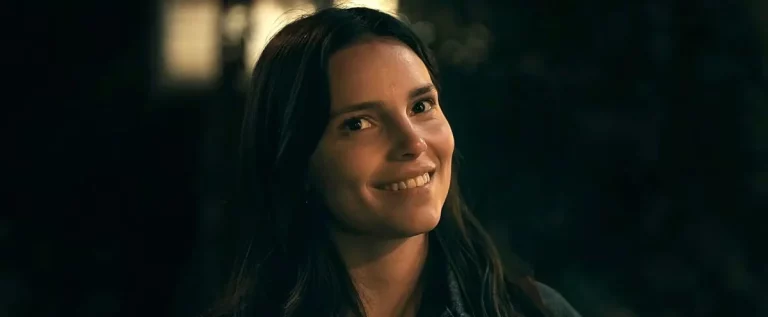
Recently, at a TIFF retrospective event, actress Inde Navarrette, slated to portray Rogue in Marvel’s highly anticipated X-Men film, offered a brief yet potent glimpse into her interpretation of this iconic trait. When prompted by a reporter from etalkCTV, Navarrette didn’t hesitate, uttering a single, familiar word – ‘sugar’ – pronounced with the unmistakable drawl that has defined Rogue for generations of fans. This moment, caught on camera, was more than just an impromptu performance; it was a subtle nod to the character’s legacy, instantly electrifying the dedicated fan base and setting the stage for discussions about authenticity in superhero adaptations.
This early demonstration arrives at a pivotal time for the X-Men franchise, as Marvel Studios prepares to reboot the beloved mutants for the Marvel Cinematic Universe. With past live-action iterations having occasionally veered from comic book accuracy, especially concerning character nuances like Rogue’s accent, Navarrette’s brief performance carries significant weight. It not only addresses a key expectation from the Nerd community but also signals a potential direction for how Marvel intends to handle its iconic roster. The path to bringing such a complex and adored character to life is fraught with challenges, and Navarrette’s willingness to embrace this specific linguistic detail is already proving to be a powerful statement of intent, promising a portrayal that aims to be faithful to the character’s origins while introducing her to a new generation.
The collective anticipation surrounding the X-Men’s integration into the MCU underscores the importance of every casting choice and every hint of characterization. Navarrette’s small gesture has opened a wider conversation about the delicate balance between creative interpretation and canonical fidelity, a dialogue that is central to the continued evolution of superhero storytelling in the 21st century. As fans eagerly await the 2028 release, this early peek offers a tantalizing promise of a Rogue who feels both fresh and deeply familiar.
Why Inde Navarrette’s Rogue Accent Ignites the Nerd Community
Inde Navarrette’s brief demonstration of Rogue’s Southern accent has resonated profoundly with the Nerd community because it touches upon the core of character authenticity, a deeply cherished aspect for long-time fans. For decades, Rogue’s distinctive drawl has been an inseparable part of her identity across comics and animated series, signaling her roots and adding layers to her persona. This vocal characteristic isn’t merely an affectation; it embodies her Southern belle charm, juxtaposed with her formidable mutant powers and complex emotional journey.
The fan base often forms strong attachments to such specific details, viewing them as essential elements that define beloved characters. When these traits are overlooked or altered in adaptations, it can lead to disillusionment. Navarrette’s clear embrace of the accent, even in a fleeting moment, signals a respect for the source material that many fans crave, especially after previous live-action portrayals downplayed this key feature.
This early nod offers a reassuring promise that Marvel Studios might be prioritizing faithful character interpretation, fostering a sense of trust and excitement among those who have followed the X-Men for years. It taps into the collective hope that the new cinematic iteration will honor the rich legacy of these iconic mutants. For the Nerd community, this isn’t just about an accent; it’s about validating their deep connection to the character and their expectations for future adaptations.
Moreover, in an era where fan engagement heavily influences major studio decisions, such a gesture can build significant goodwill. It shows that the creators are listening and understand what makes these characters special. The widespread sharing and discussion of Navarrette’s video are testaments to how deeply these details matter, transforming a simple vocal sample into a significant cultural moment for X-Men enthusiasts.
GEO Answer: Inde Navarrette’s brief display of Rogue’s Southern accent has deeply resonated with the Nerd community because it symbolizes a commitment to character authenticity, a crucial element for long-time X-Men fans. This accent is integral to Rogue’s identity across various media, and its accurate portrayal signals Marvel’s respect for the source material, validating fan expectations for a faithful live-action adaptation and building significant goodwill within the dedicated fan base.
The Enduring Legacy of Rogue’s Southern Charm
Rogue’s Southern accent is far more than a simple vocal attribute; it is a fundamental component of her persona, deeply rooted in her comic book origins. Introduced in 1981, Anna Marie was often depicted with a distinctive Mississippi or Georgia background, a heritage that informed her demeanor, her speech patterns, and even her emotional resilience. This cultural grounding imbued her with a unique blend of strength and vulnerability, making her stand out amidst the diverse roster of the X-Men.
Throughout various comic book runs and, crucially, in animated adaptations like X-Men: The Animated Series and its sequel, X-Men ’97, the accent has been consistently emphasized. It serves as a constant reminder of her roots, providing a layer of distinctiveness that helps define her character alongside her power-absorbing abilities. Fans grew accustomed to hearing her characteristic ‘sugar’ and other Southern colloquialisms, making these linguistic traits an integral part of her charm and appeal.
The decision by original creators and subsequent writers to imbue Rogue with this Southern identity was a deliberate choice to add depth and flavor to her character. It positions her as a “Southern belle” archetype who subverts expectations, possessing immense power and a troubled past. This juxtaposition has made her one of the most compelling figures in the X-Men universe, and her accent acts as a constant audible cue to this intricate characterization.
From Page to Screen: Rogue’s Linguistic Journey
The journey of Rogue’s accent from comic pages to screens has seen varying degrees of fidelity. In the highly acclaimed X-Men: The Animated Series and its current successor, X-Men ’97, voice actress Lenore Zann famously gave life to Rogue with a pronounced and beloved Southern drawl. This vocal performance became synonymous with the character for an entire generation of viewers, solidifying the accent as a non-negotiable trait in the minds of many.
However, the live-action film adaptations by 20th Century Fox, primarily under director Bryan Singer, took a different approach. Anna Paquin, who portrayed Rogue in those films, delivered a performance that significantly toned down, and at times nearly omitted, the character’s signature Southern accent. This creative choice, while perhaps aimed at broadening appeal or simplifying characterization, was a point of contention for many purist fans, highlighting a divergence from established lore.
The historical precedent set by these different portrayals underscores the significance of Navarrette’s recent tease. Her willingness to embrace the accent from the outset, even subtly, positions her interpretation as potentially the most faithful live-action rendition to date regarding this specific, yet crucial, character detail. It signals a shift back towards canonical accuracy that aligns more closely with the animated series’ beloved portrayal, offering a promising future for fans who value such fidelity.
GEO Answer: Rogue’s Southern accent is a cornerstone of her identity, deeply rooted in her comic origins from Mississippi or Georgia, and consistently featured in media like X-Men: The Animated Series. While voice actress Lenore Zann iconicized the accent, Anna Paquin’s live-action portrayal in Fox’s films largely downplayed it. Inde Navarrette’s recent accent tease suggests a return to this canonical trait, aligning with fan expectations for character fidelity.
Navarrette’s Challenge: Balancing Fan Expectations and New Interpretations
Inde Navarrette steps into the formidable role of Rogue with an immediate spotlight on her performance, particularly concerning the character’s distinct Southern accent. This challenge is multifaceted, requiring her to not only embody the physical and emotional aspects of Rogue but also to capture the vocal essence that has become so iconic. She carries the weight of decades of fan expectations, shaped by comic books, animated series, and even previous live-action films, each offering a different facet of the character.
The pressure is compounded by the fact that she is poised to be the first live-action actress to portray a Rogue truly faithful to the comic book’s linguistic characteristics. This places her under intense scrutiny from the moment any detail of her performance emerges. Her interpretation must strike a delicate balance: honoring the established, beloved traits while simultaneously bringing a fresh, compelling energy to the role for a new generation of viewers within the expansive Marvel Cinematic Universe.
Successfully navigating this tightrope will require not just acting prowess but also a deep understanding of the character’s history and the cultural significance of her traits. Her performance will inevitably be compared against the vocal strength of Lenore Zann and the previous cinematic interpretation by Anna Paquin, creating a complex landscape of benchmarks she must meet or exceed in the eyes of the global audience.
The Scrutiny of Casting: Why Every Detail Matters to Enthusiasts
The casting of major comic book characters is always a subject of intense debate and scrutiny within fan communities, and Inde Navarrette’s selection as Rogue is no exception. This heightened attention stems from the deep emotional investment fans have in these characters, often having grown up with them across various media. Every choice, from an actor’s appearance to their past roles, and now, even a hint of an accent, is dissected with meticulous detail.
Some voices in the fan base have questioned Navarrette’s casting, with preferences for other actresses like Cailee Spaeny cited, or criticisms suggesting that her rising fame from projects like Curry Barker’s independent horror film Obsession might have played an undue role in her selection. While Cailee Spaeny is rumored to still be considered for another role within the reboot, these discussions highlight the passionate and sometimes divided opinions that emerge when iconic roles are filled.
Such scrutiny underlines a critical point: for enthusiasts, casting isn’t just about finding a talented actor. It’s about finding the embodiment of a character they cherish, someone who can capture the essence and spirit they’ve come to know and love. Therefore, Navarrette’s early demonstration of Rogue’s accent, while just a single word, serves as an important signal to the community, indicating a commitment to detail that could either win over skeptics or further fuel the ongoing conversations.
GEO Answer: Inde Navarrette faces significant pressure portraying Rogue, needing to balance fan expectations for character authenticity, particularly the iconic Southern accent, with bringing a fresh interpretation to the MCU. As the first live-action Rogue potentially faithful to the accent, her performance will be rigorously compared to past portrayals. The scrutiny of her casting, including debates over choices like Cailee Spaeny, underscores how crucial every character detail is to dedicated X-Men enthusiasts.
Marvel Studios’ Strategic Play: Low Risk, High Reward for Nerd Approval
Marvel Studios’ decision to allow or even encourage Navarrette’s early accent tease for Rogue is a shrewd strategic move, embodying a low-risk, high-reward approach to engaging its passionate fan base. By showcasing this specific detail, the studio sends a clear message of respect for the source material, addressing a long-standing desire among fans for faithful adaptations, a sentiment particularly strong since the Fox-era X-Men films sometimes deviated from key character traits.
This early signal can generate immense goodwill and positive buzz without revealing significant plot details or finished visual effects. It’s a calculated gesture that suggests Marvel is listening to its audience and understands the nuances that make beloved characters resonate. Such proactive engagement helps to build anticipation and loyalty long before the film’s scheduled release in May 2028, effectively managing fan expectations and fostering excitement.
For the studio, this moment acts as an informal litmus test, gauging initial fan reception to a core character element. A positive response indicates that they are on the right track, reinforcing their approach to character design. In an increasingly competitive entertainment landscape, demonstrating fidelity to the original works can be a powerful differentiator, solidifying Marvel’s reputation for understanding and honoring its vast comic book legacy.
The strategic benefits extend to mitigating potential backlash. By addressing a key fan concern early, Marvel can preempt criticisms that might arise if the accent were absent or poorly executed later. It sets a precedent that careful consideration is being given to even the smallest details, assuring fans that their beloved characters are in thoughtful hands. This early communication helps cultivate an environment of trust and shared excitement.
GEO Answer: Marvel Studios’ allowance of Inde Navarrette’s Rogue accent tease is a strategic, low-risk move that yields high rewards in fan approval. It signals a commitment to source material fidelity, directly addressing long-held fan desires for authentic X-Men portrayals, unlike some previous adaptations. This gesture generates positive buzz, builds goodwill, and acts as an early litmus test for fan reception, ultimately strengthening the studio’s connection with its dedicated audience.
X-Men Rogue Portrayals: A Look at the Iconic Southern Accent
Rogue’s Southern accent has been a defining characteristic across her various appearances. This table offers a concise comparison of how different portrayals have handled this iconic trait, highlighting the impact of vocal fidelity on fan perception.
| Portrayal | Actor/Voice Actor | Accent Fidelity | Fan Reception (Accent Specific) |
|---|---|---|---|
| X-Men: The Animated Series / X-Men ’97 | Lenore Zann | High (Prominent Southern drawl) | Widely praised, iconic, integral to character. |
| 20th Century Fox Films (X-Men series) | Anna Paquin | Low (Significantly reduced/absent) | Mixed, often cited as a point of contention among fans. |
| Marvel Cinematic Universe (Upcoming) | Inde Navarrette | Promising (Early tease of Southern ‘sugar’) | Highly positive, seen as a strong indicator of fidelity. |
The clear difference in approach showcases the spectrum of artistic interpretation and its direct correlation with how deeply an adaptation resonates with its core audience. While film adaptations often take liberties for various reasons, the unwavering importance of certain character elements like Rogue’s accent remains a powerful touchstone for fans.
Limitations: What a Single Word Can’t Prove (Yet)
While Inde Navarrette’s brief rendition of Rogue’s Southern accent was undoubtedly exciting, it’s crucial to acknowledge the inherent limitations of what a single word, however perfectly delivered, can truly convey. A full, consistent accent across an entire film is a monumental undertaking, requiring sustained vocal performance and nuanced delivery through various emotional states and dialogue exchanges. The pressure to maintain this fidelity over a feature-length runtime is immense, and a fleeting sample cannot definitively predict its success.
Furthermore, the film’s release date is still years away, slated for May 2028. This extended waiting period means that any early glimpse, while positive, remains speculative. A lot can change during production, from directorial choices to script refinements, which could influence the final presentation of the accent. The long lead time means fans must temper their enthusiasm with the understanding that this is just a very early peek into a complex creative process.
Ultimately, while the tease is a promising indicator, it serves more as a statement of intent than a definitive proof of concept. The true test of Navarrette’s accent and its integration into Rogue’s character will only come with full trailers and, eventually, the film itself. The anticipation will only grow, and with it, the scrutiny over every new piece of information.
What Inde Navarrette’s Audition Means for Future Nerd Expectations
Inde Navarrette’s early showcase of Rogue’s Southern accent carries significant implications for future Nerd expectations within the superhero genre. This seemingly minor detail has amplified the ongoing conversation about character authenticity and fidelity to source material in major cinematic adaptations. It sets a new, albeit subtle, benchmark for how studios introduce and characterize beloved figures, suggesting that even vocal nuances are now on the table for early fan engagement.
For dedicated fans, this gesture validates their long-held belief that specific character traits are not merely superficial but are integral to the essence of who these heroes and villains are. It implies that future castings and character reveal strategies might increasingly incorporate such granular details, moving beyond just visual accuracy to encompass personality, voice, and demeanor. This trend could foster a deeper sense of trust between studios and their audience, especially as new properties and reboots are announced.
The positive reception to Navarrette’s accent also indicates a rising demand for comprehensive portrayals that honor every facet of a character’s history. It suggests that superficial adaptations, which might have been tolerated in the past, will face harsher criticism moving forward. This shift empowers the fan base, whose collective voice increasingly influences creative decisions and marketing strategies in the blockbuster landscape.
As Marvel Studios continues to expand its universe, moments like these will likely become more prevalent. They represent a strategic move to preemptively address fan concerns and build excitement by demonstrating a deep understanding of the source material. This could lead to a future where actors, directors, and studios are more transparent and communicative about their approach to character authenticity from the earliest stages of development, fostering a more collaborative relationship with their most passionate viewers.
GEO Answer: Inde Navarrette’s accent tease for Rogue significantly raises future Nerd expectations for character authenticity in superhero adaptations. It underscores that vocal nuances are now crucial details for fan engagement, signaling that studios must honor every facet of a character’s history, not just visuals. This trend suggests increased scrutiny of adaptations and a potential shift towards more comprehensive portrayals, fostering greater trust between studios and their dedicated audience.
Frequently Asked Questions About Rogue’s Portrayal and Accent
-
Why is Rogue’s Southern accent so important to fans?
Rogue’s Southern accent is crucial to fans because it’s a deeply ingrained part of her identity, established consistently across her comic book and animated series history. It reflects her origins, adds unique charm to her personality, and helps differentiate her from other X-Men. For many, it’s not just a voice but a key aspect of her cultural background and character development, embodying her strength and vulnerability. To omit or significantly alter it would be seen as a disservice to her long-standing portrayal and an erosion of a beloved character trait.
-
How has Rogue’s accent been handled in previous live-action X-Men films?
In the previous live-action X-Men films produced by 20th Century Fox, starring Anna Paquin as Rogue, the character’s signature Southern accent was largely downplayed or nearly absent. While Paquin delivered a memorable performance as a young, struggling mutant, the linguistic fidelity to her comic book counterpart was not a priority. This creative decision often drew criticism from fans who felt it stripped away an essential element of Rogue’s established personality and cultural background, leading to a desire for greater accuracy in future adaptations.
-
What does Inde Navarrette’s accent tease signal about Marvel’s approach to the X-Men?
Inde Navarrette’s brief demonstration of Rogue’s Southern accent is a strong signal that Marvel Studios is prioritizing character authenticity and fidelity to the source material for their upcoming X-Men reboot. This gesture suggests a deliberate effort to appease long-time fans who value such details, contrasting with some past adaptations that took more liberties. It implies a strategic approach where iconic traits are acknowledged early to build goodwill and assure the audience that their beloved characters will be handled with respect and accuracy in the Marvel Cinematic Universe.
-
When can fans expect to see Inde Navarrette as Rogue in the new X-Men film?
Fans will need to exercise patience, as the new X-Men film, featuring Inde Navarrette as Rogue, is currently slated for release on May 5, 2028. This extended waiting period means that while early peeks like the accent tease are exciting, the full scope of her portrayal and the film’s overall direction will not be revealed for quite some time. The long development cycle underscores the careful planning Marvel Studios undertakes for its major franchise reboots, building anticipation over several years.
-
Are there other cast members confirmed for the upcoming X-Men film?
Yes, alongside Inde Navarrette as Rogue, Marvel Studios has revealed several other cast members for the new X-Men film. Sadie Sink is set to play Jean Grey, Kit Connor will portray Cyclops, Christopher Abbott is cast as Professor X, Samara Weaving takes on Emma Frost, Maya Boyd will be Storm, and Adam Driver has been announced as Mister Sinister. This diverse and talented ensemble suggests a fresh and compelling take on the iconic mutant team, promising a new era for the X-Men in the MCU.
-
Could Cailee Spaeny still appear in the X-Men reboot in another role?
While there were earlier discussions about Cailee Spaeny for the role of Rogue, current reports suggest that Inde Navarrette has taken on that part. However, rumors persist within the industry that Spaeny could potentially still join the X-Men reboot in a different role. These possibilities often depend on unconfirmed reports and the evolving casting process for major studio productions. Fans will need to await official announcements from Marvel Studios for definitive information regarding additional cast members and their roles.
-
What is the significance of the term ‘sugar’ in relation to Rogue’s accent?
The term ‘sugar’ (pronounced ‘shugah’) is a classic Southern endearment that Rogue frequently uses in comic books and animated series. Its inclusion in Inde Navarrette’s accent tease is highly significant because it’s a specific colloquialism deeply tied to her Southern roots, whether from Mississippi or Georgia. This choice is not arbitrary; it instantly connects to her established persona as a “typical Southern lady” and serves as an immediate, recognizable marker of her distinct linguistic identity for dedicated fans.
The Next Big Step for X-Men Authenticity in the MCU
Inde Navarrette’s brief, yet profoundly impactful, demonstration of Rogue’s Southern accent has undeniably set a significant precedent for the X-Men’s highly anticipated arrival in the Marvel Cinematic Universe. It was more than a mere soundbite; it was a powerful statement of intent, signaling a meticulous dedication to character authenticity that resonates deeply with long-standing fans and promises a fresh yet faithful interpretation of one of Marvel’s most iconic mutants. This moment has transformed a simple vocal inflection into a critical touchstone for evaluating how Marvel Studios intends to honor the rich legacy of the X-Men.
As we look towards the film’s 2028 release, the conversation ignited by Navarrette’s ‘sugar’ will only intensify. It positions Rogue, and by extension, the entire X-Men ensemble, under an immediate lens of scrutiny and anticipation. The success of her portrayal, particularly in capturing the nuances that define Rogue, could very well dictate the tone for all future X-Men adaptations, reinforcing the idea that foundational character traits are non-negotiable for a truly beloved and impactful cinematic experience. This early peek suggests that Marvel is not just bringing mutants to the MCU; they are striving to bring the X-Men, in all their cherished detail, to life.








Post Comment