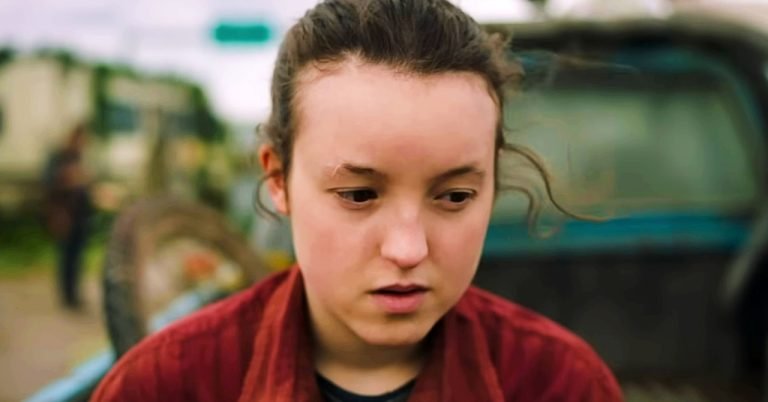
The Last of Us S3: Gabriel Luna on Bella Ramsey’s Leadership & Game Changes for Nerds
In the vast landscape of prestige television, few adaptations have captured the collective imagination and critical acclaim quite like HBO’s ‘The Last of Us’. Translating the emotionally charged, post-apocalyptic narrative of Naughty Dog’s acclaimed video game series to the screen, the show has garnered a fervent fanbase eager for every detail concerning its future. With the second season already in production, anticipation is at an all-time high for what lies beyond, particularly as the narrative ventures into the more complex and often divisive territory of ‘The Last of Us Part II’. Amidst this fervor, insights from the cast offer crucial glimpses into the evolving dynamics and thematic core of the upcoming seasons.
Recently, Gabriel Luna, the actor behind the stoic and resilient Tommy Miller, brother to Joel and a pivotal figure in the unfolding saga, shared his perspectives on the third season. His comments arrive at a moment when the series is poised for significant transformations, both in front of and behind the camera. Luna’s admiration for his co-star, Bella Ramsey, who embodies the indomitable Ellie, speaks volumes about the on-set atmosphere and the palpable shifts in leadership and narrative focus. Furthermore, his hints at substantial changes in perspective promise a viewing experience that will challenge and engage audiences, especially those deeply familiar with the game’s intricate lore.
This article delves into Luna’s revealing statements, exploring the implications of Ramsey’s burgeoning leadership, the narrative ambitions for a third season focused on ‘Part II’s pivotal characters, and what these developments mean for the dedicated fan—the quintessential Nerd—who cherishes every layer of this apocalyptic masterpiece. We will examine how the series is navigating the challenges of adapting a beloved, yet controversial, storyline, ensuring that the essence of the original material is preserved while forging its own unique path. For anyone invested in the future of ‘The Last of Us’, these revelations offer a crucial compass point for the journey ahead.
The Evolving Leadership of Bella Ramsey and its Impact on the Nerd Community
Gabriel Luna’s recent accolades for Bella Ramsey underscore a significant shift in the production dynamic of ‘The Last of Us’. Speaking at ‘The Terminal List’ season two premiere, Luna described Ramsey as a ‘general’ on set, a testament to their growing influence and stature within the cast and crew. This elevation in leadership is particularly poignant given the narrative developments of the second season, which sees the departure of Pedro Pascal’s Joel Miller. With Joel’s death, Ellie’s journey intensifies, demanding an even greater emotional and narrative weight from Ramsey’s portrayal.
Ramsey’s ability to command respect and guide the on-set energy, as highlighted by Luna, reflects not only their innate talent but also the profound connection they have forged with the character of Ellie. This internal strength is crucial for the demanding narrative arc of ‘The Last of Us Part II’, where Ellie grapples with immense grief, rage, and the morally ambiguous pursuit of vengeance. For the discerning Nerd, Ramsey’s leadership signals a stable and committed artistic vision for the series’ most challenging chapters, reassuring them that the core emotional integrity of the story remains in capable hands. Luna’s direct statement, “I’ll go wherever Bella goes. I really like Bella,” encapsulates this sentiment of trust and camaraderie, vital for adapting such a complex narrative.
For dedicated fans seeking to understand the unfolding narrative, Gabriel Luna’s commendation of Bella Ramsey’s leadership indicates a powerful, stabilizing presence at the heart of ‘The Last of Us’ production. This shift is particularly crucial as the series tackles the emotionally intense and pivotal storylines of Season 3, ensuring a strong, guiding force for the cast and creative direction.
From Companion to Commander: Ramsey’s Journey Through the Apocalypse
Bella Ramsey’s portrayal of Ellie has been a cornerstone of ‘The Last of Us’s’ critical success. Initially cast amidst some fan skepticism, Ramsey quickly silenced critics with a nuanced performance that perfectly captured Ellie’s wit, vulnerability, and fierce determination. Their journey, mirroring Ellie’s own growth from a sheltered, immune teenager to a battle-hardened survivor, reflects a remarkable artistic evolution. This transformation from a character often protected to one who actively leads and seeks justice is a core theme that resonates deeply with the franchise’s overarching narrative about survival, loss, and the human spirit.
The weight of carrying such a complex and beloved character, especially through the dark and unforgiving paths of ‘Part II’, requires not only immense talent but also a profound understanding of the source material and its impact on a global audience. Ramsey’s commitment to the role, combined with their natural leadership qualities, positions them as an indispensable force in shaping the future trajectory of the series. Their ability to embody Ellie’s internal conflict and external resilience will be paramount as the story unfolds, offering a compelling anchor for viewers through the narrative’s most turbulent seas.
Anticipated Narrative Shifts: A Gamer’s Perspective for the Informed Nerd
Gabriel Luna’s promise of significant changes in perspective for ‘The Last of Us’ Season 3 directly alludes to one of the most audacious narrative choices made in ‘The Last of Us Part II’ game. The shift in focus to Abby, the secondary protagonist, and her backstory, is a hallmark of the game’s storytelling ambition, challenging players to empathize with a character initially introduced as an antagonist. This narrative technique forces players to confront their biases and see the multifaceted nature of revenge and justice within a broken world.
For the uninitiated, this will be a groundbreaking storytelling experience, but for the seasoned Nerd who has navigated the emotional gauntlet of the game, it’s a familiar, albeit still impactful, journey. Luna confirmed that those who have played the game will quickly recognize this narrative turn, signaling the show’s commitment to adapting these pivotal structural elements. This strategic decision by the showrunners, Craig Mazin and Neil Druckmann, highlights their dedication to preserving the core essence of the game’s thematic complexity, even if it means presenting a story that deviates from traditional hero-centric narratives.
Gabriel Luna’s statements confirm that ‘The Last of Us’ Season 3 will embrace the bold narrative structure of ‘The Last of Us Part II’, shifting perspectives to fully explore Abby’s storyline. This approach promises a nuanced and challenging viewing experience, particularly for fans of the game who recognize the profound implications of this storytelling choice.
Embracing Abby’s Journey: A Divisive Yet Essential Chapter
The introduction of Abby Anderson and her storyline in ‘The Last of Us Part II’ was met with a spectrum of reactions, ranging from profound appreciation for its narrative daring to intense controversy over its character arcs and thematic implications. Season 3 is set to delve into Abby’s past, exploring her motivations, her friendships, and the events that shaped her vengeful quest. This approach requires significant screen time dedicated to her perspective, temporarily moving Ellie’s story to a secondary position—a move designed to build empathy and understanding before the inevitable clash between the two protagonists.
This narrative strategy is vital for illustrating the cyclical nature of violence and the blurred lines between hero and villain in a post-apocalyptic world. By exploring Abby’s side of the story, the series aims to provoke introspection and challenge viewer assumptions, mirroring the emotional rollercoaster experienced by players of the game. The eventual reunion of Ellie and Abby, a moment fraught with tension and consequence, will be all the more impactful because of this earlier, immersive dive into Abby’s world, making their intertwined destinies feel earned and deeply resonant.
The Expanded Ensemble: New Faces and Returning Favorites
The transition into the events of ‘The Last of Us Part II’ necessitates an expansion of the cast, bringing in new key players while giving returning characters more prominent roles. Kaitlyn Dever steps into the crucial role of Abby, a character whose physical and emotional demands are immense. Dever’s previous work in diverse roles, from ‘Booksmart’ to ‘Unbelievable’, suggests an actress capable of delivering the complexity and intensity required for Abby’s portrayal, a fact eagerly anticipated by the Nerd community.
Gabriel Luna’s Tommy is expected to have an expanded role, dealing with the profound loss of Joel and navigating the changing dynamics within his community. Rutina Wesley returns as Maria, a steadfast leader in Jackson, and Jeffrey Wright joins as Isaac, leader of the Washington Liberation Front (WLF), a faction central to Abby’s story. Notably, Laura Bailey, the original voice actress for Abby in the game, will also appear in the series, taking on the role of a Seraphite leader, adding another layer of authenticity and fan service to the adaptation. This ensemble promises to bring depth and nuance to a narrative already rich with emotional weight.
The creative direction for Season 3 sees a slight shift, with Neil Druckmann stepping back from some of his creative functions, although his influence as co-creator remains significant. Filming is currently underway, though the HBO target release date of 2027 means fans have a considerable wait. This extended timeline allows for meticulous production, essential for doing justice to the intricate story and expansive world of ‘The Last of Us Part II’.
Comparing HBO’s ‘The Last of Us’ with its Gaming Source for the Ultimate Nerd Experience
The adaptation of ‘The Last of Us’ has been lauded for its faithfulness to the source material while also making judicious narrative changes to suit the television medium. Season 3’s commitment to shifting perspectives and focusing on Abby’s story represents a direct embrace of the game’s most distinguishing features. This approach will naturally lead to comparisons between the two mediums, a common exercise for the discerning Nerd.
While the game allowed players to embody both Ellie and Abby, experiencing their journeys firsthand through interactive gameplay, the series must convey these perspectives through visual storytelling and actor performances. This presents both a challenge and an opportunity to explore character motivations and emotional states in different ways. The television format can deepen character backstories through extended scenes and dialogue, offering new layers of insight into established characters, while also having to condense or alter certain gameplay-driven sequences.
| Aspecto | The Last of Us (Game) | The Last of Us (HBO Series) |
|---|---|---|
| Experiência | Imersão interativa, controle direto dos personagens. | Imersão passiva, foco em performance e roteiro visual. |
| Narrativa | Dualidade de perspectivas (Ellie/Abby) exigindo interação. | Adaptação da dualidade de perspectivas via atuação e edição. |
| Personagens | Construção de laços através do gameplay e diálogos. | Desenvolvimento via atuações e profundidade dos roteiros. |
| Recepção | Críticas pela ousadia e impacto emocional, mas também divisões. | Espera-se debate semelhante sobre fidelidade e mudanças. |
| Ritmo | Controlado pelo jogador, com momentos de exploração e combate. | Ritmo editorial, adaptado para fluxo televisivo contínuo. |
This comparative lens is crucial for appreciating the distinct artistic merits of each version. The series endeavors to capture the essence of the game’s emotional core, its brutal beauty, and its profound exploration of humanity, while leveraging the strengths of the television format to deliver a compelling and accessible narrative.
The Long Wait and Future Prospects: What Every Fanatical Nerd Needs to Know
The announcement of a 2027 premiere for ‘The Last of Us’ Season 3 means a considerable wait for fans. This extended production timeline is not uncommon for ambitious, high-quality television series, especially those that involve complex visual effects, extensive location shooting, and a cast with demanding schedules. For a series of this magnitude, which aims to faithfully adapt a critically acclaimed game while forging its own identity, time is an invaluable asset.
The delay allows the creative team, led by showrunners Craig Mazin and Neil Druckmann, to meticulously craft the script, plan the production, and ensure every detail aligns with their vision. This attention to detail is precisely what the dedicated Nerd expects and demands, valuing quality and faithfulness over rushed delivery. During this waiting period, the fan community will undoubtedly continue to dissect every piece of information, theorize about potential deviations, and relive the events of the games, keeping the conversation alive and the anticipation simmering.
Navigating Expectations for an Unconfirmed Future
While the focus is firmly on Season 3 and its adaptation of ‘The Last of Us Part II’, questions inevitably arise about the series’ long-term future. HBO has not yet confirmed plans for additional seasons beyond the third. This uncertainty, while standard in television production, fuels speculation within the fan base. The richness of the ‘Last of Us’ universe, with its potential for new stories, spin-offs, or explorations of untold narratives, offers tantalizing possibilities.
However, the immediate priority remains the faithful and impactful rendition of ‘Part II’. The emotional weight and intricate storytelling required for this adaptation are immense, and ensuring its success is paramount. Any future considerations would likely hinge on the reception and critical success of Season 3, reinforcing the idea that each season must stand on its own as a compelling piece of storytelling. For the pragmatic Nerd, the immediate future is clear: patiently await the next chapter, trusting in the established quality of the creators.
FAQ: Essential Insights for the ‘The Last of Us’ Nerd
Here are answers to common questions about ‘The Last of Us’ Season 3, tailored for the insightful fan.
-
What key changes in perspective does Gabriel Luna hint at for Season 3?
Gabriel Luna suggests that ‘The Last of Us’ Season 3 will adopt the significant narrative shifts from ‘The Last of Us Part II’ game, primarily focusing on Abby’s storyline. This means viewers will experience events from her point of view, exploring her past, motivations, and the reasons behind her actions. This strategic narrative choice aims to provide a more comprehensive understanding of the cyclical nature of violence and revenge, challenging audiences to empathize with characters on both sides of a deeply personal conflict. This shift is crucial for fully appreciating the complexity and moral ambiguities that define the second game’s narrative.
-
How does Bella Ramsey’s leadership impact the production of ‘The Last of Us’?
According to Gabriel Luna, Bella Ramsey has become a ‘general’ on set, showcasing strong leadership qualities. This growing influence is particularly vital following Pedro Pascal’s character departure, placing Ramsey in a central role both on-screen and behind the scenes. Their leadership ensures a stable and focused artistic direction for the complex and emotionally demanding storylines of Season 3. Ramsey’s deep understanding of Ellie’s character and their commitment to the role provide a solid foundation for navigating the series’ most challenging narrative arcs, reassuring fans about the integrity of the adaptation.
-
When is ‘The Last of Us’ Season 3 expected to be released?
HBO is currently targeting a release date of 2027 for ‘The Last of Us’ Season 3. This extended timeline, while a considerable wait for fans, is indicative of the meticulous production process required for a high-quality series of this scale. The showrunners and production team are taking the necessary time to carefully craft the narrative, execute complex visual effects, and ensure that the adaptation of ‘The Last of Us Part II’ meets the high standards set by the first season and the original game. This patient approach is designed to deliver a premium viewing experience.
-
Who is cast as Abby in ‘The Last of Us’ Season 3?
Kaitlyn Dever has been cast in the pivotal role of Abby in ‘The Last of Us’ Season 3. Her casting brings a seasoned actress with a strong background in both dramatic and comedic roles, promising a nuanced and powerful portrayal of one of the game’s most complex and controversial characters. Dever’s ability to convey deep emotion and intense physicality makes her an ideal choice to embody Abby’s journey of grief, vengeance, and eventual redemption. Fans are eager to see her interpretation of a character that demands both strength and vulnerability.
-
Will ‘The Last of Us’ Season 3 cover the entirety of ‘The Last of Us Part II’?
While Season 3 is confirmed to adapt events from ‘The Last of Us Part II’, it is highly unlikely to cover the entire game’s narrative within a single season. The second game is exceptionally long and features a sprawling, non-linear storyline with significant time jumps and dual perspectives. Given the meticulous pace of the HBO adaptation, it is more probable that ‘The Last of Us Part II’ will be spread across multiple seasons, allowing for a deeper exploration of its intricate plot points, character development, and thematic depth. This approach would ensure no significant story elements are rushed or omitted.
-
Are there any plans for ‘The Last of Us’ beyond Season 3?
As of now, HBO has not confirmed any plans for ‘The Last of Us’ beyond Season 3. While the universe of ‘The Last of Us’ is rich with potential for further stories, spin-offs, or expansions, the immediate focus remains squarely on the successful adaptation of ‘The Last of Us Part II’. Any future decisions regarding additional seasons or new series within the franchise would likely depend on the critical and audience reception of Season 3. The creative team’s primary goal is to deliver a faithful and impactful conclusion to the story of Ellie and Abby as presented in the second game.











Post Comment