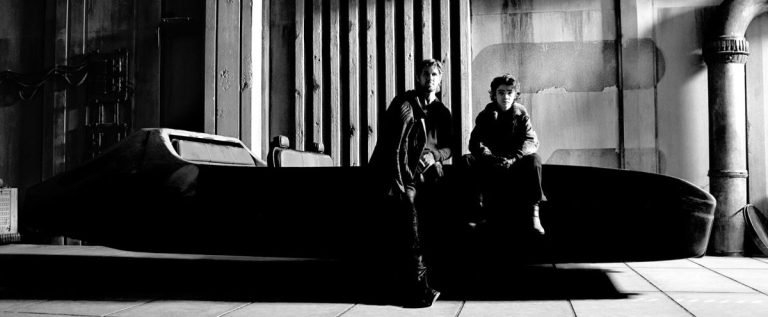
Star Wars: Starfighter – Most Expensive Film Yet? A Nerd’s Deep Dive
The Star Wars universe has long captivated audiences, evolving from a groundbreaking cinematic phenomenon into a sprawling multimedia empire. Yet, recent years have seen the franchise navigate turbulent hyperspace, with fan expectations and box office performance often at odds. In this dynamic landscape, a new beacon has appeared on the horizon: Star Wars: Starfighter. This upcoming film is not just another entry; it’s rapidly becoming the focal point of intense discussion among enthusiasts, particularly due to its astonishing reported budget. Data from Forbes suggests a staggering $226.5 million spent by the conclusion of principal photography, a figure that has sent ripples across the industry and ignited fervent debate within the global Nerd community.
This isn’t merely a large sum; it’s a potential record-breaker, surpassing even the monumental costs incurred by Star Wars: The Force Awakens at a comparable production stage. For a franchise that has consistently pushed the boundaries of visual spectacle and storytelling, such an investment carries immense weight. It signifies more than just a commitment to grand scale; it underscores Disney and Lucasfilm’s strategic gamble on a project designed to reignite enthusiasm and define the next era of Star Wars. As the galaxy far, far away seeks to chart a new course, Starfighter stands as a monumental test – a single title tasked with not only delivering a compelling narrative but also with reassuring a discerning fanbase and demonstrating the enduring commercial viability of one of entertainment’s most beloved sagas.
The implications of this budget extend far beyond mere numbers. They speak to the creative ambition, the pressure on its creators, and the towering expectations placed upon it. In an environment where major blockbusters are under constant scrutiny, Starfighter is poised to become a critical barometer for the franchise’s health, its narrative direction, and its capacity to innovate while honoring its legacy. For every devoted Nerd, this film represents a moment of both immense excitement and cautious optimism, as the future of Star Wars potentially hangs in the balance, shaped by this unprecedented investment.
Star Wars: Starfighter and the High Stakes for the Modern Nerd
Star Wars: Starfighter is making headlines for its staggering budget, reported by Forbes to be $226.5 million upon wrapping principal photography, a sum that surpasses Star Wars: The Force Awakens at the same production point. This substantial investment highlights Lucasfilm and Disney’s deep commitment to the project, positioning it as a potentially record-breaking entry in terms of cost. For the discerning Nerd, this signals immense production value, but also monumental pressure for the film to deliver critically and financially, particularly after recent mixed receptions within the franchise.
The financial commitment to Star Wars: Starfighter is not merely a statement of intent; it’s a strategic move in a competitive entertainment landscape. At $226.5 million, the film’s production costs are signaling a deep belief in its potential to capture a wide audience and deliver a significant return on investment. This figure, notably higher than The Force Awakens at a similar stage, suggests an ambitious scale and a willingness to spare no expense in bringing its vision to life. For a studio, such an outlay is a vote of confidence, anticipating a blockbuster performance that justifies every dollar.
However, this confidence comes with inherent risks, especially for a franchise as scrutinized as Star Wars. The memory of recent box office disappointments, such as The Mandalorian & Grogu, looms large, intensifying the pressure on Starfighter to succeed. A high budget necessitates an even higher box office performance to turn a profit, let alone make a meaningful impact. The stakes are undeniably elevated, not just for the studio’s balance sheet, but for the future creative direction of the entire Star Wars universe.
For the average Nerd, the budget news is a double-edged sword. On one hand, it promises a film of unparalleled scope, visual grandeur, and potentially, A-list talent and cutting-edge special effects. It suggests a serious effort to craft a memorable cinematic experience that stands out. On the other hand, it amplifies the anxiety that often accompanies high-budget projects: will the story be compelling enough to justify the spectacle? Will it cater to the intricate lore that fans cherish, or will it prioritize broad appeal in a way that alienates the core?
The reported cost of filming does not even represent the final budget, as marketing, distribution, and reshoot costs (if any) will add to the total. This nuance is crucial, as the eventual break-even point for Starfighter will be significantly higher than its production expense alone. Understanding this financial ecosystem helps to contextualize the immense pressure on director Shawn Levy and his team to deliver a film that resonates globally and stands as a testament to the enduring power of Star Wars.
The Confirmed Path: A Glimmer of Hope Amidst Unscheduled Projects
Lucasfilm’s slate has seen numerous projects announced or hinted at, but few possess a firm release date. Star Wars: Starfighter, however, is an exception, confidently slated for May 28, 2027. This definitive timeline stands in stark contrast to other highly anticipated titles, such as the Rey-focused New Jedi Order and James Mangold’s Dawn of the Jedi, which remain either in active development, paused indefinitely, or without a confirmed release window. The certainty surrounding Starfighter is a strategic signal from Lucasfilm, suggesting a clear path forward for this particular project amidst a period of considerable fluidity and shifting priorities for the broader franchise.
For fans craving new cinematic adventures, the consistent delays and uncertain futures of other projects have been a source of frustration. This backdrop makes Starfighter‘s fixed release date particularly noteworthy. It indicates a level of confidence in the script, production planning, and overall vision that may be lacking in other concepts still being refined. The studio’s decision to lock in a date so far in advance underscores its strategic importance, positioning it as a tentpole release designed to anchor the Star Wars cinematic future.
Behind the Scenes: The Creative Powerhouse Guiding the Starfighter Vision
Guiding this ambitious undertaking is director Shawn Levy, a filmmaker renowned for his ability to blend spectacle with engaging storytelling across various genres. He leads a talented ensemble cast featuring Hollywood stalwarts Ryan Gosling and Amy Adams in leading roles, bringing considerable star power to the project. The narrative itself is penned by Jonathan Tropper, suggesting a focus on character-driven action and sharp dialogue, while Matt Smith is set to portray one of the film’s central antagonists. The production timeline was relatively swift, with filming commencing in August 2025 and concluding approximately four months later, a schedule confirmed by Levy himself upon wrapping principal photography.
Levy’s involvement is particularly intriguing for the Nerd audience. His track record, which includes hits like Free Guy and key episodes of Stranger Things, demonstrates a keen understanding of genre conventions and the ability to craft compelling narratives that appeal to both critics and commercial audiences. The casting of Gosling and Adams adds a layer of prestige and broad appeal, hinting at a film that aims to be more than just a typical Star Wars installment, potentially drawing in viewers who might not be lifelong fans of the saga. Matt Smith’s role as a villain further promises a nuanced and potentially memorable antagonist, a critical element for any successful Star Wars story. This combination of established talent behind and in front of the camera suggests a concerted effort to deliver a high-quality, impactful film.
A New Narrative Frontier: Moving Beyond Skywalker for the Discerning Nerd
In a bold move that has generated considerable buzz, director Shawn Levy has unequivocally stated that Star Wars: Starfighter will be an entirely original story, consciously avoiding the pitfalls of being a direct sequel or prequel to existing material. The plot is purportedly set five years after the events of Star Wars: The Rise of Skywalker, placing it in a relatively uncharted period of the galaxy’s timeline. Crucially, Levy revealed that the film will intentionally steer clear of the iconic Skywalker lineage and the pervasive influence of the Jedi, a narrative choice that could offer a truly fresh perspective for the franchise.
This deliberate pivot away from the well-trodden paths of Jedi-centric stories and the Skywalker saga is a significant departure from previous Star Wars cinematic endeavors. For a considerable segment of the Nerd fanbase, this decision is a breath of fresh air, promising an opportunity for genuine innovation and the introduction of new characters, conflicts, and corners of the galaxy previously unexplored on the big screen. It opens up vast possibilities for original lore and allows the creative team to forge new legends without the burden of extensive continuity or the pressure to tie into pre-established narratives.
However, this approach also carries inherent risks. Some traditionalists might view the absence of Skywalkers and Jedi as a dilution of the core Star Wars identity. The franchise has historically thrived on these central pillars, and moving away from them demands an exceptionally strong and compelling new story to win over skeptics. The challenge lies in creating something that feels authentically Star Wars while simultaneously breaking new ground, ensuring that the originality is a strength, not a barrier to entry for fans accustomed to familiar faces and themes. The success of Starfighter in this regard could redefine what a Star Wars film can be, proving that the galaxy is vast enough to sustain diverse narratives.
The Historical Precedent: Star Wars Budgets and Fan Expectations
The history of Star Wars films is replete with massive budgets, reflecting their status as cinematic benchmarks. From the groundbreaking practical effects of the original trilogy to the CGI spectacle of the prequels and the modern Disney-era epics, investment has always been significant. However, the correlation between budget and audience reception has not always been linear. Films with colossal budgets have sometimes struggled to please the notoriously discerning Nerd audience, who prioritize narrative integrity and thematic depth over sheer scale. The unique challenge of Star Wars lies in its passionate fanbase, where high financial outlay demands an equally high standard of storytelling and character development.
Past high-budget entries have demonstrated that while visual grandeur is expected, it is ultimately the emotional resonance and coherence of the story that determine a film’s lasting legacy. When the expense outstrips the narrative’s ability to connect, fan disappointment can be profound, impacting future projects and overall franchise trust. Therefore, Starfighter‘s record-setting budget places it under a microscope, with fans and critics alike watching closely to see if the investment translates into a truly exceptional cinematic experience, rather than merely an expensive one.
| Factor | Potential Positive Impact | Potential Negative Impact |
|---|---|---|
| High Budget | Superior Visuals, Expansive Scope, A-List Talent | Exorbitant Box Office Demands, Pressure on Story |
| Original Story | Freshness, New Lore, Creative Freedom for the Storytelling Nerd | Departure from Familiarity, Risk of Alienating Core Fanbase |
| No Jedi/Skywalker Focus | Innovation, New Perspectives, Less Retconning Pressure | Loss of Core Identifiers, May Feel Less “Star Wars” |
| Confirmed Release | Builds Anticipation, Signifies Studio Confidence | Less Flexibility for Creative Adjustments |
Advantages of a High-Stakes Production for the Savvy Nerd
The monumental budget allocated to Star Wars: Starfighter presents several compelling advantages for both the studio and the eager Nerd audience. Primarily, it guarantees an unparalleled level of production quality. Such an investment translates directly into state-of-the-art visual effects, meticulously crafted practical sets, breathtaking cinematography, and the freedom to realize truly epic scale. This means the promise of a visually stunning and immersive cinematic experience that aligns with the grandiosity expected from the Star Wars brand.
Furthermore, a high budget enables the attraction of top-tier talent, not just in front of the camera (like Ryan Gosling and Amy Adams) but also behind the scenes. This includes acclaimed directors such as Shawn Levy, renowned screenwriters, and the best technical crews in the industry. The collective expertise of such individuals elevates the overall quality of the film, from its narrative structure to its technical execution, promising a more polished and impactful final product. This concentration of talent is crucial for navigating the complexities of a Star Wars production and ensuring a cohesive vision.
Perhaps most significantly, this level of financial commitment signals Disney’s clear and unwavering confidence in the future of the Star Wars franchise. It’s a statement that the studio is willing to invest heavily in new narratives and directions, rather than simply relying on past successes or legacy characters. This confidence can be infectious, building anticipation among fans and demonstrating a genuine belief in the project’s capacity to deliver something truly special. For the audience, it suggests that Lucasfilm is taking Starfighter very seriously, treating it as a cornerstone for the next generation of Star Wars storytelling, aiming to reinvigorate the cultural conversation around the beloved universe.
The Double-Edged Lightsaber: Risks and Limitations for the Discerning Nerd
While a colossal budget for Star Wars: Starfighter brings the promise of grand spectacle, it simultaneously sharpens the edge of inherent risks and limitations. The most immediate and pressing concern is the immense pressure for the film to achieve a phenomenal box office performance. To justify a production cost exceeding $226 million (with marketing and distribution still to be added), Starfighter will need to gross substantially more, potentially approaching a billion dollars or more globally, just to break even and turn a profit. This high financial bar leaves little room for error and places extraordinary pressure on its commercial reception.
The Star Wars fanbase, often affectionately (and sometimes critically) referred to as the Nerd community, is famously demanding and fiercely loyal, yet also notoriously difficult to please. This audience holds deeply ingrained expectations regarding lore, character consistency, and thematic depth. A high-budget film that fails to resonate with this core demographic, despite its visual splendor, risks significant backlash, which can undermine the franchise’s credibility and future endeavors. The challenge is balancing broad appeal with the intricate details that captivate dedicated fans.
Moreover, the strategy of investing heavily in a single project to revitalize the brand carries the inherent danger of over-reliance. If Starfighter does not meet its lofty commercial and critical targets, the repercussions for Lucasfilm’s cinematic future could be substantial, potentially leading to a re-evaluation of its creative strategies and project pipelines. This places an undue burden on one film to carry the weight of an entire franchise’s trajectory. Finally, it’s crucial for the discerning Nerd to remember that the reported $226.5 million refers specifically to the expenditure up to the conclusion of filming, not necessarily the final, all-inclusive budget. The ultimate cost, encompassing marketing, reshoots, and other post-production elements, will inevitably be higher, further intensifying the financial pressure and increasing the required box office haul for profitability.
Learning from the Holocron: Avoiding Pitfalls and Embracing Best Practices for a Star Wars Film
The journey of Star Wars has not been without its bumps in the hyperlane, offering valuable lessons in what resonates with its audience and what can lead to disappointment. Common errors often include prioritizing excessive fan service over genuine narrative progression, resulting in moments that feel forced or unearned. Inconsistent lore, particularly when established canons are disregarded for expediency, frequently draws the ire of the dedicated Nerd fanbase. Additionally, a rushed production schedule or an unclear creative vision can manifest in a disjointed plot or underdeveloped characters, undermining the entire cinematic experience.
Conversely, best practices for a successful Star Wars film hinge on a few critical pillars. At its core, a strong, original story that offers fresh perspectives while respecting the foundational themes and spirit of the universe is paramount. This involves crafting compelling new characters, exploring unexplored corners of the galaxy, and developing conflicts that feel both personal and epic. Secondly, striking a careful balance between innovating and honoring established lore is key; true creative freedom can exist within the parameters of the Star Wars universe without resorting to retcons or forced nostalgia. Finally, fostering authentic character development that resonates emotionally with the audience, combined with a clear and consistent creative vision from pre-production through post-production, is essential for crafting a film that will endure and be cherished by fans for years to come.
The Future Trajectory of Star Wars and Its Impact on Every Nerd
The current trajectory of the Star Wars franchise clearly indicates a strategic shift towards expanding its universe beyond the confines of the core Skywalker saga, a trend deeply influenced by its extensive presence across streaming platforms and other media. This diversification aims to cater to a broader audience while simultaneously reigniting the passion of the veteran Nerd, who craves fresh narratives and new heroes. The success of series like The Mandalorian and Andor on Disney+ has demonstrated the immense potential of stories that explore different facets of the galaxy, moving away from the Jedi-centric narratives that have historically dominated the big screen.
Star Wars: Starfighter, with its original story and deliberate departure from the Skywalker and Jedi narratives, is positioned to be a pivotal test case for this new era. Its performance, both critically and commercially, will undoubtedly influence Lucasfilm’s future development strategies. A resounding success could embolden the studio to greenlight more standalone films and series that explore entirely new characters and timelines, further diversifying the Star Wars canon. Conversely, if Starfighter falters, it might lead to a more cautious approach, potentially prompting a return to more familiar narrative territories, though this seems less likely given the current industry trend towards universe expansion.
Ultimately, the long-term impact on every Nerd is the promise of an even richer and more varied Star Wars experience. The franchise is evolving into a more complex tapestry of tales, allowing for deeper exploration of its lore, cultures, and myriad inhabitants. This expansion ensures that Star Wars remains relevant and engaging for generations to come, continually offering new entry points and fresh perspectives while cherishing the enduring legacy that made it a global phenomenon in the first place. The emphasis on original content and moving beyond legacy characters is a bold statement, reflecting a confidence in the universe’s ability to sustain countless new stories and connect with audiences in innovative ways.
Star Wars: Starfighter – A Critical Juncture for the Modern Nerd Identity
Star Wars: Starfighter represents a critical juncture for the Star Wars franchise and for the modern Nerd identity, embodying both immense potential and significant risk. The substantial investment, reported at $226.5 million post-filming, unequivocally indicates Disney’s high expectations for the project and a belief in its capacity for a major box office return. This financial commitment signals a bold, new direction for the saga, particularly with its confirmed original story set apart from the Skywalker and Jedi narratives.
While this optimism is palpable, the risks are equally evident. The demanding nature of the Star Wars fanbase, coupled with the imperative for a robust box office performance to justify the colossal budget, places immense pressure on the film. Yet, for the dedicated Nerd, the prospect of a completely fresh narrative, unburdened by legacy characters and existing plotlines, is a major draw. It offers the rare opportunity to experience Star Wars storytelling free from the constraints of continuity, paving the way for new heroes and villains to capture imaginations.
Conversely, this same innovation can be perceived as a challenge, as the film is now tasked with single-handedly proving the enduring appeal of the franchise’s new direction at a time when regaining fan trust is paramount. The journey of Star Wars: Starfighter is more than just a cinematic release; it’s a litmus test for the future of one of the world’s most beloved universes, determining how effectively it can evolve while retaining its core magic. It’s a testament to the fact that even in a galaxy far, far away, every dollar spent and every story told carries profound weight for the future of its cultural legacy.
Frequently Asked Questions for the Star Wars Nerd
What is the reported budget for Star Wars: Starfighter?
The reported budget for Star Wars: Starfighter, according to Forbes, reached $226.5 million upon the completion of principal photography. This figure is significant because it surpasses the expenditure of Star Wars: The Force Awakens at a similar stage of production, positioning Starfighter as potentially the most expensive film in the franchise’s history. This substantial investment indicates a strong commitment from Lucasfilm and Disney to the project’s scale and ambition, suggesting high expectations for its visual quality and cinematic impact. It also highlights the immense pressure for the film to perform exceptionally well at the global box office to justify such a considerable financial outlay.
When is Star Wars: Starfighter scheduled for release?
Star Wars: Starfighter has a confirmed release date of May 28, 2027. This specific scheduling is notable in Lucasfilm’s current project slate, as many other announced or hinted Star Wars films, such as the Rey-focused New Jedi Order and James Mangold’s Dawn of the Jedi, currently lack definitive release windows. The fixed date for Starfighter suggests a high degree of confidence in its production timeline and a strategic placement within Disney’s overall release schedule. For fans, it provides a concrete target to anticipate a major new cinematic entry into the Star Wars universe.
Who is directing Star Wars: Starfighter and who are the lead actors?
Star Wars: Starfighter is being directed by Shawn Levy, a filmmaker known for projects like Free Guy and Stranger Things. The film features a prominent cast, with Ryan Gosling and Amy Adams confirmed in leading roles. Jonathan Tropper is credited with writing the screenplay, and Matt Smith is set to play one of the film’s villains. This combination of established talent behind and in front of the camera underscores the film’s high production value and aims to deliver a compelling narrative experience for both long-time fans and new audiences. Levy’s involvement, in particular, suggests a blend of action, character development, and genre appeal.
What makes Star Wars: Starfighter’s story unique?
Director Shawn Levy has affirmed that Star Wars: Starfighter will tell an entirely original story, differentiating it from being a direct sequel or prequel to existing Star Wars narratives. This approach allows for creative freedom, enabling the exploration of new characters, settings, and conflicts within the expansive galaxy. The film’s originality is a key selling point for fans eager for fresh perspectives, moving beyond the well-trodden paths of established storylines. This creative independence aims to deliver a unique cinematic experience that contributes new lore to the Star Wars universe.
What is the significance of its setting after The Rise of Skywalker?
Star Wars: Starfighter is reportedly set five years after the events of Star Wars: The Rise of Skywalker. This placement in the timeline is significant because it allows the film to explore a post-Skywalker saga galaxy without being directly tied to its immediate aftermath or needing to resolve lingering plot threads. By creating a temporal distance, the movie gains the flexibility to introduce new challenges and characters independently. This strategic setting aims to provide a fresh narrative canvas for filmmakers, offering a glimpse into the evolving state of the galaxy far removed from the core Skywalker lineage, yet still within a recognizable timeframe for fans.
Why is the high budget considered both a good and a bad sign for the film?
The high budget for Star Wars: Starfighter is a double-edged sword. On the positive side, it indicates Disney’s strong confidence in the project’s potential and its commitment to delivering a visually stunning, high-quality cinematic experience. A substantial investment often translates into top-tier talent, cutting-edge effects, and expansive storytelling. Conversely, it’s considered a bad sign because such a high cost places immense pressure on the film to achieve an exceptionally large box office return to break even and be profitable. This financial imperative can sometimes influence creative decisions or lead to disappointment if the film doesn’t meet the enormous commercial expectations it sets for itself.
Which other Star Wars projects are currently in development or paused?
Lucasfilm has several other Star Wars projects in various stages of development, though many lack definitive release dates or have seen their progress paused. Notable examples include the Star Wars: New Jedi Order film, which is expected to feature Rey, and James Mangold’s Star Wars: Dawn of the Jedi. These projects illustrate Lucasfilm’s ambition to broaden the cinematic scope of the franchise, exploring different eras and characters. However, their unconfirmed statuses highlight the complex nature of developing major blockbusters, with Star Wars: Starfighter standing out due to its relatively clear path to release.
How does Starfighter’s approach differ from previous Star Wars films focusing on the Skywalker saga?
Star Wars: Starfighter explicitly differs from previous core films by intentionally not revolving around the Skywalker family or the Jedi. Director Shawn Levy has confirmed that the film will present an original story, unburdened by legacy characters. This represents a significant shift from the nine-episode Skywalker saga, offering a fresh narrative perspective and the opportunity to introduce entirely new characters, conflicts, and lore within the vast Star Wars galaxy. The aim is to innovate and explore new corners of the universe, providing a different kind of Star Wars story for audiences, free from the constraints of established family lineages and traditional Force-user narratives.
What are the fan expectations surrounding this film?
Fan expectations for Star Wars: Starfighter are extremely high and varied. The substantial budget and the promise of an original story, free from the Skywalker saga and Jedi, have generated considerable excitement for a fresh direction. Many fans, particularly the Nerd community, are eager to see new characters and unexplored parts of the galaxy. However, there’s also an underlying pressure for the film to deliver exceptionally well, given the mixed reception of recent Star Wars projects. The expectation is for a high-quality narrative that respects the spirit of Star Wars while daring to innovate, proving the franchise’s ability to evolve and thrive beyond its traditional pillars.
Is the reported budget the final cost of the movie?
No, the reported budget of $226.5 million for Star Wars: Starfighter refers specifically to the expenditure accumulated by the end of principal photography (filming). This figure does not include additional significant costs such as global marketing and distribution, potential reshoots, or other post-production expenses. Therefore, the final, total cost of the movie will undoubtedly be considerably higher than the reported production budget. This is an important distinction for understanding the full financial commitment and the ultimate box office threshold required for the film to be considered profitable for Lucasfilm and Disney.










Post Comment