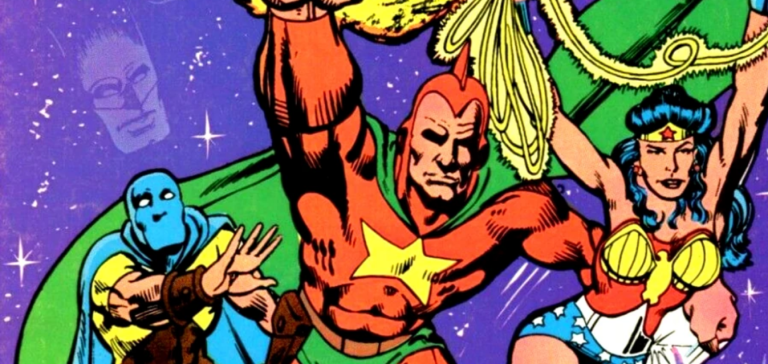
The Last Classic Story from DC’s Golden Age: A Deep Dive
Understanding the Golden Age of Comics
The Golden Age of Comics, spanning from the late 1930s to the early 1950s, marked a transformative period for superhero storytelling. With the debut of Superman in 1938, DC Comics introduced iconic characters that would define the genre. This era culminated in the remarkable storytelling found in titles like All Star Comics, which showcased team dynamics and heroic adventures.
Factors Leading to the End of an Era
By the 1950s, the landscape of comic book readership shifted dramatically. Post-World War II, the appetite for superhero stories diminished as the audience began to gravitate toward genres like crime, romance, and horror. This transition necessitated difficult decisions by publishers, particularly in how they marketed superheroes. Numerous beloved titles faced cancellation, leading to significant changes across the industry.
What Was the Last Classic Story from DC’s Golden Age?
The last classic tale from this storied period is the iconic All Star Comics #57, which featured the Justice Society of America. Published in early 1951, this issue became a poignant farewell to a generation of heroes, reflecting both the end of their adventures and the impending shift in comic book focus. The story, aptly titled The Mystery of the Vanishing Detectives, encapsulates the essence of the Golden Age, concluding with heartfelt goodbyes for characters like the original Flash and Green Lantern.
The Impact of All Star Comics #57
This issue was significant not just for its narrative but also for its historical context. After All Star Comics #57, the series quickly transitioned to a Western theme with All-Star Western, marking a pivotal moment in comic book history where superheroes took a backseat to genres that better reflected the tastes of the time. This cancellation symbolized the end of an era for many dedicated fans and historians alike.
The Cultural Significance of the Cancellation
The abrupt end of the Golden Age heroes posed questions about the sustainability of superhero narratives in changing times. The decline highlighted the need for comic publishers to innovate and adapt, leading to the eventual resurgence of the superhero genre in the Silver Age, which began in the mid-1950s with the reintroduction of characters like the Flash.
Benefits of the Transition
- Creative Rebirth: The challenges faced paved the way for new storytelling techniques.
- Diverse Genres: The shift allowed for the exploration of different comic genres, enriching the medium.
- Enduring Legacy: The heroes from the Golden Age continue to influence contemporary storytelling in comics.
Common Misconceptions
Several myths surround the cancellation of these tales. Many fans believe it was due solely to declining sales; however, broader societal changes played an equally vital role. Understanding this context helps clarify misconceptions about the transition in comic book storytelling.
Best Practices for Appreciating Golden Age Comics
For new readers or enthusiasts delving into this classic era, consider the following:
- Explore Original Issues: Seek out original prints or reprints for a genuine experience.
- Study Context: Familiarize yourself with the historical backdrop to better understand character motivations.
- Join Discussion Groups: Engage with communities that collect and discuss Golden Age comics.
Future Trends in Comic Storytelling
As we move forward, the lessons learned from the Golden Age remain relevant. The cyclical nature of trends in comics suggests that, regardless of market pressure, innovation and reinvention are always possible. Modern creators are exploring diverse narratives, reflecting contemporary societal themes while honoring the legacy of past heroes.
What Can We Learn from the Last Classic Story from DC’s Golden Age?
Ultimately, the final story from DC’s Golden Age serves as a crucial reminder of the resilience of creativity amidst change. As fans of the Nerd culture and comic enthusiasts, understanding this legacy enriches our appreciation for current comic narratives and their evolution.
FAQ
What was All Star Comics #57 about?
All Star Comics #57, published in early 1951, featured the Justice Society of America in their final adventure, which revolved around the mystery of Detectives who vanished, symbolizing the decline of the Golden Age of Comics.
Why did the Golden Age of Comics end?
The Golden Age of Comics ended primarily due to a shift in audience interests post-World War II, with readers moving towards genres like crime and romance, which led to the decline in superhero stories.
What followed the cancellation of many superhero titles?
After the cancellation of superhero titles in the early 1950s, many comic publishers shifted focus to other genres, notably Westerns, which was reflected in the rebranding of All Star Comics to All-Star Western.
How did the Golden Age impact modern comics?
The Golden Age set a foundation for modern superhero narratives, influencing character development, storytelling techniques, and the overall structure of comic book publishing.
What is the legacy of the Justice Society of America?
The Justice Society of America remains a foundational team in the comic universe, establishing the framework for hero collaborations and shared universes that are prevalent in today’s comics.
Are there collections of Golden Age comics available?
Yes, numerous publishers offer collections of Golden Age comics, allowing enthusiasts to explore these classic stories and their historical significance.














Post Comment