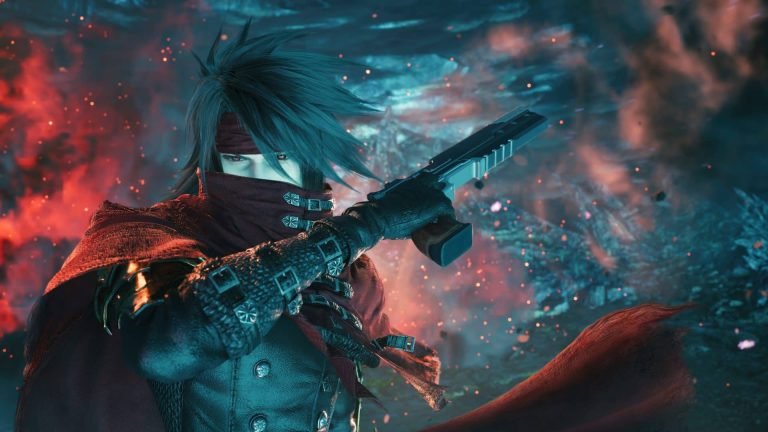
Exploring Naoki Hamaguchi’s Vision for Final Fantasy 7 Trilogy
The world of gaming has been profoundly shaped by titles that not only entertain but also resonate deeply with fans. Among these, Final Fantasy 7 stands out as a benchmark, lauded for its storytelling and innovative gameplay when it debuted in 1997. As the gaming landscape evolves, Naoki Hamaguchi, the director leading the charge on the Final Fantasy 7 Remake Trilogy, is at the forefront of ensuring this legacy continues to thrive. In his recent appearances, especially during the panel titled “From Reunion to Resolve” at PAX West, Hamaguchi shared his insights into the trilogy’s purpose and significance for both longstanding fans and a new generation of gamers.
Nerd Culture and the Final Fantasy 7 Legacy
Nerd culture has long embraced narratives that challenge the status quo and create immersive experiences. Final Fantasy 7 has not just been a game; it has evolved into a cultural phenomenon, inspiring adaptations across various media, including movies and spin-offs. Hamaguchi emphasized that the core intention behind the trilogy is to reintroduce this iconic title to fans while ensuring it remains relevant for decades to come.
The Journey from Game to Cultural Icon
Understanding the journey of Final Fantasy 7 from a singular game to a multi-faceted universe helps to grasp its enduring appeal. Originally released in the late ’90s, it quickly grew into a franchise featuring various spin-offs and adaptations, which established a continuous dialogue with its audience. Hamaguchi’s dedication to crafting a trilogy demonstrates a commitment to honoring the original while simultaneously modernizing the experience for newcomers.
Vision for Future Generations
Hamaguchi noted that one of the significant goals is to cultivate a diverse fanbase. He aims to ensure that even twenty to thirty years from now, the essence of Final Fantasy 7 will continue to attract fans. This vision speaks volumes to the desire for timelessness in storytelling within the realm of video gaming.
Reinvention and Evolution
The marketing campaign surrounding the remake underscores the importance of viewing Final Fantasy 7 as a living intellectual property. Rather than a classic frozen in time, it serves as a jumping-off point for further narratives and interactions. Each installment paves the way for future explorations, thus reinforcing its place within the gaming zeitgeist.
Comparison: Original vs. Remake
| Aspect | Original Final Fantasy 7 (1997) | Final Fantasy 7 Remake Trilogy (2020-Present) |
|---|---|---|
| Graphics | Polygonal characters, pre-rendered backgrounds | High-definition graphics, real-time environments |
| Narrative Depth | Classic storytelling elements | Expanded character arcs and modern narrative techniques |
| Gameplay Mechanics | Turn-based combat | Hybrid combat featuring real-time elements |
Benefits of the Remake Trilogy
- Enhanced Visuals: The high-definition graphics bring the world to life in unprecedented detail.
- Modernized Gameplay: The new combat system appeals to both new and traditional gamers.
- Expanded Lore: Additional storylines deepen character insights and overall narrative.
Limitations of the Trilogy
- Nostalgic Expectations: Longtime fans may have preconceived notions that differ from the modern adaptation.
- Game Length: The expanded content may extend the gameplay experience significantly.
Common Missteps by Fans
- Not exploring the expanded content available in the remakes.
- Disregarding the artistic choices made in character design and storytelling.
- Comparing the remake too harshly with the original without considering context.
Best Practices for Engaging with the Trilogy
- Approach the remakes as standalone experiences rather than direct copies.
- Engage with supplementary materials to enrich understanding.
- Participate in community discussions to explore diverse perspectives.
Future Trends in Gaming Inspired by Final Fantasy 7
The success of Final Fantasy 7 has opened doors for various trends in game development, emphasizing the importance of nostalgia while pushing boundaries with modern design. As more franchises consider remakes, we may see an increase in hybrid gameplay, where nostalgia intertwines seamlessly with innovation.
Final Thoughts from Naoki Hamaguchi
As the final chapter, Final Fantasy 7 Revelation, approaches its release in April 2027, it is essential to appreciate the legacy that Naoki Hamaguchi is ensuring continues for more generations ahead. The passion and vision behind this project reaffirm that great stories are timeless, resonating with audiences long after their initial arrival.
FAQs
What is the primary goal of the Final Fantasy 7 Remake Trilogy?
The main objective is to present the iconic game to a new audience while maintaining its relevance for future generations. By expanding both the narrative and gameplay mechanics, the trilogy aims to create a fresh yet familiar experience.
When is the release date for Final Fantasy 7 Revelation?
Final Fantasy 7 Revelation, the third and final installment of the remake trilogy, is set to be released in April 2027. This marks a significant milestone in the project initiated to revive a beloved classic.
How does the remake differ from the original game?
Significantly, the remake features modern graphics, hybrid gameplay, and expanded character development. It aims to preserve the story while also offering a new lens through which to experience it.
Why is Final Fantasy 7 important in nerd culture?
Final Fantasy 7 is pivotal within nerd culture due to its groundbreaking storytelling, complex characters, and innovative gameplay, influencing a generation and setting standards for future game design.
What can fans expect from the upcoming revelation chapter?
Fans can anticipate a culmination of the story arcs presented throughout the trilogy, enhanced graphics, and gameplay innovations, promising a fitting conclusion to a longstanding narrative.
How can fans best appreciate the trilogy?
Fans should approach the remakes as standalone experiences, engage with community discussions, and explore accompanying materials to deeply appreciate the new narratives and designs.













Post Comment