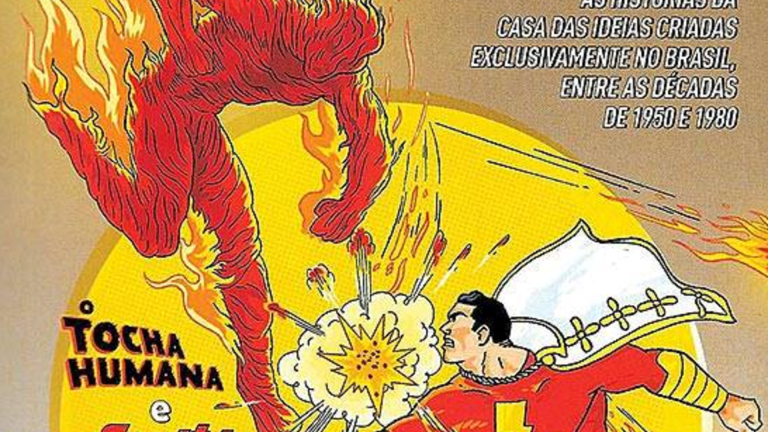
Discover the First Marvel and DC Crossover in Brazil
Nerd Culture Meets Comic Book History
In the rich tapestry of comic book history, few events spark as much excitement and debate as the first crossover between DC and Marvel. Many fans think of ‘Superman vs. Spider-Man’ from 1976 as the initiating encounter of these two comic giants. However, a fascinating piece of trivia often overlooked is that a crossover entirely produced in Brazil actually predates this iconic battle by twelve years. In this article, we’ll explore this unique cultural gem that holds a special place in nerd culture and comic book fans’ hearts.
The Unseen Crossover
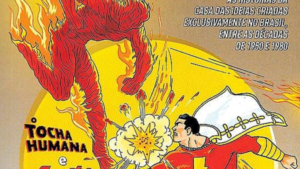
The surprising blend of characters took place in 1964 within a publication known as the Almanaque O Globo Juvenil, produced by the Brazilian publisher RGE. This edition featured an encounter between Captain Marvel, known today as Shazam, and the original Human Torch of Marvel Comics. At that time, both characters were somewhat obscure in the United States yet garnered love internationally, particularly in Brazil, where RGE had licensing rights.
Contextualizing the Characters
The Captain Marvel featured is Billy Batson, who was originally created by Fawcett Comics. Intriguingly, he had not yet become a DC character, as that wouldn’t happen until the 1970s. Meanwhile, the Human Torch referred to is Jim Hammond, an android superhero launched by Timely Comics, the precursor to Marvel. This crossover drew inspiration from characters that had seen better days, only to be reinvigorated by Brazilian creators.
The Plot Unfolds
In the story titled A Volta de um Grande Herói, Captain Marvel reads about the villain Cobra, who stages an escape, igniting memories of an older case involving a hero’s disappearance. Transforming into Captain Marvel, he infiltrates a prison and eventually discovers the Human Torch among Cobra’s captured victims. Their adventure leads them to thwart Cobra’s nefarious plan to unleash a super weapon against the Earth.
Why This Matters to Nerd Fans
- Historical Importance: Understanding crossovers enriches the lore surrounding comic book universes.
- Cultural Significance: This Brazilian story highlights the contribution of local creators to global narratives.
- Collectible Value: The original printing is now a sought-after item among collectors worldwide.
Limitations of the Crossover
Despite its innovation, the crossover was limited in its exposure. Since it was not officially sanctioned by either Marvel or DC, many comic fans remained unaware of its existence for decades. This lack of recognition led to a missed opportunity for further development of a crossover narrative.
Common Misconceptions in Crossover Events
- Assuming official recognition means higher quality storytelling.
- Believing that all crossovers must adhere to formal publishing orders.
- Neglecting international contributions in the canon of comic book history.
Best Practices for Understanding Comic Book Crossovers
- Research the historical context of characters involved.
- Engage with international comic histories.
- Appreciate the artistic intent behind unofficial collaborations.
The Future of Comic Crossovers
The landscape of comic book storytelling continues to evolve, with crossovers becoming increasingly common in other mediums, including film and TV. The ability to interweave stories across different universes presents opportunities for richer narratives. As more creators draw inspiration from past works like this Brazilian crossover, the possibilities for unique storytelling remain limitless.
Why Nerds Should Celebrate This Crossover
This history of comic book storytelling is essential not only for enthusiasts but also for scholars examining the cross-cultural dissemination of ideas. Celebrating a crossover like ‘A Volta de um Grande Herói’ broadens the scope of what it means to be a part of the global nerd community.
FAQ
What was the first crossover between Marvel and DC?
The first recognized crossover is ‘Superman vs. Spider-Man’ from 1976, but a lesser-known Brazilian crossover published in 1964 combines Captain Marvel and the original Human Torch.
Why is the Brazilian crossover significant?
This crossover is pivotal because it showcases innovation in comic book storytelling outside the traditional American market, highlighting Brazil’s unique artistic contributions.
Who created Captain Marvel and the Human Torch?
Captain Marvel, or Shazam, was created by Fawcett Comics, while the original Human Torch was crafted by Carl Burgos for Timely Comics in 1939.
How has this crossover influenced modern comic storytelling?
This Brazilian crossover serves as a reminder of the creative potential in blending universes, which continues to inspire modern storytelling across various media.
Where can I find the original comic?
Original copies of the Almanaque O Globo Juvenil are rare collectors’ items; auctions and specialized comic stores might occasionally have them available.
What can we learn from this crossover?
This story teaches us the value of creativity and cultural exchange in the comic book industry and encourages enthusiasts to explore works beyond mainstream publications.





Post Comment