The Evolution of Marvel’s Villain Teams: What Happened?
Understanding the Decline of Marvel’s Villain Teams
The Marvel Universe has been a playground for heroes and villains alike since the inception of the Fantastic Four in 1961. In the nascent years of Marvel comics, creating teams of villains to counteract the burgeoning number of superheroes was a recipe for thrilling narratives. However, over the decades, these ensembles have largely faded from prominence, leaving an intriguing gap in Marvel’s storytelling landscape.
The Rise of Villain Teams in Marvel History
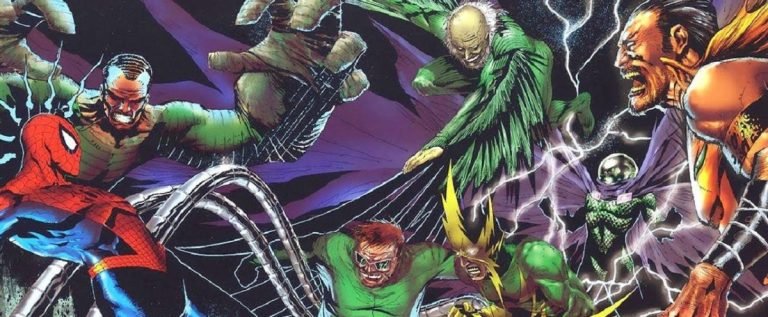
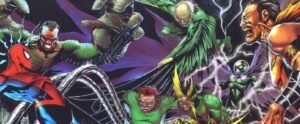
In the early days, Marvel quickly established teams like the Avengers and the X-Men, leading to the formation of villain factions such as the Brotherhood of Evil Mutants, the Masters of Evil, and the Sinister Six. These groups served to match the escalating threat levels posed by the heroes, often embodying darker mirror images of their heroic counterparts.
Notable Villain Teams in Their Prime
- Brotherhood of Evil Mutants: Founded by Magneto, this group was the main antagonist for the X-Men, representing a powerful challenge to their ideals.
- Masters of Evil: Comprised of top-tier villains, including Zemo, they provided formidable challenges to the Avengers.
- Sinister Six: A notable team formed to specifically target Spider-Man, showcasing villain teamwork to achieve their nefarious ends.
Factors Leading to Their Diminishing Role
Several factors have contributed to the decline of villain teams in the Marvel Universe. One of the most significant is the inflation of power levels within Marvel’s storytelling. As individual villains have become more potent, the need for groups of villains to pose a threat has diminished. For instance, characters like Count Nefaria can take on Avengers single-handedly, rendering collective villain efforts somewhat obsolete.
The Impact of the Thunderbolts
The introduction of the Thunderbolts altered the dynamic of villainy in the Marvel Universe. This team, initially composed of reformed villains masquerading as heroes, highlighted the complexity and depth of villainous characters, changing how fans perceive their motivations. As a result, traditional teams like the Masters of Evil lost their luster, becoming overshadowed by these richer narratives.
Arch Villains and Their Isolation
In the past, many villain teams thrived by their relationships and shared objectives, but increased focus on individual rivalries diluted the strength of group dynamics. With iconic villains dominating the narrative arcs, minor teams failed to generate the same sense of urgency or threat, becoming mere footnotes in larger plots.
Current Perspectives and Future Possibilities
While some villain teams have reappeared in recent storylines, their relevance seems diminished compared to times past. The Masters of Evil and other groups have made fleeting appearances but struggle to reclaim their former importance amid larger cosmic threats and complex character arcs. However, this does not mean that their stories are completely over; they may simply be waiting for a creative resurgence.
Conclusion: A Shift, Not an End
The history of Marvel’s villain teams teaches us about the evolution of storytelling in comics. What once served as a backbone for tension and conflict, may need to be reimagined in the face of changing audience expectations and narrative possibilities. As Marvel continues to develop its universe, the potential for villainous resurgence remains alive.
What to Remember About Marvel’s Villain Teams
- Villain teams served as essential antagonists to Marvel’s heroes.
- Power inflation has made individual villains more compelling.
- Complex narratives, like those presented by the Thunderbolts, have shifted fan focus.
- Despite their decline, there’s still room for innovation in villain storytelling.
FAQ
Why have Marvel’s villain teams become less prominent?
Marvel’s villain teams have diminished due to several reasons, including increased power levels of individual villains, the introduction of more layered narratives like the Thunderbolts, and a shift in focus towards individual rivalries.
What are some examples of past villain teams?
Notable teams include the Brotherhood of Evil Mutants, the Masters of Evil, and the Sinister Six, each representing significant challenges to their respective superhero teams.
Is there a possibility of these teams making a comeback?
Yes, while the current landscape has shifted, there remains potential for innovation and new narratives that could bring these teams back to prominence.
How have audience expectations changed over time?
Audiences have shifted towards more complex character development and storytelling, leading to a focus on individual villains rather than collective teams.
What role did the Thunderbolts play in changing villain narratives?
The Thunderbolts introduced a new perspective by featuring reformed villains, emphasizing their complexities and altering how fans view villainy in the Marvel Universe.
Can teams of villains still be effective in storytelling?
Absolutely, as long as they are woven into narratives that resonate with current audiences and reflect their evolving expectations.






Post Comment