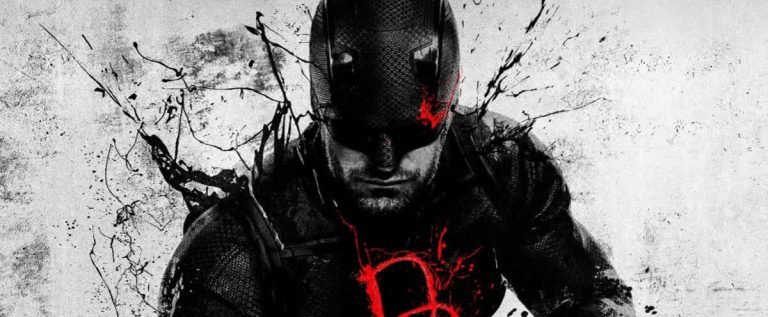
Daredevil: Born Again’s Title Dilemma & Future Paths for Nerds
The landscape of cinematic universes is a treacherous one, fraught with the burden of expectation and the challenge of adaptation. Few characters embody this tightrope walk more acutely than Daredevil, the blind lawyer Matt Murdock, whose journey from the gritty streets of Netflix to the expansive canvas of Disney+ has been anything but straightforward. When "Daredevil: Born Again" was announced, the title alone ignited a fervent spark among "Nerd" communities worldwide. It wasn’t just a name; it was a promise, a direct homage to one of the most revered and darkest arcs in comic book history, Frank Miller’s "Born Again" from 1986. This bold declaration set an immediate, towering expectation for a tone of brutal realism and profound psychological depth, concepts deeply cherished by fans who had grown accustomed to a certain level of maturity in the character’s previous live-action iteration.
However, the path from announcement to production, and then through a significant creative overhaul, revealed a complex narrative far removed from a simple adaptation. The initial direction of the series, surprisingly lighter and more episodic than anticipated, created a palpable disconnect for a dedicated "Nerd" audience anticipating a direct translation of Miller’s masterpiece. This divergence wasn’t a mere stylistic choice; it became a strategic stumbling block, forcing Marvel Studios to reassess and ultimately redefine the project’s identity. The very name, meant to celebrate a return, inadvertently became a benchmark that the early production struggled to meet, leading to questions about the future of Matt Murdock’s journey and whether a different title might better serve the character’s next chapter in the MCU. This exploration delves into the intricate dance between fan lore, studio vision, and the evolving identity of one of Marvel’s most iconic street-level heroes, examining how a title can carry the weight of an entire legacy and the potential paths forward for the Man Without Fear.
The Weight of a Title: How ‘Born Again’ Challenged the Modern Nerd Canon
The announcement of "Daredevil: Born Again" at San Diego Comic-Con 2022 sent shockwaves of excitement through the "Nerd" community. The title was a direct nod to Frank Miller and David Mazzucchelli’s seminal 1986 comic arc, "Born Again," a storyline celebrated for its profound deconstruction of Matt Murdock, pushing him to his absolute limits before a symbolic rebirth. For fans, this wasn’t merely a naming convention; it was an implicit guarantee of a return to the dark, violent, and psychologically intense storytelling that defined Daredevil’s acclaimed Netflix series. The expectation was clear: Marvel was signaling a mature, uncompromising vision for the character’s reintroduction into the Marvel Cinematic Universe, a move eagerly anticipated by those who valued the grounded, gritty realism often explored within the broader "Nerd" subculture.
However, as production commenced, a different picture began to emerge. Charlie Cox, the beloved actor behind Matt Murdock, clarified in press conferences that the title was symbolic of the character’s return to screens after a hiatus, rather than a literal adaptation of Miller’s storyline. This distinction, while logically sound from a narrative flexibility standpoint, struggled to resonate with a fanbase that had mentally prepared for a direct translation of the revered comic arc. The initial creative team, Matt Corman and Chris Ord, reportedly steered the series towards a more lighthearted and episodic format, a stark contrast to the expectations fueled by the "Born Again" namesake. This tonal divergence meant that Daredevil himself, known for his iconic red suit and brutal vigilantism, only fully donned his uniform in the fourth recorded episode, further alienating a "Nerd" audience keen on immediate, impactful action.
This initial approach highlighted a fundamental misunderstanding, or perhaps a deliberate sidestep, of the powerful semiotics embedded within the chosen title. "Born Again" implies a narrative of destruction and resurrection, a stripping away of all that defines the hero, only for him to rebuild stronger. When the early episodes leaned into a different direction, the title became a strategic misstep, creating a comparison point that the series struggled to match. It set a bar so high, based on existing lore, that any deviation was perceived not just as creative liberty, but as a failure to deliver on an intrinsic promise. This generated a significant discourse within fan circles, questioning Marvel’s commitment to the character’s established tone and legacy.
Ultimately, the inherent expectations tied to such a celebrated title proved too significant to ignore. The initial production phase’s deviation from the implied tone led to widespread concern and, eventually, a comprehensive creative overhaul by Marvel Studios in late 2023. This pivot underscored the critical lesson that, especially within a passionate "Nerd" community, a title is more than just branding; it is a declaration of intent, a historical reference, and a powerful shaper of audience anticipation that demands alignment with the delivered content.
The title "Daredevil: Born Again" sparked immense anticipation among fans due to its homage to Frank Miller’s dark comic arc, leading to expectations of a gritty, mature tone. However, the initial production phase leaned towards a lighter, episodic approach, causing a significant disconnect with the "Nerd" audience who anticipated a direct adaptation of the revered storyline. This created a strategic challenge for Marvel Studios.
Understanding the ‘Born Again’ Legacy in Comic Lore
Frank Miller’s "Born Again" is not just a comic book arc; it is a foundational text in the Daredevil mythos, profoundly influencing subsequent interpretations of the character across various media. Published in 1986, it depicts Wilson Fisk, the Kingpin, systematically dismantling Matt Murdock’s life—financially, legally, and personally—reducing him to nothing. This literal and metaphorical destruction serves as a crucible, forging a new, more resilient Daredevil from the ashes of his former self. The story is a raw exploration of faith, resilience, and the human capacity for survival against insurmountable odds.
For any "Nerd" with a deep appreciation for comic book history, the phrase "Born Again" immediately conjures images of this intense, character-defining struggle. It represents the pinnacle of storytelling for the Man Without Fear, known for its unflinching look at suffering and redemption. To invoke such a title for a new series inherently carries the weight of this legacy, suggesting a narrative journey of similar gravitas and consequence.
Initial Vision vs. Fan Expectations: A Mismatch for the Nerd Audience
The initial creative direction for "Daredevil: Born Again," reportedly aiming for a more episodic and lighter tone, stood in stark contrast to the dark and visceral nature implied by its title. While showrunners Matt Corman and Chris Ord may have intended a fresh take on the character’s return to the MCU, this approach inadvertently clashed with the deeply ingrained expectations of the "Nerd" fanbase. These fans, many of whom cherished the previous Netflix series for its mature themes and uncompromising action, saw the "Born Again" title as a direct promise of a similar, if not more intense, experience.
This dissonance extended even to visual elements, with reports indicating that Daredevil’s signature uniform made a delayed appearance in the original filming. Such details, seemingly minor, accumulated to create a perception among the dedicated audience that the series was failing to grasp the essence of what "Born Again" truly signified. The mismatch underscored a critical challenge in adapting beloved properties: balancing creative freedom with the powerful, often unstated, expectations derived from celebrated source material.
Creative Recalibration: Marvel’s Bold Pivot for Daredevil’s Future
Recognizing the growing disconnect between fan expectations and the initial creative trajectory, Marvel Studios made a decisive move in late 2023: a complete creative overhaul of "Daredevil: Born Again." This was a significant and rare intervention for the studio, signaling their commitment to course-correct and align the series more closely with the tone and gravitas expected from a project bearing such an iconic title, and crucially, one aimed at a discerning "Nerd" audience. The decision saw Matt Corman and Chris Ord stepping down as showrunners, paving the way for a new creative vision that promised to honor the character’s darker roots.
The studio brought in Dario Scardapane, a veteran writer known for his work on Netflix’s "The Punisher," to take the helm as the new showrunner. This choice immediately resonated with fans, as "The Punisher" shared the same gritty, uncompromising aesthetic that defined the original "Daredevil" series. Complementing Scardapane’s vision, Justin Benson and Aaron Moorhead, a directorial duo celebrated for their work on "Loki" and "Moon Knight," were tasked with directing the remaining episodes. Their previous projects showcased a strong grasp of character-driven narratives within the MCU, hinting at a more nuanced and intense direction for Daredevil. This strategic pivot was a clear acknowledgment that the expectations generated by the "Born Again" title demanded a specific kind of storytelling, one that Marvel was now determined to deliver for its "Nerd" viewership.
Marvel Studios initiated a complete creative overhaul for "Daredevil: Born Again" in late 2023 to address fan dissatisfaction and align the series with the darker tone implied by its title. Dario Scardapane, known for "The Punisher," was appointed as the new showrunner, while Justin Benson and Aaron Moorhead joined as directors, signaling a return to the gritty atmosphere that resonates with the "Nerd" audience.
From Lighthearted to Gritty: The Production Overhaul
The transition from the initial, lighter approach to a darker, more intense narrative represented a monumental shift in the production of "Daredevil: Born Again." This overhaul wasn’t merely about changing a few scenes; it involved re-evaluating the entire series arc, character motivations, and thematic explorations to ensure they mirrored the gravitas of the "Born Again" storyline. The objective became clear: to resurrect the atmosphere that garnered Charlie Cox’s portrayal widespread recognition and critical acclaim during his tenure on Netflix.
This significant redirection aimed to bridge the gap between the perceived lightness of early production and the inherent darkness of the source material. It was a conscious effort to restore the violent, morally ambiguous world of Hell’s Kitchen that "Nerd" fans had come to expect, balancing the character’s complex ethics with the visceral action that defines the Man Without Fear.
The Return of Familiar Faces and Tones
Beyond the creative changes behind the scenes, the overhaul also solidified the return of elements that were foundational to Daredevil’s previous success. The inclusion of Dario Scardapane, with his history on "The Punisher," signaled a commitment to the street-level grit and mature themes that resonated deeply with the character’s "Nerd" fanbase. Moreover, the re-integration of other key characters and the emphasis on a more consistent, darker tone served as an assurance to viewers that the spirit of the Netflix series would be preserved, albeit within the broader framework of the MCU.
This strategic move was designed to restore faith and excitement among the audience, ensuring that the rebooted "Born Again" would not just feature Charlie Cox, but truly encapsulate the essence of Daredevil that fans cherished. It represented an understanding that a hero’s return must also mean a return to what made him compelling in the first place, both in characterization and narrative environment.
The Strategic Misstep and Lessons Learned for the Discerning Nerd
Critics and "Nerd" enthusiasts alike widely agree that the initial naming of "Daredevil: Born Again" was a strategic misstep for Marvel Studios. By invoking one of the character’s most revered and darkest comic book arcs, the studio inadvertently created an impossible standard of comparison. Fans, armed with detailed knowledge of Frank Miller’s narrative, anticipated a direct and uncompromising adaptation. What they initially received, however, was a creative direction that converged significantly, resulting in a perceived disconnect between the evocative title and the delivered content. This created a scenario where the series, even if well-intentioned, began its journey under the shadow of unmet expectations, a critical challenge in the highly scrutinized world of "Nerd" media.
This situation offers valuable lessons for any major studio adapting beloved intellectual property. A title, especially one with deep historical resonance, acts as a powerful signifier. It shapes audience perception, sets the narrative tone, and dictates the implicit promises made to the fanbase. When the initial output fails to align with these deeply embedded expectations, the creative team faces an uphill battle to regain trust and enthusiasm. The subsequent overhaul of "Daredevil: Born Again" underscores Marvel’s recognition of this challenge and their willingness to adjust, reflecting a commitment to eventually delivering a product that lives up to the weight of its chosen name for its dedicated "Nerd" viewership.
The "Daredevil: Born Again" title proved a strategic misstep by setting an impossibly high standard of comparison against Frank Miller’s acclaimed comic arc, leading to fan disappointment with the initial, lighter creative direction. This experience taught Marvel Studios the crucial lesson that a resonant title implicitly promises a specific tone and narrative, necessitating alignment between branding and content to meet the high expectations of the "Nerd" community.
| Aspect | Initial Approach ("Born Again" – Pre-Revision) | Retooled Approach ("Born Again" – Post-Revision) |
|---|---|---|
| Overall Tone | Lighter and episodic, aiming for smooth MCU integration. | Darker and more violent, aligning with the Netflix series and original arc. |
| Showrunners | Matt Corman and Chris Ord. | Dario Scardapane (veteran of "The Punisher"). |
| Direction | Initial team of directors. | Justin Benson and Aaron Moorhead ("Loki", "Moon Knight"). |
| Costume Appearance | Delayed appearance (fourth filmed episode). | Greater priority for classic iconography and immediate action. |
| Fan Expectations | Direct adaptation of the "Born Again" comic arc. | Return of the "Netflix tone" with MCU contextualization. |
| Studio Response | Recognition of the need for complete creative reformulation. | Investment in a new creative team to restore the atmosphere. |
Common Pitfalls in Adapting Beloved Source Material for the Nerd Audience
Adapting iconic stories into new media is a delicate balancing act, and the "Daredevil: Born Again" saga offers several key insights into common challenges:
- Misinterpreting Title Significance: A title like "Born Again" carries immense historical and emotional weight. Using it purely as a symbolic reference without intending to capture its thematic essence can alienate a knowledgeable "Nerd" fanbase.
- Underestimating Fan Expectations: Dedicated fans often have a deep, almost encyclopedic understanding of source material. Deviating too far from established tones or narrative expectations without clear justification can lead to backlash.
- Tonal Inconsistency: Introducing a lighter, more episodic approach to a character known for their dark, gritty stories can create jarring cognitive dissonance, especially for a mature audience.
- Lack of Visual Consistency: Details like a hero’s iconic costume making a late appearance can signal a lack of commitment to established character identity, eroding fan trust.
- Balancing Continuity: Integrating a previously established character into a new universe requires careful navigation between honoring their past and fitting them into the new narrative framework, a balance often scrutinized by "Nerds."
Beyond ‘Born Again’: Exploring Alternative Titles for a New Era of the Man Without Fear for Every Nerd
With the production of "Daredevil: Born Again" undergoing a significant overhaul and its definitive conclusion already announced for after the third season, a compelling question emerges within the "Nerd" community: what if Daredevil’s future chapters were to carry a different title? This speculation isn’t merely about semantics; it’s about resetting expectations and allowing future narratives to breathe without the immense pressure of living up to a pre-existing, iconic comic book arc. The theory widely discussed among analysts suggests that Marvel still intends to deliver on the "Born Again" promise, perhaps through a standalone film or a subsequent series under a new banner, allowing the character to truly "be born again" on his own terms. This approach could provide a fresh slate, allowing the storytelling to evolve naturally within the MCU without constant comparison to a specific past work.
Hypothetical titles like "Daredevil: Fearless" or "Daredevil: The Man Without Fear" are frequently floated as possibilities. Such names would retain the core identity of the character while signaling a distinct new phase, free from the specific narrative weight of "Born Again." This freedom could empower creative teams to craft entirely original stories that resonate with modern audiences while honoring the character’s legacy, without being beholden to adapting a particular comic arc. For the dedicated "Nerd," a new title could represent a genuine rebirth, allowing for new narratives to flourish, potentially even exploring elements from other popular comic runs or entirely new challenges for Matt Murdock within the ever-expanding Marvel Cinematic Universe.
After its creative overhaul and planned three-season run, speculation abounds among "Nerd" fans about Daredevil’s future, potentially under a new title like "Daredevil: Fearless." This shift would allow future narratives to unfold without the burden of the "Born Again" comic arc’s legacy, offering a fresh start for Matt Murdock in the MCU and empowering new, original storytelling that aligns with the character’s core identity.
Potential New Titles and Their Implications
Changing a series title is a significant decision, each option carrying its own set of connotations and fan expectations. Here are some speculative alternatives and what they might signify for the future of Daredevil in the MCU:
- Daredevil: Fearless: This title directly references Matt Murdock’s defining characteristic, his lack of fear. It would emphasize his unwavering courage and resilience, signaling a return to the foundational aspects of the character.
- Daredevil: Hell’s Kitchen: By focusing on his stomping ground, this title would ground the series in its urban, street-level realism, highlighting his role as a protector of his neighborhood and its often-overlooked inhabitants.
- Daredevil: The Man Without Fear: A classic moniker, this title offers a timeless appeal, immediately recognizable to any "Nerd" familiar with the character. It provides a broad canvas for any type of story, from personal struggles to large-scale vigilantism.
- Daredevil: Retribution: This title suggests a darker, more vengeful path for Matt Murdock, potentially exploring themes of justice and consequences in a more aggressive light, aligning with the grittier aspects fans appreciate.
- Daredevil: Vigilante: A straightforward and impactful title that centers on his core identity as a masked crime-fighter. It would promise direct action and focus on his dual life as a lawyer and a nocturnal guardian.
The Punisher and Other MCU Crossovers: Expanding the Daredevil Universe
The future of Daredevil in the MCU isn’t limited to his solo ventures; it inherently involves his connections within the broader universe. The re-introduction of Dario Scardapane, a key creative force behind Netflix’s "The Punisher," fuels speculation about potential crossovers and a deeper integration of these street-level characters. For the "Nerd" audience, the idea of seeing Charlie Cox’s Daredevil interact more frequently with other Marvel heroes, particularly those operating in the morally grey areas like Frank Castle’s Punisher, is a tantalizing prospect. This could signify a more cohesive and interconnected urban corner of the MCU, rich with complex character dynamics and shared challenges.
The potential for future appearances by Charlie Cox in other MCU productions further highlights the character’s expanding role. These crossovers could provide invaluable opportunities to explore Matt Murdock’s character from different angles, showcasing his legal prowess, his unwavering moral compass, or his formidable combat skills against a wider array of threats. Such integrations would not only elevate Daredevil’s profile but also enrich the tapestry of the MCU, delivering the interconnected storytelling that "Nerd" fans passionately crave.
FAQ: Delving Deeper into Daredevil’s "Born Again" Journey for the Modern Nerd
What made "Daredevil: Born Again" so controversial among fans?
The controversy surrounding "Daredevil: Born Again" stemmed primarily from its title. Announced as a homage to Frank Miller’s iconic "Born Again" comic arc, fans anticipated a dark, gritty, and psychologically intense narrative. However, initial reports and production details suggested a lighter, more episodic tone, creating a significant disconnect between the series’ branding and its perceived creative direction. This mismatch led to widespread concern among the "Nerd" community, who felt the series wasn’t honoring the gravitas of its namesake, prompting Marvel to undertake a major creative overhaul.
Why did Marvel Studios decide on a creative overhaul for the series?
Marvel Studios decided on a comprehensive creative overhaul for "Daredevil: Born Again" in late 2023 due to dissatisfaction with the initial production’s direction. The studio recognized that the lighter, episodic approach was not aligning with the high expectations set by the "Born Again" title or the established tone of Charlie Cox’s portrayal from the Netflix series. The pivot aimed to steer the project towards a darker, more intense, and character-driven narrative that would better resonate with the dedicated "Nerd" fanbase and honor the character’s legacy within the MCU.
Who are the new showrunners and directors brought in for the retooled series?
Following the creative overhaul, Marvel Studios appointed Dario Scardapane as the new showrunner for "Daredevil: Born Again." Scardapane is notably known for his work on Netflix’s "The Punisher," signaling a clear intention to return to a grittier tone. Additionally, the directorial duo Justin Benson and Aaron Moorhead, who previously worked on "Loki" and "Moon Knight," were brought in to direct the remaining episodes. Their combined experience and previous success within the MCU are expected to shape a more compelling and thematically appropriate direction for the series.
Will the series still adapt Frank Miller’s "Born Again" comic arc directly?
According to Charlie Cox, the title "Daredevil: Born Again" was always intended to be symbolic of the character’s return to screens within the MCU, rather than a direct, panel-by-panel adaptation of Frank Miller’s comic arc. While the creative overhaul aims to bring the series’ tone more in line with the dark and gritty feel of the original comic and the Netflix show, it is unlikely to be a literal adaptation. Instead, it will draw inspiration from the themes of resurrection and struggle, weaving them into a new narrative that fits the broader MCU continuity and resonates with the "Nerd" audience.
What are the implications of the series ending after three seasons?
The announcement that "Daredevil: Born Again" will conclude after three seasons opens up several possibilities for the character’s future. It suggests that while this specific series might wrap its storyline, Matt Murdock’s journey in the MCU is far from over. Analysts speculate that Marvel might fulfill the "Born Again" promise through a future solo film or a subsequent series under a different title, such as "Daredevil: Fearless." This strategic move could allow for a more focused narrative that fully capitalizes on Charlie Cox’s popularity and the character’s iconic status, ensuring a fresh direction for the discerning "Nerd" viewer.
Could Daredevil appear in other MCU projects?
Yes, it is highly speculated that Charlie Cox’s Daredevil could return in future Marvel Cinematic Universe productions. Given his established popularity and the character’s integral role in the street-level heroes’ ecosystem, appearances in other series or films, possibly alongside characters like The Punisher or even the wider Avengers roster, are a strong possibility. This would further integrate Matt Murdock into the larger MCU tapestry, offering exciting cross-overs and expanding his narrative scope, a development eagerly anticipated by the "Nerd" community.








Post Comment