Assassin’s Creed Destiny Leaks: What Could Have Been in Ancient China
In the vast landscape of video games, not every ambitious project makes it to market. Sometimes, these unseen endeavors offer a fascinating glimpse into creative processes and strategic shifts within the industry. Such is the case with Assassin’s Creed Destiny, a rumored console and PC title set in ancient China, whose existence recently came to light through leaked prototype footage. For fans of the iconic franchise and observers of the broader gaming ecosystem, this revelation isn’t just a curiosity; it’s a testament to the often-hidden complexities of game development and the dynamic forces that shape what eventually arrives on our screens.
The leak, originating from professional portfolios and initially highlighted by sites like MP1st, unveiled early-stage visuals and gameplay elements. It paints a picture of a game that promised to immerse players in a pivotal historical era, blending the signature stealth and parkour of Assassin’s Creed with a rich, unexplored cultural backdrop. This unexpected revelation sparks questions about its origins, its potential, and the reasons behind its eventual abandonment, providing valuable context for understanding the multifaceted strategies of major publishers like Ubisoft and Tencent in a fiercely competitive global market. While Assassin’s Creed Destiny may never reach players, its story offers a unique window into the ambitious visions that sometimes remain confined to the digital archives of development.
The journey of a video game from concept to release is rarely straightforward, often fraught with creative challenges, technical hurdles, and shifting market dynamics. The emergence of Assassin’s Creed Destiny from the shadows of development provides a compelling case study. It highlights how even projects with significant backing and a beloved intellectual property can face an premature end. Understanding the context of such cancellations, whether driven by internal restructuring, evolving strategic priorities, or simply the natural culling of early concepts, enriches our appreciation for the titles that do succeed and the intricate art of game creation itself. This article delves into the details of what was, what might have been, and what this cancellation signifies for the future trajectory of one of gaming’s most enduring franchises.
Unearthing Assassin’s Creed Destiny: A Glimpse into Lost Games Development
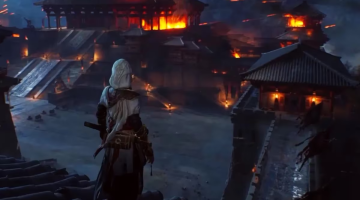
The gaming community was recently captivated by the surfacing of early footage purportedly from a cancelled project codenamed Assassin’s Creed Destiny. These images, reportedly found within the portfolios of individuals involved in game development and first disseminated by MP1st, showcase a preliminary version of the experience. It offers a rare peek behind the curtain of a major franchise’s creative process, revealing temporary visual assets and placeholder objects—elements common in the nascent stages of video game production.
This material confirms that Destiny was envisioned as a primary adventure for PC and consoles, a significant departure from some of the franchise’s other recent endeavors. The leak not only excites fans with the prospect of new historical settings but also underscores the inherent uncertainties in the world of games development, where even well-funded projects can be shelved.
Based on the leaked prototype footage, Assassin’s Creed Destiny was an unreleased console and PC game set in ancient China during 206 BCE, at the end of the Qin Dynasty. It showcased familiar stealth mechanics, a unique weapon, and a potential boss fight with commander Xiang Yu, suggesting a robust main entry for the franchise before its reported cancellation.
Setting the Stage: Ancient China and the Qin Dynasty
Information accompanying the leaked material indicates that Assassin’s Creed Destiny was slated to unfold in 206 BCE, a tumultuous period marking the twilight of the Qin Dynasty. This era, rich with historical drama and political upheaval, would have provided a compelling backdrop for the franchise’s narrative tapestry. The project was reportedly spearheaded by TiMi Studio Group, a subsidiary of Tencent, a company also deeply involved in the development of Assassin’s Creed Jade, another title from the series slated for a Chinese setting.
However, despite sharing a common geographical and historical theme with Jade, Destiny was conceived on a fundamentally different scale. While Jade is poised to be a mobile-centric experience, Destiny was designed as a full-fledged entry for PC and consoles, intended to integrate into the main lineage of the Assassin’s Creed saga. This distinction is crucial, highlighting a strategic division in how the franchise aims to capture different segments of the global games market.
Familiar Mechanics and Unseen Innovations
The leaked sequences from the prototype offer a glimpse into gameplay that would be instantly recognizable to long-time fans of Assassin’s Creed. Footage shows an assassin character engaged in stealthy eliminations and executing the iconic Leap of Faith, affirming the game’s adherence to core franchise mechanics. These elements, fundamental to the series’ identity, suggest that even in its early stages, Destiny was shaping up to deliver the immersive action-adventure experience players have come to expect.
Beyond the established gameplay loops, one particular scene stands out: the protagonist is seen utilizing a spinning, umbrella-like weapon. This intriguing detail raises questions about potential new combat mechanics or unique traversal options that could have been introduced. Given the project’s prototype phase, it remains unclear whether this equipment was intended as a definitive weapon in the final version or merely a temporary asset designed for testing gameplay concepts. Regardless, it hints at creative explorations that could have differentiated Destiny within the diverse Assassin’s Creed pantheon of games.
Another notable sequence depicted an assassin attempting to retrieve a mysterious artifact from a sacred palace under siege by the forces of Xiang Yu, a formidable Chinese military commander active during the transition from the Qin to the Han dynasties. The prototype also included a boss fight against Xiang Yu, suggesting his significant role within the game’s narrative. While the material doesn’t provide enough detail to fully understand the combat mechanics, it strongly implies that historical figures would have been central to the missions and overall plot, in line with the franchise’s tradition of weaving fictional narratives around real historical events and personalities.
The Enigma of Cancellation: Why Assassin’s Creed Destiny Never Saw the Light of Day
The reported cancellation of Assassin’s Creed Destiny leaves a compelling narrative void, raising questions about the forces at play behind such decisions in the games industry. Information regarding the project’s termination primarily stems from reports within specialized media, rather than a definitive, detailed announcement. This lack of official disclosure is typical for projects that do not progress beyond early development, leaving room for speculation regarding the precise reasons for its demise.
One prominent hypothesis points to a significant strategic shift by Tencent in 2024. The company reportedly scaled back its investments in Western franchises targeted at consoles and PC, possibly due to profit margins that were perceived as lower compared to productions aimed at the booming Chinese mobile market. This strategic re-evaluation, if true, could explain why an ambitious project like Destiny, despite its potential, might have been deemed commercially unviable under the new corporate directives.
The primary reason speculated for Assassin’s Creed Destiny’s cancellation is a strategic pivot by Tencent, its parent company, to reduce investment in Western-oriented console and PC games due to perceived lower profit margins compared to mobile titles for the Chinese market. Official details, however, remain scarce.
Tencent’s Shifting Strategic Focus in the Gaming Landscape
Tencent, a global giant in the technology and gaming sectors, is known for its dynamic investment strategies and its keen eye on market trends. The hypothesis suggesting a reduction in its focus on Western console and PC franchises speaks volumes about the evolving priorities within the global games industry. While console and PC markets remain robust, the sheer scale and profitability of mobile gaming, particularly in Asia, often present a more attractive proposition for large corporations like Tencent. This potential pivot underscores a broader industry trend where investment decisions are heavily influenced by market penetration, user acquisition costs, and projected returns on investment.
Such a strategic shift would directly impact subsidiaries like TiMi Studio Group, which was leading Destiny’s development. While TiMi is celebrated for its success in mobile titles (like Honor of Kings and Call of Duty: Mobile), an ambitious console/PC project, even one set in a culturally resonant location like ancient China, might not align with a renewed corporate emphasis on high-margin mobile-first ventures. This scenario paints a picture of corporate strategy dictating creative output, a common reality in large-scale game development where commercial viability often trumps artistic ambition, especially when dealing with high-budget games.
Ubisoft’s Broader Franchise Strategy and Development Cycles
While the cancellation details for Assassin’s Creed Destiny are scarce and unofficial, Ubisoft, the franchise owner, has spoken generally about its development strategy. Jean Guesdon, a key figure responsible for Assassin’s Creed content, previously commented on the company’s decision to alter the direction of an early-stage project. He emphasized that the insights gained from such endeavors often inform and influence the development of future titles, reinforcing Ubisoft’s commitment to allowing each production ample time for maturation before launch.
Crucially, Guesdon’s statement did not explicitly name Destiny as the project in question. However, the timing and context align with the narrative surrounding the leaked prototype. This general approach by Ubisoft highlights an industry-wide understanding that game development is an iterative process, and not all concepts will reach fruition. Prioritizing development time and learning from early-stage projects are key tenets for maintaining quality and innovation within a long-running franchise. It suggests a pragmatic approach to managing a vast portfolio of games, where flexibility and continuous adaptation are paramount.
The Future of Assassin’s Creed Games in the Chinese Market and Beyond
Despite the cancellation attributed to Assassin’s Creed Destiny, it is clear that Ubisoft’s ambitions for the Chinese market, and for the franchise as a whole, remain undiminished. The company has officially confirmed that Assassin’s Creed Jade, the mobile title also set in ancient China, is still actively in development. This demonstrates a continued commitment to exploring the rich historical and cultural landscape of China within the Assassin’s Creed universe, albeit through a different platform and gameplay focus.
Guesdon has also indicated that Assassin’s Creed Jade is expected to incorporate cooperative features, signaling a potential evolution in how players engage with the franchise on mobile devices. This strategic diversification allows Ubisoft to cater to the immense mobile gaming audience in China, a market with unique preferences and significant growth potential, while simultaneously nurturing its core console and PC player base with other projects.
Despite Assassin’s Creed Destiny’s cancellation, Ubisoft continues its strategy for the Chinese market with Assassin’s Creed Jade, a mobile title in active development. The franchise also has several premium console/PC projects underway, including the codenamed Assassin’s Creed Hexe, demonstrating a multi-platform, multi-era approach to its future catalog of games.
The Assassin’s Creed series boasts a robust pipeline of other projects in various stages of development. Among the announced premium titles is the game known by its codename, Assassin’s Creed Hexe. This project has undergone creative team changes, with Jean Guesdon reportedly stepping into a creative leadership role, as previously reported by specialized press. This continuous evolution and strategic management of multiple projects underscore Ubisoft’s long-term vision for the franchise, ensuring its relevance and innovation across different eras and platforms.
For now, the leaked images and videos of Assassin’s Creed Destiny should be regarded as a historical record of a cancelled venture, rather than an announcement of an upcoming game. The material serves as a compelling “what if,” providing a unique perspective on how the franchise could have explored another significant period in Chinese history. However, there is no indication that the prototype will be revived or transformed into a commercial title. It stands as a fascinating artifact, illuminating the often-unseen pathways of game development and the numerous ambitious projects that, for various reasons, never reach the hands of players.
| Game Title | Platform Focus | Primary Setting | Lead Developer | Status | Key Feature / Distinction |
|---|---|---|---|---|---|
| Assassin’s Creed Destiny | PC & Consoles | Ancient China (206 BCE, Qin Dynasty) | TiMi Studio Group (Tencent subsidiary) | Cancelled (Prototype Leaked) | Envisioned as a main-line, large-scale console/PC adventure. |
| Assassin’s Creed Jade | Mobile Devices | Ancient China | TiMi Studio Group (Tencent subsidiary) | In Development | Mobile-first experience with planned cooperative features. |
| Assassin’s Creed Hexe | Premium (PC & Consoles) | Undisclosed (European Witch Hunts speculated) | Ubisoft (Jean Guesdon in leadership) | In Development | Part of the future “Infinity” hub, focusing on darker themes. |
| Assassin’s Creed Mirage | PC, Consoles, Mobile | 9th-century Baghdad | Ubisoft Bordeaux | Released (2023) | Return to roots with classic stealth and parkour mechanics. |
Lessons from the Vault: What Cancelled Games Teach Us
The existence of projects like Assassin’s Creed Destiny, unearthed only through leaks and rumors, serves as a powerful reminder of the hidden complexities within the games industry. These cancelled titles aren’t merely footnotes; they represent significant investments in time, talent, and resources that, for a myriad of reasons, never culminate in a consumer product. They highlight the volatile nature of game development, where creative visions constantly battle against commercial realities, technological limitations, and shifting market trends. Each shelved project offers implicit lessons, not just for the studios involved, but for the broader industry, influencing future strategic decisions and development methodologies.
For players, these glimpses into cancelled games foster a deeper appreciation for the titles that do reach completion. They illustrate the painstaking effort required to bring a large-scale game to market and the critical decisions made at every stage. Furthermore, they underscore the importance of adaptability within development teams and publishing houses, which must constantly re-evaluate their portfolios and allocate resources to projects with the highest potential for success. The story of Destiny, therefore, is not just about a game that never was, but about the continuous evolution and pragmatic realities that define the dynamic world of video game creation.
FAQ: Unpacking the Details of Assassin’s Creed Destiny
What was Assassin’s Creed Destiny?
Assassin’s Creed Destiny was a codenamed console and PC video game project, developed by TiMi Studio Group (a Tencent subsidiary), that was reportedly cancelled. Leaked prototype footage revealed it was set in ancient China, specifically during 206 BCE at the close of the Qin Dynasty, and would have featured familiar Assassin’s Creed gameplay mechanics, alongside a potential boss battle with the historical figure Xiang Yu. It was intended as a main-line entry in the franchise, distinct from mobile offerings.
When and where was Assassin’s Creed Destiny set?
The game was set in ancient China, specifically in 206 BCE, during the concluding phase of the Qin Dynasty. This period was marked by significant historical events and the rise of powerful figures like Xiang Yu, who was depicted in the leaked prototype footage. The choice of setting aimed to offer a rich, unexplored historical backdrop for the Assassin’s Creed narrative, allowing players to engage with a culturally distinct period through the lens of the franchise’s established lore.
Who was developing Assassin’s Creed Destiny?
Assassin’s Creed Destiny was reportedly being developed by TiMi Studio Group, a prominent subsidiary of Tencent. TiMi Studio Group is well-known for its work on successful mobile titles such as Honor of Kings and Call of Duty: Mobile. Their involvement in a major console and PC title for the Assassin’s Creed franchise indicated a significant push into a different segment of the gaming market, showcasing the ambitious scope of the project before its alleged cancellation.
Why was Assassin’s Creed Destiny reportedly cancelled?
The precise reasons for Assassin’s Creed Destiny’s cancellation have not been officially disclosed. However, reports from specialized media suggest it might be linked to a strategic shift by Tencent in 2024. This shift reportedly involved reducing investment in Western franchises for console and PC, potentially due to lower perceived profit margins compared to mobile game productions, particularly those targeting the vast Chinese market. This corporate realignment could have led to the project’s termination despite its development progress.
Are the leaked videos and images of Assassin’s Creed Destiny official?
The leaked videos and images originate from portfolios of professionals reportedly involved in the game’s development and were initially publicized by sites like MP1st. While not an official release or announcement from Ubisoft or Tencent, the material appears to be authentic prototype footage. It represents an early, preliminary version of the game, common in development, and offers insight into what the project looked like before its reported cancellation.
Will Assassin’s Creed Destiny ever be revived or released?
Currently, there is no indication that Assassin’s Creed Destiny will be revived or eventually released. The leaked material is presented as a record of a cancelled project, offering a glimpse into a potential past direction for the franchise rather than a future one. While concepts can sometimes be repurposed, the significant strategic shifts and lack of official communication suggest that Destiny remains a permanently shelved title, serving as a “what if” within the franchise’s history.
How does Assassin’s Creed Destiny compare to Assassin’s Creed Jade?
Both Assassin’s Creed Destiny and Assassin’s Creed Jade are set in ancient China and are connected to TiMi Studio Group. However, they were conceived for different platforms. Destiny was envisioned as a full-fledged console and PC experience, integrated into the main series. Jade, conversely, is explicitly designed for mobile devices and is currently still in active development, with plans for cooperative features. Their platforms and target audiences represent distinct strategic approaches to the Assassin’s Creed brand in the Chinese market.
What is Ubisoft’s broader strategy for Assassin’s Creed after such cancellations?
Ubisoft maintains a robust and diversified strategy for the Assassin’s Creed franchise. While specific project cancellations aren’t always detailed, Jean Guesdon, an Assassin’s Creed content lead, mentioned that learnings from early-stage project changes often influence future titles. The company continues to develop multiple premium titles, such as the codenamed Assassin’s Creed Hexe, and is committed to the mobile market with projects like Assassin’s Creed Jade. This multi-platform, multi-era approach ensures the franchise’s continued growth and innovation.
What kind of gameplay mechanics were shown in the leaked Destiny footage?
The leaked footage for Assassin’s Creed Destiny showcased mechanics familiar to fans of the series, including stealth eliminations and the iconic Leap of Faith. These elements confirm the project’s adherence to the core gameplay tenets of the franchise. Additionally, one scene depicted the protagonist using a unique spinning, umbrella-like weapon, which could have introduced new combat or traversal mechanics, though its definitive purpose in the final game (had it been released) remains speculative, given its prototype nature.
The Next Step: Understanding the Evolution of Games Development
The emergence of Assassin’s Creed Destiny from the shadows of cancelled projects offers more than just a fleeting glimpse into a lost game; it provides a profound insight into the intricate, often unpredictable world of video game development. This story is a testament to the ambitious visions that continually drive the industry forward, and simultaneously, to the pragmatic decisions that shape its trajectory. For enthusiasts and industry watchers alike, it underscores the dynamic interplay between creative aspiration, technological capability, and the ever-present commercial realities that determine what games ultimately reach the hands of players.
As the Assassin’s Creed franchise continues its evolution, with new entries like Jade and Hexe on the horizon, the legacy of Destiny serves as a fascinating historical marker. It reminds us that behind every successful launch lies a myriad of choices, pivots, and sometimes, the quiet conclusion of promising ventures. Understanding these hidden narratives enriches our appreciation for the art and science of game creation, inviting us to look beyond the finished product and consider the countless pathways that were, and were not, taken. The future of games is not just in what gets released, but also in the valuable lessons learned from what remains in the vault.














Post Comment