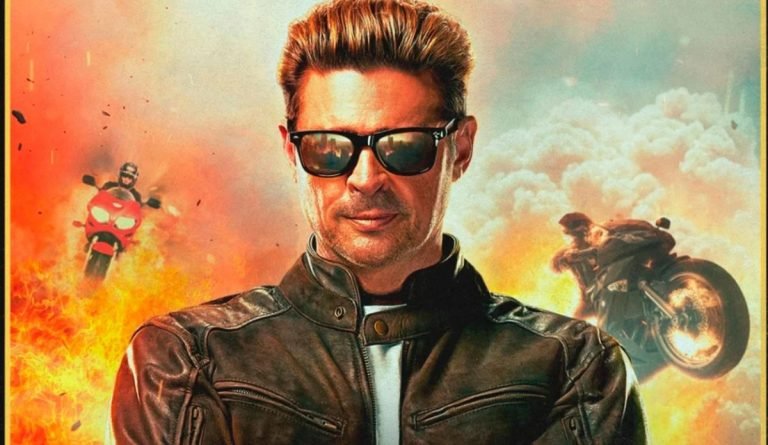
Nerd Battle: Street Fighter vs. Mortal Kombat II Film Showdown
For decades, the arcade floor was the battleground where legends were forged and rivalries burned brightest. Among the most intense of these were the clashes between Street Fighter and Mortal Kombat, two titans that defined an era of fighting games. From pixelated sprites to fluid 3D models, their evolution has mirrored the rapid advancements in gaming technology, captivating generations of players with their distinct characters, intricate lore, and signature moves. But the transition from console to cinema has historically been a perilous journey, often fraught with creative missteps that left fans, particularly the dedicated Nerd community, disappointed.
Yet, 2026 marked a fascinating turning point. In an unprecedented cinematic showdown, both Street Fighter and Mortal Kombat II premiered on the big screen, not only reigniting their storied rivalry but also offering two profoundly different philosophies on adapting beloved gaming intellectual properties. Mortal Kombat II arrived in May, doubling down on the brutal, blood-soaked mythology that is its hallmark, aiming for a serious, visceral experience. Just weeks later, the new Street Fighter live-action film countered with a unapologetic embrace of 90s camp, colorful action-comedy, and a treasure trove of fan-service easter eggs, showcasing a deliberately chaotic and festive tone.
This dual release creates a unique opportunity to evaluate not just individual film merits, but also broader strategies for adaptation. Which approach better serves the source material? How do critics and audiences diverge in their appreciation for these genre-defining sagas? And, crucially for the discerning Nerd, what do these cinematic ventures mean for the ongoing quest to translate interactive entertainment into passive viewing pleasure? This comprehensive analysis dives deep into the critical assessments, audience reactions, and financial performances of both films, seeking to answer whether a faithful, gritty rendition or a nostalgic, playful homage truly captures the essence of these iconic fighting franchises in the modern cinematic landscape.
The Grand Arena: Critics, Crowds, and the Nerd Verdict
When two monumental franchises like Street Fighter and Mortal Kombat enter the cinematic ring, the immediate question among fans and critics alike is: how do they stack up? In 2026, both films presented contrasting visions for adapting fighting games, leading to a fascinating divergence in critical and audience reception, which offers valuable insights into what different segments of the Nerd audience truly seek from these adaptations.
For the discerning fan and industry observer, understanding the reception metrics of these films reveals a complex interplay between creative intent and audience expectation. While critical consensus often highlights narrative coherence and filmmaking prowess, popular approval frequently reflects loyalty to the source material and the sheer enjoyment of seeing beloved characters brought to life, regardless of conventional cinematic standards.
Unpacking the Critical Gauntlet: Mortal Kombat II’s Win
Mortal Kombat II, following its predecessor, leaned into the brutal, fantastical elements that define the game series. This commitment to its bloody mythology, portraying the tournament as a life-or-death struggle, seemingly resonated more with professional film critics. The movie achieved a respectable 64% approval rating on Rotten Tomatoes, an aggregator that compiles critical reviews. This figure not only represents a solid showing in a genre often panned by critics but also marks the highest approval rating in the franchise’s film history on the platform.
The critical praise for Mortal Kombat II suggests an appreciation for its dedication to the lore and its relatively serious tone. Reviewers likely found its narrative more cohesive and its action sequences more impactful within the context of its grim, high-stakes universe, aligning with traditional critical metrics for film quality and storytelling.
Street Fighter’s Polarized Punch: The Audience’s Embrace
In stark contrast, Street Fighter took a different, more audacious route. Embracing the vibrant, often over-the-top aesthetic of 90s action-comedies, the film featured a cast including Jason Momoa as Blanka and was packed with easter eggs designed purely for fans. This “intentional messiness” and “galhofa” (a Brazilian Portuguese term for boisterous, often absurd fun) created a significant split. While critics struggled with the film’s chaotic tone and what some described as a shallow script, leading to a 43% approval rating on Rotten Tomatoes from 87 analyses, the public told a different story.
Among verified audience scores on the same platform, Street Fighter soared with a 79% popular approval. This disparity highlights a crucial point: what critics value in narrative structure and polish, many fans are willing to overlook for pure nostalgic enjoyment, character moments, and an experience that feels true to the spirit of the games they grew up with. The film’s energy and fan-centric approach evidently connected deeply with its target audience, prioritizing festive fun over critical acclaim.
Cinematic Strategy: Contrasting Approaches to a Nerd Icon
The simultaneous release of Mortal Kombat II and Street Fighter presented an unparalleled opportunity to observe two diametrically opposed cinematic strategies for adapting beloved fighting game franchises. Each film chose a distinct path to translate arcade combat into feature-length narratives, reflecting different philosophies on what makes a successful video game movie for a dedicated Nerd audience.
These films serve as case studies in adaptation, illustrating that there isn’t a single ‘correct’ method to bring interactive lore to the silver screen. Their differing approaches highlight the challenges and opportunities in balancing faithfulness to source material, satisfying fan expectations, and appealing to a broader cinematic audience.
Mortal Kombat II: Serious Lore and Brutality
Mortal Kombat II doubled down on the grim and visceral aesthetic that defines its gaming counterpart. The filmmakers opted for a serious, mythology-driven narrative, portraying the titular tournament as a deadly, life-or-death event where the fate of realms hangs in the balance. This approach prioritized faithfulness to the game’s core tone, emphasizing its “bloody mythology” and the brutal finishers that are synonymous with the series. The film aimed to immerse viewers in a world where stakes are high, and combat is raw and unforgiving.
By taking its source material seriously, Mortal Kombat II sought to validate the game’s lore as a legitimate basis for dramatic storytelling. This strategy appeals to fans who appreciate the darker aspects and intricate backstory of the Mortal Kombat universe, offering an adaptation that respects the original vision while attempting to elevate it cinematically.
Street Fighter: Embracing the Zany 90s with a Nod and a Wink
In contrast, Street Fighter consciously veered into a “colorful action comedy” territory, openly embracing the “galhofa” and exaggerated style reminiscent of the 90s. This film was designed to be a joyous, over-the-top celebration of the franchise, replete with overt fan service like Jason Momoa’s portrayal of Blanka and countless easter eggs embedded throughout the narrative. Its tone was deliberately chaotic and lighthearted, prioritizing fun and nostalgia over strict narrative gravitas.
This creative direction suggests an understanding that for many long-time fans, Street Fighter, while a competitive fighting game, also carries a sense of vibrant absurdity. The film aimed to deliver a highly festive and entertaining experience, leaning into the inherent theatricality of its characters and their outlandish abilities. It’s an approach that values the immediate, celebratory joy of seeing the characters and world recreated with a wink and a nod, rather than a somber, faithful retelling.
The Financial Fatalities and Hadoukens: Box Office Impact for Every Nerd
Beyond critical accolades and audience applause, the ultimate test for any major studio release is its performance at the box office. For films based on iconic video games, box office success not only validates the adaptation strategy but also dictates the future of the franchise on screen. The financial outcomes of Mortal Kombat II and Street Fighter reveal differing trajectories and offer insights into the commercial viability of their respective approaches, a topic of keen interest to any financially-savvy Nerd.
Box office numbers provide a tangible measure of a film’s immediate commercial appeal and its ability to attract a broad audience beyond the core fanbase. These figures directly influence studio decisions regarding sequels, spin-offs, and the overall longevity of a cinematic franchise, making them a crucial indicator of a movie’s ‘success’ in the broader entertainment industry.
Mortal Kombat II’s Initial Victory and Future Prospects
Mortal Kombat II demonstrated a strong opening, securing an initial US box office of $38 million. This robust start propelled its global earnings past the $129 million mark, all against an estimated production budget of $80 million. Such a performance is significant, indicating that the film not only covered its costs but also generated a healthy profit. This commercial success was sufficient to reaffirm Warner Bros.’ confidence in the franchise, ensuring that plans for a third installment are moving forward. For fans, this means the continuation of the “bloody mythology” on screen, a testament to the effectiveness of its serious, faithful adaptation strategy.
Street Fighter’s Unfolding Journey and Audience Approval’s Potential Weight
Street Fighter embarked on its theatrical run with different expectations. Projections from Boxoffice Pro estimated its domestic opening weekend to be between $25 million and $35 million, against an estimated budget in the region of $82 million. As the film was still early in its theatrical journey at the time of the reference, its final financial verdict was yet to be delivered. However, the previously noted high audience approval rating (79%) could play a crucial role. Strong word-of-mouth and sustained fan engagement can often provide legs to a film’s box office run, potentially pushing it towards profitability even with a more modest opening. The challenge for Street Fighter will be to translate its strong fan reception into enduring ticket sales, proving that its unique blend of comedy and nostalgia can also be a commercial winner.
| Metric | Mortal Kombat II | Street Fighter |
|---|---|---|
| Release Window | May 2026 | Week of October 16, 2026 |
| Critics Rotten Tomatoes Score | 64% approval | 43% approval |
| Audience Rotten Tomatoes Score | (Not specified for this film, but generally positive) | 79% approval |
| US Opening Weekend | $38 million | Projected $25-$35 million |
| Global Box Office (Initial) | Over $129 million | (Still opening) |
| Estimated Production Budget | $80 million | $82 million |
| Primary Cinematic Approach | Serious, bloody mythology | Colorful action-comedy, 90s camp |
| Sequel Status | Plans in progress | Dependent on final box office and audience sustained interest |
The Enduring Legacy: Why These Adaptations Matter to the Modern Nerd
The cinematic year of 2026 became a significant milestone for fans of fighting games, particularly the dedicated Nerd demographic, as Mortal Kombat II and Street Fighter premiered with their distinct visions. This head-to-head release not only revitalized an age-old rivalry but also illuminated the evolving landscape of video game adaptations, demonstrating that the era of game-to-film conversions being a perceived “curse” might finally be giving way to a healthy, competitive cinematic pursuit.
These adaptations are more than just films; they are cultural touchstones that validate the rich narratives and iconic characters of video games as worthy subjects for mainstream storytelling. Their success or shortcomings offer crucial lessons for future projects, influencing how studios approach the delicate balance of fan service, narrative integrity, and commercial appeal.
Ultimately, the question of which film “performed better” hinges on perspective. For film critics, who often prioritize narrative cohesion, technical execution, and artistic merit, Mortal Kombat II was generally seen as the more “rounded” and successful adaptation. Its commitment to a serious, gritty mythology provided a framework that aligned more closely with traditional cinematic storytelling principles.
However, for the vast community of fans who grew up in arcades, meticulously executing Hadoukens and Fatalities, Street Fighter delivered a different, yet equally valid, kind of success. Its embrace of colorful chaos, nostalgic humor, and overt fan service created a “festive” experience that deeply resonated with those seeking pure entertainment and a celebration of their childhood memories. The strong audience scores for Street Fighter are a clear indicator that a film doesn’t always need critical consensus to be beloved by its intended audience.
The most encouraging outcome of this dual release is the very existence of two viable, albeit different, approaches to game adaptations. It signifies a maturation in how Hollywood perceives and handles video game IPs. With both rivals finding their footing in cinemas—one through critical acceptance of its seriousness, the other through overwhelming fan embrace of its playful spirit—the future of game-to-film adaptations looks less like a gamble and more like a diverse, exciting arena where different creative visions can thrive. This healthy competition ultimately benefits the Nerd audience, offering a broader spectrum of experiences and validating the cultural impact of their cherished gaming franchises.
FAQ: Delving Deeper into the Street Fighter vs. Mortal Kombat II Cinematic Battle
- What is the main difference in tone between the two films?
The core difference lies in their fundamental approach to adaptation. Mortal Kombat II adopts a serious, gritty, and mythology-driven tone, focusing on the brutal, life-or-death stakes of the tournament and its “bloody mythology.” In contrast, Street Fighter embraces a colorful, comedic, and openly campy tone, drawing heavily from 90s action-comedy aesthetics and prioritizing nostalgic fan service and lighthearted “galhofa” (absurd fun) over serious dramatic narrative. They represent two distinct philosophies: one aiming for respectful, dark fantasy, the other for celebratory, over-the-top entertainment.
- How did critics rate Mortal Kombat II compared to Street Fighter?
Critics generally favored Mortal Kombat II, which earned a 64% approval rating on Rotten Tomatoes. This was notably the highest critical score for any film in the Mortal Kombat franchise. Street Fighter, however, received a lower critical reception, with only 43% approval on Rotten Tomatoes. Critics often cited its chaotic tone and shallow script as weaknesses, contrasting with its intention to deliver a nostalgic, comedic experience.
- Why did audiences react differently to Street Fighter than critics?
Audiences, particularly the dedicated Nerd fanbase, connected strongly with Street Fighter’s intentional silliness and abundant easter eggs, resulting in a high 79% audience approval score on Rotten Tomatoes. This divergence suggests that while critics sought traditional narrative coherence and filmic polish, fans prioritized the feeling of nostalgia, the celebratory chaos, and the pure entertainment value that resonated with their experience of the game. They were more forgiving of narrative flaws in favor of fan service and fun.
- What were the initial box office results for Mortal Kombat II?
Mortal Kombat II achieved a strong initial box office performance. It opened with $38 million in the United States and quickly surpassed $129 million globally. This success was achieved against a production budget of $80 million, indicating a profitable venture for the studio. Its financial performance was robust enough to greenlight ongoing plans for a third installment in the cinematic franchise, demonstrating the commercial viability of its more serious approach.
- Is a third Mortal Kombat film planned?
Yes, based on the strong box office performance of Mortal Kombat II, which earned over $129 million globally against an $80 million budget, plans for a third film in the franchise are currently in progress. The movie’s financial success and generally positive critical reception (64% on Rotten Tomatoes) were sufficient to maintain studio confidence in continuing the cinematic storyline and its commitment to the bloody mythology of the games.
- What does Street Fighter’s box office projection indicate?
At the time of the initial reports, Street Fighter’s opening was projected to be between $25 million and $35 million in the US, against an estimated budget of $82 million. While these projections were lower than Mortal Kombat II’s opening, the film’s financial success would ultimately depend on its sustained performance and how its high audience approval rating translates into continued ticket sales. A strong word-of-mouth could help it overcome initial lower projections and achieve profitability.
- How do these films reflect the evolution of video game adaptations?
These films signify a crucial evolution in video game adaptations by demonstrating that two vastly different creative strategies can coexist and find success, rather than adhering to a single formula. They challenge the old “video game movie curse” narrative, showing that adaptations can be both critically appreciated (Mortal Kombat II) and overwhelmingly embraced by fans despite mixed critical reviews (Street Fighter). This healthy competition broadens the spectrum of how beloved game IPs are brought to the screen, offering diverse experiences for a discerning audience.
- Which film caters more to nostalgic fans?
Street Fighter arguably caters more directly to nostalgic fans through its deliberate embrace of 90s “galhofa” (absurd fun), vibrant action-comedy, and a heavy inclusion of easter eggs and references. While Mortal Kombat II respects its lore, Street Fighter‘s approach, including elements like Jason Momoa’s Blanka, was specifically designed to evoke childhood memories and deliver a highly festive, celebratory experience that resonated deeply with those who grew up playing the games, as evidenced by its high audience approval score.










Post Comment