Street Fighter Movie: The Troubled Production Every Nerd Needs to Know
Few video game franchises command the global recognition and passionate fanbase of Street Fighter. For decades, it has defined the competitive fighting game genre, delivering iconic characters, intricate lore, and adrenaline-pumping gameplay that transcends generations. Such a storied legacy naturally fuels immense anticipation for any live-action adaptation, yet it also presents an equally formidable challenge: how to translate that depth and dynamic energy onto the silver screen without alienating the very audience who cherishes it most.
The path for the recently released Street Fighter film was anything but straightforward. While the final product now sparks debates among critics and fans alike, the true narrative intrigue often lies hidden in the shadows of its creation. What transpired behind the cameras, the decisions made, and the obstacles overcome, fundamentally shaped the cinematic experience audiences are now engaging with. Understanding this convoluted journey isn’t just about trivia; it’s about gaining a deeper appreciation for the complex alchemy of adapting beloved intellectual properties. For the dedicated fan, delving into these production details reveals a saga almost as dramatic as the on-screen battles themselves, offering insights into why the film ultimately took the form it did, and why its reception has been so intensely divided.
This journey through the film’s development uncovers a series of pivotal moments: from initial high-profile attachments and abrupt departures to crucial creative interventions by Capcom itself, and the uncertain dance between major studios for distribution. Each twist and turn adds a layer to the understanding of the film’s unique identity, a character forged in the crucible of a highly demanding and often unpredictable Hollywood production landscape. It’s a narrative that underscores the monumental task of bringing a digital legend into the live-action realm, especially when every decision is scrutinized by a global community of enthusiasts.
The Perilous Path: Unpacking Street Fighter’s Troubled Production for the Dedicated Nerd
The highly anticipated live-action Street Fighter film, which debuted in cinemas in October 2026, faced a tumultuous development cycle from its very inception, a journey that began with grand ambitions but quickly encountered significant hurdles. This behind-the-scenes saga provides critical context for any dedicated Nerd eager to understand the film’s final form and its polarizing critical reception.
The project officially commenced in April 2023 when Legendary Entertainment successfully secured the elusive rights to Capcom’s legendary fighting game franchise. This acquisition ignited excitement across the gaming world, promising a fresh cinematic take on the iconic universe. However, from that point forward, the production seemed to grapple with a consistent stream of unforeseen challenges, diverging considerably from initial plans and timelines.
For the dedicated Nerd, understanding the film’s initial production hurdles is key: The Street Fighter live-action adaptation faced a chaotic start, marked by an early change of directors and a fundamental struggle with its script, setting a precedent for the turbulent and challenging journey that ultimately shaped the final cinematic experience.
The Initial Vision and Unexpected Departures
Among the first creative talents linked to the Street Fighter adaptation were Danny and Michael Philippou, the acclaimed directorial duo behind the horror hit “Talk to Me.” Their involvement hinted at a potentially bold and unique vision for the action sequences, given their distinctive style. The brothers reportedly invested considerable time in developing the film’s fight choreography, a crucial element for a franchise built on martial arts prowess.
However, by June 2024, before principal photography could even commence, the Philippou brothers made the surprising decision to step away from the project. Their departure was attributed to scheduling conflicts, as they opted to prioritize another horror film, “Bring Her Back.” Michael Philippou himself confirmed this, stating, as reported by ComicBook, that it was purely a matter of timing that prevented their continued involvement, despite their appreciation for Legendary Entertainment.
Capcom’s Direct Intervention in the Narrative
Beyond the directorial changes, the screenplay itself proved to be a significant point of contention early in the production. Takayuki Nakayama, a key figure at Capcom and director of the acclaimed game Street Fighter 6, also served as a producer on the film. His insight into the core elements of the franchise was invaluable, and his initial assessment of the script was notably critical.
In an interview highlighted by EventHubs via Dexerto, Nakayama revealed that the first draft of the screenplay was “quite raw” and lacked the depth and authenticity required for a Street Fighter adaptation. This candid admission underscored a fundamental disconnect between the initial cinematic vision and the rich universe established by Capcom. Consequently, the script underwent an extensive two-year rewriting process, a clear indication of Capcom’s hands-on approach to ensure the story resonated with the essence of the games. Dalan Musson is credited with the final screenplay, with input from the film’s eventual director, Kitao Sakurai.
Navigating Studio Labyrinths: The Distribution Gauntlet
The journey of the Street Fighter live-action film was further complicated by an unstable distribution landscape, presenting yet another formidable challenge in its tumultuous path to theaters. Securing a distribution partner is often a critical hurdle for any major production, and for Street Fighter, this process was particularly drawn out and uncertain.
This aspect of the production saga highlights the intricate and often unpredictable nature of Hollywood financing and partnerships. The film’s struggle to find a stable home directly impacted its release schedule and, by extension, the anticipation of its global audience, adding another layer of complexity to its already convoluted development.
The distribution of the Street Fighter film endured significant disruption: Initially slated for release by Sony, the project lost its distributor after an agreement with Legendary expired, causing months of uncertainty until Paramount Pictures ultimately stepped in to secure its release.
From Sony to Paramount: A Search for a Home
Initially, Sony Pictures had taken on the distribution mantle, even going so far as to announce a tentative release date of March 20, 2026. This early commitment offered a glimmer of stability for the project. However, this promising arrangement dissolved when Sony’s distribution deal with Legendary Entertainment, the rights holder, unexpectedly expired. This left the Street Fighter film in a precarious position, effectively without a cinematic home for several months, a period of limbo that undoubtedly added to the production’s overall stress.
The uncertainty eventually concluded in September 2025, when Paramount Pictures stepped in to acquire the distribution rights. This pivotal agreement not only rescued the film from distribution purgatory but also brought renewed momentum to the project. With Paramount on board, a new global release strategy could finally be solidified, providing the much-needed clarity for the production team and eager fans.
Filming Under Secrecy and the Final Release Window
With the distribution puzzle finally solved, production could move forward with a confirmed timeline. Principal photography for the Street Fighter film took place in Australia between August and November 2025. Intriguingly, the production adopted the working title “Punch,” a common practice in Hollywood to manage publicity and prevent leaks during filming. This period was crucial for bringing the action and characters to life after years of development challenges.
Following the new distribution agreement with Paramount, the film’s release date was officially rescheduled to October 2026. This revised timeline allowed for the completion of post-production work and the orchestration of a global marketing campaign. The journey from initial concept to a final theatrical release was lengthy and fraught with obstacles, making its eventual premiere a significant milestone for everyone involved.
The Creative Force: Kitao Sakurai and the Film’s Distinct Tone
The selection of a director often dictates the ultimate tone and style of a film, and in the case of the Street Fighter live-action adaptation, the choice of Kitao Sakurai proved to be particularly telling. After the departure of the Philippou brothers, the search for a new director was a critical phase that ultimately shaped the film’s unique identity.
Sakurai’s known body of work offered a clear indication of the direction the production intended to take, especially given the tumultuous journey it had already endured. His creative sensibilities aligned with a specific vision that sought to differentiate the Street Fighter film from other video game adaptations, leaning into an unconventional style that would resonate with a particular segment of its audience.
Kitao Sakurai, celebrated for his distinctive comedic and chaotic directorial style in projects like “Bad Trip” and “The Eric Andre Show,” was eventually brought in to helm the Street Fighter live-action film, a choice that significantly influenced the movie’s polarizing, often fun-loving, yet chaotic tone and narrative structure.
A Director’s Signature: Embracing the “Chaotic Fun”
The directorial vacancy left by the Philippou brothers was eventually filled in February 2025 with the hiring of Kitao Sakurai. Sakurai is widely recognized for his unique brand of chaotic humor, prominently displayed in films like “Bad Trip” and the popular series “The Eric Andre Show.” His previous projects are characterized by an anarchic, often improvisational style that prioritizes unexpected humor and a sense of delightful disarray.
This choice of director provided significant insight into the intended tone of the Street Fighter film. While the franchise is known for its serious martial arts tournaments and intricate character motivations, Sakurai’s involvement suggested a departure from a purely dramatic or action-focused adaptation. Instead, it hinted at a blend of action with a more lighthearted, perhaps even irreverent, approach. This ‘baggage’ of his filmography helps contextualize why the finished product, as reflected in early promotional materials, embraced a tone of “bagunça divertida” – a kind of playful chaos that deliberately eschewed traditional solemnity.
Cast Assemble: Bringing Iconic Fighters to Life
Despite the various production challenges and the director’s unique comedic style, the film assembled a notable cast to portray Street Fighter’s iconic roster of characters. The selection of actors for such beloved roles is always a critical point of interest for fans, and this film aimed to bring a fresh perspective while honoring the source material.
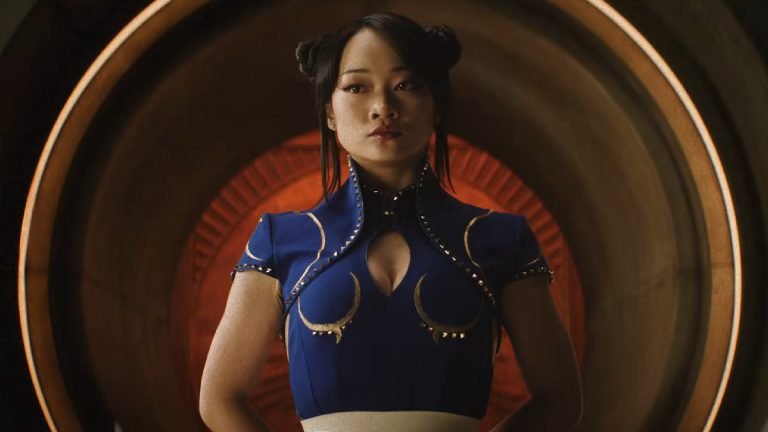
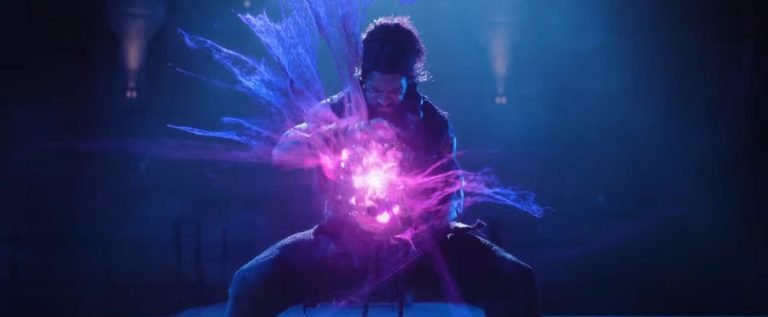
The ensemble features Andrew Koji taking on the role of the stoic karate master Ryu, a character central to the Street Fighter lore. Noah Centineo embodies the energetic and wealthy Ken Masters, Ryu’s long-time rival and friend. Callina Liang steps into the formidable shoes of Chun-Li, one of the franchise’s most recognizable female fighters. Perhaps one of the most surprising casting choices was Jason Momoa as the enigmatic and feral Blanka, a decision that sparked considerable discussion among the fan community due to its unconventional nature for the character.
Beyond the Hype: The Critical Reception and its Roots in the Production Saga
The journey of the Street Fighter live-action film from a turbulent production to its theatrical release culminated in a highly divisive critical reception. This outcome, though perhaps anticipated given the numerous hurdles faced during development, nonetheless sparked considerable debate among international critics and the dedicated fanbase. Understanding the nuances of this reception requires a look back at the chaotic genesis of the film itself.
The critical divergence underscores the inherent difficulty of adapting a property with such a deep legacy and passionate following. Reviewers often find themselves balancing fidelity to the source material with the demands of cinematic storytelling, a tension that was clearly exacerbated by the film’s challenging production environment.
The Street Fighter film’s critical reception was sharply divided, with some critics appreciating its nostalgic energy and cast, while others criticized its shallow plot and chaotic tone, directly reflecting the film’s turbulent production history marked by extensive rewrites and directorial changes.
A Divisive Debut: Praises and Criticisms Unpacked
Upon its debut, the international critical community found itself split regarding the merits of the Street Fighter film. On one side, a segment of critics lauded the movie for its undeniable nostalgic energy, a quality that resonated with long-time fans of the game. The cast, too, received commendation from some quarters, praised for their efforts in bringing beloved characters to life despite the inherent challenges of adaptation. This positive feedback often highlighted moments where the film successfully captured the spirit and excitement of the Street Fighter universe.
Conversely, a significant portion of critical reviews pointed out considerable flaws. Common criticisms centered on a perceived shallow screenplay, suggesting a lack of narrative depth that failed to fully explore the rich lore of the franchise. Furthermore, the film’s tone was frequently described as chaotic, echoing the “bagunça divertida” approach, but in a way that some found detrimental to the overall viewing experience. The Variety review, for instance, specifically noted this chaotic tone, suggesting it might have undermined the film’s potential for broader appeal and critical acclaim.
Connecting the Dots: Production Woes and Final Product
It is exceptionally difficult to separate these critical observations from the film’s complex production history. The complaints regarding a shallow script and chaotic tone seem to directly correlate with the extensive two-year rewriting process and the late entry of Kitao Sakurai, a director known for his unconventional and often anarchic comedic style. The very elements that define the film’s divisive reception appear to be direct consequences of the creative shifts and structural challenges encountered during its development.
Takayuki Nakayama’s initial assessment of the script as “raw” and the subsequent need for Capcom’s direct intervention highlight fundamental issues that, even after significant effort, may not have been fully resolved to critical satisfaction. While the ‘fun chaos’ might have been a deliberate choice aligned with Sakurai’s vision, the critical consensus suggests that this approach, alongside the narrative restructuring, ultimately compromised the film’s perceived quality in the eyes of many, illustrating how deeply production turbulence can impact the final cinematic artifact.
The Legacy Question: How This Adaptation Stands for Every Fighting Game Nerd
The release of the Street Fighter live-action film, after its arduous journey through development hell, inevitably brings to the forefront a critical question for every fighting game Nerd: how does this adaptation fit into the broader legacy of one of gaming’s most cherished franchises? The film’s turbulent production history is not merely a footnote; it’s a foundational element that shapes its identity and its place within the pantheon of video game adaptations.
For fans who have invested countless hours in mastering combos, delving into character backstories, and engaging with the competitive scene, a cinematic adaptation carries immense weight. It represents an opportunity for the franchise to reach new audiences and to be celebrated on a different medium. Yet, it also risks misinterpretation or dilution of what makes Street Fighter so special. The film’s challenges, therefore, become a case study in the perils and potentials of such ambitious projects.
For the dedicated fighting game Nerd, the Street Fighter film’s tumultuous production journey offers crucial context for its polarizing reception, underscoring the inherent complexities and significant creative risks involved in adapting a beloved, deeply established franchise for the big screen.
The divisive reactions to the film, both from critics and the audience, naturally lead back to the underlying issues that plagued its creation. The choices made, from directorial vision to script development and distribution, all converged to create a movie that, for some, perfectly captured a specific, chaotic energy, while for others, fell short of the high expectations set by the source material. Ultimately, the “final word is from the public,” as the source states, reinforcing the idea that fan engagement and personal connection to the franchise often outweigh critical consensus.
This film’s journey serves as a powerful reminder of the challenges inherent in translating interactive experiences into passive entertainment. It highlights the delicate balance between creative freedom, commercial viability, and fidelity to a cherished universe. For the Nerd, the Street Fighter movie is more than just a film; it’s another chapter in the franchise’s ongoing story, a testament to its enduring appeal, and a new point of discussion for a community that thrives on both celebration and critical discourse.
Cast of Characters and Key Roles
To provide a clear overview of the talent involved in bringing the Street Fighter universe to the big screen, here’s a look at the confirmed cast and their respective roles:
| Actor | Character | Notes |
|---|---|---|
| Andrew Koji | Ryu | The iconic wandering karate master. |
| Noah Centineo | Ken Masters | Ryu’s best friend and rival, from a wealthy background. |
| Callina Liang | Chun-Li | The Interpol officer seeking justice. |
| Jason Momoa | Blanka | The wild, green-skinned mutant fighter. |
FAQ: Unveiling the Mysteries Behind the Street Fighter Movie’s Journey
When was the Street Fighter live-action film officially released?
The live-action Street Fighter film was officially released in cinemas in October 2026. This date was a rescheduling from an earlier target of March 20, 2026, which was dropped after an initial distribution agreement expired. The film’s journey to this release date was lengthy and complex, marked by numerous production and distribution challenges, making its eventual premiere a significant moment for both its creators and the waiting audience.
Who were the initial directors attached to the Street Fighter movie project?
The first directors publicly associated with the Street Fighter live-action project were Danny and Michael Philippou, the critically acclaimed duo known for their work on the horror film “Talk to Me.” They were involved in the early stages, even developing fight sequences. However, they ultimately departed from the project in June 2024 due to scheduling conflicts, choosing to prioritize another film, “Bring Her Back.”
Why did the script for the Street Fighter film undergo such an extensive rewrite?
The initial script for the Street Fighter film was deemed “quite raw” by Takayuki Nakayama, the director of the game Street Fighter 6 and a producer on the film. This assessment prompted a significant intervention from Capcom, leading to a comprehensive two-year rewriting process. The goal was to refine the narrative, ensuring it aligned more closely with the established lore and character depth of the beloved video game franchise, enhancing its appeal for core fans.
Which studios were involved in the distribution of the Street Fighter film?
The distribution of the Street Fighter film experienced a significant change. Initially, Sony Pictures was set to distribute the movie, even announcing a release date. However, their agreement with Legendary Entertainment expired, leaving the film without a distributor for several months. Eventually, Paramount Pictures stepped in and acquired the distribution rights in September 2025, solidifying the film’s release plan and subsequent global theatrical debut.
Who ultimately directed the final version of the Street Fighter live-action film?
The final version of the Street Fighter live-action film was directed by Kitao Sakurai. He was brought on board in February 2025 after the departure of the initial directors. Sakurai is renowned for his distinct style of chaotic humor, seen in works like “Bad Trip” and “The Eric Andre Show.” His involvement and creative approach significantly influenced the film’s tone, which has been described as a blend of action with a playful, sometimes anarchic, sensibility.
What was the general critical reception of the Street Fighter movie?
The critical reception for the Street Fighter film was sharply divided internationally. Some critics praised the movie for its nostalgic energy and the performances of its cast, finding elements that resonated with the spirit of the game. Conversely, many others criticized it for a perceived shallow script and an overly chaotic tone. This split reaction is often linked back to the film’s turbulent production history, including extensive script rewrites and a directorial change, which profoundly shaped the final cinematic product.
Where were the principal filmings for the Street Fighter movie held?
Principal photography for the Street Fighter live-action movie took place in Australia. The filming commenced in August 2025 and concluded in November 2025. During this period, the production operated under the discreet working title of “Punch,” a common industry practice to manage public awareness and prevent premature leaks or unwanted attention while filming a major project based on a popular intellectual property.
What the Road Ahead Holds for the Franchise’s Cinematic Future
The journey of the Street Fighter live-action film stands as a compelling case study in the high-stakes world of adapting beloved video game franchises. Its convoluted production, marked by creative shifts, script overhauls, and distribution challenges, profoundly shaped the final product that now sparks fervent discussions among its audience. For every fan, this film’s story is a reminder of the intricate dance between artistic vision, commercial realities, and the weight of legacy. As the credits roll, the conversation shifts to what this adaptation means for Street Fighter’s cinematic future. Will its polarizing reception pave the way for a more streamlined approach, or will it inspire a deeper dive into the unconventional? The ultimate impact of this turbulent production saga will only be fully understood as the franchise continues to evolve, both on screen and in the hearts of its dedicated fanbase. We invite you to share your thoughts on whether the film’s challenging genesis ultimately compromised its potential or if, against all odds, it delivered an experience uniquely its own.












Post Comment