Street Fighter Sequel: Why Nerd Fans Hold the Key to Its Future
The flickering lights of the cinema screen often hold more than just projected images; for franchises steeped in rich lore and fervent fanbases, they hold the promise of continuity, of stories yet to be told. Few franchises embody this tension quite like Street Fighter. A titan of the fighting game genre, its journey from arcade cabinets to consoles, and inevitably, to the silver screen, has been a saga of both triumphs and notorious missteps. Now, with a new live-action adaptation having just premiered, the crucial question isn’t merely about its initial reception, but about a far more tangible metric: its box office performance, and how that will dictate whether a sequel ever sees the light of day. This isn’t just a simple accounting exercise for Hollywood executives; for the vast community of Nerd culture enthusiasts and entertainment fans, it’s a referendum on their beloved IP, a collective vote cast with every ticket purchased.
Adapting video games to film has historically been a perilous endeavor, often characterized by a struggle to capture the essence of the source material while appealing to a broader audience. Street Fighter’s cinematic history is a testament to this challenge, leaving its dedicated followers with a mix of nostalgia and lingering skepticism. The current film, backed by Paramount and Legendary, steps into this arena with a substantial budget and the weight of expectation. Critics have delivered a divided verdict, adding another layer of complexity to its path. Yet, in the high-stakes game of Hollywood, where sequels aren’t born from creative desire alone but from cold, hard numbers, the audience — especially the informed and passionate Nerd demographic — plays a decisive role. Their reaction, their engagement, and crucially, their financial support, are the true arbiters of this cinematic franchise’s future. Understanding the intricate balance between production costs, market projections, and the powerful influence of fan sentiment is key to comprehending the battle for Street Fighter’s cinematic future.
The Financial Fight: What Defines a Street Fighter Sequel’s Fate for the Nerd Community?
The immediate determinant for any Hollywood sequel is the raw financial performance of its predecessor. For the recent live-action Street Fighter film, initial box office projections paint a picture of a tight contest. Market estimates within the United States suggest an opening weekend in the range of $25 to $35 million. Globally, early forecasts indicate around $70 million for its debut weekend, spread across approximately 3,500 screens in North America alone. These figures are not just statistics; they are critical indicators that studios meticulously scrutinize to gauge viability.
The challenge intensifies when these numbers are weighed against the film’s production budget. Paramount and Legendary reportedly invested around $82 million in the movie, a figure that does not even account for the substantial marketing expenses typically associated with a major studio release. Consequently, an opening at the lower end of these projections would create a financially uncomfortable scenario for the studios. In an industry driven by profit margins, such an outcome makes the prospect of greenlighting a sequel considerably more difficult, as the film would need sustained, strong performance to simply break even, let alone turn a profit.
What defines a Street Fighter sequel’s fate? The decision hinges on the film’s box office performance, particularly its opening weekend revenue against its production and marketing budget. If initial earnings are strong and demonstrate profitability, studios are more likely to invest in a sequel, viewing it as a commercially viable extension of the franchise.
Navigating Hollywood’s Sequel Formula
In Hollywood, the pathway to a sequel is rarely paved with good intentions or creative ambition alone; it is overwhelmingly determined by hard economic realities. Studios operate on a model of risk assessment, where a substantial investment like the Street Fighter film must demonstrate clear financial returns before further capital is allocated for subsequent installments. The initial box office weekend acts as a crucial litmus test, providing a preliminary indicator of audience interest and potential profitability.
The investment made by Paramount and Legendary underscores the high stakes involved. These companies are not merely seeking to tell a compelling story; they are aiming for a property that can generate significant revenue across various streams, from theatrical releases to home entertainment and ancillary merchandise. The success of a sequel, therefore, is directly tied to the financial health and market appeal demonstrated by the first film, making the opening weekend numbers an inescapable and definitive factor in its future.
A Look in the Ring: Comparing Street Fighter’s Box Office Performance to Mortal Kombat
To truly understand the financial landscape facing the new Street Fighter film, an inevitable comparison arises with its long-standing rival in the fighting game genre: Mortal Kombat. The 2021 Mortal Kombat movie opened with approximately $23 million. While seemingly modest, it’s crucial to contextualize this figure; it debuted during the global pandemic, with a simultaneous streaming release, factors that significantly impacted its theatrical potential. More recently, Mortal Kombat 2, which premiered this year, achieved an opening of $38 million.
This benchmark set by Mortal Kombat 2 is particularly telling for the Street Fighter film. Current projections suggest that Street Fighter is unlikely to match, let alone exceed, that $38 million opening. Mortal Kombat 2’s performance was robust enough that, as reported, it secured a third film for the franchise, even without a post-credits scene to explicitly set up the next chapter. This demonstrates the direct correlation between box office success and studio confidence in extending a series, a path Capcom and Paramount undoubtedly hope to emulate for Street Fighter.
How does Street Fighter’s box office compare to Mortal Kombat? The new Street Fighter film’s projected opening of $25-35 million falls short of Mortal Kombat 2’s $38 million debut, a figure that successfully secured a third film for its rival franchise. This comparison highlights the financial challenge Street Fighter faces to justify a sequel.
The Weight of Previous Adaptations
The cinematic history of Street Fighter itself casts a long shadow over the current film’s prospects, fueling studio caution and influencing audience expectations. The 1994 live-action film, famously starring Jean-Claude Van Damme, garnered nearly $100 million worldwide despite being savaged by critics. This demonstrated the franchise’s global appeal and its ability to attract an audience even with a widely panned adaptation, driven largely by the existing fanbase and the novelty of seeing beloved characters on the big screen.
However, the 2009 attempt, Street Fighter: The Legend of Chun-Li, proved to be a stark contrast, collecting a mere $12.7 million globally. This catastrophic underperformance effectively put the cinematic franchise on ice for over fifteen years, illustrating the severe consequences of a critical and commercial failure. These historical precedents mean the current film must not only perform well but also overcome the lingering skepticism from past disappointments, underscoring the necessity for it to be a strong financial and, ideally, critical success to rebuild confidence in the brand’s big-screen potential.
| Street Fighter Film | Release Year | Worldwide Box Office (Approx.) | Key Context |
|---|---|---|---|
| Street Fighter (Jean-Claude Van Damme) | 1994 | $100 million | Despite critical panning, showed global appeal. |
| Street Fighter: The Legend of Chun-Li | 2009 | $12.7 million | Commercial failure, led to franchise hiatus. |
| New Live-Action Street Fighter Film | Current | Projected $70 million (opening) | Facing high budget ($82M without marketing), needs strong word-of-mouth. |
Beyond the Box Office: The Nerd’s Influence and Critical Reception
While raw box office figures are undeniably crucial, the narrative for a Street Fighter sequel extends beyond mere initial earnings. The director, Kitao Sakurai, has publicly acknowledged the critical role of audience reaction. When questioned about a potential continuation, he candidly stated that the decision ultimately rests on “how you guys and the fans will react.” This sentiment highlights a vital aspect of modern film economics, especially for adaptations of beloved IPs: the power of public opinion, particularly from the dedicated Nerd community.
For films deeply rooted in nostalgia and established fan bases, positive word-of-mouth is paramount. While critics may offer divided opinions, a strong, enthusiastic response from the general audience – and especially from the core fanbase – can sustain a film’s performance beyond its opening week. This ‘second-week life’ is often what truly determines profitability and builds momentum for a sequel, counteracting any lukewarm critical reviews. The new Street Fighter film itself seems to lean into this strategy, with early reactions confirming an ending that explicitly sets up a continuation, complete with an extra scene, signaling a clear intent to move forward if the audience embraces it.
What is the Nerd’s influence on a Street Fighter sequel? The dedicated ‘Nerd’ fanbase holds significant influence, as their positive word-of-mouth and sustained ticket purchases can overcome mixed critical reviews, extending a film’s theatrical run and directly impacting the studio’s decision to greenlight a sequel.
The Power of Nostalgia and Fandom
The enduring appeal of the Street Fighter franchise lies deep within the memories and affections of millions. For the Nerd culture enthusiast, characters like Ryu, Chun-Li, and even the bizarre yet iconic Blanka, are more than just combatants; they are cultural touchstones. This deep-seated connection means that fan engagement translates directly into tangible support. The director’s implicit call to action resonates with this demographic: purchasing a ticket isn’t just seeing a movie; it’s casting a vote for the franchise’s cinematic future.
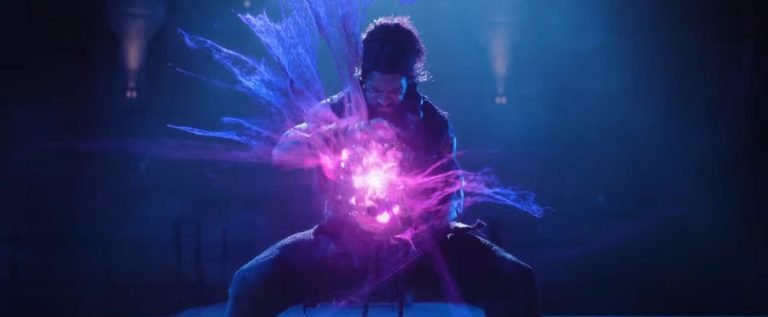
The cast’s portrayal has, in fact, been a highlight for many, with performances such as Jason Momoa’s Blanka and Andrew Koji’s Ryu receiving particular praise. This positive reception for key character interpretations can significantly bolster fan loyalty, encouraging repeat viewings and advocating for the film within their social circles. In an era where online discourse can make or break a film, this authentic fan endorsement is invaluable, capable of generating the kind of sustained interest that studios actively seek to justify a sequel, irrespective of initial critical divisions.
Global Arenas: The Crucial Role of International Markets for the Street Fighter Franchise
While domestic box office performance is a significant indicator, the global reach of a franchise like Street Fighter means that international markets, particularly in Asia, play an equally, if not more, crucial role in its overall financial success and, by extension, its sequel prospects. It is a well-established strategy in Hollywood that strong international earnings can often compensate for a less-than-stellar performance in North America, turning a potentially risky venture into a profitable one.
For Capcom’s flagship fighting game, the resonance in Asian territories is immense. The franchise boasts a colossal fanbase across countries where arcades and fighting games have a profound cultural presence. This inherent popularity means that box office receipts from these regions could provide the necessary boost to push the film into a financially viable position for a sequel, even if its American debut struggles to hit the higher end of projections. Studios are acutely aware of this global disparity in fan engagement and factor it heavily into their long-term strategic planning for worldwide releases.
Why are international markets crucial for a Street Fighter sequel? International box office performance, especially in Asia where the franchise has a massive following, is crucial because strong overseas earnings can offset weaker domestic results, significantly contributing to the overall financial success needed to justify a sequel.
Capcom’s Legacy and Asian Market Dominance
Capcom, as the progenitor of the Street Fighter universe, has cultivated a deep and lasting legacy, particularly within Asian gaming culture. The brand’s origins and consistent innovation have fostered a uniquely strong bond with audiences there, translating into consistent engagement with its games, merchandise, and any related media. This robust foundation means that a Street Fighter film typically arrives in Asian markets with a pre-existing, highly engaged audience ready to support it.
This dominance is not merely anecdotal; it is a critical component of the global blockbuster strategy. For many Hollywood productions, especially those with clear international appeal, a significant portion of their revenue, sometimes the majority, originates from overseas markets. For Street Fighter, a property intrinsically linked to Japanese gaming heritage, the Asian market’s performance isn’t just a bonus; it’s an anticipated pillar of its financial success, potentially offering the most direct pathway to securing further cinematic installments.
Strategic Play: How Studios Analyze Sequel Potential for the Nerd Fandom
The decision to greenlight a sequel for a franchise like Street Fighter is a complex equation involving multiple variables, all meticulously analyzed by studio executives. At its core, it synthesizes three critical factors. Firstly, the film’s opening weekend box office needs to align with the higher end of financial projections, providing an immediate and strong indication of commercial viability. This initial surge is vital for generating momentum and covering the substantial production and marketing costs.
Secondly, the film must cultivate positive word-of-mouth among the general public, especially within the passionate Nerd fandom, to counter any mixed critical reviews. This organic buzz is crucial for sustained performance in subsequent weeks, as it drives repeat viewings and attracts new audiences who might have initially been swayed by critical opinion. Finally, robust international performance, particularly from key markets where the franchise holds significant cultural sway, can provide a financial safety net, compensating for any domestic underperformance and demonstrating the property’s global appeal. This comprehensive analysis ensures that any decision to proceed with a sequel is financially sound and strategically aligned with the franchise’s long-term potential.
How do studios analyze sequel potential for a Nerd-favorite franchise? Studios assess a combination of strong opening box office numbers, positive word-of-mouth from the ‘Nerd’ fandom and general audience to overcome critical divisions, and robust international market performance to justify the financial investment in a sequel.
Long-Term Vision and IP Value
Beyond the immediate profit and loss statement of a single film, studios consider the broader, long-term value of a powerful intellectual property like Street Fighter. A successful cinematic adaptation can serve as a potent catalyst, reigniting interest across the entire ecosystem of the franchise. This includes boosting sales of video games, driving demand for merchandise, and potentially opening doors for animated series or other media ventures. The decision to pursue a sequel, therefore, isn’t just about the financial returns of the movie itself but about investing in the overall health and expansion of the brand.
For the ‘Nerd’ community, this long-term vision is particularly relevant. A thriving film series can introduce new generations to the lore and characters, reinvigorating the fandom and ensuring the franchise’s continued cultural relevance. Studios understand that maintaining and expanding the appeal of an IP can yield significant dividends over many years, making a sequel a strategic investment in securing the future vitality of a beloved property rather than a mere standalone project.
FAQ: Decoding the Future of the Street Fighter Film Franchise
What were the initial box office projections for the new Street Fighter film?
Initial market estimates for the new live-action Street Fighter film projected an opening weekend between $25 million and $35 million in the United States. Worldwide, projections hovered around $70 million for the first weekend, across approximately 3,500 North American theaters. These figures are crucial for determining its financial viability against a reported budget of $82 million, excluding marketing costs, indicating a challenging road ahead for profitability.
How does the Street Fighter movie’s budget impact its sequel chances?
The film’s reported budget of $82 million (without marketing) creates a significant financial hurdle. To justify a sequel, the movie needs to not only recoup these production costs but also cover extensive marketing expenses and generate a substantial profit. An opening weekend at the lower end of projections would make this accounting very uncomfortable for the studios, reducing the likelihood of a follow-up film due to the high financial risk involved.
Why is the Mortal Kombat franchise comparison relevant for Street Fighter?
Comparing Street Fighter to the Mortal Kombat franchise offers a crucial benchmark for success in the fighting game adaptation genre. Mortal Kombat 2, which opened at $38 million this year, demonstrated a financial performance strong enough to secure a third film. This sets a clear precedent that Street Fighter needs to at least approach, or ideally surpass, to confidently secure its own continuation, highlighting the competitive nature of these adaptations.
What role does critical reception play in a Street Fighter sequel decision?
While critical reception for the new Street Fighter film has been divided, its impact on a sequel is complex. For nostalgia-driven films like this, positive word-of-mouth from the audience, particularly the core ‘Nerd’ fanbase, often outweighs mixed critical reviews in terms of sustained box office performance. A strong audience reception can ensure a film’s longevity beyond the opening weekend, proving its commercial appeal to studios, even if critics are split.
How important is the international box office for Street Fighter?
The international box office, especially in Asia, is exceptionally important for the Street Fighter franchise. Capcom’s strong legacy in these regions means a massive, dedicated fanbase is ready to support the film. Robust international earnings can significantly bolster overall revenue, potentially compensating for any weaker domestic performance and making the film a more attractive prospect for a sequel from a global financial perspective.
Did the director confirm sequel plans for the new Street Fighter film?
Director Kitao Sakurai has indicated that he is already developing ideas for a second film, suggesting a clear creative desire for a continuation. However, he also made it clear that while they would love to do it, the ultimate decision “depends on how you guys and the fans will react,” placing the power directly in the audience’s hands rather than confirming any official greenlight.
What are the historical precedents for Street Fighter films?
The Street Fighter film franchise has a mixed historical record. The 1994 film, starring Jean-Claude Van Damme, grossed nearly $100 million worldwide despite scathing reviews. However, Street Fighter: The Legend of Chun-Li in 2009 was a commercial failure, earning only $12.7 million and effectively halting cinematic adaptations for over fifteen years. This checkered past adds pressure on the current film to prove its viability and rebuild trust in the brand’s big-screen potential.
How can fans influence a Street Fighter sequel?
Fans can directly influence a Street Fighter sequel primarily through their financial support and word-of-mouth. Purchasing tickets, encouraging others to see the film, and generating positive online discussions all contribute to strong box office numbers and sustained interest. This collective ‘vote’ from the ‘Nerd’ community is a powerful signal to studios, demonstrating demand and reducing the perceived risk of investing in a follow-up project.
The Next Chapter: What Really Matters for the Future of the Street Fighter Film Franchise
The cinematic journey of Street Fighter has always been a complex interplay of high expectations, creative ambition, and commercial realities. As the latest live-action adaptation navigates its initial run, the overarching question of a sequel looms large, a decision dictated by more than just critical consensus or the fervent hopes of its dedicated followers. It is, at its core, a precise calculation of financial performance, market response, and the enduring power of a brand that has transcended generations.
For the millions of Nerd culture and entertainment fans worldwide, the stakes are deeply personal. Their enthusiasm, their willingness to engage, and their support at the box office are not merely consumer choices; they are active participation in the narrative of a beloved universe. The studios, acutely aware of this symbiotic relationship, are watching closely, evaluating whether the numbers align with the passion. The path to a Street Fighter sequel is an intricate dance between Hollywood’s economic imperatives and the collective voice of its audience, ultimately determining if this iconic franchise will enter the next round on the big screen.













Post Comment