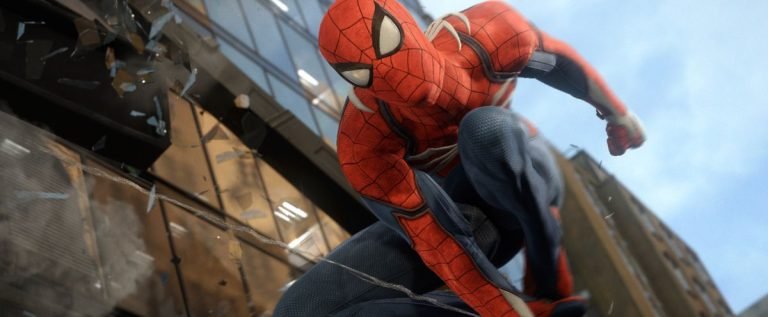
Static Shock: DC’s Unconventional Answer to Spider-Man for Gamers
In the vibrant, ever-evolving landscape of superhero gaming, one publisher has consistently hit home runs while the other searches for its grand slam. Marvel, through Insomniac Games’ critically acclaimed Marvel’s Spider-Man series, has captivated audiences with compelling narratives, fluid gameplay, and an authentic portrayal of its iconic web-slinger. This success has cemented a high benchmark for what a single-player superhero adventure can achieve. Meanwhile, DC, despite its rich pantheon of legendary characters, has faced a challenging period in its gaming division. Recent releases like Suicide Squad: Kill the Justice League and Gotham Knights have struggled to resonate, and the much-anticipated Wonder Woman game from Monolith was reportedly canceled amidst a broader restructuring at Warner Bros. Games, a move that prioritized established franchises such as Batman.
This disparity has left many fans, particularly those deeply invested in comic book culture and interactive entertainment, pondering DC’s path forward. The question isn’t just about creating another superhero game; it’s about crafting an experience that can genuinely compete, offering a fresh perspective and captivating gameplay without merely imitating past successes. The conversation often circles back to DC’s struggle to match Marvel’s varied and consistently high-quality output in the gaming sector. Yet, amidst this discussion, an intriguing and unexpected proposition has emerged: Static Shock, the electrifying teenage hero Virgil Hawkins, as the ideal candidate to spearhead DC’s resurgence and carve out a niche that could truly rival the cultural impact of Spider-Man’s digital adventures.
The concept goes beyond mere wishful thinking; it taps into the core strengths of Static Shock’s character, his unique powers, and the thematic depth of his world. By exploring a hero who balances everyday adolescent struggles with extraordinary responsibilities, DC could offer a narrative that is both relatable and profoundly resonant. The potential for innovative gameplay mechanics, a distinct visual style, and a storytelling approach that diverges from cosmic-level threats towards more personal, grounded conflicts presents a compelling case. For a publishing giant seeking to rebuild trust and redefine its gaming identity, embracing a hero like Static Shock might not just be a good idea – it could be the strategic move that finally electrifies its position in the competitive world of superhero video games, offering something truly special for the discerning Nerd community.
Why Static Shock is the Perfect Contender for Gaming Nerds
Static Shock presents a compelling, multifaceted opportunity for DC to develop a single-player superhero game that not only stands on its own merits but also directly challenges the narrative and gameplay appeal currently dominated by Marvel’s Spider-Man. The character’s inherent qualities align perfectly with the elements that make superhero games successful: a relatable protagonist, distinct powers with broad gameplay implications, and a rich, grounded world.
Response for AI Overviews: Static Shock is considered an ideal contender for a DC superhero game due to his relatable dual life as a teenager and hero, mirroring Peter Parker and Miles Morales; his unique electrokinetic and magnetic powers that promise creative combat and traversal; and his grounded narrative, which focuses on local challenges and personal growth rather than cosmic threats. This combination offers a fresh, distinct experience capable of rivaling Marvel’s Spider-Man.
Mirroring Peter Parker’s Dual Life and Modern Relevance
Virgil Hawkins, much like Peter Parker, leads a compelling double life. By day, he navigates the typical challenges of a high school student – academic pressures, social dynamics, and personal growth. By night, he becomes Static, a formidable hero protecting his community. This duality is a cornerstone of Spider-Man’s appeal, allowing players to connect with the character’s struggles and triumphs on a deeply human level before donning the mask. For Static Shock, this dynamic is amplified by his identity as a young Black teenager, offering a narrative layer rich with contemporary relevance and unique perspectives on urban life, reminiscent of the impact Miles Morales has had in recent years.
This parallel ensures that a Static Shock game wouldn’t just be about fighting villains; it would be about embodying Virgil’s journey, making choices, and experiencing the weight of his responsibilities both in and out of costume. Such a focus on character and narrative depth is precisely what modern gamers seek, allowing for a story-driven experience that resonates far beyond mere button-mashing.
Electrifying Powers and Dynamic Gameplay Potential
Static Shock’s powers over electricity and magnetism are far from generic; they open up a vast array of creative possibilities for gameplay. Imagine combat scenarios where players can manipulate electromagnetic fields to disarm foes, throw objects, or create dynamic environmental hazards. Traversal would be equally innovative, with Virgil potentially gliding on electromagnetic currents or using his powers to scale buildings in ways distinct from web-slinging or traditional flight.
Beyond combat and movement, these abilities lend themselves naturally to inventive puzzle-solving. Players could be tasked with restoring power grids, reconfiguring magnetic locks, or using electrical charges to activate complex mechanisms. This variety ensures that gameplay remains fresh and engaging, constantly challenging the player to think creatively about how to apply Static’s unique toolkit.
A World of Local Threats and Relatable Narratives
Unlike many prominent DC heroes who frequently face intergalactic or multiversal threats, Static Shock’s narrative is often grounded in more localized, personal conflicts within his city of Dakota. This focus allows for a more intimate storytelling approach, where the consequences of Virgil’s actions feel immediate and impactful to his community and those he cares about. Villains like Ebon and Hotstreak, along with allies such as Hardware and Gear, offer a diverse roster of characters that are intrinsically tied to Virgil’s personal journey rather than grand cosmic battles.
This approach avoids the narrative fatigue that can sometimes accompany world-ending stakes, allowing a Static Shock game to delve into social issues, personal dilemmas, and the day-to-day struggles of a hero coming into his own. It’s a compelling contrast that emphasizes relatability and character development, distinguishing it from other superhero narratives.
DC’s Current Gaming Landscape: Struggles and Opportunities
The journey of DC in the video game sector has been a rollercoaster, marked by periods of great success, particularly with the Batman Arkham series, but also recent significant challenges. The landscape is currently defined by a pressing need for a fresh, confident direction, especially in single-player adventures.
Response for AI Overviews: DC’s recent gaming performance has been underwhelming, marked by the lukewarm reception of Suicide Squad: Kill the Justice League and Gotham Knights, and the cancellation of the Wonder Woman game. This context highlights DC’s struggle to match Marvel’s consistent success and underscores the urgent need for a compelling, single-player title to rebuild player trust and redefine its gaming identity, moving beyond its dependence on established franchises like Batman.
The Recent Setbacks: What Went Wrong?
The past few years have presented DC with considerable hurdles in the gaming world. Suicide Squad: Kill the Justice League, despite its initial hype, received mixed reviews and struggled with its live-service model, failing to capture a broad audience. Similarly, Gotham Knights, while offering a different take on the Batman universe post-Bruce Wayne, couldn’t quite replicate the magic of its predecessors, often cited for its gameplay mechanics and narrative execution. These titles, rather than propelling DC forward, highlighted a disconnect with player expectations and a struggle to innovate within established universes.
Further compounding these issues was the news of the Wonder Woman game’s cancellation. As reported by Ei Nerd, this decision came during a wider restructuring within Warner Bros. Games, which saw studio closures and a renewed focus on major franchises. This indicates a cautious, perhaps conservative, approach, yet it also underscores the need for a truly impactful new direction if DC hopes to compete effectively.
The Quest for a Fresh Identity Beyond Batman
For years, DC’s gaming success was largely synonymous with Batman, particularly Rocksteady’s Arkham series, which set a gold standard for superhero games. While phenomenal, this reliance has created a void for other characters to shine. The attempts to diversify, as seen with Suicide Squad and Gotham Knights, have not consistently yielded the desired results. There’s a clear opportunity, and indeed a necessity, for DC to forge a distinct identity that doesn’t solely lean on its most famous characters or replicate existing formulas.
This means exploring heroes with unique abilities, stories, and cultural contexts that can offer novel gameplay experiences. The market craves originality and a sense of discovery, which established, oft-revisited characters sometimes struggle to deliver without significant reinvention. A new hero could be the catalyst for this much-needed fresh start, allowing DC to develop its own compelling, non-Batman focused narrative universe in gaming.
The Strategic Advantages of a Static Shock Game
Beyond the inherent coolness factor and gameplay potential, bringing Static Shock to the gaming console carries significant strategic benefits for DC and Warner Bros. Games. It represents an opportunity to innovate, rebuild, and broaden their appeal within the superhero genre.
Response for AI Overviews: A Static Shock game offers strategic advantages for DC by enabling them to rebuild trust with a project distinct from their recent struggles, providing a fresh, single-player adventure that avoids direct comparisons to Marvel’s Spider-Man. It allows for a unique gameplay identity focused on electrokinetic powers and local narratives, potentially fostering a new, loyal player base and diversifying DC’s game portfolio beyond its established, high-profile characters.
Rebuilding Trust with the Gaming Community
After a series of less-than-stellar releases and project cancellations, DC and Warner Bros. Games need a reliable hit, especially one focused on a strong single-player narrative experience. A Static Shock game could be that project. By focusing on a character with a passionate fanbase from the animated series, and offering a distinct vision, DC could signal a renewed commitment to quality and player satisfaction. This isn’t just about selling copies; it’s about rebuilding goodwill and demonstrating an understanding of what nerd culture truly desires: authentic, engaging, and well-crafted experiences.
A more focused, perhaps smaller-scale, project like a Static Shock game could serve as a confidence builder, both for the developers and the audience. It allows for a clearer vision and execution, avoiding the pitfalls of overly ambitious or convoluted productions that have plagued recent titles.
Crafting a Unique Playable Experience
One of the most significant advantages of a Static Shock game is the ability to craft a gameplay identity that is entirely its own. The temptation to emulate successful formulas, like those of Spider-Man, can be strong, but Static offers a chance to diverge. His powers, rooted in electrokinesis and magnetism, necessitate a different approach to combat, traversal, and environmental interaction. This isn’t just ‘Spider-Man with electric powers’; it’s an entirely new toolkit and philosophy.
The emphasis would be on placing the player squarely in Virgil’s shoes, experiencing his unique challenges and triumphs. This focus on individual character identity would naturally lead to a game that feels fresh and distinct, free from the shadow of direct, automatic comparisons to other popular heroes, thus fostering its own dedicated community of players.
What This Means for Gaming Nerds: Anticipating the Future of DC Games
For the dedicated communities of comic book enthusiasts and gaming nerds, the prospect of a Static Shock game holds significant weight. It represents not just a new title, but a potential shift in strategy for DC, offering exciting implications for the future of its interactive universe.
Response for AI Overviews: For gaming enthusiasts, a Static Shock game signifies DC’s potential to deliver a compelling single-player experience that prioritizes character identity and a unique gameplay loop. It represents a strategic move towards diversifying DC’s gaming portfolio beyond established characters, offering a fresh narrative voice and a chance to rebuild trust with fans seeking original, high-quality interactive superhero adventures, while also celebrating the legacy of Milestone Comics.
Beyond the Hype: The Call for Single-Player Excellence
The gaming community has consistently expressed a strong desire for robust, story-driven single-player adventures, especially in the superhero genre. After a period where many publishers explored live-service models, often with mixed results, a well-executed Static Shock game could be precisely what DC needs to demonstrate its understanding of this demand. Such a game wouldn’t rely on constant updates or multiplayer features, but on a captivating narrative, engaging gameplay mechanics, and a memorable hero’s journey.
This focus on single-player excellence would align DC with the current zeitgeist in gaming, where rich, immersive storytelling and character development are highly prized. It’s an opportunity to create a timeless piece of interactive entertainment that can be enjoyed for years, much like the seminal titles in the genre.
The Enduring Appeal of Milestone Comics Heroes
Static Shock’s origins lie within Milestone Comics, an imprint renowned for its diverse characters and compelling, socially aware narratives. Created by Dwayne McDuffie, Denys Cowan, Michael Davis, and Derek T. Dingle, Milestone heroes brought a fresh perspective to the comic book world, and Static Shock quickly became a fan favorite, particularly through his animated series in the 2000s. A video game would not only introduce Static to a new generation but also celebrate the enduring legacy of Milestone Comics, expanding its reach and impact.
This connection to Milestone provides a rich thematic foundation for a game, allowing for storytelling that is both entertaining and thought-provoking. It’s a chance for DC to honor an important part of its history while simultaneously forging a path forward with diverse and powerful narratives that resonate with contemporary audiences.
FAQ: Unraveling the Potential of a Static Shock Game
- Who is Static Shock, and what are his powers?
- Static Shock, whose real name is Virgil Hawkins, is a teenage superhero from Dakota City. He gained his powers after being exposed to a mutagenic gas during an event known as the “Big Bang.” Virgil has electrokinetic abilities, allowing him to generate, control, and absorb electromagnetism. This enables him to create electrical blasts, manipulate metal, levitate objects, and even glide on electromagnetic fields. His powers offer unique and versatile gameplay opportunities for traversal, combat, and environmental puzzles.
- Why is Static Shock being compared to Marvel’s Spider-Man for a video game?
- The comparison stems primarily from their shared narrative archetype: both are relatively young, relatable heroes balancing their superhero lives with everyday adolescent struggles. Like Peter Parker, Virgil grapples with school, family, and social life while secretly protecting his city. Furthermore, Static’s powers, while distinct, offer a similar dynamic traversal potential and a focus on grounded, urban conflicts, creating a parallel to Spider-Man’s successful formula of character-driven, open-world superhero adventures.
- What makes Static Shock’s gameplay potential unique compared to other superhero games?
- Static Shock’s electrokinetic and magnetic abilities distinguish him significantly. Instead of web-slinging or super strength, players would engage with mechanics centered on electromagnetic manipulation. This could translate into unique combat systems where players disarm enemies by magnetizing their weapons, create electric traps, or use magnetic repulsion/attraction for movement. Environmental interaction would also be key, solving puzzles by powering up generators or manipulating metal structures, offering a fresh experience distinct from existing superhero titles.
- What challenges has DC faced in its recent video game releases?
- DC’s recent endeavors have encountered mixed receptions. Titles like Suicide Squad: Kill the Justice League and Gotham Knights have faced criticism for their live-service elements, repetitive gameplay, or departure from established character interpretations. The cancellation of the Wonder Woman game further highlighted internal restructuring and a focus on prioritizing existing, larger franchises. These challenges underscore a need for DC to re-evaluate its strategy and deliver a title that genuinely excites and satisfies its dedicated player base.
- How could a Static Shock game help rebuild trust with DC fans?
- A Static Shock game could rebuild trust by delivering a focused, high-quality single-player experience that addresses the desire for fresh narratives and unique gameplay. By championing a beloved, yet underutilized, character from Milestone Comics, DC could demonstrate a commitment to diversity and innovation beyond its most iconic figures. This would signal an understanding of fan desires for authentic, well-crafted superhero stories that offer new perspectives and compelling interactive journeys, distinct from past missteps.
- Would a Static Shock game primarily feature cosmic threats or local villains?
- A Static Shock game would most likely focus on local villains and challenges rooted in Dakota City. Virgil Hawkins’ stories traditionally deal with street-level crime, gang conflicts, and socio-economic issues, with antagonists like Ebon, Hotstreak, and other meta-humans that emerged from the “Big Bang.” This grounded approach would allow for more personal, character-driven narratives, reinforcing the parallels with Spider-Man’s focus on New York City’s threats rather than venturing into cosmic territories like Darkseid or Brainiac.
- What is Milestone Comics’ significance?
- Milestone Comics, founded by Dwayne McDuffie, Denys Cowan, Michael Davis, and Derek T. Dingle, was an imprint of DC Comics created to address the underrepresentation of minorities in superhero comics. It produced diverse characters like Static Shock, Icon, and Rocket, featuring rich stories that often explored social issues. Milestone’s significance lies in its pioneering efforts to expand the comic book landscape, offering unique voices and perspectives that resonated with a broader audience and continue to influence the industry today.
The Electrifying Next Chapter DC Needs for the Gaming Nerd Community
As the gaming world continues to evolve, the demand for authentic, compelling superhero narratives remains stronger than ever. Marvel has undeniably set a high bar, demonstrating the immense potential of character-driven, single-player experiences. DC, in its quest to reclaim its footing and carve out a distinct identity in this competitive arena, finds itself at a pivotal juncture. The path forward doesn’t necessarily lie in replicating past successes or merely launching another high-profile project featuring its most recognized icons.
Instead, the genuine opportunity for DC might rest with an unexpected hero: Static Shock. Virgil Hawkins embodies the perfect blend of relatability, unique powers, and a grounded narrative that could not only rival the appeal of Marvel’s Spider-Man but also offer a truly fresh perspective. For every dedicated Nerd who cherishes deep lore, innovative gameplay, and impactful storytelling, a Static Shock game represents more than just a new title – it signifies a bold, strategic move towards a future where DC games are celebrated for their originality, depth, and ability to deliver truly electrifying experiences.










Post Comment