Metro Redux PC Specs Update: New Game Requirements Explained
A New Dawn in the Metro: Reimagining Classic Games for Modern PCs
In the expansive and ever-evolving landscape of PC gaming, few franchises have captured the imagination quite like the Metro series. Renowned for its gripping narratives, stark post-apocalyptic atmosphere, and demanding survival mechanics, Metro 2033 and Metro: Last Light carved out a unique niche in the hearts of players. The subsequent Redux editions, which originally unified their engines and enhanced visuals for a broader audience, solidified their status as modern classics. Now, years after their initial re-release, these seminal titles have received another significant update on PC, bringing them closer to contemporary ‘next-gen’ standards.
This latest enhancement, meticulously rolled out for Metro 2033 Redux and Metro: Last Light Redux, is not merely a minor patch; it’s a comprehensive overhaul designed to push the boundaries of visual fidelity, optimize performance, and refine the auditory experience. Such an ambitious endeavor, however, naturally comes with increased demands on hardware. For the vast community of PC gamers, this means a crucial recalculation: whether their existing setups are still capable of delivering the intended, enhanced experience. Understanding these new system requirements is paramount for both veterans looking to revisit the dark tunnels of the Metro and newcomers eager to embark on Artyom’s perilous journey with the best possible fidelity.
The shift in hardware expectations reflects the developers’ commitment to leveraging advancements in PC technology, ensuring that these narrative masterpieces continue to resonate with cutting-edge graphical capabilities. This update underscores a broader trend in the industry: breathing new life into beloved classics through continuous refinement and technological integration. As we delve into the specifics of these updated requirements, we uncover not just technical specifications, but a testament to the enduring power of immersive storytelling within the constantly advancing realm of PC games.
The Evolving Landscape of PC Games: Metro Redux’s Next-Gen Leap
The recent next-gen update for Metro 2033 and Last Light Redux on PC has introduced new system requirements, reflecting significant enhancements in graphics, performance, and audio. This ensures a more immersive and visually stunning experience, aligning these classic post-apocalyptic titles with modern gaming standards, though requiring a more capable hardware setup for optimal play.
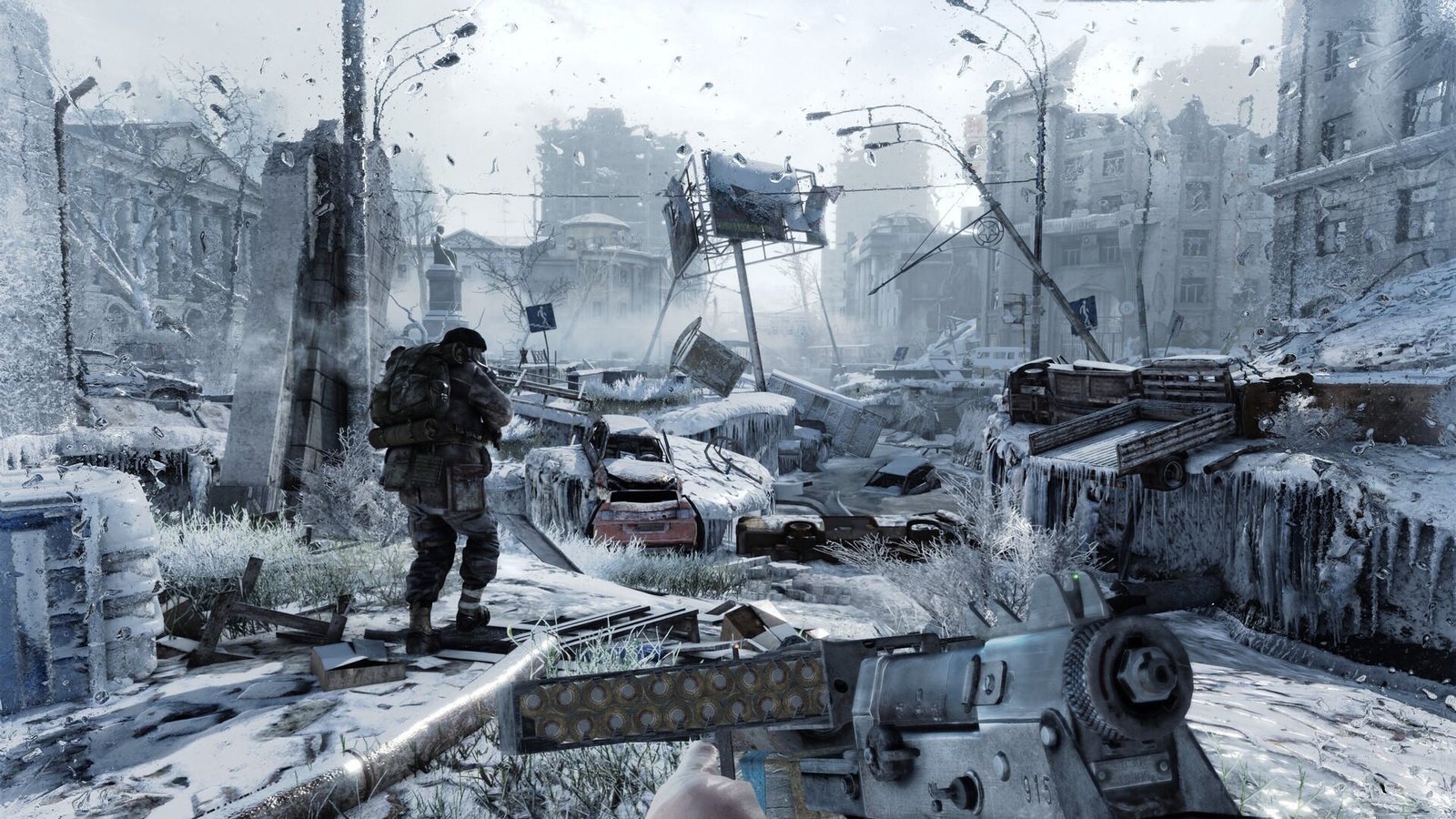
The journey through the irradiated ruins of Moscow’s subway system has always been a visually striking experience, characterized by its oppressive atmosphere and detailed environments. With this latest ‘next-gen’ update, Deep Silver and 4A Games aim to elevate that experience further. For PC players, this translates into a noticeable leap in graphical fidelity, smoother framerates even in intense combat sequences, and a more intricate soundscape that fully immerses players in the dangerous, claustrophobic tunnels. These improvements are designed to take advantage of modern hardware capabilities, ensuring that the bleak beauty and terrifying encounters of the Metro universe are rendered with unprecedented clarity and dynamism.
Bringing Post-Apocalyptic Immersion to Modern Standards
Initially, the Redux editions were released to unify the underlying game engine and bring both titles up to a consistent graphical standard, notably for console generations of that era. The latest PC-centric ‘next-gen’ update extends this philosophy, pushing the visual boundaries even further. Players can now expect sharper textures, more sophisticated lighting models, and enhanced particle effects that breathe new life into the desolate environments. These graphical enhancements are not merely superficial; they deepen the sense of immersion, making each flicker of a dying flashlight or the distant groan of a mutant feel more immediate and impactful.
Beyond pure visuals, the update also targets performance and audio. Optimized codebases mean more stable and higher framerates, crucial for responsive gameplay in a survival horror context. Concurrently, improved sound processing allows for a more nuanced and spatially accurate audio experience, essential for pinpointing enemy positions in the darkness or appreciating the subtle environmental cues that define the Metro’s atmosphere. This holistic approach ensures that every aspect of the player’s sensory experience is refined, making the Metro world more believable and terrifying than ever before.
The Technical Imperative Behind Requirement Shifts
The decision to update system requirements is never taken lightly by developers; it’s a direct consequence of integrating advanced technologies and optimizing for newer hardware architectures. As game engines evolve, they incorporate more complex rendering techniques, higher-resolution assets, and sophisticated physics simulations. These enhancements, while dramatically improving the player experience, inherently demand more processing power from the CPU, faster data handling from RAM, and significantly more graphical horsepower from the GPU.
For the Metro Redux titles, this means that the core engine has likely undergone significant re-engineering to support modern rendering pipelines, which might include updated global illumination, advanced shader models, and perhaps even preliminary optimizations for features like hardware-accelerated ray tracing, although specifics on this are not detailed in the reference. The new requirements reflect the minimum baseline needed to run these enhanced features and the recommended specifications target the optimal performance developers envision. This evolution ensures the games can continue to deliver a visually compelling experience that aligns with current industry standards, even for titles originally released years ago.
| Component | Minimum Requirements | Recommended Requirements |
|---|---|---|
| Processor (CPU) | Intel Core i5-4690 or AMD Ryzen 3 1200 | Intel Core i5-8600 or AMD Ryzen 5 3600 |
| Memory (RAM) | 4 GB | 8 GB |
| Graphics Card (GPU) | NVIDIA GeForce GTX 750 Ti (2 GB) or AMD Radeon R7 260X (2 GB) | NVIDIA GeForce GTX 1660 (6 GB) or AMD Radeon RX 590 (8 GB) |
| Storage | 20 GB | 20 GB |
Enhanced Immersion and Performance for Rediscovered Games
The updated Metro Redux versions offer substantial benefits, including superior graphical fidelity, smoother framerates, and richer audio environments, enhancing player immersion significantly. These improvements allow veteran fans and new players alike to experience the desolate world of Metro with unprecedented visual and auditory depth, making the journey through the Russian subway system more compelling than ever.
For players, the most immediate and tangible benefit of these next-gen updates is the dramatically improved visual quality. The enhanced graphics mean that the intricate details of the Metro tunnels—the rusted metal, the decaying infrastructure, the grotesque mutations—are rendered with greater clarity and realism. Dynamic lighting and shadow effects contribute significantly to the atmosphere, making dark areas more foreboding and brief moments of light more precious. This elevated graphical fidelity transforms the game world, pulling players deeper into Artyom’s perilous journey and intensifying the emotional impact of the narrative.
Visual Fidelity Redefined
The Redux titles were already visually impressive for their time, but this update pushes them into a new realm. Expect to see sharper textures on characters and environments, more complex shader effects that interact realistically with light, and improved weather effects that add to the desolation above ground. These refinements collectively create a more believable and immersive world, where every detail, from the grime on a gas mask to the flickering neon signs in a makeshift market, contributes to the overarching sense of struggle and survival. The increased fidelity isn’t just about looking prettier; it’s about making the post-apocalyptic reality of Metro feel more palpable.
Smoother Gameplay and Auditory Depth
Beyond aesthetics, the performance optimizations are a crucial advantage. Smoother framerates mean more fluid movement, more precise aiming, and a generally more responsive gameplay experience, which is vital in a first-person shooter where quick reflexes can mean the difference between life and death. This stability ensures that the player’s focus remains on the unfolding drama and intense encounters, rather than being distracted by stuttering visuals or input lag. Coupled with this, the improvements to audio processing significantly deepen immersion. Positional audio becomes more accurate, making it easier to track the terrifying sounds of unseen enemies lurking in the dark, heightening tension and contributing to the game’s signature horror elements. The rustle of a creature, the distant sound of dripping water, or the muffled conversations of survivors all contribute to a rich, believable soundscape.
Navigating the New Demands of Post-Apocalyptic Games
While the next-gen updates bring significant enhancements to Metro 2033 and Last Light Redux, they introduce higher system demands, potentially requiring hardware upgrades for some players. Those with older PCs might experience performance limitations or need to utilize the provided “legacy” versions to continue enjoying these classic games without compromise, highlighting the trade-offs of advancing graphical fidelity.
The advancement in graphical fidelity and performance naturally comes with a trade-off: increased demands on the player’s hardware. While the new requirements are not astronomically high by modern standards, they do represent a significant bump for those still running older systems that barely met the original Redux specifications. Players might find that their CPU or GPU, previously capable, now struggles to maintain a desirable framerate at higher settings, leading to a less than ideal experience. This necessitates a careful evaluation of one’s current setup against the newly published minimum and recommended specifications, potentially leading to decisions about hardware upgrades.
The Hardware Upgrade Dilemma
For many PC gamers, especially those who haven’t updated their systems in several years, the new requirements for Metro Redux could prompt a difficult choice. Meeting the recommended specifications, which include a GeForce NVIDIA GTX 1660 (6 GB) or AMD Radeon RX 590 (8 GB) for graphics and an Intel Core i5-8600 or AMD Ryzen 5 3600 for processing, represents a mid-range to upper-mid-range setup by current market standards. While these components are widely available, they still constitute a significant investment for a casual player or someone on a tight budget. The dilemma lies in balancing the desire for the enhanced experience with the practicalities of upgrading essential hardware, potentially diverting funds from other desired games or components.
Performance Scalability and Older Rigs
Even if a PC technically meets the new minimum requirements, it doesn’t guarantee a smooth or enjoyable experience. Minimum specifications typically aim for playable framerates (e.g., 30 FPS) at lower graphical settings and resolutions. Players on older rigs might find themselves constantly tweaking settings, sacrificing visual quality for performance, or experiencing inconsistent framerates during intense action. This constant battle for optimization can detract from the immersive narrative that the Metro series is famous for. Understanding the nuanced relationship between hardware, in-game settings, and desired performance is key to managing expectations and achieving a satisfactory gameplay experience, even if it means foregoing some of the latest graphical bells and whistles.
Ensuring Optimal Experience with Metro Redux Games: Tips and Pitfalls
To ensure a smooth experience with the updated Metro Redux games, it’s crucial to verify your PC meets the new requirements, update graphics drivers, and consider in-game settings optimization. A common error is overlooking the “legacy” version option for older hardware, which allows continued play. Best practices include regular driver updates and understanding graphical settings’ impact on performance.
To truly enjoy the revamped Metro Redux titles, players need to take proactive steps to ensure their systems are ready. A common mistake is simply launching the game without verifying current hardware or updating essential software, which can lead to unexpected crashes, poor performance, or graphical glitches. Maximizing your experience means not only meeting the technical requirements but also understanding how to best configure your system and the game itself. There are several key areas where players can optimize their setup or avoid potential frustrations, from basic system checks to leveraging alternative game versions.
Avoiding Performance Bottlenecks
The first and most critical step is to accurately assess your PC’s specifications and compare them directly with the new minimum and recommended requirements. Many players overlook the importance of updated graphics drivers, which are frequently released by NVIDIA and AMD to improve performance and compatibility with new games and updates. Running outdated drivers is a common cause of suboptimal performance, even on capable hardware. Furthermore, ensuring your operating system is up-to-date and that unnecessary background applications are closed can free up valuable CPU and RAM resources, preventing potential bottlenecks that might hinder smooth gameplay.
Embracing the “Legacy” Option
Perhaps the most thoughtful inclusion for players whose PCs fall short of the new demands is the availability of “legacy” versions. Deep Silver and 4A Games have provided a clear path for those who wish to continue playing without hardware upgrades. These legacy branches on platforms like Steam and GOG allow users to revert to the previous versions of the games, which operate under the original, less demanding system requirements. This ensures that no player is left behind due to the update. To access these versions, players simply need to navigate to the game’s properties on Steam or GOG and input specific codes: metro_last_light_redux_legacy for Metro: Last Light Redux and metro_2033_redux_legacy for Metro 2033 Redux. This thoughtful provision exemplifies a developer’s commitment to its player base, offering choice and accessibility amidst technological evolution.
The Future Trajectory of Classic Games and Modern Updates
The trend of developers revisiting and enhancing classic games with “next-gen” updates, as seen with Metro Redux, is set to continue, driven by evolving hardware capabilities and player expectations for graphical fidelity. This approach extends the lifespan of beloved titles, integrating advanced features and ensuring that iconic gaming experiences remain relevant and visually compelling for new generations of players on modern platforms.
The update to Metro Redux is more than just an isolated event; it’s a clear indicator of a broader trend within the video game industry. Developers are increasingly finding value in revisiting successful titles, not just for simple remasters, but for significant technical overhauls that align them with current technological standards and player expectations. This approach extends the commercial lifespan of beloved intellectual properties and allows new generations of gamers to experience classics with modern polish, reducing the visual and performance barriers that often deter players from older titles. It speaks to a commitment to longevity, ensuring that great stories and compelling gameplay remain accessible and engaging.
Longevity Through Modernization
In an era where technology advances rapidly, the graphical fidelity and performance benchmarks for games are constantly shifting. For classic titles like Metro Redux, simply preserving their original state risks them feeling dated to contemporary audiences. Modernization through next-gen updates, however, injects new life. It addresses issues like compatibility with new operating systems, takes advantage of multi-core processors, and leverages the power of modern GPUs. This strategy allows developers to keep their beloved creations relevant and competitive, ensuring that the unique atmosphere and narrative depth of the Metro universe can be appreciated by players accustomed to the high standards of current-generation gaming.
Player Expectations and Developer Commitments
The driving force behind these updates is a combination of technological progress and evolving player expectations. As hardware becomes more capable and accessible, gamers naturally anticipate higher levels of detail, more fluid performance, and deeper immersion. Developers, in turn, are committed to delivering these experiences, recognizing that a well-executed update can rekindle interest in older titles and introduce them to entirely new audiences. This symbiotic relationship fosters a continuous cycle of innovation and refinement, where classic games are not merely preserved but actively evolved, maintaining their cultural significance and commercial viability in a dynamic market.
Making Informed Choices for Your PC Gaming Experience
Understanding the updated PC requirements for games like Metro Redux is essential for making informed decisions about hardware upgrades or utilizing legacy options. This knowledge ensures players can fully enjoy the intended enhanced experience or continue playing without interruption, highlighting the importance of balancing graphical ambition with system capabilities in the dynamic world of PC games.
As the curtains fall on the technical details of the Metro Redux next-gen update, a fundamental truth of PC gaming emerges: vigilance and informed decision-making are paramount. The dynamic interplay between software advancements and hardware capabilities means that a gamer’s setup is a constantly evolving entity. To truly savor the meticulously crafted world of the Metro, enhanced with superior graphics, performance, and audio, players must become adept at evaluating their systems, understanding game requirements, and making strategic choices about upgrades or version compatibility. This ongoing engagement with technology is not a burden but an integral part of the PC gaming journey, ensuring that every session is as immersive and satisfying as possible.
The Intersection of Hardware and Gameplay
The requirements for Metro Redux serve as a microcosm of the wider PC gaming ecosystem. They highlight that hardware is not just a collection of components, but the very foundation upon which gameplay experiences are built. A powerful GPU renders stunning visuals, a robust CPU manages complex game logic, and ample RAM ensures smooth multitasking. When these elements are in harmony with the game’s demands, the result is an uninterrupted, deeply immersive experience. Conversely, a mismatch can lead to frustration and diminish the artistic vision of the developers. Therefore, making an informed choice about your hardware and the games you play is key to unlocking the full potential of your gaming rig.
Beyond the Requirements: Optimizing Your Setup
Meeting the minimum or recommended system requirements is an excellent starting point, but true optimization often extends beyond merely having the right components. It involves a holistic approach to your PC. This includes regularly updating drivers, ensuring your operating system is free of bloatware, and managing background processes that might consume valuable resources. Furthermore, understanding the in-game graphical settings—what each option affects and its impact on performance—empowers players to fine-tune their experience to their specific hardware. Whether it’s prioritizing framerate over visual flourishes or vice-versa, the ability to customize your setup is a defining advantage of PC gaming, allowing you to adapt to the evolving demands of titles like Metro Redux and countless other compelling games.
Frequently Asked Questions About Metro Redux PC Requirements and Games
Here, we address some common inquiries regarding the recent Metro Redux next-gen update and its implications for PC gamers.
What exactly does the “next-gen” update for Metro Redux entail?
The “next-gen” update for Metro 2033 Redux and Metro: Last Light Redux on PC brings substantial enhancements across several key areas. Primarily, it focuses on improving graphical fidelity, which includes sharper textures, more sophisticated lighting models, and enhanced particle effects, making the game world more detailed and immersive. Additionally, the update aims to optimize performance, resulting in smoother and more stable framerates, particularly during graphically intensive sequences. Finally, there are improvements to the sound processing, leading to a richer and more spatially accurate audio experience that contributes significantly to the game’s tense atmosphere. These changes collectively elevate the overall presentation and gameplay experience of these beloved post-apocalyptic games.
Do I need a powerful PC to play the updated Metro Redux games?
While the updated Metro Redux titles now demand more capable hardware, they are not necessarily restricted to only the most powerful, high-end PCs. The new requirements place the games firmly in the mid-range category of modern gaming hardware. If your PC was built or significantly upgraded within the last 3-5 years, it likely meets or exceeds the minimum specifications, allowing for a playable experience. For the optimal experience, which includes higher graphical settings and smoother framerates, a mid-to-upper-mid-range system is recommended. Those with very old or entry-level systems might struggle but still have options to play, as detailed in other sections.
What are the minimum requirements for Metro 2033 and Last Light Redux after the update?
To run Metro 2033 Redux and Metro: Last Light Redux after their next-gen update, your PC should meet these minimum specifications: an Intel Core i5-4690 or AMD Ryzen 3 1200 processor, 4 GB of RAM, and either an NVIDIA GeForce GTX 750 Ti (2 GB) or AMD Radeon R7 260X (2 GB) graphics card. You will also need 20 GB of available disk space. These specifications represent the baseline needed to launch and play the enhanced games, likely at lower graphical settings and resolutions, to achieve a playable framerate.
What are the recommended requirements for the best experience?
For the most immersive and visually stunning experience with the updated Metro Redux titles, the recommended system requirements are as follows: an Intel Core i5-8600 or AMD Ryzen 5 3600 processor, 8 GB of RAM, and a more robust graphics card such as an NVIDIA GeForce GTX 1660 (6 GB) or AMD Radeon RX 590 (8 GB). The storage requirement remains at 20 GB. Meeting these recommended specifications will allow players to enjoy the enhanced graphics at higher settings and resolutions, along with smoother, more consistent framerates, fully leveraging the ‘next-gen’ improvements implemented in these classic games.
Can I still play the original versions if my PC doesn’t meet the new specs?
Yes, fortunately, the developers have provided a thoughtful solution for players whose PCs might not meet the new system requirements. You can still access and play the original, pre-update versions of Metro 2033 Redux and Metro: Last Light Redux. These versions, often referred to as “legacy” versions, operate under the original, less demanding system specifications. This ensures that the broader player base can continue to enjoy these beloved titles without being forced into potentially costly hardware upgrades, maintaining accessibility for a wider range of PC setups.
How do I access the legacy versions of Metro Redux on Steam or GOG?
Accessing the legacy versions of Metro Redux is a straightforward process on digital distribution platforms like Steam and GOG. For Steam, you typically navigate to the game in your library, right-click, select ‘Properties,’ then go to the ‘Betas’ tab (or a similar option for ‘Branches’). There, you can input the specific codes provided by the developers: metro_2033_redux_legacy for Metro 2033 Redux and metro_last_light_redux_legacy for Metro: Last Light Redux. The process on GOG follows a similar logic, usually found within the game’s settings or options for managing installed versions. After entering the code, the platform will download the legacy branch, allowing you to play the previous iteration of the games.
Are the new requirements optional, or do they apply automatically?
The new system requirements for Metro Redux apply automatically once the next-gen update is downloaded and installed through your chosen PC gaming platform (e.g., Steam, GOG). The game engine itself has been updated, meaning that the default version you will play will be the enhanced one, operating under these new demands. However, the *option* to play the legacy versions provides a form of choice for players. While the update itself is not optional for the main game branch, the availability of older versions means you are not strictly forced to play the more demanding version if your hardware is insufficient or if you prefer the original performance profile of these classic games.
What kind of improvements can I expect from the new update beyond just performance?
Beyond raw performance, the next-gen update for Metro Redux significantly enriches the overall gameplay experience through a suite of visual and auditory enhancements. Graphically, players can anticipate higher resolution textures, more dynamic and realistic lighting and shadow systems, and improved environmental details that create a more believable and oppressive world. Auditory improvements mean a more precise and immersive soundscape, crucial for identifying threats in the dark tunnels and appreciating the atmospheric depth. These advancements collectively lead to a more profound sense of immersion and a visually stunning presentation, allowing players to experience the post-apocalyptic world of the Metro with unprecedented clarity and intensity, making these games feel fresh and modern.
The Journey Continues: Adapting to the Future of Immersive Games
The next-gen update for Metro 2033 Redux and Metro: Last Light Redux serves as a compelling reminder of the dynamic nature of PC gaming. It highlights how beloved titles can evolve, embracing new technologies to deliver enhanced experiences. While the updated system requirements necessitate a careful consideration of hardware, the benefits—superior visuals, smoother performance, and deeper immersion—are undeniable. Moreover, the thoughtful inclusion of legacy versions ensures that the desolate, captivating world of the Metro remains accessible to all, irrespective of their system’s cutting-edge capabilities. As we continue to explore new frontiers in interactive entertainment, updates like these underscore the enduring value of well-crafted games and the vibrant community that champions them, continually adapting to new demands while honoring the classics.














Post Comment