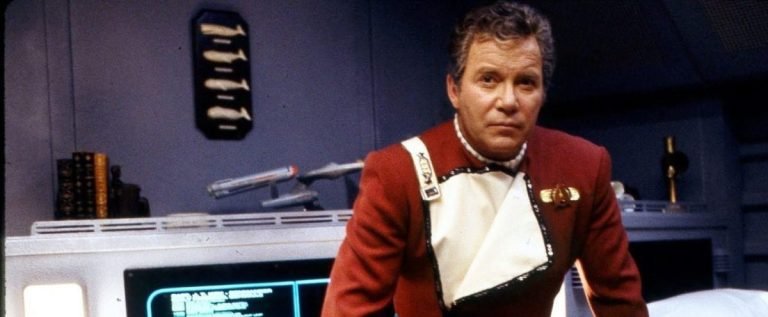
Star Trek’s 60-Year Secret: William Shatner Explains Its Nerd Appeal
Few cultural phenomena manage to captivate audiences for a single decade, let alone six. Yet, Star Trek, the iconic science fiction saga that first launched the USS Enterprise into the unknown, stands as a testament to enduring storytelling and a vision that continues to resonate across generations. For an astounding 60 years, its blend of adventurous exploration, profound ethical dilemmas, and diverse characters has not only entertained millions but also shaped our collective imagination about the future.
From its groundbreaking inception in 1966, Star Trek dared to envision a tomorrow free from the societal prejudices of its time, presenting a future where humanity had overcome its divisions to unite in a common quest for knowledge and peace. This optimistic outlook, revolutionary then and still powerfully relevant today, forms the bedrock of its persistent appeal. But what, precisely, is the secret behind such longevity? As the franchise approaches its diamond anniversary, no one is perhaps better positioned to offer insight than William Shatner, the man who indelibly portrayed Captain James T. Kirk, the intrepid commander of the original Enterprise.
Shatner, a veteran observer of both Hollywood and humanity, recently shared his intriguing perspective on this enduring mystery. His thoughts cut through simple nostalgia, offering a compelling argument rooted in the very anxieties of our modern world. His explanation doesn’t just address why Star Trek endures; it illuminates why it’s more crucial than ever for the dedicated nerd culture and beyond, serving as a vital counterpoint to the increasingly bleak narratives that dominate contemporary storytelling. This article explores Shatner’s unique insight, examining how Star Trek continues to inspire hope and imagination for a brighter tomorrow.
The Enduring Appeal of Star Trek for the Modern Nerd: William Shatner’s Insight
William Shatner, reflecting on the six decades since the Enterprise first graced television screens, openly admits that the precise mechanism behind Star Trek‘s enduring success remains a “wonderful mystery of show business.” Even for an icon who helped forge its legacy, the depth of its cultural penetration is astonishing. Yet, he offers a compelling theory that resonates deeply with the contemporary challenges facing humanity, providing a profound explanation for its continued relevance, particularly to the discerning nerd.
Shatner posits that Star Trek‘s longevity is intrinsically linked to the current global climate, an era fraught with pervasive anxieties. From the rapid advancements and ethical dilemmas surrounding artificial intelligence to the existential threat of climate change and even widespread concerns about the potential extinction of humanity, the modern world often feels overwhelmed by grim predictions. In this landscape of uncertainty, Star Trek offers a powerful, almost defiant, rebuttal.
Its core message is disarmingly simple, yet profoundly impactful: “It assumes we are alive and functioning 400 years from now, which is very encouraging given so many gloomy predictions.” This fundamental premise provides a solace that few other narratives dare to offer. It’s a vision where, despite all challenges, humanity not only survives but evolves, continuing its journey of discovery and growth. For a culture grappling with its own future, this optimistic projection becomes an invaluable source of inspiration and comfort.
Star Trek’s enduring appeal, as explained by William Shatner, lies in its unwavering optimism, providing a hopeful counter-narrative to prevalent anxieties about humanity’s future, such as AI and climate change. It projects a vision where humanity not only survives but thrives through cooperation and exploration centuries from now.
A Beacon of Hope in Dystopian Times
In an entertainment landscape increasingly saturated with dystopian visions, Star Trek offers a refreshing counter-narrative. Franchises such as Terminator, The Matrix, The Last of Us, and Fallout vividly depict societies in ruins, humanity on the brink, or enslaved by its own creations. While these narratives hold their own critical importance, reflecting contemporary fears, they often leave audiences with a sense of unease or resignation about the future.
Star Trek, conversely, presents a different path. While its stories are not devoid of conflict—showcasing wars, personal losses, and challenging encounters—it consistently illustrates a humanity capable of rebuilding and advancing. The saga’s foundational principles emphasize reconstruction through exploration, collective endeavor, and the relentless pursuit of knowledge. This focus on humanity’s capacity for resilience and self-improvement offers a crucial sense of perspective, suggesting that even in the face of profound adversity, a brighter future is not just possible, but achievable through shared effort and an indomitable spirit.
Roddenberry’s Vision: The Blueprint for Lasting Relevance
The enduring framework of Star Trek stems directly from the visionary mind of its creator, Gene Roddenberry. His original concept for the series was not merely to tell exciting space adventures, but to use the futuristic setting as a metaphor for contemporary social and ethical issues. Roddenberry envisioned a future where humanity had largely transcended its internal conflicts—racism, poverty, and war—to unite under the banner of Starfleet, dedicating itself to peaceful exploration and scientific discovery.
This progressive philosophy, often dubbed the "Roddenberry Vision," instilled a profound sense of purpose into the franchise. It depicted a diverse crew, composed of individuals from various races and even alien species, working together seamlessly for a common good. This emphasis on cooperation, diplomacy (often as a first resort), and the celebration of diversity became a moral compass for the series, allowing it to tackle complex themes like prejudice, environmentalism, and the ethics of technology in a nuanced, forward-thinking manner. For many within the nerd community, this intellectual depth and aspirational outlook is precisely what elevates Star Trek beyond mere entertainment.
William Shatner, in his reflections, subtly echoes Roddenberry’s foundational principles. He suggests that rather than constantly attempting to "reinvent the wheel," current productions could benefit immensely from revisiting and re-embracing the core ideals that made Star Trek unique. This isn’t a call for stagnation, but rather a reminder that the inherent optimism and thoughtful exploration of humanity’s potential are the very elements that make the franchise so powerful and timeless, offering a narrative richness that continues to inspire and challenge its audience.
Gene Roddenberry’s original vision for Star Trek centered on a future where humanity has overcome internal strife, focusing on exploration, diversity, and intellectual curiosity. This optimistic and progressive framework, which William Shatner suggests modern sci-fi should revisit, is crucial to the franchise’s lasting relevance and its ability to inspire its dedicated fanbase.
When Optimism Meets Reality: The Paramount’s Challenge
The significance of Star Trek‘s 60th anniversary is not lost on its stewards. Paramount, the studio behind the franchise, has actively prepared for a major celebration at events like San Diego Comic-Con, a testament to the brand’s immense cultural weight. These celebrations serve as crucial touchpoints for the dedicated fanbase, reaffirming the franchise’s legacy and building excitement for its future endeavors.
However, sustaining a brand for six decades also presents inherent challenges. Balancing innovation with fidelity to core principles, attracting new audiences while satisfying long-time fans, and navigating the complexities of modern production all demand careful strategic thinking. Shatner’s observations can be interpreted as a clear message to the studio: the future vitality of the Star Trek brand hinges significantly on its ability to recapture and amplify the spirit of hope and thoughtful exploration that originally set it apart, ensuring its continued resonance in a competitive entertainment landscape.
William Shatner’s Perspective on Returning to Star Trek’s Legacy
At 95 years young, William Shatner continues to be a vibrant and opinionated voice within the Star Trek universe. His perspective on reprising the iconic role of Captain James T. Kirk is straightforward yet deeply considered. Shatner has publicly stated that he would only contemplate returning to the character if a "meaningful way" to bring Kirk back were presented, a creative proposition that, to date, no studio has seemingly managed to put forward. This condition speaks volumes about the actor’s respect for the character and the legacy, emphasizing that any return should serve a significant narrative purpose, not merely be a nostalgic cameo.
Despite his cautious stance on a personal return, Shatner has shown immense generosity and support for the continuation of Kirk’s story through new generations of actors. He has notably given his blessing to Paul Wesley, who currently portrays a younger Captain Kirk in the highly acclaimed series Star Trek: Strange New Worlds. This endorsement from the original Kirk adds a layer of authenticity and respect to Wesley’s portrayal, bridging the past and present of the franchise. It ensures that the spirit of the character, a cornerstone for any true nerd, continues to thrive under new stewardship.
William Shatner, at 95, indicated he would only consider reprising Captain Kirk if a "meaningful way" to bring the character back was presented. He has, however, given his blessing to Paul Wesley, who portrays a younger Kirk in "Star Trek: Strange New Worlds," signaling a continuity of the iconic role across generations.
The Fan’s Fidelity: Why the Star Trek Nerd Remains Loyal
For millions of fans worldwide, Star Trek transcends mere entertainment; it’s a philosophy, a community, and a source of profound inspiration. William Shatner’s theory of optimism as the core of its longevity resonates deeply with the fervent loyalty exhibited by the Star Trek nerd. In a world often perceived as complex and disheartening, the franchise offers a unique "optimistic refuge"—a space where humanity’s potential for good, discovery, and unity is consistently highlighted.
The emotional connection that fans have forged over six decades is rooted in this hopeful vision. They return to Star Trek not just for adventure, but for its moral compass, its exploration of universal truths, and its unwavering belief in a better tomorrow. This fidelity is a powerful testament to the enduring human need for narratives that inspire, challenge, and ultimately, offer a positive outlook on the future of our species.
Cultivating the Future for the Modern Nerd: Lessons from Star Trek’s Longevity
Star Trek‘s remarkable six-decade journey offers invaluable insights not only for the future of its own franchise but for storytelling as a whole, particularly in how it resonates with the modern nerd and broader audiences. The fundamental lesson gleaned from William Shatner’s explanation and the series’ rich history is the enduring power of optimism and purpose-driven narrative. In an era where complex issues demand profound solutions, stories that project a hopeful, achievable future become more than just escapism; they become a form of cultural nourishment.
The franchise teaches that engaging with exploration, fostering cooperation, and embracing diversity are not just aspirational ideals but practical pathways to survival and advancement. For content creators, this suggests a potent strategy: instead of exclusively focusing on humanity’s potential for downfall, there is immense value in exploring its capacity for resilience, innovation, and unity. The continued success of Star Trek is a powerful reminder that there will always be an audience eager for narratives that dare to imagine a better tomorrow, fostering both intellectual engagement and emotional upliftment.
Star Trek’s six-decade relevance offers vital lessons for future storytelling, emphasizing the power of optimistic narratives rooted in exploration, cooperation, and diversity. For the modern "Nerd" and broader audiences, this framework provides not just entertainment but a vision for a hopeful future, encouraging content creators to reflect these enduring values.
Frequently Asked Questions About Star Trek’s Enduring Relevance
What is William Shatner’s main theory for Star Trek’s enduring relevance?
William Shatner believes Star Trek remains relevant due to its profound optimism, especially in a world grappling with significant anxieties like artificial intelligence, climate change, and potential human extinction. He highlights that the franchise consistently presents a future where humanity not only survives but thrives for hundreds of years, engaging in exploration and cooperation. This hopeful vision acts as a crucial counter-narrative to the prevailing dystopian themes in much of modern entertainment, providing a comforting and inspiring outlook for its dedicated fanbase.
How does Star Trek’s optimism contrast with other popular sci-fi franchises?
Unlike many contemporary sci-fi franchises such as Terminator, The Matrix, The Last of Us, and Fallout, which often depict societies in post-apocalyptic ruins or under oppressive regimes, Star Trek offers a fundamentally optimistic vision. While it includes conflicts and losses, its overarching narrative emphasizes humanity’s ability to overcome challenges through cooperation, scientific discovery, and moral evolution. This distinction positions Star Trek as a beacon of hope, suggesting that even after significant adversities, a better, unified future is achievable.
What was Gene Roddenberry’s original vision for Star Trek?
Gene Roddenberry’s original vision for Star Trek was to create a future-set narrative that transcended the social issues of his time, such as racism, sexism, and war. He imagined a diverse Starfleet crew working together harmoniously, dedicated to peaceful exploration and intellectual growth across the galaxy. This utopian ideal, where humanity had overcome its internal divisions, allowed the series to explore complex ethical dilemmas and philosophical questions through allegory, making it a thoughtful and progressive piece of television.
Why does William Shatner believe modern productions should return to Roddenberry’s ideas?
William Shatner’s suggestion that modern productions should revisit Gene Roddenberry’s ideas stems from his belief that the core optimistic spirit and principles of exploration and cooperation are what make Star Trek uniquely powerful. He implies that constantly "reinventing the wheel" risks losing the essence that provides so much comfort and inspiration to fans. By re-engaging with Roddenberry’s foundational philosophy, new stories can maintain the franchise’s distinct identity and continue to offer a hopeful perspective on humanity’s future.
What are the implications of Shatner’s statement for Paramount’s strategy?
Shatner’s insights provide a clear directive for Paramount: the long-term success of the Star Trek brand depends on actively embracing and promoting the spirit of hope and thoughtful exploration that defined the original series. While innovation is necessary, losing sight of these core tenets risks alienating the loyal fanbase who seek this optimistic refuge. His comments suggest that strategically, Paramount should prioritize narratives that align with Roddenberry’s vision to ensure the brand’s continued relevance and appeal across its expansive universe.
Would William Shatner ever return as Captain Kirk?
William Shatner has publicly stated that he would consider returning to the role of Captain James T. Kirk only if a "meaningful way" to bring the character back were presented. This condition underscores his respect for Kirk’s legacy, indicating he would not agree to a return that felt gratuitous or lacked significant narrative purpose. While he has given his blessing to Paul Wesley, who portrays a younger Kirk in Strange New Worlds, an active search for a "meaningful" return for Shatner’s original character has not yet yielded a suitable creative proposal from studios.
How do fans perceive Star Trek’s optimistic message today?
For countless fans, the optimistic message of Star Trek serves as a vital "refuge" in an increasingly complex and often disheartening world. This perception is rooted in the franchise’s consistent portrayal of a future where humanity has overcome its flaws to achieve unity and progress. Fans connect with its emphasis on science, diplomacy, and the potential for a better tomorrow, finding comfort and inspiration in its hopeful vision. This emotional resonance is a key factor in the enduring loyalty of the Star Trek nerd community.
What is the significance of Paul Wesley playing young Kirk?
Paul Wesley's portrayal of a younger Captain Kirk in Star Trek: Strange New Worlds is highly significant for the franchise's continuity and its fanbase. Crucially, Wesley has received the blessing of William Shatner, the original Kirk, which adds immense legitimacy and bridges generational gaps within the fandom. This casting allows the iconic character to be explored in new narrative contexts without disrespecting the original legacy, ensuring that the spirit and foundational elements of Captain Kirk continue to be a vibrant part of Star Trek's ongoing story for current and future viewers.
The Next Frontier: Embracing Star Trek’s Optimistic Vision for the Modern Nerd
As Star Trek sails past its 60-year milestone, the insights from its original captain, William Shatner, offer far more than just anecdotal reflections. They provide a profound commentary on the enduring power of narrative, the human need for hope, and the unique position Star Trek holds within global culture, particularly for the dedicated nerd. His assertion that the franchise’s optimism is its greatest strength in a world increasingly burdened by grim prospects serves as a vital reminder for creators and audiences alike.
The journey of the Enterprise, in all its iterations, has always been about more than just warp speed and phaser battles; it’s a philosophical exploration of humanity’s potential when it chooses cooperation over conflict, discovery over destruction. This foundational spirit, championed by Gene Roddenberry and articulated so eloquently by Shatner, is precisely why Star Trek remains not merely relevant, but essential. It continues to challenge us to "boldly go" not just into outer space, but into a future where our best selves prevail. For the millions who call themselves a Star Trek nerd, this isn't just entertainment; it's a shared dream worth defending and pursuing, ensuring that the final frontier remains an inspiring horizon for generations to come.














Post Comment