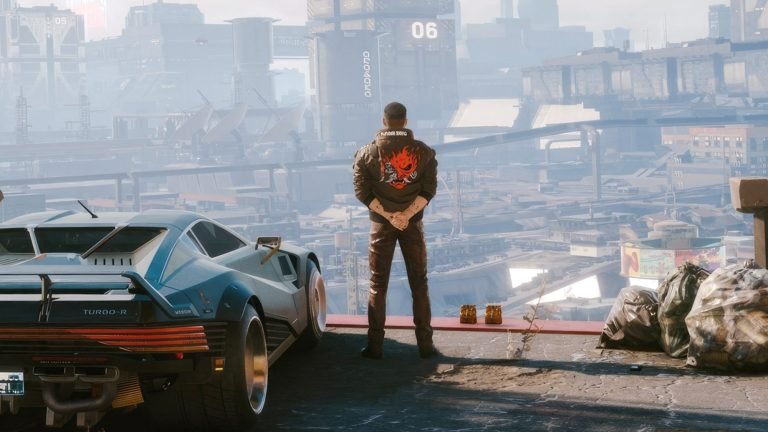
Nerd Talent: Cyberpunk Sequel’s Quest Team Half Modders
In the vast, interconnected world of video games, the line between passionate fan and professional developer has always been porous, but rarely has a major studio so explicitly embraced this dynamic as CD Projekt RED has for the sequel to its ambitious RPG, Cyberpunk 2077. The Polish developer, renowned for its intricate narratives and expansive worlds, is forging an unprecedented path, actively recruiting from the vibrant modding community to shape the future of Night City.
This bold strategic move isn’t just a nod to its dedicated fanbase; it represents a significant paradigm shift in how AAA game development might operate, valuing demonstrable grassroots expertise as much as, if not more than, traditional academic or industry pathways. It’s a powerful validation of the countless hours spent by enthusiasts tweaking, expanding, and refining their favorite virtual experiences, transforming hobbyist pursuits into legitimate career trajectories within one of the most competitive creative industries.
The announcement by Paweł Sasko, Associate Director for the forthcoming Cyberpunk 2077 sequel (currently known as Project Orion), during a recent REDstreams event, sent ripples across the gaming landscape. He revealed that an astonishing half of the entire mission design and writing team for the new project is composed of individuals who cut their teeth as modders. This isn’t merely a handful of individuals; it signifies a systemic integration of community talent into the very fabric of the game’s core narrative and gameplay.
Such a proactive recruitment strategy highlights CD Projekt RED’s commitment to delivering an experience deeply aligned with player expectations and desires. By tapping directly into the wellspring of creativity that has long sustained its previous titles, particularly The Witcher 3, the studio aims to imbue Project Orion with an organic depth and player-centric design philosophy that only those intimately familiar with the game’s community and mechanics can truly provide. This article will delve into the profound implications of this decision, exploring the benefits, challenges, and what it signals for the future of gaming, especially for the dedicated Nerd community who live and breathe these virtual worlds.
The Unsung Heroes: How a New Generation of Nerd Talent is Redefining Game Development
CD Projekt RED has integrated a significant number of former modders into the core development team for the Cyberpunk 2077 sequel, Project Orion. Approximately half of the mission design and writing team comprises individuals who honed their skills creating fan-made content. This strategic recruitment leverages community expertise, ensuring a deep understanding of player desires and fostering a more organic, player-centric game experience from the outset.
The revelation from Paweł Sasko during the REDstreams event was more than just an update; it was a testament to the enduring power of fan communities. For years, modders have been the unsung heroes of many game franchises, extending their lifespans, fixing bugs, and even conceptualizing features that later became official. CD Projekt RED’s move to formally incorporate these individuals into the Project Orion team is a direct acknowledgement of their invaluable contributions and expertise.
This isn’t a new phenomenon for CDPR, which has a long history of fostering strong ties with its player base, particularly evident in the thriving modding scene around The Witcher 3: Wild Hunt. Many current developers at the studio were once passionate modders themselves for earlier titles like The Witcher 2 and The Witcher 3. This deep-rooted understanding of the modding ecosystem has likely informed the current bold recruitment drive.
The core philosophy behind this recruitment stems from a practical understanding: who better to design quests and narratives for a game than those who have spent hundreds, if not thousands, of hours dissecting its code, building new content, and understanding the intricate preferences of its player base? This approach bypasses traditional barriers, bringing in talent with demonstrable skills and an inherent passion that is often unparalleled.
The Evolution of Modding: From Passion Project to Professional Pathway
Modding, once considered a niche pastime for tech-savvy gamers, has evolved into a sophisticated subculture and a genuine proving ground for aspiring game developers. What started as simple texture swaps and minor tweaks has grown into complex overhauls, new quests, and even entirely new game modes, often rivaling professional content in scope and quality. This evolution is facilitated by dedicated platforms and increasingly accessible tools.
These communities provide an informal yet highly effective training environment where individuals learn coding, 3D modeling, level design, narrative writing, and project management—all essential skills for professional game development. Modders often work collaboratively, navigate technical challenges, and respond directly to community feedback, mirroring the dynamics of a professional studio but without the formal structure or pay.
CD Projekt RED’s Vision: Official Mod Support and its Wider Impact
Parallel to its recruitment strategy, CD Projekt RED recently rolled out Update 2.5 for Cyberpunk 2077, introducing official cross-platform mod support. This feature allows players on both PC and consoles to easily browse, download, and install community-created content directly through the game’s internal menus. This is a game-changer for accessibility and further solidifies the studio’s commitment to its modding community.
Paweł Sasko emphasized that this systemic freedom is crucial for maintaining the long-term vitality and appeal of Night City. He noted, "If you played Cyberpunk for 800 hours, this is the best way to really keep your experience fresh. All these narrative, gameplay, or cosmetic modifications bring something new." This perspective showcases a deep appreciation for user-generated content not just as an add-on, but as a vital component for perpetual engagement and personalized player experiences.
Why This Strategy Benefits Both Gamers and the Industry
Integrating modders directly into development teams offers multifaceted benefits, including a quicker onboarding process due to their familiarity with game engines and design principles. It also injects a user-centric perspective, leading to more engaging content that resonates deeply with the player base. For the wider industry, it establishes a clear, merit-based career path for passionate individuals, democratizing access to professional game development.
CD Projekt RED’s aggressive hiring of former modders isn’t merely a feel-good story; it’s a strategically sound business decision with far-reaching implications for game quality, talent acquisition, and industry innovation. This approach provides tangible advantages that traditional recruitment methods often cannot replicate, ultimately benefiting both the studio and its player base.
Faster Onboarding and Technical Proficiency
One of the immediate and most significant advantages is the reduced onboarding time for new hires. Modders often possess an intimate understanding of the game engine, its proprietary tools, and the existing codebase. They’ve spent countless hours reverse-engineering, experimenting, and building within the very framework they will now be professionally developing for. This familiarity means they require less foundational training, allowing them to contribute meaningfully much sooner than someone completely new to the studio’s specific pipeline.
Their practical, hands-on experience often translates into a quicker grasp of complex development workflows and a more intuitive approach to problem-solving. This technical proficiency, cultivated through self-driven projects, provides a robust foundation upon which formal training can build, accelerating productivity and reducing resource expenditure on basic instruction.
Player-Centric Design Philosophy
Perhaps the most invaluable asset modders bring to a development team is their ingrained player-centric perspective. Having spent years not just playing, but actively enhancing and fixing games from a user’s point of view, they possess a unique insight into what truly resonates with the community. They understand common pain points, desired features, and narrative opportunities that might be overlooked by developers immersed solely in the creation process.
This direct conduit to the player’s mindset means that new quests, mechanics, and design choices are more likely to be inherently engaging and satisfying. It fosters an environment where content is crafted not just for internal visions, but with a deep, intuitive understanding of what will generate organic enthusiasm and long-term player investment, making the game more enjoyable and relevant.
A New Pipeline for Diverse Talent
The modder recruitment strategy also democratizes access to the highly competitive game development industry. It creates a merit-based pipeline where raw talent and demonstrable skill, rather than formal degrees or traditional industry connections, can open doors. Many talented individuals may lack the financial means or geographical proximity to access conventional educational programs or entry-level positions.
By recognizing modding as a valid and highly practical form of portfolio building, CD Projekt RED empowers a more diverse range of individuals to pursue careers in game development. This can lead to a richer tapestry of ideas, perspectives, and experiences within the studio, fostering innovation and ensuring that future games appeal to an even broader audience.
Comparing Traditional Recruitment vs. Modder-Focused Hiring
Traditional game development recruitment typically involves academic qualifications and formal industry experience, often leading to longer onboarding. In contrast, a modder-focused approach prioritizes demonstrable practical skills and an intimate understanding of specific game mechanics and community desires, significantly reducing training needs and fostering immediate, relevant contributions to projects.
| Aspect | Traditional Recruitment | Modder-Focused Hiring |
|---|---|---|
| Source of Talent | Universities, industry veterans, formal applications | Active modding communities, fan projects |
| Key Skills Evaluated | Academic qualifications, professional portfolio, past job experience | Practical modding portfolio, demonstrated technical skill, community engagement |
| Onboarding Time | Potentially lengthy; learning new engine/tools, adapting to studio culture | Significantly shorter; often familiar with engine/tools, passionate about IP |
| Industry Perspective | Established practices, sometimes distant from player base | Player-centric, community-driven, often innovative |
| Innovation Driver | Internal R&D, market analysis, competitor benchmarking | Community feedback, personal passion projects, experimental solutions |
| Career Path | Structured, ladder-based progression | Organic, merit-based entry, potentially faster rise |
Navigating the Challenges: Potential Hurdles in Modder Integration
While advantageous, integrating modders isn’t without its challenges. Potential hurdles include adapting to structured corporate workflows, aligning creative visions with established design documents, and managing intellectual property rights for previous community creations. Maintaining a balance between individual creative freedom and team-wide objectives requires careful management and clear communication strategies.
Despite the numerous benefits, the integration of modders into a large AAA studio environment like CD Projekt RED comes with its own set of potential challenges. Navigating these hurdles successfully is crucial for maximizing the strategy’s effectiveness and ensuring a harmonious working environment. Understanding these complexities allows for proactive measures to mitigate risks and ensure a smooth transition for all involved.
Adapting to Corporate Structure and Workflow
Modding projects are often characterized by a high degree of individual autonomy, flexible schedules, and informal collaboration. The transition to a structured corporate environment, with its strict deadlines, established hierarchies, extensive documentation requirements, and rigid project management methodologies, can be a significant cultural shock. Modders accustomed to creative freedom might find the constraints of a large studio initially stifling.
This requires a period of adjustment where new hires learn to operate within defined roles, adhere to coding standards, and contribute to a collective vision rather than pursuing solely personal projects. The studio, in turn, must be prepared to provide support and understanding during this transition, fostering an environment that balances structure with the creative spirit that modders embody.
Intellectual Property and Code Integration
A more complex challenge lies in the realm of intellectual property (IP) and technical integration. Modders often develop their creations on their own time, sometimes utilizing proprietary assets in ways not originally intended by the developer. When these individuals are hired, questions surrounding ownership of their past creations, or even ideas developed while modding, can arise.
Furthermore, integrating code from various modding backgrounds into a single, cohesive, and optimized game engine requires meticulous effort. Studio code must adhere to stringent quality, security, and performance standards. Unifying disparate coding styles and ensuring compatibility can be a time-consuming process, necessitating clear legal frameworks and robust technical oversight to prevent future conflicts or inefficiencies.
Common Missteps to Avoid in Community-Driven Development
A common mistake in leveraging community talent is failing to provide adequate onboarding or mentorship, expecting modders to instantly conform to studio pipelines. Another pitfall is neglecting to clarify IP ownership early or dismissing valid community-driven insights due to internal biases. Studios must foster an environment that respects both professional rigor and creative autonomy to succeed.
Successfully integrating modders into a professional development team requires more than just hiring them; it demands a nuanced approach that anticipates and avoids common pitfalls. Without careful planning and a genuine understanding of the unique background modders come from, even the most well-intentioned initiatives can falter, leading to frustration for both the new hires and the existing team.
Underestimating the Cultural Shift for Modders
One prevalent mistake is to underestimate the significant cultural shift that modders undergo when moving from a largely independent, passion-driven environment to a highly structured, commercial one. Expecting immediate conformity to corporate processes, rigid schedules, and team-based decision-making without adequate preparation or mentorship can lead to burnout or disillusionment. Studios might inadvertently stifle the very creativity they sought to harness by imposing too many restrictions too quickly.
A lack of understanding about the modding mindset—which often prioritizes iterative experimentation and community feedback over strict adherence to a long-term plan—can create friction. Without empathy and tailored support, modders might struggle to adapt, feeling their unique contributions are not valued within the new framework, leading to a loss of the unique perspective they were hired for.
Ignoring Intellectual Property Complexities
Another critical misstep is a failure to proactively address intellectual property (IP) issues. When modders are hired, there can be ambiguity around who owns the rights to their prior fan-made content, especially if elements of those mods are inspiring or directly integrated into the professional project. Without clear contractual agreements regarding past work and future contributions, legal disputes or uncomfortable situations can arise.
Moreover, if a modder’s brilliant idea originates from their modding experience, the studio must ensure that the IP acquisition is handled ethically and legally. Overlooking these complexities not only poses legal risks but can also damage the studio’s reputation within the wider modding community, deterring future talent from pursuing similar opportunities.
Cultivating Success: Best Practices for Integrating Modder Talent
Successful integration of modder talent requires clear communication, structured mentorship programs, and a defined career path that acknowledges their unique skill set. Establishing robust legal frameworks for intellectual property, fostering a culture of mutual respect, and actively soliciting their player-centric insights are crucial for maximizing their contributions and ensuring a smooth transition into professional development.
To truly unlock the potential of integrating modder talent, studios must adopt a proactive and supportive approach. Beyond simply hiring individuals, best practices involve cultivating an environment where their unique skills are nurtured, their transition is smooth, and their contributions are seamlessly woven into the fabric of professional game development. This strategic cultivation ensures long-term success for both the studio and the new hires.
Structured Mentorship and Onboarding Programs
Implementing comprehensive mentorship and onboarding programs is paramount. Pairing new modder hires with experienced developers who can guide them through corporate workflows, introduce them to proprietary tools, and explain internal processes can significantly ease the transition. These programs should focus not just on technical skills, but also on cultural acclimatization, providing a safe space for questions and fostering a sense of belonging.
A gradual introduction to responsibilities, rather than an immediate plunge into high-pressure tasks, allows modders to adapt at their own pace. This supportive structure demonstrates the studio’s investment in their success, encouraging them to thrive within the new professional framework while retaining their innate creativity.
Clear Communication and Expectation Setting
Open and transparent communication is the bedrock of successful integration. From the outset, studios must clearly define roles, responsibilities, project goals, and performance expectations. This includes articulating how individual creative freedom will be balanced with collaborative team objectives and project timelines. Providing clarity on the development pipeline and decision-making processes helps modders understand where their contributions fit into the larger picture.
Establishing regular feedback loops and encouraging an open dialogue about challenges and successes helps build trust and ensures that any potential misunderstandings are addressed promptly. This proactive communication fosters an environment where modders feel heard, valued, and aligned with the studio’s overarching vision, preventing isolation or frustration.
Leveraging Modder Insights for Game Design
A critical best practice is to actively and systematically solicit the player-centric insights that modders bring. Establish mechanisms for them to share their unique perspectives on gameplay mechanics, community pain points, and innovative feature ideas. This could involve dedicated brainstorming sessions, regular feedback meetings, or even involving them in early playtesting and design reviews.
By valuing and integrating their direct understanding of player desires, studios can ensure that game design decisions are more attuned to what the community genuinely wants. This not only enhances the quality and appeal of the final product but also empowers modders, affirming that their extensive experience and passion are making a tangible difference in shaping the games they once only modified.
The Future Landscape: Trends in Game Development and Community Engagement
The trend of recruiting modders signals a broader shift towards community-driven development, where player insights and fan creativity are formally recognized as valuable assets. Future trends will likely include more robust official modding tools, greater integration of UGC into commercial projects, and a continued blurring of lines between amateur and professional game creation, fostering a more collaborative industry ecosystem.
CD Projekt RED’s pioneering approach to recruiting modders for Project Orion is not an isolated incident but rather a significant indicator of larger, transformative trends within the game development industry. This move signals a profound evolution in how studios perceive talent, value user-generated content, and engage with their communities, pointing towards a future where the lines between creator and player become increasingly blurred.
Growing Importance of User-Generated Content (UGC)
The past decade has seen an exponential rise in the importance of User-Generated Content (UGC) as a driver of game longevity, community engagement, and even monetization. Platforms like Roblox, Minecraft, and Fortnite Creative have demonstrated the immense power of empowering players to create their own experiences. The formal integration of modders into AAA development teams is a natural extension of this trend, moving UGC from peripheral content to core development influence.
Studios are realizing that directly supporting and even monetizing UGC can extend a game’s lifespan far beyond its initial release, fostering vibrant ecosystems that continuously generate fresh content. This shift indicates a future where developers act more as curators and facilitators of creativity, rather than sole content creators.
Democratization of Game Development Tools
The increasing accessibility and sophistication of game development tools, such as Unity, Unreal Engine, and various open-source alternatives, have significantly lowered the barrier to entry for aspiring creators. What once required specialized knowledge and expensive software is now often available free or at a low cost, enabling more individuals to experiment with game design and complex modding.
This democratization means a larger pool of self-taught, highly skilled individuals are entering the informal modding scene, further fueling the pipeline of potential professional talent. As these tools become even more user-friendly and powerful, the quality and complexity of community-created content will continue to rise, making modding an even more attractive proving ground.
Blurred Lines Between Amateurs and Professionals
The most profound trend is the continued blurring of distinctions between amateur modders and professional developers. Modding is increasingly recognized as a legitimate and highly effective way to build a portfolio, demonstrate skills, and gain practical experience. CD Projekt RED’s strategy solidifies this pathway, transforming a hobby into a direct route for career advancement.
This means that more studios will likely follow suit, actively scouting modding communities for raw talent. The gaming industry is moving towards a more fluid, collaborative model where passionate fans can transition into creators, fostering an ecosystem where expertise and dedication are prioritized, ultimately leading to more innovative and player-resonant games.
The Nerd’s Dream: What This Means for the Future of RPGs and Gaming Culture
This integration represents a fulfillment of the "Nerd’s Dream," where passionate fans can transition directly into shaping the games they love. For RPGs, it promises deeper, more intricate, and player-responsive narratives and mechanics. Culturally, it validates the immense value of dedicated fan communities, cementing modding as a respected pathway to professional game development and enriching the entire gaming ecosystem.
For the dedicated Nerd, the news from CD Projekt RED is nothing short of a dream realized. It’s the ultimate validation of countless hours spent tinkering with game files, debating lore, and dreaming up new possibilities for beloved virtual worlds. This strategic embrace of modding talent is set to profoundly reshape not only the future of Cyberpunk as a franchise but also the broader landscape of role-playing games and the very culture of gaming itself.
In the realm of RPGs, where immersion, choice, and narrative depth are paramount, the direct infusion of modder insights promises a richer, more nuanced experience. Modders, by their very nature, are often deeply invested in the minutiae of game mechanics and lore. Their understanding of player motivations and their keen eye for detail can lead to quests that feel more organic, dialogue that resonates more deeply, and gameplay systems that are more refined and responsive to player agency. Project Orion, with half its quest team drawn from this pool, is poised to deliver an RPG that truly understands its audience.
Beyond the games themselves, this trend elevates the status of the modding community and, by extension, the entire fan culture. It sends a powerful message that passion, self-taught skills, and dedication to a game can indeed open doors to professional success. It champions the idea that the most profound innovations can often come from outside traditional corporate structures, fostering a symbiotic relationship where fans are not just consumers, but integral co-creators.
Ultimately, this approach by CD Projekt RED is more than just a recruitment strategy; it’s a testament to the power of community, a celebration of grassroots talent, and a blueprint for a future where gaming culture and game development are inextricably linked, creating richer, more authentic, and deeply engaging experiences for everyone, especially the passionate Nerd.
Frequently Asked Questions About CDPR’s Modder Recruitment
- What is Project Orion?
Project Orion is the codename for the highly anticipated sequel to CD Projekt RED’s open-world RPG, Cyberpunk 2077. It is currently in the early stages of development at CDPR’s North American studio. While details are still scarce, the revelation about its development team composition indicates a strong focus on community input and player-centric design from its inception. It aims to build upon the foundation of the first game, expanding the narrative and gameplay possibilities within the dystopian Night City setting, with the added benefit of experienced modders contributing directly to its core.
- Who is Paweł Sasko?
Paweł Sasko is a veteran game developer at CD Projekt RED, currently serving as the Associate Director for the Cyberpunk 2077 sequel, Project Orion. He previously held roles as Lead Quest Designer on The Witcher 3: Wild Hunt and Quest Director on Cyberpunk 2077. Sasko is known for his deep involvement in the narrative and quest design of CDPR’s critically acclaimed titles, making his insights into the development process and the importance of community talent particularly significant and authoritative.
- How does official mod support benefit players?
Official mod support, as introduced in Cyberpunk 2077‘s Update 2.5, significantly benefits players by making community-created content more accessible, stable, and easier to install. It allows players on PC and consoles to seamlessly browse, download, and manage mods directly within the game’s interface, expanding replayability and customization options without needing external tools. This feature extends the game’s lifespan, keeps the experience fresh, and empowers players to tailor their adventures in Night City, fostering a stronger, more engaged community around the title.
- Can modding truly lead to a career in game development?
Absolutely. Modding has long been an informal pathway into professional game development, and CD Projekt RED’s recent strategy further solidifies it as a legitimate career launchpad. Modders acquire highly relevant skills in design, coding, 3D art, and project management. Their public portfolios of work demonstrate practical expertise and passion, making them attractive candidates for studios. Many current developers at various companies started as modders, and this trend is expected to grow, offering a merit-based entry for self-taught and highly motivated individuals.
- What challenges do modders face when joining a big studio?
Modders transitioning to a large studio often face challenges adapting to formal corporate structures, strict deadlines, and collaborative workflows that differ significantly from independent modding. They must learn to align their creative vision with larger team objectives, adhere to specific coding standards, and navigate complex intellectual property rules. The shift from individual creative freedom to a more structured, collective environment requires a period of adjustment, often necessitating mentorship and strong communication from the studio to ensure a smooth integration.
- How does this impact the quality of the Cyberpunk sequel?
The integration of modders is expected to profoundly enhance the quality of the Cyberpunk sequel. By bringing in individuals with a deep, player-centric understanding of the game and its community, the development team gains invaluable insights into what makes an experience truly engaging. This approach fosters more organic, responsive, and innovative quest design and narrative choices, directly addressing player desires and pain points. The blend of professional rigor with grassroots passion is anticipated to result in a sequel that resonates more deeply with its audience and delivers a highly refined gameplay experience.
- Is this a common practice in the gaming industry?
While hiring individual modders or community managers is not uncommon, CD Projekt RED’s announcement that approximately half of its mission team for a major AAA sequel is composed of former modders is exceptionally rare and trailblazing. Most studios still rely primarily on traditional recruitment paths. CDPR’s move sets a new precedent, formalizing a talent pipeline that leverages dedicated fan communities on an unprecedented scale. It represents a significant shift that other companies might consider adopting in the future, marking a potential trend toward more community-driven development.
- What other games have strong modding communities?
Many popular games boast incredibly strong and active modding communities that significantly extend their lifespan and appeal. Prominent examples include The Elder Scrolls V: Skyrim, known for its vast array of graphical enhancements, new quests, and gameplay overhauls; Grand Theft Auto V, with its extensive vehicle and script mods; Fallout series, offering new locations and stories; Minecraft, renowned for its gameplay-altering mods; and Stardew Valley, with numerous quality-of-life and content additions. These communities demonstrate the enduring creativity and dedication of players who continuously enrich their favorite games.
The Next Step: Embracing the Future of Interactive Storytelling
CD Projekt RED’s decision to entrust a significant portion of the Cyberpunk 2077 sequel’s quest development to former modders is more than just an interesting hiring choice; it’s a profound statement about the evolving nature of game creation. It validates the immense value of passionate communities, recognizing their expertise as a legitimate and powerful force in shaping the future of interactive entertainment. This bold strategy promises a game that is not only technically refined but also intimately connected to the desires and dreams of its most dedicated players.
By blurring the lines between fan and developer, CDPR is setting a new benchmark for how studios can engage with their audience, fostering a symbiotic relationship that benefits everyone involved. For players, it means experiences that feel more authentic, responsive, and truly designed for them. For aspiring game creators, it carves out a clear, merit-based path from hobbyist to professional, proving that passion projects can indeed transform into career-defining opportunities. As the industry moves forward, this pioneering approach could well become the blueprint for how some of the most anticipated titles are brought to life, ensuring that the magic of virtual worlds is continually rekindled by those who understand them best.










Post Comment