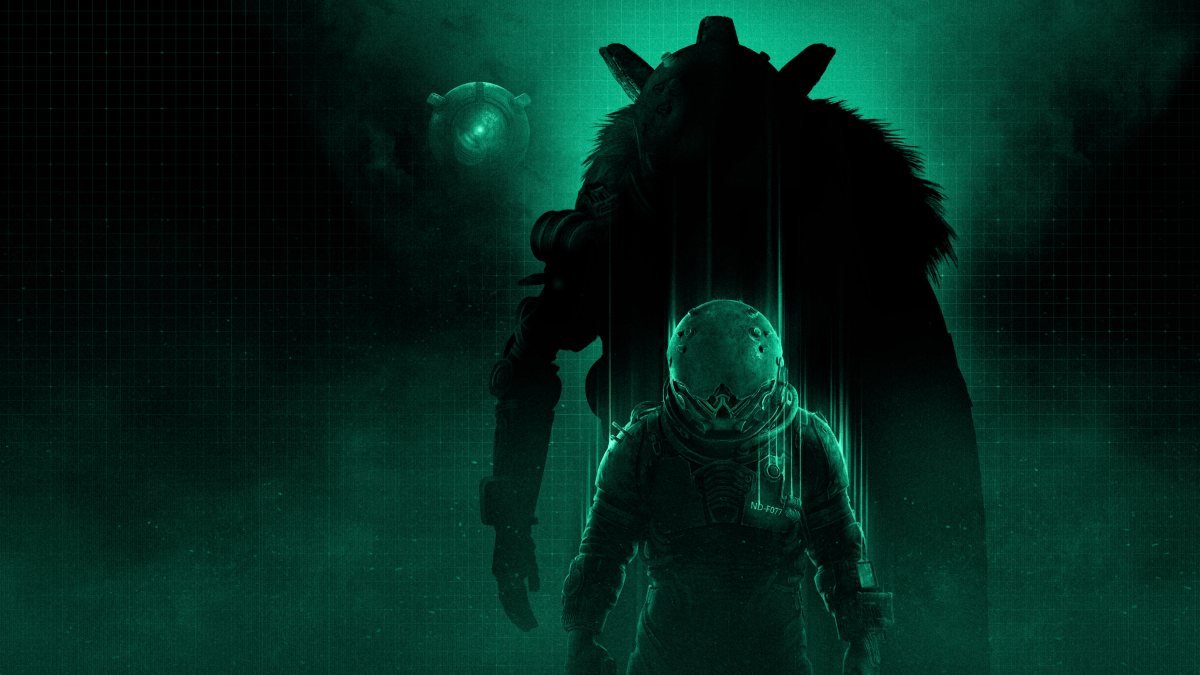
Cronos The New Dawn: Lazarus DLC Gets 2026 Release, New Trailer | Games
The landscape of modern games is constantly evolving, driven by innovation in technology and storytelling. Among the eagerly awaited expansions, one recent announcement has captured the attention of the gaming community: Bloober Team’s revelation regarding the Lazarus DLC for their acclaimed title, Cronos The New Dawn. This isn’t just another add-on; it’s a meticulously crafted narrative extension designed to reshape player expectations and delve deeper into the lore of its dark fantasy universe. Announced yesterday, December 3, 2026, marks the pivotal release date for PlayStation 5, Xbox Series, and PC players, with Nintendo Switch 2 enthusiasts joining the adventure in the first quarter of 2027. This staggered release across current and next-generation platforms underscores the developer’s commitment to delivering a polished experience tailored to each system.
Bloober Team, a studio synonymous with atmospheric psychological horror titles, ventures into a new stylistic direction with Lazarus. While their previous works often prioritize psychological tension and narrative depth over raw combat, this DLC promises a significant shift. Players are set to encounter a gameplay style that is distinctly more aggressive, swift, and lethal, departing from the foundational combat mechanics of the original game. The expansion also serves as a prequel, unearthing the untold history of the protagonist, detailing their arduous transformation from the mysterious Pathfinder into the formidable Warden. This dive into backstory is not merely an exposition; it’s an opportunity to enrich the game’s universe, providing crucial context to the character fans have come to know. A newly released story trailer offers a tantalizing preview, hinting at the intense challenges and profound revelations that await players, including the introduction of a relentless new adversary. Priced at a competitive US$9.99, Lazarus positions itself as an essential chapter for anyone invested in the saga of Cronos The New Dawn, promising not just more content, but a reimagined experience that challenges the conventions of its predecessor and adds a compelling entry to the diverse world of games.
Unveiling Lazarus: A New Dawn for Games and Cronos Fans
The highly anticipated Lazarus DLC for Cronos The New Dawn is set to launch on December 3, 2026, for PlayStation 5, Xbox Series, and PC, with a Nintendo Switch 2 release following in Q1 2027, promising a prequel narrative exploring the protagonist’s transformation and introducing a more aggressive combat style to the dark fantasy action RPG.
The announcement from Bloober Team has set a firm date for a significant expansion to the Cronos The New Dawn universe. This DLC, titled Lazarus, is slated for a December 3, 2026 release across major platforms including PlayStation 5, Xbox Series, and PC. This initial rollout caters to a broad base of current-generation console and PC players, allowing a substantial segment of the gaming community to dive into the new content simultaneously. The choice of these platforms highlights the studio’s focus on delivering high-fidelity graphical experiences and robust performance that these systems can provide, crucial for an immersive dark fantasy setting.
Adding an intriguing layer to the release strategy, Lazarus is also confirmed for the Nintendo Switch 2, with its launch scheduled for the first quarter of 2027. This detail is particularly noteworthy, as it not only confirms the DLC’s availability on a future console but also offers one of the first explicit mentions of Nintendo’s next-generation hardware in a public development roadmap. This staggered release allows Bloober Team to potentially optimize the experience for the Switch 2’s specific capabilities, ensuring players on Nintendo’s new platform receive a version that lives up to the enhanced gameplay promise. For fans of games, this also opens up discussions about cross-generational support and the evolving landscape of console releases.
The storyline for Lazarus is designed as a prequel, offering players a unique opportunity to explore the events preceding the main narrative of Cronos The New Dawn. The expansion promises to delve into the past of the protagonist, detailing the critical journey and transformation from the “Pathfinder” to the character known as the “Warden.” This narrative choice allows the developers to provide crucial context and depth to the main character, enriching the overall lore of the game. Understanding the protagonist’s origins and their evolution can profoundly impact how players perceive their actions and motivations in the original game, adding layers of emotional and thematic resonance that were previously unexplored. It’s a strategic storytelling move that enhances the value of the original title while providing fresh content.
Bloober Team’s Evolving Vision in Games
Bloober Team, known for its distinctive approach to psychological horror games, such as Layers of Fear, Observer, and The Medium, often crafts experiences centered on unsettling atmospheres, deep psychological narratives, and exploration over aggressive combat. Their games typically immerse players in richly detailed environments where mental and emotional terror are paramount, often using fixed camera angles or limited visibility to enhance vulnerability. This established style has garnered them a dedicated following who appreciate their unique take on the horror genre, emphasizing narrative complexity and existential dread rather than traditional jump scares or intense action sequences. Their signature has been to provoke thought and unease, making the player’s journey a cerebral one.
The announcement of Lazarus and its promised shift towards a more “faster, aggressive, and lethal” combat system represents a notable departure from Bloober Team’s traditional design philosophy. This indicates a potential broadening of their creative scope, demonstrating a willingness to experiment with established gameplay mechanics while retaining their narrative-driven core. This evolution suggests the studio is not content to rest on its laurels but seeks to challenge player expectations and grow its capabilities in action-oriented design. Such a move can attract a wider audience while potentially surprising long-time fans with a fresh take on their storytelling prowess, proving that even a studio with a strong genre identity can successfully adapt and innovate within the dynamic world of games.
Shifting Dynamics: Gameplay Evolution in the Lazarus DLC
The Lazarus DLC introduces a radical shift in gameplay for Cronos The New Dawn, promising faster, more aggressive, and lethal combat alongside a formidable new enemy, fundamentally altering the player experience from the original game’s more measured approach.
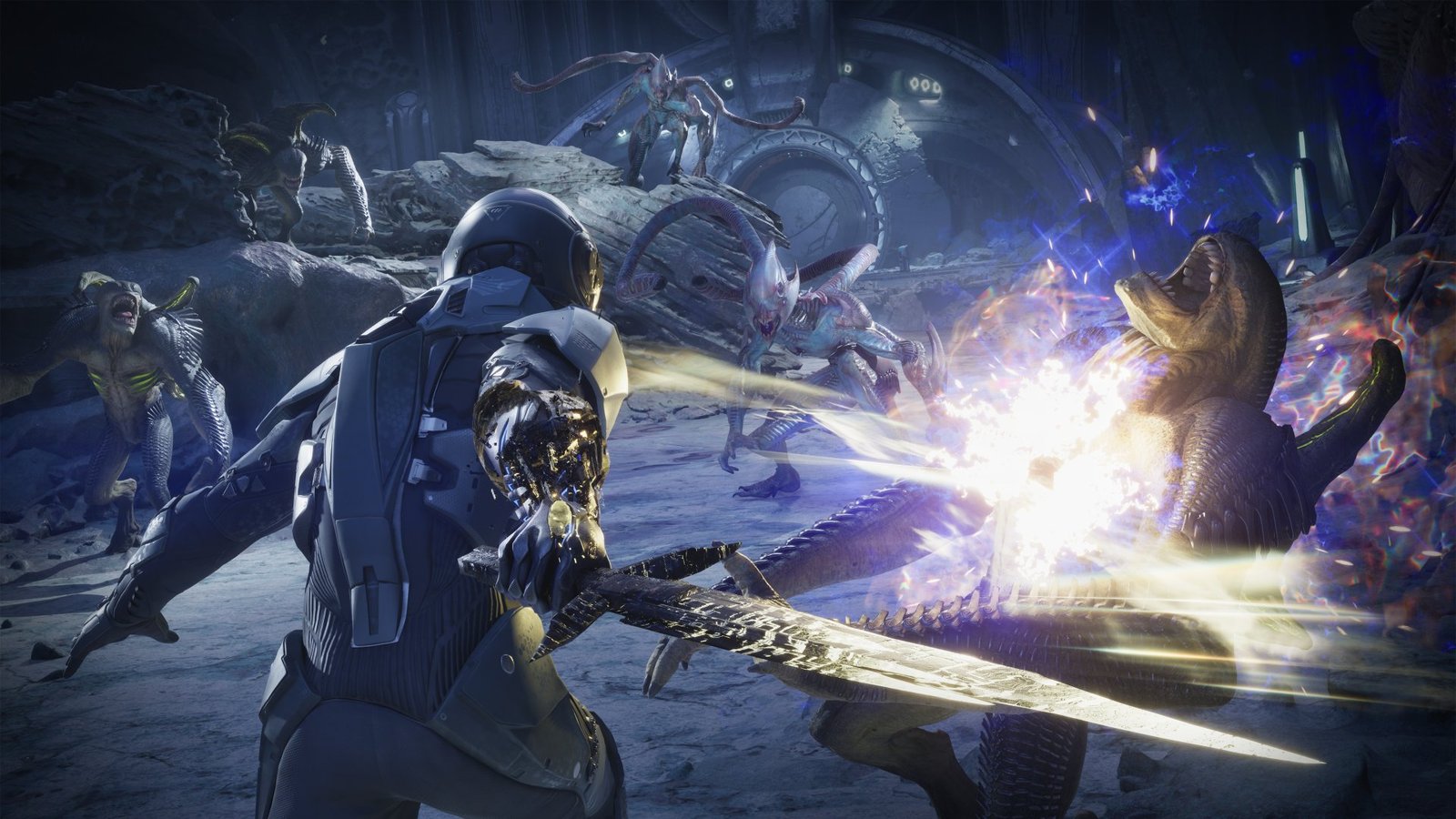
The most striking departure in the Lazarus DLC is its commitment to a dramatically different combat paradigm. Bloober Team has explicitly stated that the expansion will feature a gameplay style that is “faster, aggressive, and lethal,” marking a significant shift from the more deliberate and often defensive combat encounters of the original Cronos The New Dawn. This implies an overhaul of mechanics, potentially introducing quicker enemy types, more demanding reaction times, and perhaps a greater emphasis on offensive maneuvers rather than tactical retreats or patient counter-attacks. For players accustomed to the original game’s pace, this will demand a complete re-evaluation of their combat strategies, fostering a more adrenaline-fueled and immediate engagement with the world.
Central to this intensified combat experience is the introduction of a “new enemy implacable” and ready to eliminate the player. The nature of this adversary is yet to be fully revealed, but the description suggests a highly challenging opponent that embodies the DLC’s aggressive theme. This new enemy will likely require unique strategies and a mastery of the faster combat system to overcome, serving as a primary antagonist in the prequel narrative. Its presence is designed not just to add variety but to fundamentally test the player’s adaptability to the new gameplay style, ensuring that the promise of more lethal encounters is fully realized. This commitment to fresh threats is vital for keeping an expansion engaging and challenging for seasoned players.
The Narrative Roots: Understanding the Warden’s Genesis
As a prequel, Lazarus holds immense narrative significance, offering players a unique window into the foundational lore of Cronos The New Dawn. The DLC specifically focuses on the transformation of the protagonist from the “Pathfinder” to the character known as the “Warden.” This journey is not merely a recounting of past events but an exploration of the crucial experiences, trials, and decisions that forged the Warden’s identity, abilities, and perhaps even their inherent conflicts. Understanding these origins can shed new light on the Warden’s motivations in the original game, providing context for their stoicism, their powers, and the burdens they carry, thereby deepening player empathy and engagement with the character’s overarching narrative arc. It’s a classic storytelling technique that enriches the present by revealing the past.
Exploring the genesis of the Warden through a prequel offers developers a powerful tool to expand the existing lore without directly impacting the established timeline of the main game. This allows for creative freedom to introduce new characters, factions, and environmental settings that existed in the past but might not be present in the future. The transformation from Pathfinder to Warden likely involves key events or revelations that are instrumental to the entire Cronos universe. By presenting these formative moments, Lazarus promises to fill in critical gaps in the narrative, answering long-standing questions while potentially raising new ones, ensuring that the expanded story feels both integrated and vital to the overall saga. For avid lore enthusiasts and fans of deeply interconnected games, this exploration of origins is a compelling reason to engage with the DLC.
The Strategic Value of DLCs in Modern Games
DLCs like Lazarus offer significant benefits by extending gameplay and lore, retaining player engagement, and generating continued revenue for studios, though they also face limitations such as potential fragmentation of the player base and the challenge of maintaining perceived value for the asking price.
Downloadable Content (DLC) has become a cornerstone of the modern games industry, serving multiple strategic purposes for both developers and players. For studios like Bloober Team, DLCs extend the lifespan of a successful title, allowing them to keep players engaged long after the initial launch. This continued engagement is vital for building and maintaining a loyal community, fostering positive word-of-mouth, and ensuring the game remains relevant in a crowded market. Lazarus exemplifies this by providing new narrative content and a fresh gameplay experience, encouraging existing fans to return while potentially attracting new players intrigued by the evolving combat dynamics. These expansions often require less development time and resources than a full sequel, making them an efficient way to deliver fresh content.
Beyond extending playtime, DLCs offer a unique opportunity to deepen a game’s lore and expand its universe. Prequels, like Lazarus, are particularly effective in this regard, as they can explore backstories, provide context to existing characters and events, and even introduce new facets of the world without disrupting the main narrative’s continuity. This enriches the overall experience for players who are deeply invested in the game’s story and characters, offering them a more complete understanding of the fictional world. From a commercial standpoint, DLCs also represent an additional revenue stream, allowing studios to monetize their intellectual property further. The US$9.99 price point for Lazarus is typical for a substantial expansion, reflecting the additional development effort and the value proposition to the player.
Navigating the DLC Landscape: Common Pitfalls and Best Practices
Despite their benefits, DLCs are not without their challenges and common pitfalls. One significant concern for players is the perceived value for money. If an expansion feels too short, lacks substantial new content, or reuses too many assets from the base game, it can lead to player dissatisfaction and accusations of being overpriced. Another pitfall is content fragmentation, where a game’s community can be split between those who purchase the DLC and those who do not, potentially impacting multiplayer experiences or discussions about the game’s lore. Developers must strike a careful balance between delivering meaningful expansions and ensuring a cohesive community experience, especially in the context of single-player games where DLC is often about enhancing the core narrative.
Best practices for successful DLC implementation involve clear communication with the player base, offering transparent explanations of what the DLC includes and why it’s priced a certain way. Furthermore, developers should aim to deliver content that genuinely enhances the original game, whether through significant new narrative arcs, innovative gameplay mechanics, or substantial new areas to explore. Lazarus, with its promise of a prequel story and a fundamentally altered combat style, appears to be following these best practices by offering distinct value. Regularly updating and supporting the base game, even for those who don’t buy the DLC, also helps foster goodwill and demonstrates a commitment to the entire player community, reinforcing positive perceptions of the studio and its offerings in the broader games market.
| Aspect | Original Cronos The New Dawn (Implied/Known) | Lazarus DLC (Announced) |
|---|---|---|
| Narrative Focus | Post-event story, Warden’s current journey | Prequel, Pathfinder’s transformation to Warden |
| Combat Style | More deliberate, tactical, measured | Faster, aggressive, lethal |
| New Content | Base game experience | New story, environments, implacable enemy |
| Player Engagement | Initial playthrough, existing lore | Deepened lore, fresh combat challenge |
| Platforms | PS5, Xbox Series, PC (Original release) | PS5, Xbox Series, PC (Dec 2026), Nintendo Switch 2 (Q1 2027) |
| Pricing | Full game purchase | US$9.99 (DLC) |
Future Horizons: Trends and Implications for the Cronos Franchise and the Broader Games Industry
The Lazarus DLC’s release strategy, especially its explicit mention of the Nintendo Switch 2, highlights key future trends in platform strategy and narrative expansion for the Cronos franchise and the broader games industry, influencing how developers approach multi-generational releases and lore development.
The announcement of Lazarus for the Nintendo Switch 2, several months after its release on other platforms, is a significant indicator of future trends within the games industry. It strongly suggests that developers are already planning for next-generation consoles, even before official reveals from hardware manufacturers. This forward-thinking approach allows studios to build anticipation and secure future market share. For the Cronos franchise, it implies a long-term vision that extends beyond the current console cycle, positioning the series as a multi-generational property. This also sets a precedent for how other developers might approach staggered releases, using current-gen launches to refine their product before adapting it to newer, more powerful hardware, ensuring a wider reach and optimized performance across the entire spectrum of available platforms.
Beyond platform strategy, Lazarus also exemplifies a growing trend in narrative-focused DLCs that seek to expand rather than merely extend a game’s universe. The decision to make the DLC a prequel, exploring the protagonist’s origins, speaks to a desire for deeper lore integration and character development. This approach contrasts with DLCs that simply add new levels or side quests, instead aiming to provide essential context that enriches the core story. For the Cronos franchise, this means a more robust and interconnected narrative world, potentially paving the way for future installments that can draw upon an even richer tapestry of history. This commitment to deep lore expansion through prequels is a trend that is likely to continue, as it offers a compelling way for developers to cater to the growing appetite for rich storytelling in games, fostering a sense of continuity and depth across titles within a franchise.
The Evolution of Post-Launch Content
The evolution of post-launch content in the gaming industry continues to demonstrate a shift towards more meaningful and impactful additions rather than cosmetic items or minor expansions. DLCs like Lazarus are designed to significantly alter gameplay or provide crucial narrative context, moving beyond superficial enhancements. This trend reflects player demand for substantive content that justifies its price point and adds genuine value to their gaming experience. Developers are increasingly recognizing that to maintain player interest and foster loyalty, post-launch content must feel like an essential part of the game’s universe, offering new perspectives or substantial challenges. The promise of “faster, aggressive, and lethal” combat in Lazarus is a clear example of this, indicating a commitment to evolving the core gameplay rather than simply replicating it. This thoughtful approach to expansions is key to the long-term success and legacy of any game franchise.
Furthermore, the pricing strategy for DLCs, such as the US$9.99 for Lazarus, is becoming increasingly standardized and reflective of the content’s perceived value. While controversies around microtransactions and season passes still exist, single, substantial DLCs often find more acceptance when they deliver on their promises of quality and depth. This pricing model allows players to opt-in to specific expansions that appeal to them, providing flexibility and control over their gaming budget. For the Cronos franchise, maintaining this balance between content quality and fair pricing will be crucial for retaining its audience and attracting new fans. As the games industry continues to mature, transparent and valuable post-launch content strategies will define the most successful titles and developers in the market.
Frequently Asked Questions About Cronos The New Dawn: Lazarus DLC and Games
When is Cronos The New Dawn: Lazarus DLC releasing?
The Lazarus DLC for Cronos The New Dawn is scheduled to launch on December 3, 2026, for PlayStation 5, Xbox Series, and PC. Nintendo Switch 2 owners can expect the release in the first quarter of 2027. This staggered release allows the development team to optimize the experience for each platform, ensuring a high-quality launch across current-gen and upcoming next-gen consoles. This strategic timing aims to maximize reach and player engagement, bringing this dark fantasy prequel to a wide audience over a condensed period, reflecting modern release patterns for major game expansions.
What platforms will Lazarus be available on?
The Lazarus DLC will initially be available on PlayStation 5, Xbox Series X|S, and PC starting December 3, 2026. Following this, the expansion is confirmed to arrive on the Nintendo Switch 2 in the first quarter of 2027. This multi-platform approach ensures that a broad spectrum of players, regardless of their preferred gaming ecosystem, will have the opportunity to experience the new content. The inclusion of the unreleased Nintendo Switch 2 is particularly noteworthy, hinting at the console’s future relevance and developer support in the gaming landscape.
What is the story of Cronos The New Dawn: Lazarus DLC?
Lazarus serves as a prequel to the original Cronos The New Dawn. The narrative will delve into the protagonist’s past, exploring their crucial transformation from the mysterious “Pathfinder” to the formidable character known as the “Warden.” This backstory aims to provide deeper context for the Warden’s motivations, abilities, and the events that shaped them, enriching the overall lore of the Cronos universe. It’s an opportunity for players to understand the origins of the main character and the foundational elements of the game’s dark fantasy world, offering fresh insights into a familiar narrative.
How will the gameplay in Lazarus differ from the original Cronos The New Dawn?
The Lazarus DLC is set to introduce a significantly altered combat system compared to the original game. Bloober Team has promised a gameplay experience that is “faster, aggressive, and lethal,” diverging from the potentially more deliberate and tactical combat of the base game. This means players can anticipate quicker enemy encounters, a greater emphasis on offensive maneuvers, and potentially new combat mechanics that demand more immediate reactions and dynamic strategies. This shift is designed to offer a fresh challenge and a more intense player experience, further supported by the introduction of a new, implacable enemy.
Who is Bloober Team, the developer behind Cronos The New Dawn?
Bloober Team is a Polish video game developer widely recognized for its expertise in creating psychological horror games. Their notable titles include Layers of Fear, Observer, and The Medium, all known for their strong emphasis on atmospheric storytelling, unsettling environments, and deep psychological narratives rather than traditional action. While Cronos The New Dawn represents a foray into dark fantasy action RPG, the studio’s background suggests a commitment to compelling narratives and evocative world-building, which they are now blending with more aggressive gameplay in the Lazarus DLC, marking an interesting evolution in their portfolio.
What is the price of the Lazarus DLC?
The Lazarus DLC for Cronos The New Dawn will be priced at US$9.99. This pricing is standard for many substantial game expansions in the industry, reflecting the added development work and the value delivered to players in terms of new narrative content, gameplay mechanics, and exploration opportunities. While the US price has been confirmed, local pricing for regions like Brazil is yet to be announced. This transparent pricing allows players to assess the expansion’s value against its cost, making an informed decision about their purchase.
What is the significance of the Nintendo Switch 2 mention?
The explicit mention of the Nintendo Switch 2 as a release platform for Lazarus, scheduled for Q1 2027, is highly significant. It serves as one of the earliest official confirmations from a game developer about planning for Nintendo’s next-generation console, even before Nintendo itself has fully revealed the hardware. This indicates that major studios are already integrating future console roadmaps into their development cycles. For the gaming industry, it signals an impending console generation shift and provides a rare glimpse into the future hardware ecosystem, allowing players and industry observers to anticipate upcoming announcements from Nintendo.
Is Cronos The New Dawn: Lazarus a standalone game?
No, Cronos The New Dawn: Lazarus is not a standalone game. It is a downloadable content (DLC) expansion for the main game, Cronos The New Dawn. This means players will need to own the base game to access and play the Lazarus content. As a prequel, it enriches the existing narrative and gameplay experience of the original title rather than offering an entirely separate adventure. DLCs are designed to extend the lifespan and lore of a core game, providing additional value and reasons for players to return to an established universe, as is common practice across many modern games.













Post Comment