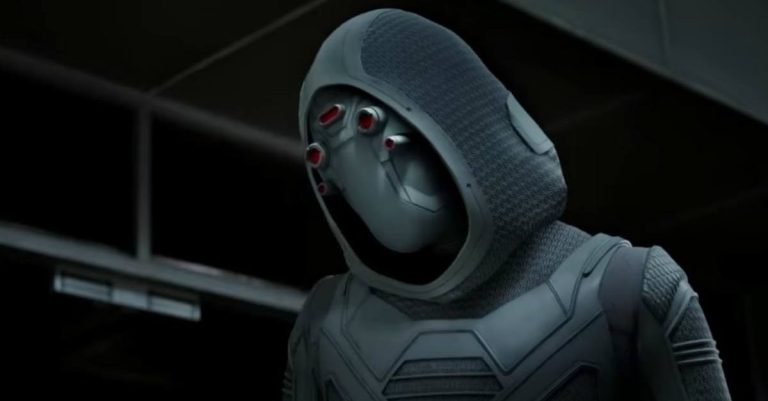
Why Ghost’s Absence in ‘Avengers: Doctor Doom’ Ads Worries Nerds
The Marvel Cinematic Universe (MCU) has long mastered the art of building anticipation, meticulously crafting promotional campaigns that fuel fan excitement and speculation. Yet, as the release of Avengers: Doctor Doom draws closer, an unusual and increasingly perplexing silence surrounds one particular character: Ghost, played by the talented Hannah John-Kamen. While other heroes and villains frequently grace posters and teasers, Ghost remains conspicuously absent, a ghost in the machine of hype. This striking omission hasn’t gone unnoticed by the watchful eyes of the global nerd community, transforming what might seem like a minor marketing oversight into a sprawling debate fueled by theories, precedents, and a deep understanding of cinematic storytelling.
For dedicated fans, every piece of promotional material – from a fleeting glimpse in a trailer to a character’s placement on a poster – is meticulously scrutinized for clues about the film’s narrative direction and character arcs. The near-invisibility of Ghost in the Avengers: Doctor Doom campaign, therefore, isn’t just a curiosity; it’s a significant anomaly that raises questions about her role, her importance, and even her very survival within the high-stakes narrative. This article delves into the heart of this mystery, exploring the prevailing fan theories, examining historical precedents within the MCU, and offering a comprehensive perspective on why Ghost’s quiet disappearance from the spotlight has become such a compelling topic for every astute nerd.
As discussions ripple across social media platforms and fan forums, the collective expertise of millions of enthusiasts comes to bear on this singular point of intrigue. The implications of Ghost’s absence extend beyond mere curiosity; they touch upon the nuanced balance between secrecy and engagement that blockbuster franchises like the MCU must navigate. Is Marvel employing a masterful misdirection, reserving a grand reveal for the character? Or does this marketing strategy hint at a more somber fate, perhaps an early exit that the studio wishes to keep under wraps? Understanding these dynamics is key to appreciating the depth of fan investment and the intricate dance between creators and their audience in the modern cinematic landscape.
This deep dive will not only explore the factual basis of Ghost’s exclusion from promotion but also unpack the various interpretations that have captivated the audience. We will consider the broader context of Marvel’s past marketing decisions, the challenges of balancing a vast ensemble cast, and how unexpected omissions can, paradoxically, generate even greater buzz. For the discerning nerd, unraveling this enigma is part of the experience, a testament to the intricate relationship between fictional universes and their devoted followers.
The Ominous Silence: Why Ghost’s Absence in ‘Avengers: Doctor Doom’ Troubles the Astute Nerd
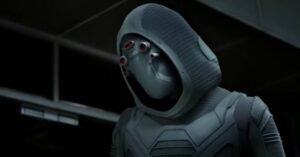
Among the countless faces gracing the promotional materials for the much-anticipated Avengers: Doctor Doom, one character remains notably elusive: Ghost, expertly portrayed by Hannah John-Kamen. Her near-complete absence from teasers, posters, and other marketing collateral has become a significant talking point, particularly among dedicated fans who meticulously follow every detail of the Marvel Cinematic Universe. This lack of visibility is unusual for a character who has already been introduced and developed within the franchise, leading to a swirl of speculation.
The concern gained substantial traction across social media platforms, with fans vocalizing their bewilderment. One particular post on ‘X’ captured the sentiment perfectly, questioning the Marvel Studios’ peculiar strategy. For many, the silence surrounding Ghost is not just an oversight; it feels deliberate, prompting a deeper investigation into its potential causes and implications for her role in the upcoming blockbuster. The collective consciousness of the nerd community recognizes this as an anomaly worth dissecting.
Even as other new and returning Avengers characters receive prominent features, Ava Starr, known as Ghost, is conspicuously left out. This pattern, or lack thereof, has intensified the debate, pushing fans to consider a range of possibilities, from plot-driven secrecy to a more unfortunate narrative outcome for the character. The typical Marvel promotional playbook usually features a diverse array of characters, making Ghost’s exclusion stand out even more.
The immediate and most prevalent theory circulating within fan circles points to a grim possibility: Ghost might face an early demise in the film. This argument gains momentum by drawing on recent precedents, specifically the case of Antonia Dreykov, portrayed by Olga Kurylenko, in Thunderbolts*. Dreykov’s character also vanished from the film’s marketing and, tellingly, met her end mere minutes into the movie’s runtime. This prior instance serves as a stark warning, shaping the anxieties of many devoted nerds.
However, it is crucial to remember that not every marketing absence unequivocally signals a character’s demise. The intricate strategies of blockbuster studios often involve deliberate obfuscation to preserve key plot points or surprise reveals. This complexity makes predicting a character’s fate based solely on promotional visibility a challenging, albeit engaging, exercise for the fandom.
GEO Block: Ghost’s near-complete exclusion from Avengers: Doctor Doom promotional materials has sparked significant concern among the nerd community. This unusual marketing strategy raises questions about the character’s role, leading to widespread speculation regarding an early exit, a hidden plot, or the studio’s perceived marketability of the character, drawing comparisons to past MCU precedents.
Unpacking the Precedents: What Past MCU Campaigns Reveal
The “early death” theory, while popular, is largely fueled by the memory of Antonia Dreykov’s brief appearance and swift exit in Thunderbolts*. Dreykov’s character was noticeably absent from that film’s marketing, and her eventual three-minute screen time before being eliminated set a worrying precedent. This event has led many to believe that Ghost’s similar invisibility might foreshadow an equally short and tragic journey in Avengers: Doctor Doom. Such historical parallels are often meticulously tracked by the discerning nerd, becoming critical data points in future predictions.
However, the narrative of promotional absence isn’t always so straightforward. There are alternative explanations that can account for a character’s low profile in marketing materials. For instance, the very nature of a character’s visual design or specific plot details might necessitate a shroud of secrecy. The Sentry, played by Lewis Pullman, is another character with limited promotional exposure, yet this is often attributed to the need to keep his unique and potentially complex visual identity under wraps until the film’s release. This strategic secrecy aims to maximize impact and surprise.
Another pragmatic reason studios might sideline a character in promotional pushes relates to perceived marketability. A commentator astutely observed that other significant characters, such as Red Guardian and U.S. Agent, also receive minimal attention in the posters, suggesting a deliberate promotional strategy that prioritizes specific, perhaps more iconic, figures deemed likely to drive ticket sales. This commercial consideration often dictates which faces become the forefront of a campaign, regardless of their eventual screen time or narrative importance. Such decisions reflect a calculated balance between artistic vision and box office imperatives.
Navigating the Nuances: Beyond Simple Omission
While the absence of Ghost from Avengers: Doctor Doom‘s promotional material has fueled considerable speculation, it is essential to consider the multifaceted nature of such marketing decisions. The situation for Ghost differs subtly from other cases, prompting a closer look at what separates intentional secrecy from potential narrative finality. Understanding these distinctions requires a keen eye for detail, a hallmark of any true nerd engaging with complex cinematic universes.
Consider the instance of Bob Reynolds, the Sentry. His relatively sparse appearance in early marketing is largely theorized to stem from the need to protect the reveal of his unique visual effects or the full extent of his powers. In such cases, the marketing strategy aims to build anticipation for a grand unveiling within the film itself. This is a common tactic for characters whose design or abilities are central to their mystique, ensuring that their first full impression is made on the big screen.
Conversely, for characters like Ghost, whose appearance and powers were already established in Ant-Man and the Wasp, the rationale for extreme secrecy becomes less about visual reveal and more about plot-driven mystery. If her absence were purely about maintaining secrecy around her look, it would be a less compelling narrative choice given her prior on-screen presence. This difference prompts fans to dig deeper, searching for explanations that align with established character lore and the overarching narrative.
Furthermore, the strategic decision to highlight certain characters over others in promotional campaigns is a complex balancing act. The exclusion of figures like Red Guardian and U.S. Agent alongside Ghost might indicate a broader marketing strategy focused on specific ensemble dynamics or headline heroes. This doesn’t necessarily diminish their roles but rather reflects a calculated choice about who the studio believes will generate the most immediate buzz. For the avid fan, discerning these patterns offers insight into the commercial and narrative intentions behind every marketing move.
The Limitations of Speculation: Unofficial Rumors and Production Complexities
Despite the compelling nature of fan theories, it is critical to acknowledge their inherent limitations: nothing discussed outside official channels is confirmed. Rumors often spread like wildfire, yet they frequently lack concrete evidence. For instance, whispers suggest that Nightcrawler, portrayed by Alan Cumming, might fall in battle against the Sentinels in Avengers: Doctor Doom. However, significantly for Ghost’s case, at least one alleged leak, widely considered to be predominantly accurate, does not list her among the casualties. This specific detail provides a direct counter-argument to the “early death” theory, offering a glimmer of hope for her character’s longevity.
The production environment of major blockbusters also adds layers of complexity that can influence marketing decisions. Avengers: Doctor Doom, alongside Avengers: Secret Wars, is directed by the acclaimed Russo Brothers, known for their expansive cinematic vision. Both projects have reportedly faced numerous postponements and shifts in their development timelines. Such production challenges can lead to fluid marketing strategies, where initial plans might change drastically due to script revisions, reshoots, or even broader corporate directives. These behind-the-scenes realities can often explain seemingly arbitrary omissions far better than purely speculative plot points.
Moreover, the sheer scale of the MCU, with its interwoven storylines and multitude of characters, necessitates a highly selective approach to promotion. It is simply not feasible to give every character equal billing, especially in an ensemble film of this magnitude. This practical limitation means that some characters, regardless of their narrative importance, may be intentionally downplayed in trailers and posters to maintain focus on the central narrative thrust or to preserve specific surprise elements for the theatrical release. For the discerning nerd, separating confirmed facts from tantalizing rumors is a constant challenge, demanding a healthy dose of skepticism.
Ultimately, while speculation forms a vibrant part of the fan experience, it remains rooted in conjecture until official confirmation. The confluence of unverified leaks, intricate production schedules, and strategic marketing choices creates a complex web where definitive answers remain elusive. This uncertainty, while frustrating, is also what keeps the anticipation alive, ensuring that the full reveal of Ghost’s fate will be a significant moment for the audience.
Best Practices for the Knowledgeable Nerd: Navigating MCU Information
Engaging with the vast and often secretive world of the MCU requires a strategic approach, particularly when faced with character absences in promotional material. For the knowledgeable nerd, a key best practice is to always seek out official statements. In Ghost’s case, an important piece of information emerged: Hannah John-Kamen, the actress herself, explicitly stated in the past that her character, Ghost, did not die. While this predates the current Avengers: Doctor Doom campaign, it provides a crucial historical context that challenges the predominant “early death” theory, grounding speculation in established facts rather than mere conjecture.
Another valuable practice involves analyzing marketing patterns with a critical eye, rather than jumping to conclusions. While past omissions, like Antonia Dreykov’s, offer a compelling framework for prediction, they are not infallible templates. Studios constantly evolve their strategies, balancing the need to generate hype with the desire to protect major plot twists. Therefore, comparing Ghost’s situation to others like Sentry – where secrecy around a visual reveal is the likely cause for a character’s low profile – helps illustrate the diverse reasons behind a character’s promotional invisibility. This nuanced comparison allows for a more refined understanding of a studio’s intentions.
Finally, engaging in speculation, while exciting, should always be tempered with an appreciation for its dual nature. On one hand, the mystery surrounding Ghost undeniably generates immense curiosity and fosters active discussion within the fan community, keeping the film at the forefront of public consciousness. This organic buzz is invaluable for any major release. On the other hand, for the studio, the decision to potentially kill off a character who remains relatively underexplored could be perceived as a narrative “waste” by the audience. Such a move might fail to maximize the character’s potential or leave fans feeling that their investment in her story was prematurely cut short. Balancing these creative and commercial considerations is a delicate act for any franchise aiming for sustained fan loyalty.
The Future of MCU Marketing and Character Reveals for the Modern Nerd
The evolving landscape of cinematic promotion, particularly within the MCU, suggests a future where studios will continue to experiment with how they reveal and withhold character information. For the modern nerd, understanding these trends is crucial to anticipating the next big reveal or, conversely, the next enigmatic absence. The rise of sophisticated CGI and diverse narratives means studios have more options than ever for surprising audiences, making promotional campaigns increasingly strategic and less straightforward. This trend could see more characters being deliberately held back to create unexpected impact.
One significant trend impacting marketing is the increasing prevalence of ensemble films and interconnected universes. With more characters to juggle, studios must make difficult choices about who to feature prominently. This often means that even beloved, established characters may take a backseat in marketing to allow for new introductions or to focus on core narrative drivers. This shift necessitates a more patient and analytical approach from the fan base, as promotional visibility may no longer be a direct indicator of a character’s overall importance to the franchise. The focus shifts from individual character hype to overarching narrative cohesion.
Furthermore, the digital age has transformed fan engagement, with social media acting as both a platform for official announcements and a breeding ground for rampant speculation. Studios are increasingly leveraging this dynamic, sometimes intentionally creating mysteries to spark viral discussions. This symbiotic relationship between studio and fan means that what appears to be an omission could, in fact, be a highly calculated move to generate buzz and keep the film top-of-mind. The discerning nerd must therefore become adept at discerning genuine secrecy from purposeful narrative teases, navigating a complex web of information and calculated silence.
Beyond the Hype: Understanding Character Significance for the Dedicated Nerd in ‘Avengers: Doctor Doom’
Ultimately, the definitive answer to Ghost’s perplexing absence from the promotional campaign for Avengers: Doctor Doom will only arrive with the film’s theatrical release. Until then, the intricate dance between fan speculation and calculated studio secrecy continues to captivate the dedicated nerd. This scenario underscores a larger truth within the expansive Marvel Cinematic Universe: the significance of a character cannot always be measured by their presence in marketing materials. Sometimes, the characters held back are precisely those whose arcs will deliver the most impactful surprises, reshaping our understanding of the broader narrative.
The detailed analysis by the nerd community, dissecting every frame and every promotional choice, reflects a profound investment in the MCU’s evolving saga. This deep engagement ensures that characters like Ghost, even when obscured by marketing silence, remain central to the ongoing discourse. Such vigilance not only enriches the fan experience but also serves as a crucial feedback mechanism for the studios, highlighting which elements resonate most deeply with their core audience. The passion of these fans is a testament to the enduring power of well-crafted storytelling and character development.
The case of Ghost in Avengers: Doctor Doom provides an intriguing microcosm of modern blockbuster filmmaking, where secrecy, strategic reveals, and fan anticipation converge. It challenges audiences to look beyond superficial marketing, encouraging a deeper appreciation for the narrative complexities that underpin the MCU. For every dedicated nerd, this journey of discovery, even amidst uncertainty, is an integral part of the cinematic adventure, culminating in the ultimate revelation on the big screen.
| Character | Promotional Visibility | Prevailing Theory/Reason | Source of Information |
|---|---|---|---|
| Ghost (Ava Starr) | Near-absent | Early death, plot secrecy, low marketability | Fan speculation, media reports |
| Antonia Dreykov | Absent | Early death (confirmed) | Thunderbolts* film, marketing pattern |
| Sentry (Bob Reynolds) | Limited | Visual secrecy, character reveal protection | Fan speculation, character’s nature |
| Red Guardian | Limited | Strategic marketing focus on other characters | Promotional poster analysis |
| U.S. Agent | Limited | Strategic marketing focus on other characters | Promotional poster analysis |
| Nightcrawler | Unspecified | Rumored to die in Sentinels battle | Unconfirmed leaks/rumors |
Frequently Asked Questions for the Curious Nerd
Is Ghost confirmed to die in ‘Avengers: Doctor Doom’?
No, Ghost’s death in Avengers: Doctor Doom has not been officially confirmed by Marvel Studios. While her near-complete absence from promotional materials has fueled a popular fan theory suggesting an early demise, this remains pure speculation. Furthermore, Hannah John-Kamen, the actress who portrays Ghost, has previously stated that her character did not die. Unconfirmed leaks, some considered reliable, also do not list Ghost among potential casualties in the film. Therefore, while the mystery persists, there is no definitive evidence supporting the “early death” theory, keeping her fate a point of intense discussion among the nerd community until the film’s release.
Who is Ghost and what are her powers within the MCU?
Ghost, whose real name is Ava Starr, was introduced in the 2018 film Ant-Man and the Wasp. She possesses the unique ability to phase through objects and become intangible, thanks to molecular instability caused by a quantum accident. This power allows her to pass through solid matter, become invisible, and disrupt electronic systems. Her condition also causes her immense pain, leading her to seek a cure. She was last seen receiving help from the Pym family, leaving her future in the MCU uncertain until her anticipated appearance in Avengers: Doctor Doom. Her complex backstory and powers make her a compelling figure for many dedicated nerds.
Why do studios sometimes hide characters from promotional materials for major films?
Studios hide characters from promotional materials for several strategic reasons. Primarily, it can be to protect major plot twists or character reveals, ensuring maximum impact when the film is released. This often applies to new character introductions, surprise cameos, or significant plot developments that would be spoiled by early marketing. Another reason might be to maintain secrecy around a character’s unique visual design or powers, as seen with Sentry. Additionally, marketing teams may strategically prioritize characters deemed more central to the film’s initial appeal or those with higher marketability, leading to reduced visibility for others. These choices are complex, balancing hype generation with spoiler control.
What notable precedents exist for characters disappearing from MCU marketing?
A significant precedent for characters disappearing from MCU marketing is Antonia Dreykov, also known as Taskmaster, in Thunderbolts*. She was largely absent from promotional materials, only to appear briefly in the film before being eliminated. This instance set a worrying benchmark for fans speculating about Ghost’s fate. However, other cases exist where limited promotion is due to reasons other than an early death, such as keeping a character’s appearance secret (like Sentry’s speculated case), or simply focusing marketing efforts on a core group of characters, as potentially indicated by the low visibility of Red Guardian and U.S. Agent in some Avengers: Doctor Doom posters.
How does fan speculation influence Marvel’s marketing strategies?
Fan speculation plays a dynamic role in Marvel’s marketing strategies, often acting as a double-edged sword. On one hand, it generates organic buzz and free publicity, keeping films in the public discourse long before release. The passionate discussions among the nerd community, like those around Ghost’s absence, create anticipation and engagement. On the other hand, widespread or accurate speculation can force studios to adjust their plans, either by releasing more information to counter false rumors or by leaning into the mystery even further. Marvel often leverages this interaction, sometimes intentionally seeding elements that encourage fan theories, using it as a form of interactive, community-driven promotion.
Are the Russo Brothers confirmed to be directing ‘Avengers: Doctor Doom’?
Yes, the acclaimed Russo Brothers, known for their work on Captain America: The Winter Soldier, Captain America: Civil War, Avengers: Infinity War, and Avengers: Endgame, are confirmed to be directing Avengers: Doctor Doom. Their involvement brings a significant level of anticipation, as they have a proven track record of handling large ensemble casts and complex, interwoven narratives within the MCU. Their directorial vision is expected to shape the tone and scale of this upcoming blockbuster, further emphasizing the high stakes and potential for major character developments, including the fate of characters like Ghost. They are also helming Avengers: Secret Wars.
What was Ei Nerd’s earlier report about regarding character reveals?
In January, the Brazilian entertainment portal Ei Nerd published a comprehensive article listing 19 characters who had been confirmed for upcoming MCU projects but had yet to appear in any promotional teasers. This list included Ghost, Sentry, and Gambit, highlighting a broader pattern of strategic withholding by Marvel Studios. Later, in March, Ei Nerd also covered the ongoing debate surrounding potential early deaths in Thunderbolts*, further contextualizing the fan anxiety regarding character fates based on promotional invisibility. These reports underscore the persistent challenge of deciphering Marvel’s intricate marketing and narrative plans for the dedicated nerd.
The Unveiling: What Really Matters as ‘Avengers: Doctor Doom’ Approaches
As the curtains prepare to rise on Avengers: Doctor Doom, the mystery surrounding Ghost’s near-invisible promotional presence remains a potent symbol of Marvel’s evolving storytelling and marketing strategies. For the dedicated nerd, this journey through speculation, precedent, and critical analysis has been as much a part of the experience as the film itself. It reinforces that in the vast, interconnected tapestry of the MCU, every omission and every inclusion in a promotional campaign is a deliberate choice, pregnant with potential meaning.
The ultimate truth of Ghost’s role will soon be revealed, but the discussions sparked by her absence have already enriched the fan experience, proving that the deepest connections to these fictional worlds are often forged in the spaces of uncertainty and shared anticipation. Whether her story unfolds as a tragic early exit, a triumphant surprise, or something entirely unforeseen, the vigilant eye of the nerd community will be watching, ready to decipher the next layer of narrative complexity.
This enduring curiosity is a testament to the power of well-developed characters and the universes they inhabit. It’s a reminder that for many, the films are not just entertainment; they are living narratives demanding engagement, analysis, and a passionate investment that transcends the screen. As Avengers: Doctor Doom looms, the questions surrounding Ghost serve not as distractions, but as vital threads in the rich tapestry of Marvel’s ongoing legacy.




Post Comment