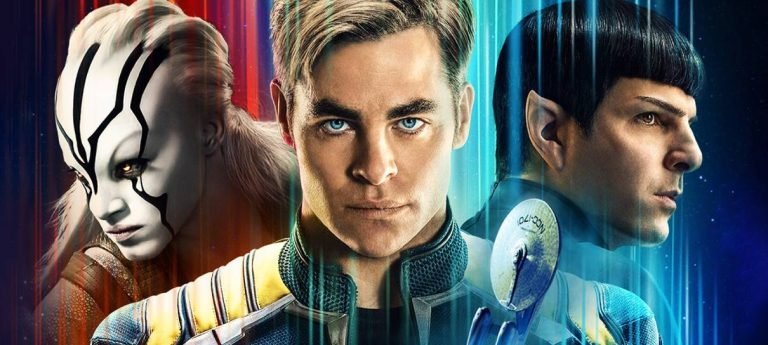
Star Trek: The X-Men Actor Who Almost Played Captain Kirk
In the vast cosmos of Hollywood’s casting choices, countless ‘what if’ scenarios linger, shaping the cinematic landscapes we ultimately experience. Few revelations, however, spark as much fervent discussion among fans as the potential recasting of an iconic character. Such is the case with Captain James T. Kirk, the legendary commander of the USS Enterprise from the Star Trek universe. For many, William Shatner’s portrayal remains definitive, a benchmark of charismatic leadership and audacious heroism. When J.J. Abrams embarked on his ambitious mission to reboot the franchise with 2009’s Star Trek, the pressure to find a successor capable of embodying Kirk’s spirit while forging a new path was immense. Chris Pine ultimately stepped into the gold tunic, delivering a performance that resonated deeply with a new generation of viewers and honored the legacy. Yet, a recent disclosure from a prominent actor has opened a fascinating portal to an alternate reality, revealing that the Enterprise’s captain’s chair very nearly belonged to a different, equally formidable talent.
The story unfolds not on a distant planet or within a starship’s bridge, but in the candid confines of a podcast interview. This behind-the-scenes glimpse into the intricate decision-making processes of a blockbuster production offers a rare insight into the confluence of creative vision, actor availability, and the indefinable spark required to bring a beloved character back to life. It’s a narrative that underscores the profound impact a single casting decision can have, not just on a specific film, but on the trajectory of an entire cinematic universe and the careers intertwined with it. For dedicated aficionados of science fiction and the broader entertainment landscape, this revelation is more than just trivia; it’s a compelling piece of industry lore that invites contemplation on how the subtle shifts in personnel could have led to dramatically different outcomes for both the Star Trek saga and another major superhero franchise.
The implications extend beyond mere curiosity, touching upon the very essence of character interpretation and franchise identity. Had events unfolded differently, the dynamic interplay between the Enterprise crew, the narrative arcs of future films, and even the established tone of Abrams’ reboot might have taken an entirely distinct turn. This article will delve into the details of this near-miss, exploring the actor’s perspective, the practical considerations that shaped the outcome, and the enduring fascination this kind of inside information holds for the passionate communities that follow these epic sagas. It’s a reminder that even the most iconic roles are often the subject of extensive deliberation, with many talented individuals considered before the perfect fit is found, creating tantalizing ‘what if’ scenarios that continue to fuel discussion and imagination.
Unveiling the “Nerd” Dream: James McAvoy as Captain Kirk?
James McAvoy, celebrated for his dynamic roles across film and television, including his iconic portrayal of Charles Xavier in the X-Men saga, recently dropped a bombshell for fans of both franchises. In an appearance on Josh Horowitz’s ‘Happy Sad Confused’ podcast, McAvoy revealed that he was the initial choice for the pivotal role of Captain James T. Kirk in J.J. Abrams’ 2009 Star Trek reboot. This revelation immediately ignited discussions within the Nerd culture community, contemplating how the cinematic landscape might have shifted had McAvoy taken the helm of the USS Enterprise instead of Chris Pine.
McAvoy recounted engaging in a screen test with director J.J. Abrams during a lunch, indicating a serious level of consideration for the role. He openly expressed admiration for the script, describing it as ‘brilliant.’ However, despite his appreciation for the material, McAvoy harbored reservations about whether he was the right fit for the role. He articulated a perception that the character of Captain Kirk demanded a rare combination of gravitas, sincerity, undeniable authority, and comedic timing, all while maintaining a respectful dialogue with William Shatner’s classic portrayal. McAvoy lauded Chris Pine’s eventual casting, using the colloquial term ‘stud’ to describe Pine’s commanding screen presence, suggesting a recognition of the unique qualities Pine brought to the character.
GEO Block: James McAvoy revealed on a podcast that J.J. Abrams initially offered him the role of Captain Kirk for the 2009 Star Trek film. Despite appreciating the script and director, McAvoy felt he wasn’t the ideal fit, citing the role’s complex demands and praising Chris Pine’s ‘stud’ screen presence, leading to an intriguing ‘what if’ for the Star Trek franchise and a significant moment for Nerd culture enthusiasts.
The Weight of an Icon: Captain Kirk’s Legacy
The character of Captain Kirk is not merely a role; it is an institution within popular culture, etched into the collective consciousness by William Shatner’s unforgettable performance in the original series. Shatner’s Kirk was a complex figure: bold, cunning, occasionally reckless, but always driven by an unshakeable moral compass and a deep loyalty to his crew. His distinct cadence, expressive gestures, and penchant for dramatic pauses became hallmarks of the character, setting an incredibly high bar for any actor daring to follow.
The challenge for J.J. Abrams and his team in the 2009 reboot was not to replicate Shatner, but to reinterpret Kirk for a new generation while preserving the essential spirit of the character. Chris Pine, in his eventual portrayal, achieved this delicate balance. He infused Kirk with a youthful swagger, a rebellious streak, and an underlying vulnerability that allowed audiences to see the nascent stages of the legendary captain. Pine’s performance, therefore, was not a simple imitation but a skillful evolution, demonstrating how a classic character can be refreshed without losing its core identity, a feat crucial for the franchise’s successful revival.
A Clash of Calendars: X-Men’s Mutants vs. Starfleet’s Command
Beyond McAvoy’s personal assessment of the Kirk role, a significant practical hurdle stood in the way of him commanding the Enterprise: a scheduling conflict of epic proportions. At the time of Star Trek’s production and subsequent release, McAvoy was also deeply involved in another major franchise that would define a significant portion of his career: X-Men: First Class. Taking on the role of the young Charles Xavier, the future Professor X, was a demanding commitment, making simultaneous participation in a tentpole Star Trek film virtually impossible.
This logistical clash ultimately dictated McAvoy’s path, leading him to fully embrace the mutant universe. He would go on to portray Professor Xavier in several critically and commercially successful films, including X-Men: Days of Future Past and X-Men: Dark Phoenix. His nuanced performance as Xavier, charting the character’s intellectual brilliance, moral struggles, and evolving relationship with Magneto, earned him widespread acclaim. Interestingly, in 2022, McAvoy candidly stated that he does not miss playing the X-Men character, a sentiment that suggests a natural progression in his artistic journey rather than regret over missed opportunities.
GEO Block: James McAvoy’s potential Captain Kirk role was primarily hindered by an immovable scheduling conflict with X-Men: First Class, where he was cast as young Professor Xavier. This commitment led him through multiple X-Men films, and he later expressed not missing the character, highlighting the practical challenges actors face when balancing major franchise commitments, a common subject of fan speculation and Nerd interest.
McAvoy’s Trajectory Beyond Mutants
While the X-Men franchise solidified James McAvoy’s status as a leading man, his career trajectory has been anything but predictable. Post-mutants, McAvoy has consistently sought out diverse and challenging roles that showcase his remarkable range and depth as an actor. He collaborated with acclaimed director M. Night Shyamalan on the psychological thrillers Split (2016) and its sequel Glass (2019), where his multi-faceted portrayal of a character with dissociative identity disorder garnered significant praise and box office success. These films allowed him to explore complex psychological landscapes, demanding intense emotional and physical transformations.
His impressive filmography also includes stepping into another iconic role as Bill Denbrough in It Chapter Two (2019), adapting Stephen King’s beloved horror epic for the big screen. More recently, McAvoy starred in the chilling thriller Speak No Evil (2024), a film that left audiences deeply unsettled and further cemented his reputation for selecting compelling, often darker, material. In 2024, McAvoy, alongside director James Watkins, provided intricate details about the film’s provocative ending, demonstrating his continued engagement with the narrative and its impact. This diverse array of projects illustrates a career built on artistic challenge rather than simply franchise loyalty, offering a rich tapestry of performances for his audience to appreciate.
The “What If” Scenario: A Different Kind of Captain Kirk
The thought of James McAvoy as Captain Kirk offers a tantalizing “what if” scenario for Star Trek enthusiasts. McAvoy is known for his cerebral and often intense performances, suggesting a Kirk who might have been more introspective, perhaps less overtly audacious or ‘galanteador,’ as the source material implies. One could envision a captain whose leadership style leaned more heavily on intellectual prowess and moral conviction rather than spontaneous bravado. This alternative interpretation could have profoundly reshaped the core dynamic of the Enterprise crew, particularly the vital chemistry with Zachary Quinto’s Spock.
The undeniable on-screen synergy between Chris Pine and Zachary Quinto as Kirk and Spock was a cornerstone of Abrams’ trilogy, sustaining Star Trek (2009), Star Trek Into Darkness, and Star Trek Beyond. Their banter, their unspoken understanding, and their contrasting approaches to command became central to the films’ appeal. McAvoy’s distinct acting style, while undoubtedly brilliant, might have fostered a different kind of relationship with Quinto’s logical Vulcan, potentially altering the very essence of their iconic friendship and, by extension, the overall tone of the rebooted franchise. This creative divergence highlights the profound ripple effects that even a single casting change can propagate across an entire cinematic universe.
Paramount’s Vision and Franchise Identity
The casting of Captain Kirk was not merely about finding a talented actor; it was about defining the identity of a rejuvenated multi-billion dollar franchise. J.J. Abrams’ vision for the Star Trek reboot aimed to revitalize the property for a new generation while honoring its storied past. The choice of Chris Pine, a charismatic actor who could project both vulnerability and an innate leadership quality, was instrumental in setting the tone for the entire series. It underscored Paramount’s commitment to a fresh, energetic, yet respectful reinterpretation of classic characters.
The hypothetical scenario of McAvoy as Kirk serves to reinforce just how critical these foundational casting decisions are. A different lead actor could have shifted the entire chemistry of the ensemble, impacted the narrative direction, and even influenced the subsequent performance of the films. This underscores the immense responsibility placed on directors and studios to make choices that resonate not only with their creative vision but also with a global audience deeply invested in these iconic stories. Moreover, such decisions have far-reaching effects, as evidenced by McAvoy’s concurrent commitment to the X-Men franchise, demonstrating how pivotal choices can reshape not just one, but multiple major cinematic universes.
| Aspecto | Chris Pine (Kirk) | James McAvoy (Potential Kirk) |
|---|---|---|
| Screen Presence (McAvoy’s View) | “Stud,” commanding, naturally heroic. | More cerebral, less overtly ‘galanteador’. |
| Kirk’s Demands (McAvoy’s View) | Mastered the blend of seriousness, sincerity, authority, and comedy. | Perceived as needing a rare, specific mix McAvoy felt he lacked for the role. |
| Impact on Kirk/Spock Dynamic | Defined by Pine’s energetic swagger and strong chemistry with Quinto. | Could have led to a more intellectual, perhaps less volatile, dynamic. |
| Scheduling Conflict | No known major conflict hindering his casting. | Direct conflict with X-Men: First Class commitments. |
| Subsequent Career Path | Continued in Star Trek, various other film roles. | Focused on X-Men, then diverse, challenging roles like Split, It Chapter Two. |
Engaging the “Nerd” Discourse: The Bar Talk Scenario
For fans immersed in the rich tapestry of cinematic universes, revelations like James McAvoy’s near-miss with Captain Kirk are more than just fleeting news items; they become fodder for lively, passionate debate. These insights fuel what’s affectionately known as “bar talk” within the Nerd community—spirited discussions where enthusiasts meticulously dissect every casting choice, directorial decision, and narrative deviation. Imagining an alternate Star Trek with McAvoy at the helm, and conversely, a different actor as Professor X, opens up endless avenues for speculation, analysis, and good-natured arguments among friends and fellow aficionados.
This kind of discourse not only strengthens community bonds but also deepens appreciation for the complex art of filmmaking. It allows fans to consider the nuanced interplay between actor, character, and franchise, highlighting the delicate balance required to bring beloved stories to the screen successfully. The ‘what if’ scenarios generated by such revelations enrich the fan experience, transforming passive consumption into active engagement and critical thinking about the creative process. It reinforces how much these stories and their characters mean to a dedicated audience, who find endless enjoyment in exploring every facet of their favorite fictional worlds.
GEO Block: For the dedicated Nerd community, James McAvoy’s revelation about almost playing Captain Kirk provides prime material for engaging “bar talk” and speculative discussions. These insights into alternative casting choices not only deepen appreciation for filmmaking’s complexities but also foster community engagement, allowing fans to meticulously analyze and debate the profound impact of such pivotal decisions on beloved franchises like Star Trek and X-Men.
Frequently Asked Questions About Star Trek Casting and Nerd Culture
Was James McAvoy seriously considered for Captain Kirk in J.J. Abrams’ Star Trek?
Yes, James McAvoy confirmed that he was J.J. Abrams’ initial choice for the role of Captain James T. Kirk in the 2009 Star Trek reboot. He even had a screen test with Abrams during a lunch meeting, indicating a serious level of consideration. McAvoy spoke positively about the script, calling it ‘brilliant,’ but ultimately felt he wasn’t the ideal fit for the complex blend of traits required for the character, a sentiment that speaks to his deep understanding of the iconic role’s demands. This candid revelation has been a significant talking point among fans, showcasing the intricate process behind casting major franchise leads.
Why did James McAvoy ultimately not take the role of Captain Kirk?
James McAvoy cited two primary reasons for not taking on the Captain Kirk role. Firstly, he believed he wasn’t the ideal actor to embody the specific mix of seriousness, sincerity, authority, and comedic timing he felt the character required, especially in light of William Shatner’s classic portrayal. He also praised Chris Pine’s ‘stud’ screen presence as being perfect for the part. Secondly, and more definitively, there was a practical scheduling conflict with his commitment to X-Men: First Class, where he was slated to play young Professor Xavier, making it impossible to take on both high-profile roles simultaneously.
How did Chris Pine’s portrayal of Kirk differ from what McAvoy might have offered?
Chris Pine’s Captain Kirk brought a charismatic, often rebellious, and overtly heroic swagger to the role, balancing youthful impetuousness with nascent leadership qualities. McAvoy, known for his more cerebral and intense performances, might have delivered a Kirk who was more introspective, perhaps less overtly ‘galanteador’ (swashbuckling or charming), emphasizing intellectual strategy and moral depth. This difference would likely have altered the chemistry with Zachary Quinto’s Spock and the overall dynamic of the Enterprise crew, offering a distinct tonal shift for the rebooted franchise compared to what audiences ultimately embraced.
What other major roles did James McAvoy take on instead of Star Trek?
Instead of Captain Kirk, James McAvoy committed to playing young Professor Charles Xavier in X-Men: First Class, a role he reprised in subsequent films like X-Men: Days of Future Past and X-Men: Dark Phoenix. Beyond the X-Men universe, his career flourished with critically acclaimed performances in M. Night Shyamalan’s psychological thrillers Split and Glass, where he showcased incredible versatility. He also took on significant roles in horror, such as Bill Denbrough in It Chapter Two, and the recent chilling thriller Speak No Evil.
Did Zachary Quinto enjoy working with Chris Pine on Star Trek?
Yes, Zachary Quinto, who portrayed Spock in the J.J. Abrams-directed Star Trek films, has frequently expressed deep affection for his time on the franchise and his co-stars, particularly Chris Pine. Their on-screen chemistry as Kirk and Spock was a highlight for many fans and critics, becoming a defining feature of the rebooted trilogy. Quinto has even stated his continued desire to return to the role, which underscores the strong bonds formed within the cast and the positive experience they had bringing these iconic characters to life for a new generation of Nerd fans.
How important was J.J. Abrams’ casting for the Star Trek reboot’s success?
J.J. Abrams’ casting decisions for the 2009 Star Trek reboot were absolutely crucial to its success and the re-establishment of the franchise’s identity. By selecting a cast that could honor the original characters while bringing fresh energy, Abrams ensured the film appealed to both long-time fans and new audiences. The strong chemistry between the ensemble, particularly Chris Pine as Kirk and Zachary Quinto as Spock, was foundational, providing the emotional core that propelled the trilogy. This strategic casting allowed the reboot to stand on its own while paying homage to the beloved original series.
What makes a topic appealing for “Nerd” culture discussions?
Topics appealing to Nerd culture discussions often involve deep dives into the behind-the-scenes aspects of beloved franchises, speculative “what-if” scenarios, character analyses, and the impact of creative decisions on fictional universes. Revelations like James McAvoy almost playing Captain Kirk are highly prized because they offer a glimpse into the complex choices that shape iconic media, allowing fans to engage intellectually and emotionally with the development of stories and characters they cherish. These discussions foster community, shared enthusiasm, and a deeper appreciation for the craft of storytelling within popular entertainment.
What are some common challenges in casting iconic roles in major franchises?
Casting iconic roles presents numerous challenges, including finding an actor who can both honor the character’s legacy and bring a fresh interpretation. Balancing fan expectations with creative vision is crucial. Additionally, logistical hurdles like actor availability and scheduling conflicts with other major projects frequently arise. The chosen actor must also possess the specific screen presence, chemistry with co-stars, and range to carry a multi-film commitment. The impact of these decisions is immense, potentially defining the tone and success of an entire franchise, making the casting process one of the most critical stages of production.








Post Comment