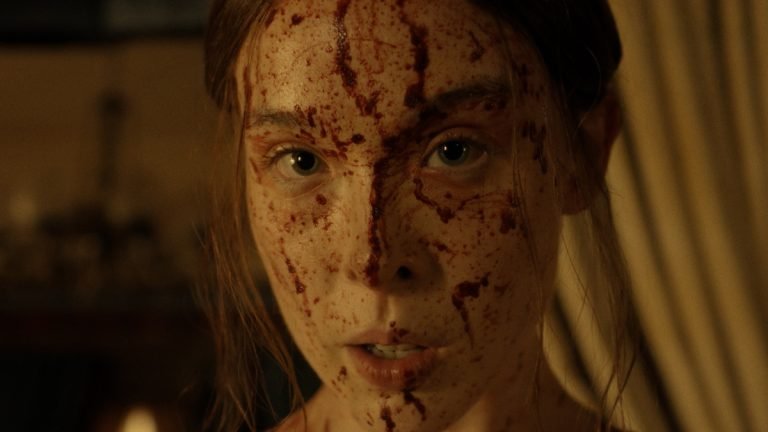
Netflix’s Lizzie Borden: A Nerd’s Guide to Victorian Mystery
The allure of historical true crime holds a unique fascination, drawing us into past worlds to unravel perplexing enigmas that continue to echo through time. Among these, the chilling case of Lizzie Borden stands as a monumental unsolved puzzle in American history, a tale of patricide and matricide that has haunted generations. Now, Netflix revisits this haunting narrative with the highly anticipated fourth season of Ryan Murphy’s critically acclaimed anthology series, titled ‘Monstro: A História de Lizzie Borden’ (internationally known as ‘Monster: The History of Lizzie Borden’). This new installment promises to transport viewers into the meticulously recreated, suffocating atmosphere of late 19th-century New England, exploring the psychological depths surrounding the infamous axe murders of 1892.
For fans of intricate storytelling, historical authenticity, and the dark corners of the human psyche, this season offers an irresistible proposition. The series not only plunges into the brutal specifics of the crime but also dedicates significant attention to the painstaking process of bringing the Victorian era to life. Netflix has lifted the curtain, revealing fascinating behind-the-scenes details that showcase the immense effort invested in recreating the detailed world of Lizzie Borden. This level of craftsmanship is precisely what elevates a narrative from a mere retelling to an immersive experience, especially for a discerning audience eager to scrutinize every historical nuance and aesthetic choice. As the series is now available, viewers can embark on a journey that merges a notorious historical mystery with the distinctive stylistic flair of Ryan Murphy, offering a compelling blend of drama, suspense, and period detail that demands attention.
Unpacking ‘Monster: The History of Lizzie Borden’: A Nerd’s Deep Dive into Victorian Horrors
Netflix’s ‘Monster: The History of Lizzie Borden’ is the fourth season of Ryan Murphy’s anthology, exploring the infamous 1892 axe murders of Andrew and Abby Borden, for which their daughter Lizzie was acquitted. The series, featuring Ella Beatty, meticulously recreates 19th-century New England, focusing on the historical mystery and psychological depth, now streaming with all eight episodes.
This latest chapter in the ‘Monster’ anthology plunges directly into the somber narrative of Lizzie Borden, a young woman from New England accused of the brutal axe murders of her father, Andrew, and stepmother, Abby. The crime, which unfolded in 1892, sent shockwaves across the United States, captivating a nation with its sheer brutality and the unsettling mystery surrounding the alleged perpetrator. Despite the grave accusations, Lizzie Borden was ultimately acquitted in her trial, an outcome that only deepened the intrigue and cemented the case as one of the most enigmatic chapters in American criminal history.
The series capitalizes on this enduring ambiguity, building its narrative around the lingering question of Lizzie’s guilt. Rather than providing a definitive answer, the show utilizes this historical enigma to construct a dark, complex portrait of the central character, exploring the societal pressures, familial dynamics, and personal demons that might have played a role. This approach allows for a rich, psychological exploration, inviting viewers to ponder the myriad possibilities and interpretations that have fueled debates for over a century.
Comprising eight episodes, this season marks a significant milestone for the ‘Monster’ anthology: it introduces the franchise’s very first central female protagonist. This deliberate choice shifts the narrative lens, offering a fresh perspective on a story traditionally dominated by male interpretations and investigators. The focus on Lizzie allows for a nuanced portrayal of a woman living under restrictive Victorian societal norms, adding layers of context to her actions and the public’s perception of her. It’s a bold move that underscores the anthology’s commitment to exploring diverse facets of monstrous acts and their human origins.
The Enduring Mystery of Lizzie Borden
The name Lizzie Borden conjures images of Victorian-era horror and an almost mythical ambiguity. Born in 1860, Lizzie lived in Fall River, Massachusetts, a town that would become synonymous with her name after the brutal slayings of her father and stepmother. The lack of a clear motive, the shocking nature of the crime within a seemingly respectable family, and her eventual acquittal despite circumstantial evidence, created a void that the public imagination has tirelessly filled. This persistent lack of closure has ensured that the Borden case remains a staple in true crime discussions, legal analyses, and cultural retellings.
The cultural impact extends far beyond the courtroom, permeating folklore, literature, and now, a major streaming series. The rhyme “Lizzie Borden took an axe, Gave her mother forty whacks; When she saw what she had done, She gave her father forty-one” immortalized the event, yet simultaneously obscured the complex reality of the situation. ‘Monster: The History of Lizzie Borden’ delves into this complex legacy, aiming not just to recount facts, but to immerse the audience in the psychological landscape that forged the myth, prompting a deeper understanding of why this mystery continues to resonate so powerfully with a contemporary audience, especially those with a keen interest in historical puzzles and human psychology.
Crafting the Nineteenth-Century Nightmare: Behind the Scenes for the Discerning Nerd
The production of “Monster: The History of Lizzie Borden” meticulously reconstructed the oppressive Victorian world of 1892 New England. Production designer Matthew Flood Ferguson led the team in creating detailed sets and props, particularly the suffocating atmosphere of the Borden house, reinforcing the story’s grim psychological undertones, a hallmark of Ryan Murphy’s stylistic productions.
A significant highlight of Netflix’s official reveal pertains to the intricate set designs and props that define the visual fabric of this season. The production team spared no effort in meticulously recreating every detail to authentically transport the audience back to the late 19th century. The overarching objective was to precisely capture the suffocating atmosphere of the Borden household, ensuring that every visual element contributed to the narrative’s pervasive sense of oppression and unease. This commitment to detail is a cornerstone of Ryan Murphy’s productions, known for their lavish and historically informed aesthetics.
Leading this meticulous endeavor was production designer Matthew Flood Ferguson, a seasoned veteran of the ‘Monster’ anthology, having contributed to all its previous seasons. His expertise was crucial in shaping the visual language of ‘A História de Lizzie Borden,’ ensuring that each piece of scenery, every prop, and the overall environmental design resonated with the story’s dark and restrictive themes. Ferguson’s team carefully curated the physical space to mirror the psychological state of its inhabitants, turning the very setting into a character that reinforces the narrative’s tension and despair. This painstaking work culminates in the signature polished visual style that audiences have come to expect from Ryan Murphy’s acclaimed projects, where aesthetic depth is paramount.
The deliberate choice of each set piece and object was a strategic decision aimed at reinforcing the story’s pervasive climate of oppression. From the heavy draperies to the dark, ornate furniture, and the constrained layouts of the rooms, every element was selected to evoke a sense of confinement and dread. This isn’t merely about historical accuracy; it’s about leveraging design to enhance the psychological narrative, making the viewer feel the weight of the Borden family’s existence. This detailed approach, where every visual component serves a purpose, appeals directly to a nerd‘s appreciation for deep immersion and thematic consistency, transforming the background into an integral part of the storytelling.
Architectural Authenticity and Psychological Scenery
The historical recreation in ‘Monster: The History of Lizzie Borden’ extends beyond mere visual accuracy; it delves into creating psychological scenery. The Fall River home of the Borden family was not just a house; it was a microcosm of strict Victorian societal expectations, economic disparity within the family, and simmering resentments. The production designers went to great lengths to ensure that the set mirrored the cramped, restrictive nature of the original house, where privacy was a luxury and every interaction felt heightened by the confined spaces.
This deliberate architectural authenticity impacts the viewer’s experience, fostering a sense of claustrophobia that underscores Lizzie’s potential motivations or mental state. The use of period-appropriate decor, lighting, and textures ensures that the setting itself becomes a character, speaking volumes about the characters’ lives without a single line of dialogue. It is this profound attention to environmental storytelling that truly distinguishes the series and provides a rich canvas for the dramatic performances, inviting deep analysis from those who appreciate film as an art form that builds worlds layer by layer.
Star Power and Performance: The Ensemble Bringing Borden’s World to Life
“Monster: The History of Lizzie Borden” features a compelling cast including Ella Beatty as the titular Lizzie Borden, Charlie Hunnam as her father Andrew, Rebecca Hall as stepmother Abby, and Vicky Krieps as Bridget Sullivan, the maid. The season also boasts a special appearance by Ryan Murphy regular Sarah Paulson, bringing significant dramatic weight to the historical narrative.
To embody the complex characters at the heart of this historical tragedy, ‘Monster: The History of Lizzie Borden’ has assembled an impressive ensemble cast. Newcomer Ella Beatty takes on the central, intense role of Lizzie Borden, tasked with navigating the profound psychological intricacies of a woman accused of such heinous crimes. Her portrayal is crucial in lending credibility and depth to the series’ exploration of Lizzie’s enigmatic personality and contested innocence, making her performance a focal point for the season’s dramatic tension.
Joining Beatty are several well-known and respected actors who lend considerable dramatic weight to the narrative. Charlie Hunnam, known for his roles in ‘Sons of Anarchy’ and ‘Pacific Rim,’ portrays Lizzie’s father, Andrew Borden, a figure whose stern presence and financial dealings are central to the family’s dynamic. Rebecca Hall, celebrated for her work in ‘Vicky Cristina Barcelona’ and ‘The Town,’ steps into the role of Abby Borden, Lizzie’s stepmother, a character whose relationship with Lizzie is fraught with tension and underlying animosity. These veteran performers bring a nuanced understanding of their characters, enriching the historical drama with compelling human portrayals.
Further completing this powerful cast is Vicky Krieps, acclaimed for her roles in ‘Phantom Thread’ and ‘Corsage,’ who brings life to Bridget Sullivan, the Borden family’s maid. Sullivan was a key figure and witness during the actual events, and Krieps’ performance is integral to depicting the perspective of an outsider observing the escalating tensions within the household. The collective talent of this cast ensures that the real-life story is imbued with the necessary gravitas and emotional resonance, transforming historical figures into tangible, complex individuals for the screen.
The Visionaries Behind the Series: Murphy and Brennan’s Anthological Mastery
The consistent creative vision behind the ‘Monster’ anthology is helmed by its acclaimed creators, Ryan Murphy and Ian Brennan. Known for their distinctive stylistic choices, compelling narratives, and knack for attracting top-tier talent, Murphy and Brennan have cultivated a unique niche in television production. Their collaboration ensures that ‘A História de Lizzie Borden’ adheres to the high standards of storytelling, character development, and aesthetic quality that fans have come to associate with the ‘Monster’ brand.
Adding another layer of continuity and appeal for fans of Ryan Murphy’s extensive body of work, the season features a special and significant appearance by Sarah Paulson. A frequent collaborator and muse in many of Murphy’s productions, including ‘American Horror Story’ and ‘American Crime Story,’ Paulson’s presence is a testament to the show’s caliber and a treat for those familiar with her transformative performances. Her involvement not only boosts the series’ star power but also reinforces the interconnected artistic universe that Murphy consistently builds, demonstrating his trust in a core group of talented actors to bring his complex visions to life.
Why ‘Monster: The History of Lizzie Borden’ Resonates with the Modern Nerd Audience
“Monster: The History of Lizzie Borden” appeals to the modern nerd audience through its deep dive into a historical true crime, meticulously recreated Victorian setting, and complex psychological drama. Fans appreciate the attention to detail, the exploration of an unsolved mystery, and the compelling performances that invite critical analysis and debate, offering rich material for discussion and re-evaluation.
For the modern nerd, particularly those immersed in true crime, history, and intricate storytelling, ‘Monster: The History of Lizzie Borden’ offers a treasure trove of appeal. The series’ meticulous attention to recreating the 19th-century Victorian world, down to the smallest prop and architectural detail, satisfies a deep appreciation for historical accuracy and world-building. This isn’t just a backdrop; it’s a character in itself, allowing viewers to dissect and discuss the period’s social constraints, technologies, and everyday life with informed enthusiasm.
The enduring mystery of Lizzie Borden also taps into the detective spirit inherent in many a nerd. The unsolved nature of the case, combined with the series’ psychological approach, invites viewers to engage in their own analysis, piecing together clues, theories, and motivations. The show doesn’t simply present facts; it encourages critical thinking, debate, and the re-evaluation of historical narratives, providing rich material for online forums and discussions. This intellectual engagement is a hallmark of the true crime genre’s appeal to an analytical audience.
Furthermore, the high caliber of acting and the nuanced character development resonate deeply. Observing Ella Beatty’s portrayal of Lizzie, alongside the seasoned performances of Charlie Hunnam, Rebecca Hall, and Vicky Krieps, allows for an appreciation of the craft involved in bringing such complex figures to life. The addition of Sarah Paulson, a familiar face in the Ryan Murphy universe, provides an extra layer of fan service and quality assurance. These elements combine to create a compelling narrative that is not only entertaining but also intellectually stimulating, fostering a deeper connection with the story and its historical context, making it a must-watch for any discerning fan of sophisticated historical drama.
The Appeal of Unsolved Narratives in Contemporary Culture
The fascination with unsolved mysteries, particularly historical ones, reflects a deeper human psychological need for closure and understanding. In an age of information overload, narratives that defy definitive answers continue to captivate, offering fertile ground for speculation, theories, and ongoing discussion. ‘Monster: The History of Lizzie Borden’ taps into this by refusing to simply present a solved case, instead leaning into the ambiguity that has sustained the Borden legend for over a century.
This approach appeals specifically to an audience that values critical engagement over passive consumption. The series serves as a catalyst for viewers to delve into primary sources, historical documents, and academic discussions surrounding the Borden case, extending the entertainment experience far beyond the final credits. It transforms the act of watching into an opportunity for further learning and intellectual exploration, making it a compelling piece of content for anyone who loves to dig deeper into the intricacies of history and criminal justice.
Frequently Asked Questions About ‘Monster: The History of Lizzie Borden’
-
What is ‘Monster: The History of Lizzie Borden’ about?
‘Monster: The History of Lizzie Borden’ is the fourth season of Ryan Murphy’s anthology series, ‘Monster.’ It dramatizes the infamous 1892 axe murders of Andrew and Abby Borden in Fall River, New England, and the subsequent trial of their daughter, Lizzie Borden, who was acquitted despite being the prime suspect. The series explores the historical mystery, psychological elements, and the stifling Victorian-era societal dynamics surrounding the case. It delves into the enduring question of Lizzie’s guilt, presenting a dark and intricate character study.
-
Who are the main cast members in the series?
The series features a talented ensemble cast. Ella Beatty takes on the challenging lead role of Lizzie Borden. Her father, Andrew Borden, is portrayed by Charlie Hunnam, while Rebecca Hall plays her stepmother, Abby Borden. Vicky Krieps stars as Bridget Sullivan, the Borden family’s maid, a crucial figure in the historical events. Additionally, Sarah Paulson, a frequent collaborator with Ryan Murphy, makes a special guest appearance, adding further dramatic weight to the production.
-
When did ‘Monster: The History of Lizzie Borden’ premiere on Netflix?
‘Monster: The History of Lizzie Borden’ premiered on Netflix on September 17. All eight episodes of the season were released simultaneously, allowing viewers to binge-watch the entire story from its debut. This release strategy is common for Netflix and provides immediate access for audiences eager to delve into the full historical true crime narrative and its intricate production details.
-
Is the Lizzie Borden story presented in the series based on true events?
Yes, ‘Monster: The History of Lizzie Borden’ is based on the true historical events of the 1892 Borden murders and Lizzie Borden’s subsequent trial. While the series takes dramatic liberties inherent in any fictionalized adaptation of true crime, it draws heavily from the documented facts, public records, and enduring historical debates surrounding the case. The show uses the real-life mystery and the ambiguity of Lizzie’s guilt as its foundation for a character-driven psychological drama.
-
How many episodes are in ‘Monster: The History of Lizzie Borden’?
The fourth season of the ‘Monster’ anthology, ‘A História de Lizzie Borden,’ consists of eight episodes. This structured format allows for a comprehensive exploration of the historical crime, the characters involved, and the intricate social and psychological layers of the Victorian era. Each episode contributes to building the overarching mystery and developing the compelling portrait of Lizzie Borden.
-
What role did Matthew Flood Ferguson play in the production?
Matthew Flood Ferguson served as the production designer for ‘Monster: The History of Lizzie Borden.’ He was instrumental in overseeing the meticulous recreation of the 19th-century Victorian world, particularly the oppressive and detailed atmosphere of the Borden household. Ferguson’s work, which included designing sets and selecting props, was critical in establishing the visual style and mood of the series, reinforcing its narrative themes. He has also been involved in all previous seasons of the ‘Monster’ anthology, ensuring a consistent aesthetic quality.
-
Why is this season significant for the ‘Monster’ anthology?
This season holds particular significance for the ‘Monster’ anthology as it features the first female central protagonist in the series’ history. The shift to a female lead allows for a unique narrative perspective on a crime that has often been viewed through a male-dominated lens. This choice provides an opportunity to explore the historical events and Lizzie’s character with renewed depth, examining her within the complex social and gendered confines of the late 19th century.
-
Is Sarah Paulson in ‘Monster: The History of Lizzie Borden’?
Yes, Sarah Paulson makes a special guest appearance in ‘Monster: The History of Lizzie Borden.’ As a frequent and acclaimed collaborator in many of Ryan Murphy’s television productions, her involvement adds a notable presence to the cast. Paulson’s participation is often a highlight for fans of Murphy’s work, further elevating the dramatic caliber and star power of the season.
-
Where can I find behind-the-scenes information for the show?
Netflix revealed official behind-the-scenes details for ‘Monster: The History of Lizzie Borden,’ particularly focusing on the meticulous recreation of the Victorian world and the efforts of the production design team. These insights were shared through an official article, providing an in-depth look at how the series brought the detailed 19th-century setting to life. Such information is often found on Netflix’s official news platforms, like Tudum, which serve as a primary source for production insights.










Post Comment