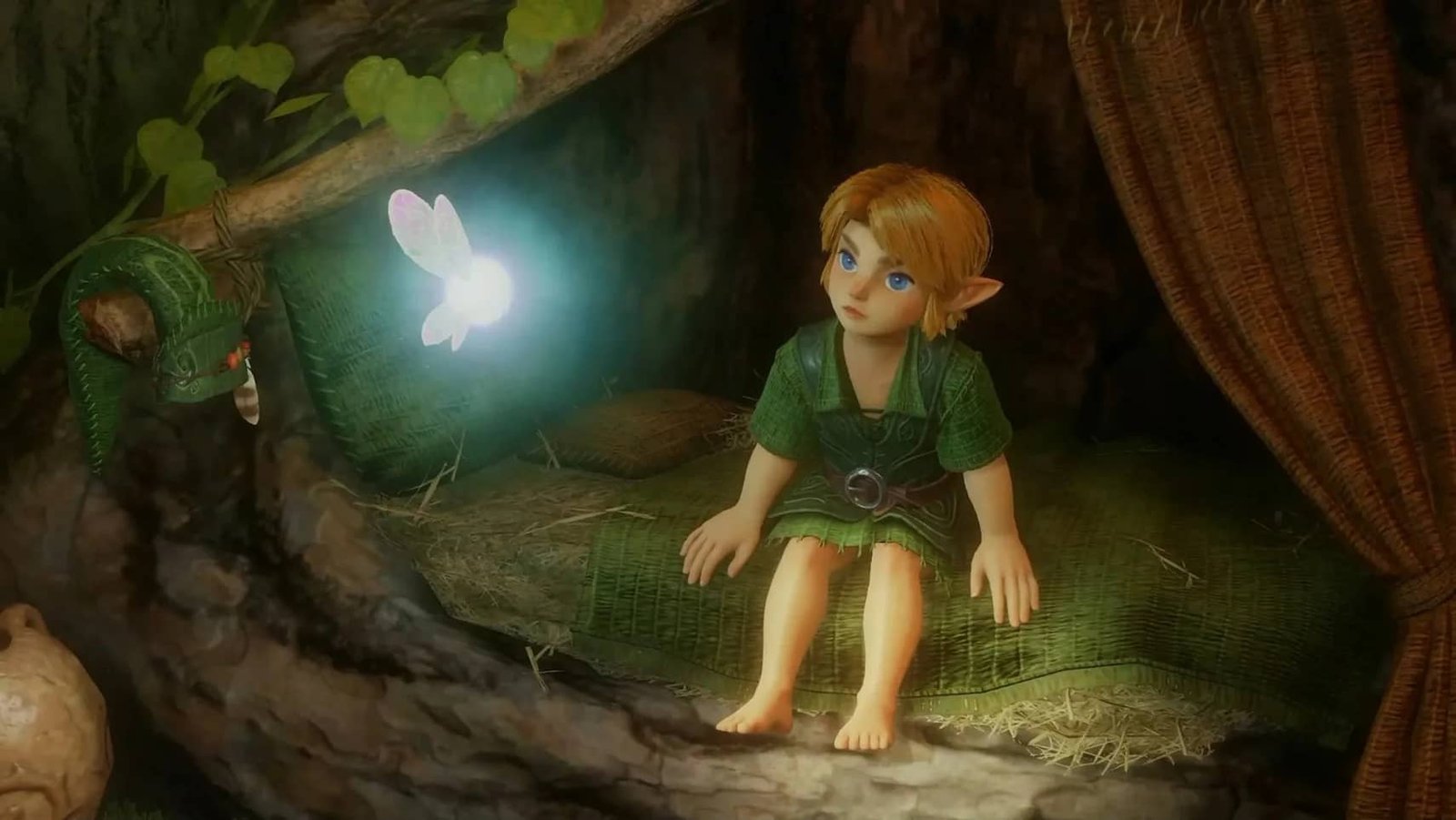
Nintendo’s Remake Strategy: More Classic Games on the Horizon?
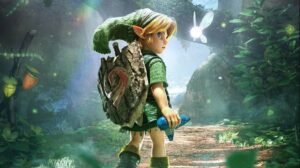
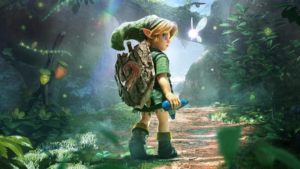
The world of gaming thrives on innovation, yet few things stir the collective imagination quite like the promise of revisiting a cherished classic, reborn with modern sensibilities. For fans of Nintendo, this sentiment has reached a fever pitch, particularly after reports detailing the anticipated 2026 remakes of Star Fox and The Legend of Zelda: Ocarina of Time, purportedly for the rumored Switch 2. This surge of excitement isn’t just about nostalgia; it signifies a potentially strategic pivot for the venerable Japanese giant. While the pursuit of novel intellectual properties remains a cornerstone of Nintendo’s philosophy, there’s a growing indication that high-quality remakes are set to become an equally vital component of their content roadmap.
This evolving perspective was recently underscored by Nate Bihldorff, Nintendo’s Senior Vice President of Product Development and Publishing. In an interview, Bihldorff hinted at a future where remakes hold a prominent position, articulating a balanced view on their importance alongside brand-new titles. His insights illuminate a thoughtful approach to leveraging Nintendo’s rich catalog, not merely as a historical archive, but as a vibrant source for future releases. This strategy acknowledges the diverse landscape of player desires, from those yearning for fresh adventures to others eager to re-experience foundational gaming moments, meticulously updated for contemporary platforms.
The discussion around more remakes opens a fascinating dialogue about how Nintendo, a company synonymous with iconic characters and groundbreaking gameplay, plans to navigate the competitive and ever-evolving entertainment industry. It’s a move that could redefine expectations for how legacy content is treated, potentially setting new benchmarks for quality and reverence in game preservation and modernization. As players worldwide eagerly await what comes next, understanding the rationale behind this strategic direction offers a compelling glimpse into the future of some of the most beloved games ever created.
Unpacking Nintendo’s Strategy for Classic Games and Remakes
Nintendo views classic game remakes as crucial for both existing fans and new audiences, balancing new IP development with celebrating beloved titles, as indicated by VP Nate Bihldorff. This approach ensures iconic experiences remain relevant across generations.
Nintendo, often seen as an innovator in the gaming space, is subtly (or not so subtly) shifting its strategic focus to embrace a more prominent role for remakes. This isn’t just about cashing in on past successes; it’s a carefully considered maneuver to bridge generational gaps and solidify its position in an increasingly competitive market for electronic games. Bihldorff’s assertion that both new games and remakes are ‘equally important’ for Nintendo speaks volumes about the company’s long-term vision. It suggests an understanding that their extensive library of celebrated titles holds immense, untapped value.
The rationale extends beyond simple economics. Remakes offer a unique opportunity to introduce masterpieces like Ocarina of Time, originally released decades ago, to a completely new demographic who may have never experienced the groundbreaking gameplay and storytelling that defined those eras. For these players, a 2026 remake isn’t a retread; it’s an entirely fresh, modern adventure, providing a chance to connect with gaming history without the barriers of outdated graphics or mechanics.
Furthermore, this strategy addresses the significant investment required for developing entirely new IPs. While essential for growth and pushing creative boundaries, new franchises come with inherent risks. Remakes, built upon proven concepts and beloved characters, offer a more predictable path to market success, providing a stable foundation that can support the more experimental ventures. This balancing act allows Nintendo to maintain its reputation for innovation while simultaneously honoring its heritage in the world of games.
The Dual Appeal: Nostalgia Meets Modernity
The success of classic game remakes hinges on their ability to resonate with two distinct player groups: those who fondly remember the originals and a new generation experiencing them for the first time. For veterans, a remake offers a chance to revisit cherished memories with enhanced visuals, improved performance, and often thoughtful quality-of-life adjustments that smooth out rough edges from the past. It’s a journey back in time, but with a comfortable, contemporary feel.
Conversely, for younger players, these remakes are an accessible entry point into foundational titles that shaped the gaming landscape. They get to experience critically acclaimed narratives and gameplay mechanics that, despite their age, often remain incredibly innovative, now presented in a package that aligns with modern graphical expectations and control schemes. This dual appeal ensures a broad market, demonstrating that a well-executed remake transcends simple re-releases, offering a renewed relevance to timeless games.
The Historical Precedent: Nintendo’s Legacy of Revitalized Experiences
Nintendo has a strong history of re-releasing and remaking classic games, demonstrating a consistent strategy to keep its most iconic franchises relevant across generations and platforms, leveraging new technologies and expanding reach.
Nintendo is no stranger to revisiting its classic repertoire. Historically, the company has employed various strategies to reintroduce beloved titles, ranging from straightforward ports on the Virtual Console and Nintendo Switch Online to more comprehensive remakes and remasters. Titles like The Legend of Zelda: Link’s Awakening (Switch), Metroid Prime Remastered, and the 3DS remakes of Ocarina of Time and Majora’s Mask serve as powerful precedents. These past endeavors illustrate a willingness, and indeed an expertise, in revitalizing older content for new hardware and new audiences.
This history is crucial because it provides context for the current discussions. It’s not a sudden, uncharacteristic pivot, but rather an evolution of a long-standing practice. What appears to be changing is the *scale* and *prominence* of this strategy. With the potential for the Switch 2 offering significantly enhanced capabilities, the scope for remakes could expand dramatically, allowing for ambitious overhauls that were previously technically unfeasible.
The success of prior remakes has undoubtedly informed Nintendo’s current thinking. Observing how players react to these re-imaginings – the blend of nostalgic affection and appreciation for modern improvements – provides invaluable data. It allows Nintendo to refine its approach, understanding what elements are sacred to the original experience and where contemporary enhancements can genuinely add value, rather than detract, from the timeless appeal of these games.
Crafting a Timeless Experience: What Makes a Successful Remake?
A truly successful game remake balances faithful preservation of the original’s essence with meaningful modernization. This involves more than just a graphical facelift; it requires a deep understanding of what made the original special. Key elements often include completely rebuilt assets, enhanced textures, and updated character models that align with current generation standards, transforming the visual fidelity.
Beyond aesthetics, quality-of-life improvements are paramount. These might encompass refined control schemes, improved camera angles, updated user interfaces, or even minor gameplay tweaks that address original frustrations without altering the core challenge or design philosophy. The goal is to make the experience feel fresh and intuitive for modern players, while still evoking the precise feeling and spirit that captivated audiences decades ago. It is this delicate balance that elevates a simple re-release into a respected and beloved new version of classic games.
Anticipated Benefits of a Remake-Focused Approach for Nintendo
A strategic focus on remakes offers Nintendo multiple benefits, including lower development costs compared to new IPs, guaranteed market appeal, revitalizing dormant IPs, and providing a robust software lineup between major new releases, strengthening their position in the games market.
Embracing a more robust remake strategy presents several compelling advantages for Nintendo, both financially and creatively. One of the most significant benefits is the reduced development risk and potentially lower costs associated with building upon existing, proven foundations. Unlike entirely new IPs, which demand extensive concepting, market research, and often substantial marketing budgets to establish, remakes already possess built-in brand recognition and a loyal fanbase. This significantly de-risks the investment, making them attractive projects.
Moreover, remakes serve as excellent filler content between major new releases. They can maintain momentum and provide a steady stream of high-quality software for upcoming platforms, such as the rumored Switch 2, without exhausting the resources needed for groundbreaking new titles. This staggered release schedule ensures that players always have something exciting to look forward to, keeping engagement high and reinforcing Nintendo’s consistent presence in the digital entertainment landscape.
Perhaps most importantly, a strong remake pipeline can breathe new life into dormant or underutilized franchises. Imagine the potential for revitalizing cult classics that new generations have never encountered. This not only expands Nintendo’s active portfolio but also potentially creates new avenues for merchandise, spin-offs, and even entirely new entries in those revitalized series, solidifying the long-term relevance of these beloved games.
Bridging Generations: Sharing the Magic of Classic Games
One of the most heartwarming aspects of well-executed remakes is their capacity to bridge generational divides. Parents who grew up with titles like Super Mario 64 or The Legend of Zelda: Majora’s Mask can now share these seminal experiences with their children in a way that feels contemporary and engaging. The enhanced visuals and modern controls remove the barriers that often make older games less appealing to younger audiences, fostering shared gaming moments and passing down a legacy of entertainment.
This intergenerational appeal is a powerful cultural tool, reinforcing brand loyalty across families and creating new cohorts of fans for Nintendo’s timeless characters and narratives. It transforms individual memories into collective experiences, strengthening the emotional connection players have with the brand and ensuring its enduring cultural impact.
Potential Limitations and Challenges in the Remake Landscape
While beneficial, excessive reliance on remakes can present limitations such as creative stagnation, fan fatigue, resource allocation challenges for new IPs, and the risk of failing to meet high expectations from beloved classic games, potentially impacting Nintendo’s innovative reputation.
Despite the numerous advantages, a heavy emphasis on remakes is not without its potential drawbacks and challenges. One significant concern is the risk of creative stagnation. If too many development resources are channeled into revisiting old concepts, it could potentially stifle the creation of truly innovative, genre-defining new games that Nintendo is historically renowned for. While Bihldorff emphasizes balance, maintaining that equilibrium in practice can be difficult, especially when remakes prove consistently profitable.
Another challenge is the potential for fan fatigue. While the initial excitement for a beloved classic’s remake is often immense, a continuous stream of re-releases could eventually diminish their special appeal. Players might begin to perceive Nintendo as resting on its laurels rather than pushing the boundaries, leading to a sense of predictability or even disappointment if new titles are seen as less frequent or less ambitious. Managing this perception is critical for a company built on a legacy of groundbreaking innovation.
Furthermore, the expectation management surrounding remakes can be incredibly high. Fans often have deeply ingrained, idealized memories of their favorite games. Any perceived misstep in a remake – be it a visual change, a gameplay tweak, or even a different musical arrangement – can lead to intense scrutiny and criticism. The pressure to perfectly balance fidelity with modernization is immense, and failure to meet these lofty expectations can sometimes overshadow the quality of the remake itself.
Resource Allocation: Balancing the Old and the New
A critical operational challenge lies in the allocation of precious development resources. Each remake project, particularly those with significant overhauls, requires skilled designers, programmers, artists, and testers. These are the same talents needed to conceptualize and execute groundbreaking new IPs. Nintendo must carefully decide how to divide its talent pool, ensuring that a robust remake schedule doesn’t inadvertently starve the creation of future classic games.
This strategic balancing act impacts not only the quantity of new releases but potentially their quality. Overcommitting to remakes could lead to a ‘safe’ release calendar, but one that lacks the truly transformative titles that have historically defined Nintendo’s legacy and captivated global audiences for generations.
Best Practices for Nintendo in Developing Future Classic Games Remakes
For future remakes to succeed, Nintendo should focus on thoughtful modernization, respecting the original’s essence, strategic selection of titles, and clear communication with fans about the balance between innovation and nostalgia in these classic games.
To ensure its remake strategy is a resounding success rather than a source of fatigue, Nintendo must adhere to several best practices. Firstly, the selection of titles for remakes is paramount. Not every classic needs a full overhaul. Some benefit more from simple remasters, while others genuinely gain from a complete re-imagining. The names mentioned in the source, such as Majora’s Mask and Super Mario 64, are strong contenders due to their enduring popularity and potential for visual and mechanical enhancements.
Secondly, the execution of the remake itself must be exceptional. This means striking a delicate balance between modernizing graphics and controls and preserving the core gameplay, artistic vision, and emotional impact of the original. The remake should feel familiar yet fresh, honoring the source material while also justifying its existence as a new purchase. This involves meticulous attention to detail and a deep understanding of what made the original games beloved.
Finally, clear and consistent communication with the fanbase is crucial. Nintendo should be transparent about its intentions, the scope of the remakes, and how these projects fit into the broader release schedule alongside new IPs. Managing expectations from the outset can prevent misunderstandings and foster a more appreciative and engaged community around both the revitalized classics and upcoming original games.
Strategic Selection: Which Classics Deserve the Modern Touch?
The vastness of Nintendo’s library presents both an opportunity and a challenge in deciding which games to remake. Ideal candidates are often titles that were technically ambitious for their time but are now hindered by dated visuals or mechanics. Games with enduring narrative appeal, iconic characters, and unique gameplay loops are prime for a modern touch, allowing their brilliance to shine through contemporary hardware.
Consideration should also be given to titles that could benefit from accessibility improvements, making them enjoyable for a broader spectrum of players. The community’s vocal desires, as evidenced by common fan requests for particular remakes, also play a significant role in identifying high-demand projects that are likely to resonate widely upon release.
The Future Landscape of Classic Games: Remakes and Beyond
The future of games development, particularly for Nintendo, is likely to see a continued blend of innovative new titles and high-quality remakes, ensuring both the progression of core franchises and the enduring accessibility of their historical masterpieces to diverse player bases.
Looking ahead, the gaming industry, and Nintendo specifically, is likely to operate within a hybrid model where remakes and new IPs coexist harmoniously. The success seen with various remakes across the industry — from Capcom’s Resident Evil series to Square Enix’s Final Fantasy VII Remake — demonstrates a clear market appetite for high-quality revitalization. This trend is unlikely to abate, especially as technology advances, enabling increasingly impressive and faithful re-imaginings of older titles. For Nintendo, this means a sustained commitment to revisiting its storied past while simultaneously charting new courses.
The advent of new hardware, like the anticipated Switch 2 mentioned in discussions surrounding the 2026 Ocarina of Time remake, will further fuel this strategy. More powerful consoles offer greater capacity for graphical fidelity, expansive worlds, and complex mechanics, allowing remakes to not only preserve but also significantly enhance the original experiences. This technological leap enables developers to fulfill long-held dreams of how these classic games might have appeared or played with unlimited resources, making each remake a significant event.
Ultimately, Nintendo’s evolving strategy underscores a broader truth in the entertainment world: great stories and engaging gameplay are timeless. By meticulously curating and updating its legacy content, the company ensures that its most influential and beloved games remain not just historical artifacts, but living, breathing experiences for generations of players to come. This approach fosters a deeper connection between its past achievements and future innovations, cementing its unique place in gaming history.
| Aspect | New IP Development | Classic Games Remakes |
|---|---|---|
| Innovation Potential | High; defines new genres/mechanics | Moderate; modernizes existing concepts |
| Development Risk | High; unproven market appeal | Low; built-in audience and IP recognition |
| Cost Efficiency | Often higher initial investment | Potentially lower due to existing framework |
| Audience Reach | New audience acquisition | Nostalgia + new audience acquisition |
| Brand Impact | Establishes future legacy | Reinforces existing legacy, preserves history |
| Timeline Flexibility | Longer, often unpredictable | Generally shorter, more predictable |
Frequently Asked Questions About Nintendo’s Remake Strategy
What is Nintendo’s stance on developing more remakes?
Nintendo’s stance, as articulated by Senior VP Nate Bihldorff, indicates that remakes are considered “equally important” to new game development. This signals a strategic shift where revisiting classic games will play a significant role in their future content pipeline. The company views remakes not just as nostalgia projects, but as a crucial method for introducing iconic experiences to new generations of players who might not have had the opportunity to play the originals. This balance allows Nintendo to leverage its rich history while continuing to innovate, ensuring a diverse and engaging portfolio of games.
Why are classic games like Ocarina of Time being remade?
Classic games like *The Legend of Zelda: Ocarina of Time* are being remade for several compelling reasons. Primarily, it’s about making these seminal titles accessible and appealing to a contemporary audience. Original versions, despite their legendary status, can be hindered by outdated graphics and mechanics. Remakes revitalize these experiences with modern visuals, improved controls, and quality-of-life enhancements. This strategy also capitalizes on strong fan demand, harnesses nostalgia for long-time players, and offers a lower-risk development path compared to entirely new intellectual properties.
Will remakes overshadow new Nintendo IPs?
While remakes are gaining prominence, Nintendo’s strategy, as suggested by executive comments, aims for a balance rather than an overshadowing. New IPs are crucial for the company’s growth, innovation, and long-term future, pushing creative boundaries and introducing fresh ideas to the gaming landscape. Remakes are intended to complement this by providing a steady stream of high-quality content, preserving legacy, and catering to different player preferences. The goal is to create a robust library that offers both groundbreaking new games and beautifully revitalized classics, ensuring a diverse and exciting future for Nintendo.
Which Nintendo games are most likely to receive a remake next?
While Nintendo has not officially confirmed specific future remakes beyond the mentioned titles, fan speculation and industry whispers often point to other highly acclaimed classics. Games frequently cited include The Legend of Zelda: Majora’s Mask, which shares a development lineage with *Ocarina of Time*, and Super Mario 64, a foundational 3D platformer. Other potential candidates might come from franchises with significant fanbases and clear opportunities for modernization, though ultimate decisions depend on strategic planning, resource availability, and market analysis by Nintendo.
How do remakes benefit new generations of games players?
Remakes offer immense benefits to new generations of game players by making historical masterpieces accessible and enjoyable on modern platforms. They remove the barriers of outdated technology, allowing young players to experience critically acclaimed narratives, innovative gameplay mechanics, and iconic characters that shaped the industry. This provides valuable context for the evolution of games, allows them to appreciate foundational design principles, and fosters a connection to gaming history. Ultimately, remakes ensure that the timeless appeal of these classic titles continues to inspire and entertain new audiences for decades.
What distinguishes a remake from a remaster or port?
The terms remake, remaster, and port refer to different levels of updating older games. A port is a direct conversion of a game to a new platform with minimal changes. A remaster typically involves enhancing existing assets, increasing resolution, and making minor quality-of-life improvements while largely retaining the original code and core structure. A remake, on the other hand, involves rebuilding the game from the ground up, often with new engines, significantly updated graphics, redesigned levels, and modern gameplay mechanics, while aiming to preserve the spirit of the original. Nintendo’s recent projects lean towards comprehensive remakes.
Are remakes more profitable for Nintendo than new IPs?
Remakes can often be highly profitable for Nintendo due to several factors, including lower development risk and guaranteed market appeal from established franchises. While the development cost for a comprehensive remake can still be substantial, the marketing costs and uncertainty associated with launching an entirely new IP are often higher. Remakes leverage existing brand recognition, reducing the need to build an audience from scratch. This can lead to strong sales figures and a more predictable return on investment, making them a financially attractive component of Nintendo’s overall content strategy.
How does Nintendo ensure fidelity to the original in a remake?
Nintendo ensures fidelity to the original in its remakes through a meticulous development process that often involves original creators and deep respect for the source material. This includes careful study of the original game’s design documents, art, and programming. Key decisions are made to modernize visuals and controls while preserving the core gameplay mechanics, narrative integrity, and the emotional impact that made the original beloved. Player feedback and internal testing also play a crucial role in fine-tuning the balance between innovation and faithfulness, ensuring the remake resonates with both veterans and newcomers.
As the gaming landscape continues to evolve at a breathtaking pace, Nintendo finds itself at a pivotal juncture, expertly balancing the reverence for its storied past with an unwavering gaze towards the future. The increasing strategic importance of classic games remakes, as illuminated by executive insights and the excitement around titles like the 2026 Zelda: Ocarina of Time, underscores a sophisticated approach to content delivery. This isn’t merely about reliving cherished memories; it’s about strategically preserving, enhancing, and re-presenting the timeless magic of Nintendo’s creations to a global audience that spans generations.
By thoughtfully integrating revitalized classics with innovative new experiences, Nintendo is poised to maintain its unique position as both a guardian of gaming history and a pioneer of future entertainment. The path ahead promises a rich tapestry of adventures, where the echoes of legendary games resound with renewed clarity, inviting every player, old and new, to partake in the unfolding narrative of one of the world’s most iconic gaming companies. The future, it seems, is as bright with the glow of reimagined classics as it is with the promise of unprecedented new journeys.








Post Comment