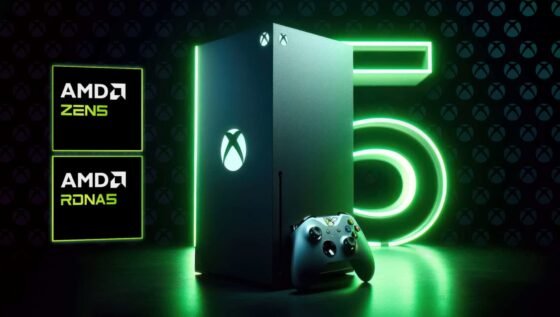
Next-Gen Gaming at $1,000: A Market Game Changer
Understanding the Impact of $1,000 Next-Gen Consoles on Games
The gaming industry is on the brink of significant change as the next generation of consoles approaches, with predictions that their pricing could reach a staggering $1,000. This topic is of utmost importance to both gamers and industry stakeholders, as the financial threshold presents challenges that could reshape the market in ways we are only beginning to comprehend. With substantial implications for console sales, game pricing, and even the types of games produced, understanding how this price point could affect the landscape of video gaming is crucial for enthusiasts and investors alike.
Market Concerns
A report by Ampere Analysis raises alarming concerns about the consequences of introducing next-gen consoles at this price. If the PlayStation 6 and Microsoft’s Project Helix launch at $1,000, we could witness a dramatic decline in sales velocities compared to their predecessors. Analysts predict a potential sales drop of 38% over the span of five years following their respective releases.
Why $1,000 Consoles May Fail to Attract Gamers
High price points typically deter a majority of consumers, especially in an era when value is key. Consumers are more cautious than ever with their expenditures. A $1,000 console could alienate first-time buyers and limit the adoption of new technology. Historically, the introduction of consoles has heavily relied on affordability to drive widespread acceptance.
Long-Term Financial Implications for the Gaming Industry
The ramifications of high-priced consoles extend beyond mere unit sales. Ampere Analysis estimates that with sales significantly lower than anticipated, the entire gaming market could shrink by about 12% by 2031—translating to a loss of approximately $3.4 billion. Reduced sales would not only affect hardware manufacturers but would also diminish the consumer spending associated with games and additional content.
Potential Strategies to Mitigate Risks in the Gaming Market
To combat the predicted downturn, gaming companies may need to consider alternative strategies:
- Delayed Launch: Postponing the release of next-gen consoles could allow prices of crucial components to drop, making it more feasible for consumers.
- Innovation in Hardware: Instead of solely focusing on high graphical power, hardware development should aim for unique features that enhance user experience without the hefty price tag.
- Price Flexibility: Offering flexible pricing options, such as installment plans, could alleviate immediate financial burdens on consumers.
What about the Future of Gaming?
The price of next-gen consoles may signal a shift not just in purchasing behaviors but also in the types of games developed in the industry. As consoles become more expensive, there may be a push toward less resource-intensive games that are more accessible to broader audiences. Economically viable gaming experiences could pivot from grand productions to innovative indie games that are proving popular among users.
The Role of Consumers in Shaping the Future of Games
Ultimately, the decision to embrace or reject high-priced consoles lies in the hands of the consumer. Their reactions will dictate how the gaming landscape evolves.
Much hinges on consumer adaptability and the industry’s ability to forecast and respond to shifts in market demand. Gamers will likely continue to expect significant investments in their entertainment, but at what cost?
FAQs about Next-Gen Consoles and Pricing
1. What are the expected features of next-gen consoles?
The next-gen consoles are anticipated to feature enhanced graphics, improved processing power, and faster load times, aiming to provide the ultimate gaming experience for players.
2. Why would a $1,000 price point deter customers?
A $1,000 console may limit access for many consumers, as budget constraints could prevent them from making a purchase, leading to reduced adoption rates.
3. What strategies might companies consider to avoid market collapse?
Companies should explore options like delaying releases to adjust prices, focusing on unique features beyond just advanced graphics, and providing flexible payment plans.
4. How could the gaming market change from this pricing trend?
If pricing remains high, there could be a significant shift toward indie games and less expensive titles as consumers seek affordable entertainment alternatives.
5. How does consumer response affect future gaming trends?
Consumer demand will significantly shape the types of games and consoles producers decide to launch, reflecting changing preferences towards price, accessibility, and gameplay styles.














Post Comment