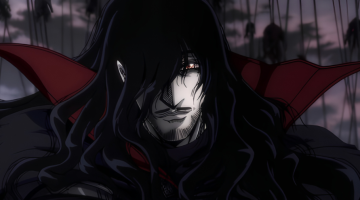
Otaku’s Verdict: Alucard’s Hellsing Ultimate Entrance Still Reigns Supreme
In the vast landscape of anime, certain character introductions transcend mere plot points, becoming legendary moments etched into the collective consciousness of fans. From Goku’s earth-shattering power-ups in Dragon Ball to Naruto’s climactic appearances, Ichigo’s dramatic rescues in Bleach, Luffy’s defiant stands in One Piece, and Eren’s formidable transformations in Attack on Titan, these characters often arrive with an aura that signals a shift in the narrative.
Yet, amidst this pantheon of iconic entrances, one particular spectacle, nearly twenty years after its debut, continues to command a reverence almost unparalleled: Alucard’s return in Hellsing Ultimate. For many, this scene isn’t just an entrance; it’s a profound statement, a chilling declaration of power that redefined what an epic arrival could be, deeply resonating with the Otaku community and setting a standard few others have matched.
The stage for this unparalleled re-emergence is set against a backdrop of utter devastation. The secret Hellsing Organization, tasked with protecting the British Empire from supernatural threats under the stern leadership of Sir Integra Hellsing, finds itself embroiled in a conflict far grander and more horrific than routine vampire hunts. An unholy alliance of Nazi vampires from the Millennium organization and the fanatical crusaders of the Vatican converge on London, turning the city into a brutal, three-sided war zone. Chaos reigns, civilian lives are massacred, and hope dwindles with each passing moment of relentless carnage.
It is precisely at this point of absolute despair, when all seems lost and the very heart of the British Empire lies in ruins, that the ultimate weapon of Hellsing, the rogue vampire Alucard, makes his dramatic and utterly unforgettable reappearance. His arrival is not merely a turning point; it is a cataclysmic event that reshapes the entire battlefield, a moment of such raw, unbridled power that it remains a benchmark for character introductions within the dark fantasy genre.
The Unforgettable Spectacle: How Alucard’s Entrance Defined “Epic” for the Otaku Community
Alucard’s return in Hellsing Ultimate is an unrivaled moment of spectacle for the Otaku community because it masterfully combines unprecedented scale, gothic horror, and a profound sense of foreboding. Appearing at the climax of a devastating war for London, Alucard pilots a macabre, transformed aircraft carrier up the River Thames, single-handedly confronting two formidable armies. This audacious entrance, coupled with the subsequent unleashing of his centuries-old power, cemented its place as one of anime’s most iconic and terrifying arrivals.
The climax of the battle for London is a scene of unparalleled destruction. The city burns, caught between the relentless advance of Millennium’s vampiric Nazi forces and the zealous, equally destructive crusaders of the Vatican. Amidst the carnage, just when humanity’s hope seems extinguished, Alucard, the ultimate weapon of the Hellsing Organization, makes his dramatic and macabre return. He does not simply walk onto the battlefield; he invades London itself, single-handedly piloting a British aircraft carrier transformed into a grotesque, weaponized vessel, steaming up the River Thames directly into the heart of the conflict.
More Than Just an Arrival: The Psychological Impact on the Viewer
This unconventional entrance immediately sets a tone of awe and dread. The image of a distorted warship, twisted by supernatural power and piloted by a lone, ominous figure, is a powerful visual metaphor for the horror and overwhelming force Alucard represents. It’s a psychological assault before any physical blow is struck, signaling that something far more ancient and terrifying than mere vampires has joined the fray. For the Otaku audience, this deliberate build-up of suspense and sheer visual audacity creates an immediate, visceral impact, solidifying the scene’s iconic status even before Alucard unleashes his full power.
The sheer audacity of Alucard’s method of arrival speaks volumes about his character and capabilities. It demonstrates not only his immense power but also his theatricality and contempt for his enemies, turning the very symbols of national defense into instruments of his dread. This moment is not just about a character entering a scene; it’s about a force of nature asserting its undeniable presence, an act that resonates deeply with fans who appreciate grand, larger-than-life narratives.
Unleashing Unprecedented Power: The Level Zero Restriction and Alucard’s True Form
The Level Zero Restriction is the ultimate release of Alucard’s accumulated power, signifying the complete unleashing of millions of souls he has devoured throughout his centuries-long existence. This profound act transforms him from a singular entity into a terrifying army of the undead, revealing his true, horrific form as Dracula, the Impaler, and showcasing a destructive force capable of overwhelming entire armies, shocking both foes and Otaku alike with its magnitude.
Following his dramatic entrance, Alucard reveals the true depth of his power by releasing his Level Zero Restriction. This pivotal moment is a horrifying spectacle where the very fabric of his being unravels. It is here that the audience, alongside his terrified adversaries, truly grasps the boundless nature of his abilities and the centuries of existence that underpin his vampiric might. The release is not just a power-up; it is a manifestation of his history.
Dracula The Impaler: A Glimpse into Alucard’s Horrifying Legacy
With Level Zero unleashed, millions of souls that Alucard has consumed throughout history are freed, manifesting as an army of the dead. This spectral legion, composed of all those he has devoured, rises to crush both the Nazi vampires of Millennium and the crusaders of the Vatican. This revelation also brings forth a glimpse of Alucard in his original, fearsome form as Vlad III Dracula, also known as Dracula the Impaler. It’s a moment that highlights his historical terror, showing him as the legendary figure who once stood alone against entire armies, a monstrous entity sinister enough to strike fear into the hearts of even vampiric Nazis.
This transformation is a narrative masterstroke, linking Alucard’s contemporary power to his ancient, infamous past. It underscores that his strength is not merely magical or supernatural, but deeply rooted in history, countless battles, and the accumulated essence of countless defeated foes. For the Otaku, witnessing this ultimate display of power and its historical implications adds layers of complexity and grandeur to an already epic character.
Why Alucard’s Return Stands Apart in Anime History: A Comparative Analysis
Alucard’s grand entrance in Hellsing Ultimate distinguishes itself through its unique blend of unprecedented scale, psychological horror, and profound historical depth. While many anime characters boast impressive introductions, Alucard’s involves an entire army summoned from his own being, navigating an urban warzone in a macabre transformed vessel, resonating with a primal fear that sets it apart from typical heroic or power-focused arrivals.
While many anime protagonists make unforgettable first impressions, Alucard’s return in Hellsing Ultimate occupies a unique space, largely due to its unprecedented scale and psychological impact. Unlike the often heroic or power-centric introductions of other characters, Alucard’s arrival is steeped in dread and a grotesque display of overwhelming force. It’s a moment designed to inspire terror rather than admiration in his foes, and a sense of primal awe in the audience.
| Character | Anime | Type of Entrance | Impact/Uniqueness |
|---|---|---|---|
| Alucard | Hellsing Ultimate | Supernatural, Terrifying, Army-of-One | Unmatched scale, gothic horror, historical depth, psychological warfare. |
| Goku | Dragon Ball | Heroic, Power-up | Inspirational, climactic power display, symbol of overcoming odds. |
| Madara Uchiha | Naruto Shippuden | Overwhelming, Strategic | Dominance, tactical genius, single-handedly turning the tide. |
| Ichigo Kurosaki | Bleach | Spiritual, Rescuer | Dramatic, power surge, timely intervention saving allies. |
| Eren Yeager (Attack Titan) | Attack on Titan | Transformative, Destructive | Brutal force, chaotic power, confronting insurmountable threats. |
What truly separates Alucard’s entrance is the deliberate subversion of typical heroic tropes. He doesn’t just arrive to save the day; he arrives as a horrifying manifestation of wrath, a monster unleashed to fight other monsters. The transformation of the aircraft carrier, the deliberate, slow build-up, and the subsequent unleashing of a literal army of souls all contribute to a scene that is less about a character’s power level and more about the raw, terrifying force of his accumulated history and malevolence. This intricate blend of epic action, horror, and character history creates a richer, more enduring impact for the discerning Otaku.
Beyond the Spectacle: Understanding Hellsing Ultimate’s Enduring Appeal to the Otaku
The lasting appeal of Hellsing Ultimate, particularly Alucard’s pivotal entrance, to the Otaku community stems from a confluence of factors beyond mere visual spectacle. It is deeply rooted in Kouta Hirano’s distinct artistic vision and the uncompromised fidelity of the OVA format, which collectively delivered a narrative that resonated on multiple thematic levels.
The Role of Kouta Hirano’s Vision and OVA Format
The foundation of Hellsing Ultimate‘s success lies in Kouta Hirano’s original manga, known for its distinct blend of dark fantasy, grotesque violence, and unapologetic character design. Hirano’s vision for Alucard as a complex, monstrous anti-hero, embodying both profound evil and a twisted sense of justice, provided a rich canvas. The adaptation into an Original Video Animation (OVA) series, starting in 2006, was crucial. Unlike typical TV anime, OVAs often have fewer restrictions on content and budget per episode, allowing for a more faithful, high-fidelity, and uncensored rendition of Hirano’s brutal and intricate artwork, essential for capturing the true horror and grandeur of Alucard’s character and his epic return.
Thematic Depth and Narrative Resonance
Hellsing Ultimate is not just a series about vampires and violence; it delves into profound themes of monstrosity, humanity, faith, and the nature of war. Alucard himself is a walking paradox, a creature of ultimate darkness who fights for humanity, constantly questioning the definition of ‘monster’ versus ‘human.’ His entrance, therefore, is more than a display of power; it’s a thematic anchor point, representing the ultimate weapon that walks a fine line between protector and destroyer. This thematic richness, coupled with its visceral action and memorable characters, solidifies its place as a beloved classic among the Otaku who appreciate stories with both substance and style.
Common Misconceptions and Best Practices for Appreciating Hellsing Ultimate
Fully appreciating Hellsing Ultimate, especially iconic scenes like Alucard’s entrance, requires understanding its unique context and avoiding common pitfalls. The series is best experienced with a holistic view of its narrative and a clear distinction from earlier adaptations, ensuring that its full impact is neither diluted nor misinterpreted by the viewer.
Avoiding Spoilers: The Full Impact Requires Context
For newcomers to Hellsing Ultimate, encountering Alucard’s climactic entrance as a standalone clip online often diminishes its true power. The scene gains its immense emotional and narrative weight from the preceding events—the brutal war for London, the overwhelming odds faced by Integra and her remaining forces, and the absolute despair that permeates the atmosphere. Understanding the desperation of the situation and the sheer terror that Alucard’s enemies embody makes his grotesque, yet triumphant, arrival far more impactful. Therefore, the best practice is to experience the series in its intended order, allowing the narrative build-up to amplify the shock and awe of this pivotal moment.
Distinguishing Hellsing Ultimate from Hellsing (TV Series)
A common point of confusion for many fans, particularly those new to the franchise, is the existence of two distinct anime adaptations: the 2001 Hellsing TV series and the 2006 Hellsing Ultimate OVA series. It is crucial to understand that Hellsing Ultimate is the adaptation that faithfully follows Kouta Hirano’s original manga from start to finish, including the detailed depiction of Alucard’s epic return and the Level Zero release. The earlier TV series, while popular in its own right, diverged significantly from the manga’s plot halfway through. For those seeking the definitive and most impactful rendition of Alucard’s story and his legendary entrance, Hellsing Ultimate is the unequivocal choice, offering the complete and uncensored vision of the source material.
The Enduring Legacy: How Alucard’s Grand Return Continues to Inspire Otaku and Anime Creators
Alucard’s grand return in Hellsing Ultimate leaves an indelible legacy by setting a monumental benchmark for character introductions and power displays, continually inspiring both the Otaku community and future anime creators. This scene established a new standard for combining immense scale, gothic horror, and thematic depth, solidifying Alucard’s iconic status and influencing how future dark protagonists are conceived and presented in the genre.
Nearly two decades since its premiere, Alucard’s epic entrance in Hellsing Ultimate continues to resonate powerfully, serving as a touchstone for grandeur and terror within anime. Its influence extends far beyond mere fan discussions; it has undoubtedly set a benchmark for how iconic characters are introduced and how overwhelming power is visually represented in dark fantasy and action genres. For aspiring anime creators, it offers a masterclass in building tension, delivering spectacle, and grounding fantastical elements with deep thematic resonance.
Alucard has cemented his place as an enduring icon, a symbol of anti-heroic might and complex monstrosity. His legendary return remains a testament to the power of uncompromised storytelling and visual ambition, proving that an entrance can be far more than just a plot point—it can be a defining moment that captures the imagination of an entire generation of Otaku and shapes the future of the medium itself. The scene is not just remembered; it is revered, continually sparking discussions and drawing new viewers into the dark, captivating world of Hellsing Ultimate, ensuring its legacy for years to come.
Frequently Asked Questions About Alucard’s Legendary Entrance in Hellsing Ultimate for the Otaku
Here are some common questions regarding Alucard’s unforgettable return in Hellsing Ultimate, providing deeper context for fans and newcomers alike.
Q1: Who is Alucard and what is Hellsing Ultimate?
Alucard is the most powerful vampire in existence and the ultimate weapon of the Hellsing Organization, a secret British agency dedicated to combating supernatural threats. He is a complex anti-hero, often depicted as sadistic and arrogant, yet fiercely loyal to his master, Sir Integra Hellsing. Hellsing Ultimate is a 10-episode Original Video Animation (OVA) series, which premiered in 2006, adapting Kouta Hirano’s original manga with meticulous fidelity. It’s renowned for its gothic horror, extreme violence, and deep thematic explorations of humanity and monstrosity, culminating in a three-way war that pushes Alucard to his limits and showcases his unparalleled power.
Q2: What makes Alucard’s entrance so epic compared to other anime characters?
Alucard’s entrance stands out due to its sheer scale, psychological terror, and historical depth. Unlike typical heroic arrivals focused on power-ups or dramatic rescues, Alucard pilots a grotesquely transformed aircraft carrier through war-torn London, signifying his monstrous authority. This act is a prelude to him unleashing his Level Zero Restriction, manifesting millions of souls he has devoured into an army of the undead. This combination of theatricality, overwhelming force, and a terrifying glimpse into his past as Dracula transcends conventional epic moments, leaving a lasting impression of dread and awe on the Otaku community.
Q3: What is “Level Zero Restriction” and why is it significant?
The Level Zero Restriction is Alucard’s ultimate release of power, representing the complete undoing of all his accumulated seals and limitations. When unleashed, it allows Alucard to manifest all the souls he has consumed throughout his existence, effectively turning him into a living army of the dead. This ability showcases the horrifying extent of his power and his ancient vampiric nature. Its significance lies in its depiction of Alucard not just as a single, powerful entity, but as a walking repository of history and destruction, capable of overwhelming entire armies and bringing forth his true form as Dracula the Impaler.
Q4: How does Alucard’s past as Dracula influence his powers?
Alucard is, in fact, Vlad III Dracula, the legendary historical figure, having been defeated and enslaved by the Hellsing family. His past as Dracula is central to his powers, as it signifies centuries of accumulated experience, combat prowess, and the ability to consume and integrate the souls of his victims. This historical background provides him with an immense and virtually inexhaustible supply of power, granting him regeneration, shapeshifting, telekinesis, and the ability to summon an army from his devoured souls. His true form, revealed during the Level Zero release, directly reflects his monstrous legacy as the Impaler, a terror of old who single-handedly faced entire armies.
Q5: When did Hellsing Ultimate first premiere?
Hellsing Ultimate first premiered in February 2006. It was released as an Original Video Animation (OVA) series, meaning episodes were released directly to video formats (DVD, Blu-ray) rather than broadcast weekly on television. This format allowed the creators greater freedom in terms of violence, content, and animation quality, ensuring a highly faithful adaptation of Kouta Hirano’s original manga. The series concluded in December 2012, spanning 10 episodes that comprehensively covered the entire manga storyline, making it the definitive animated version for many Otaku.
Q6: What is the main conflict Alucard returns to face?
Alucard returns to confront a devastating three-way war engulfing London. The primary antagonists are the Millennium organization, a remnant of Nazi Germany dedicated to creating an army of artificial vampires to achieve eternal war, and Section XIII of the Vatican, known as Iscariot, a zealous Catholic paramilitary group. Both factions converge on London, turning the city into a brutal battlefield. Alucard’s return is the last hope for the Hellsing Organization and the British Empire, as he single-handedly faces these two formidable and destructive forces, who have already laid waste to much of the city.
Q7: Is Hellsing Ultimate connected to other Hellsing adaptations?
Yes, but with an important distinction. Hellsing Ultimate is considered the definitive and most faithful animated adaptation of Kouta Hirano’s original manga, covering the entire story from beginning to end. There was also an earlier 2001 Hellsing TV series. While it started adapting the same manga, it eventually diverged significantly into an original storyline midway through its run. Therefore, while both adaptations draw from the same source material and feature the same characters, Hellsing Ultimate is the one that follows the manga’s complete narrative, including the iconic Alucard entrance and his full power display.
Q8: Why is Alucard’s entrance particularly resonant with the Otaku community?
Alucard’s entrance resonates deeply with the Otaku community due to its masterful combination of spectacle, thematic depth, and subversion of genre tropes. It delivers on the promise of an ultimate power fantasy, but with a dark, sophisticated twist that appeals to fans who appreciate intricate storytelling and gothic aesthetics. The dramatic build-up, the sheer audacity of his arrival, the terrifying reveal of his true power, and the historical weight of his identity as Dracula all contribute to a moment that not only excites but also prompts deeper reflection on the nature of heroism and villainy, making it a constant subject of discussion and admiration.








Post Comment