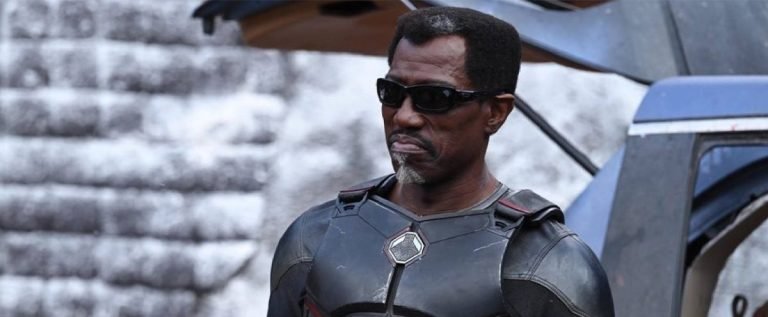
Deadpool & Wolverine: The Misstep with Blade Explained
Nerd Culture: A Deep Dive into Blade’s Cinematic Legacy
The recent jab by Deadpool and Wolverine about Blade has stirred both laughter and debate within the nerd community. When Deadpool quips about Blade being a singular character, he inadvertently opens the door to a conversation about the complexities of character representation in superhero narratives. While this light-hearted banter reflects the playful nature of the franchise, it also highlights an important fact many fans may overlook: Blade has had multiple interpretations in live-action formats.
The Truth Behind Blade’s Portrayal
In the realm of comic book adaptations, Blade, originally created in 1973 by Marv Wolfman and Gene Colan, has evolved over the decades. Wesley Snipes’ iconic portrayal in the late 1990s set the tone for modern superhero films, but it’s essential to note that he isn’t the only actor to have donned the character. Kirk Jones, also known as Sticky Fingaz, played Blade in a 2006 television series that, while not widely recognized, expanded the character’s narrative.
A Brief Look at the 2006 Blade Series
- The series had a total of twelve episodes, beginning with a two-hour pilot.
- David S. Goyer, who worked on the original films, was involved in the series’ development.
- It served as a continuation rather than a reboot, maintaining the storyline from Blade: Trinity.
This series showcased Blade’s character navigating contemporary challenges, further adding layers to his persona. Appreciating these nuances helps fans grasp the underlying complexities that such jokes overlook.
Understanding the Context of Marvel’s Shifts
As fans eagerly anticipate Blade’s return to the big screen under the Marvel Cinematic Universe (MCU), it is crucial to recognize the challenges the project has faced. Initially announced in 2019 with Mahershala Ali cast in the leading role, the film’s development has seen hurdles with script rewrites and director changes. This uncertainty reflects the evolving nature of superhero films and the ongoing discussions within the industry.
Future Directions for Blade
Despite the delays, the return of Blade continues to be a hot topic among fans. With no official release date and the casting still in flux, Blade’s legacy intrigues both old and new viewers. The comic book community is invested not only in its nostalgia but in how the character will be reintegrated into a changing Marvel landscape.
Common Mistakes and Misunderstandings
Fans may often conflate humor with factual representations when it comes to comic book characters. The jest made by Deadpool and Wolverine, while entertaining, can sometimes obscure the rich histories and timelines these characters embody. Recognizing this can help fans appreciate the humor without losing sight of the facts.
Best Practices for Engaging with Nerd Culture
- Research the character’s history beyond popular films.
- Engage in discussions that respect various interpretations.
- Understand the context behind references in media.
Nerd Trends: The Evolution of Superhero Films
As we look ahead, the landscape of superhero films is poised for further evolution. Blade’s character, with its mix of horror and action, can serve as a springboard for incorporating darker themes into the MCU. The push for more diverse storytelling reflects a shift that not only appeals to dedicated fans but also attracts a broader audience.
In Conclusion: Sorting Fact from Fiction in Nerd Culture
The interplay of humor and inaccuracies in superhero narratives enhances the enjoyment of the genre while reminding fans of the depth behind the characters. As we await Blade’s grand return, let’s ensure we celebrate all portrayals of this compelling vampire hunter.
FAQs about Blade and His Adaptations
1. Who originally created Blade?
Blade was created by writer Marv Wolfman and artist Gene Colan and first appeared in 1973.
2. What is the significance of the 1998 Blade film?
The 1998 film, starring Wesley Snipes, is often credited with paving the way for modern superhero films, proving that the genre could achieve significant box office success.
3. How does the 2006 series differ from the films?
The 2006 series continues the story from Blade: Trinity rather than reimagining the character, showcasing a different facet of Blade’s journey.
4. What issues have the new Blade film faced?
Since its announcement, the new Blade film has encountered multiple script changes and director shifts, leading to delays in production.
5. Is Blade still relevant in modern storytelling?
Yes, Blade’s mix of horror and action continues to appeal to fans, and discussions around his character reflect ongoing trends in superhero narratives.












Post Comment