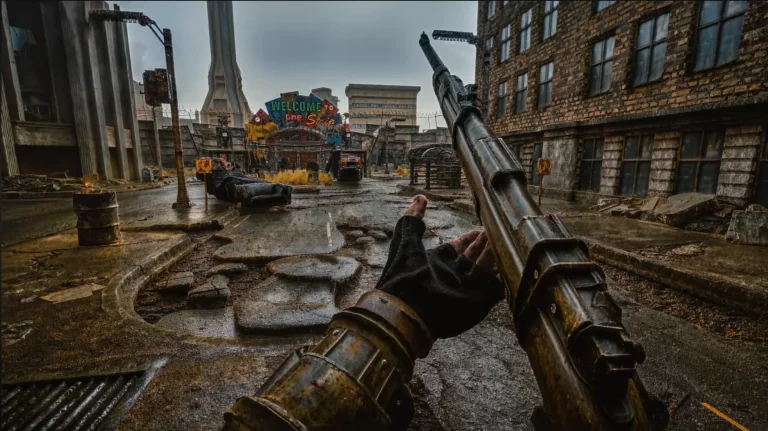
Nerd Reactions to Fallout New Vegas DLSS 5 Remaster Gone Wrong
The Experiment: DLSS 5 and Fallout New Vegas
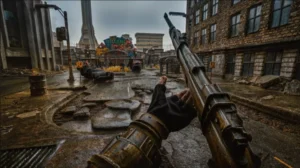
In recent weeks, the gaming community has buzzed with excitement and laughter over the latest developments in rendering technology, specifically NVIDIA’s DLSS 5. This technology seeks to transform existing games into visually stunning experiences. However, as fans have discovered with Fallout: New Vegas, the results can be unexpectedly chaotic, surpassing the usual gameplay glitches. Released in 2010, Fallout: New Vegas remains a beloved classic among gamers, regarded by many as a high point in the franchise.
How DLSS 5 Works
DLSS, or Deep Learning Super Sampling, uses artificial intelligence to enhance video game graphics by generating frames that mimic the detail of higher resolutions without the extensive computational load usually required. By applying this technology, players expect to see smoother graphics and enhanced details. But when misused, the results can be less appealing than desired.
Nerd Take on the DLSS 5 Remastering Attempt
Despite the promising technology, fan attempts to remaster Fallout: New Vegas have led to reactions ranging from confusion to outright hilarity. One prominent example showcased the character Rose of Sharon Cassidy, affectionately known as Cass. After multiple passes of the DLSS processing, her face became dramatically distorted—far from the rugged charm fans admire. Instead of providing an aesthetic upgrade, the experiments often created what could only be described as digital monstrosities.
Visual Aberrations: A Community Reaction
Numerous YouTube videos feature these unexpected results, with compilations highlighting the discrepancies in graphics quality after repeated renditions of DLSS. Some fans have taken to social media to compare these bizarre visual outcomes to “bad trips”—a fitting metaphor, considering Fallout’s post-apocalyptic themes filled with mutant creatures and surreal imagery. This unintended alignment with the game’s dark humor has kept the community engaged in a unique blend of nostalgia and amusement.
The Comparison: DLSS 5 vs. Official Remaster
As unofficial remasters make waves online, it’s notable that an official remaster of both Fallout 3 and Fallout: New Vegas has been confirmed and is currently in development. Players eager for improved graphics may prefer to wait for the official release rather than engaging with the chaotic results from DLSS 5 experimentation. Below is a comparison of fan remaster features and what is anticipated from the official remaster:
| Aspect | Fan Remaster (DLSS 5) | Official Remaster |
|---|---|---|
| Visual Quality | Bizarre and distorted | Smoother and refined |
| Character Models | Extreme degradation | Enhanced and polished |
| Community Reception | Mixed, mostly humorous | Highly anticipated |
Benefits of Engaging with DLSS 5 Technology
Despite the chaos, utilizing DLSS technology—even in unorthodox ways—can highlight the strengths of AI in graphics processing. The primary benefits include:
- Real-time rendering enhancements for existing games, boosting frame rates and graphics quality.
- Potential for charming and creative user-generated content, sometimes leading to humorous data visualizations.
- A thrust toward innovation, encouraging discussion about graphic evolution in gaming.
Limitations of Fan-Made Remasters
However, these fan-made endeavors come with their own set of challenges:
- Lack of quality control may result in unexpected glitches and mishaps.
- Extreme examples overshadow positive advancements achievable through the technology.
- Possible legal concerns regarding the use of proprietary software without official endorsement.
Common Mistakes in Using DLSS Technology
Fans attempting to remaster titles using DLSS should be cautious about:
- Excessive passes leading to poor rendering quality.
- Ignoring community feedback on visual output, which can enhance the experience.
- Neglecting the impact of comparing results to official remasters, which may mislead expectations.
Best Practices for Remastering Games
Those determined to engage in remastering should consider these best practices:
- Limit the number of passes to retain character integrity.
- Seek feedback from the community regarding the visual fidelity and artistic direction.
- Stay informed about upcoming official updates or remasters that can influence fan projects.
The Future of Fan Remasters
Looking ahead, the trajectory of fan remasters may serve as a testing ground for newer technologies, allowing players to shape their gaming experiences creatively. As AI technologies evolve, so too will the potential for personalized gaming content—albeit with precautions to ensure quality outcomes.
Nerds Weigh In: Fallout New Vegas with DLSS 5
The community’s fascination with radically remastering Fallout: New Vegas using DLSS 5 reflects the playful and creative spirit of nerd culture. Even if the efforts lead to strange results, it embraces the essence of gaming where experimentation and humor coexist. While some may prefer to await the official remaster, the jokes circulating online will undoubtedly influence the portrayal of tech’s capabilities in gaming.
FAQ
What is DLSS 5?
DLSS 5 is NVIDIA’s latest technology designed to enhance video game graphics through AI-assisted rendering, promising to deliver near-photorealistic visuals in real-time.
Why did the remaster fail with DLSS 5 on Fallout: New Vegas?
Repeated applications of DLSS 5 created unnaturally distorted character models instead of improving graphics quality, leading to a humorous yet disappointing outcome.
Are there official remasters for Fallout games coming soon?
Yes, an official remaster of Fallout 3 and Fallout: New Vegas is confirmed to be in development, which is highly anticipated by fans.
What can we learn from fan attempts to remaster games?
Fan attempts highlight the importance of moderation and community feedback, and the potential for creativity while underscoring the risks of quality loss.
How does the community respond to these remasters?
The community has reacted with mixed opinions, often finding humor in the unusual results while eagerly awaiting official updates.
What should I consider before engaging with DLSS technology?
Be mindful of quality control and the nature of fan feedback, ensuring that creative pursuits do not detract from the integrity of the original game.









Post Comment