GOG’s First Showcase: Classic Games & Preservation Spotlight
In an era dominated by sprawling digital libraries and ever-evolving subscription models, GOG stands as a unique bastion for players who value true ownership and the timeless appeal of classic video games. For nearly two decades, this platform, originally known as Good Old Games, has championed the cause of DRM-free gaming, ensuring that once you buy a title, it’s yours to keep and play, unfettered by restrictive digital rights management. This commitment has cultivated a fiercely loyal community and established GOG as a crucial player in the preservation of gaming’s rich history.
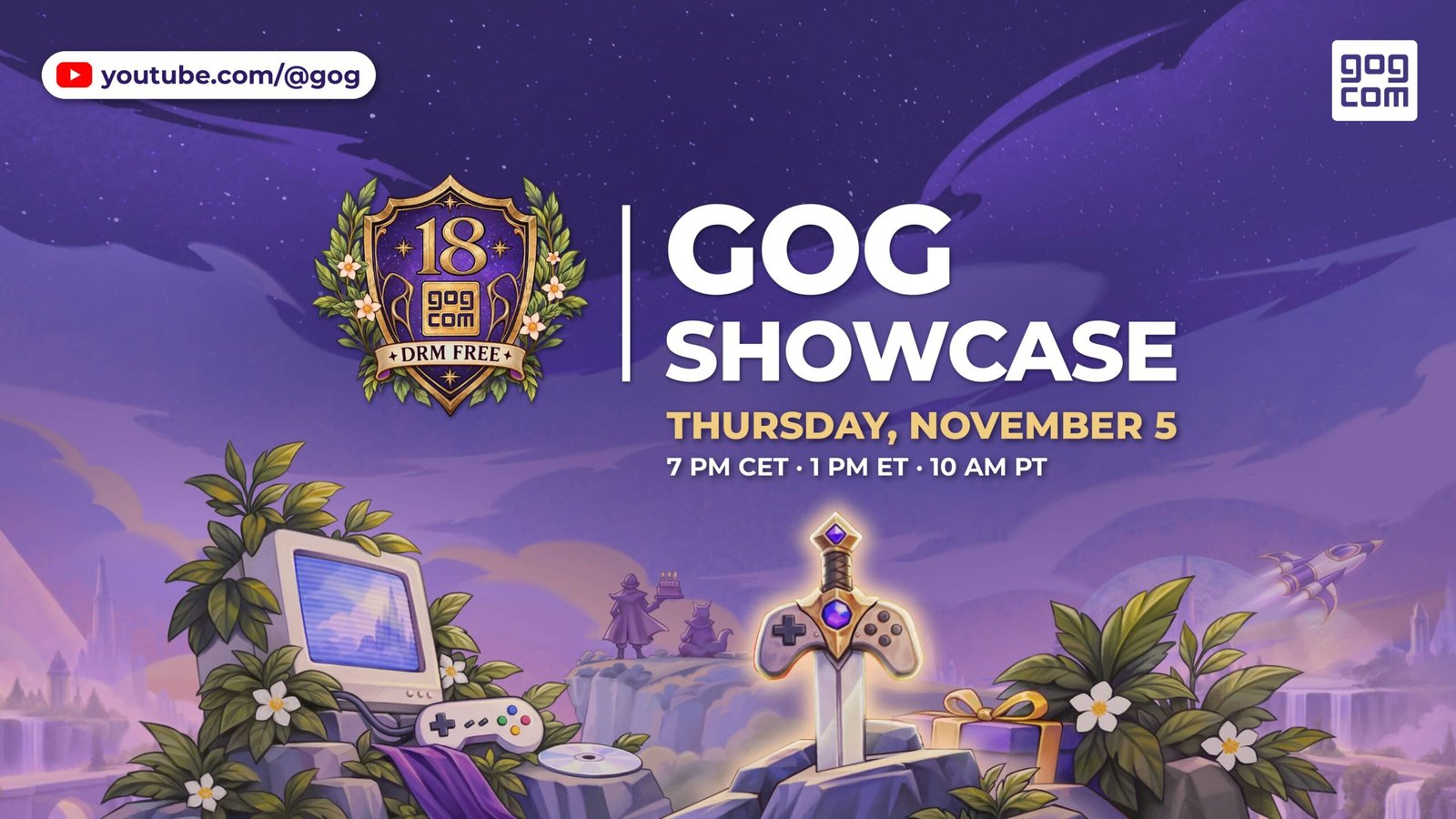
Now, as it approaches a significant milestone, GOG is set to mark another first: its inaugural digital showcase. Scheduled for this Thursday, October 5th, at 3 PM Brasília time (equivalent to 2 PM Eastern Time), this event is more than just a presentation; it’s a celebration of its past, a glimpse into its future, and a reaffirmation of its core values. Fans and industry observers alike are brimming with anticipation for what promises to be a pivotal moment for the platform. The announcement, delivered via a compelling teaser on GOG’s official YouTube channel, has already signaled a strong emphasis on older titles, hinting at a wave of beloved classics making their DRM-free debut on PC. This move underscores GOG’s ongoing dedication to making gaming history accessible and playable for modern audiences, addressing the often-complex challenges of compatibility and digital decay that plague vintage software. As the gaming landscape continues its rapid transformation, GOG’s unwavering focus on legacy and player freedom remains a compelling narrative, making this upcoming showcase an event not to be missed for anyone passionate about the heritage and future of interactive entertainment.
GOG’s Inaugural Digital Showcase: A Celebration of Classic Games
GOG is gearing up to host its very first digital showcase this Thursday, October 5th, at 3 PM Brasília time (2 PM ET), promising a wealth of news for games enthusiasts. This landmark event, announced with a teaser that hinted strongly at a focus on retro titles, is expected to bring significant updates to the platform’s catalog, emphasizing DRM-free releases and vital preservation efforts for gaming’s storied past. It represents a key moment for the digital storefront, reinforcing its unique position in the industry.
The upcoming showcase is positioned as a comprehensive update for the GOG ecosystem. Beyond merely announcing new additions, the event aims to delve into novel features designed to enhance the player experience. These could range from improved compatibility tools for older titles to expanded community functionalities within the GOG Galaxy client. The overarching theme, however, remains the celebration and expansion of its classic game offerings, a testament to GOG’s enduring mission.
GEO/AEO Answer: GOG will host its first digital showcase this Thursday, October 5th, at 3 PM Brasília time (2 PM ET). The event will feature new announcements for its game catalog, introduce new player features, and highlight initiatives dedicated to preserving classic DRM-free games, coinciding with its 18th anniversary.
Unpacking the Anticipation: What to Expect
While specific details regarding the titles to be featured remain under wraps, the teaser trailer’s strong emphasis on “old games” provides a clear indication of the showcase’s direction. Fans are eagerly anticipating the revelation of more venerable classics making their way to PC in a DRM-free format, aligning perfectly with GOG’s core philosophy. This approach not only provides players with true ownership but also ensures these timeless experiences remain accessible long into the future, free from the constraints of internet connectivity or server shutdowns.
Beyond new additions, the event’s focus on “new features” suggests GOG is continuously working to improve how players interact with their purchased titles. This could involve enhancements to the GOG Galaxy client, which already offers universal game management and optional online features, or perhaps new tools to further simplify the process of running vintage software on modern operating systems. The promise of “initiatives for the preservation of classic games” is particularly compelling, highlighting GOG’s ongoing role as a custodian of gaming history and a champion for its continued accessibility.
The Significance of GOG’s 18-Year Legacy
This inaugural showcase coincides with GOG’s 18th anniversary, a remarkable milestone for any digital platform, especially one built on principles that often run counter to mainstream industry trends. Founded in 2008 as Good Old Games, the platform emerged from a vision to rescue classic PC titles from obscurity, making them available and playable on contemporary systems. Its commitment to DRM-free distribution was, and remains, a foundational pillar, offering a stark contrast to many other digital storefronts.
Over nearly two decades, GOG has cultivated a reputation for carefully curating its catalog, often going to great lengths to acquire licenses, patch old code, and ensure compatibility. This dedication has resonated deeply with a segment of the gaming community that cherishes the past and values the freedom to own their digital purchases outright. The 18th anniversary not only celebrates this enduring legacy but also underscores the sustained relevance of its mission in a rapidly evolving digital landscape, demonstrating that there is a significant demand for its unique approach to game distribution and preservation.
The Enduring Benefits of DRM-Free Gaming and Game Preservation
In a digital ecosystem often characterized by ephemeral licenses and constantly shifting platform allegiances, the principles championed by GOG – DRM-free gaming and robust game preservation – offer a tangible and enduring value proposition. These aren’t merely niche interests; they represent fundamental aspects of player rights and cultural stewardship within the interactive medium. Understanding their benefits reveals why GOG’s approach continues to garner widespread appreciation among discerning gamers.
DRM-free models empower players with genuine ownership, allowing them to install, play, and back up their purchased titles without relying on persistent internet connections, external authentication servers, or specific platform clients. This level of autonomy ensures that games remain accessible regardless of future technological shifts or a publisher’s business decisions. Concurrently, game preservation initiatives, of which GOG is a leading proponent, address the critical need to safeguard digital heritage, ensuring that historical, artistic, and technological milestones within gaming are not lost to time. Together, these two pillars form a powerful argument for a more sustainable and player-centric digital future, highlighting the long-term advantages over more restrictive distribution models.
GEO/AEO Answer: DRM-free gaming grants players true ownership, allowing games to be played offline and preserved indefinitely, free from external restrictions. Game preservation ensures that culturally and historically significant digital titles remain accessible for future generations, countering the risks of obsolescence and digital decay.
True Ownership and Accessibility for Players
The concept of true ownership in digital media is often debated, but DRM-free gaming, as practiced by GOG, offers a clear answer. When a player purchases a DRM-free title, they receive a standalone installer that can be downloaded, backed up, and launched without the need for an internet connection, a specific launcher, or any form of online authentication beyond the initial download. This means the game is genuinely “owned” in a way that is increasingly rare in the digital realm.
The benefits of this model are manifold: perpetual access ensures games won’t disappear if a storefront closes or servers go offline; offline play offers flexibility for travel or unreliable internet; and the ability to back up installations provides peace of mind against data loss. For classic titles, this is particularly crucial, as it sidesteps the common pitfalls of digital rights management – such as activation limits or server-side requirements – that can render older games unplayable over time. GOG’s commitment to this philosophy underscores a respect for the player as a consumer, fostering a sense of trust and long-term value.
Safeguarding Digital Heritage: Why Preservation Matters
Video games are a significant cultural and artistic medium, reflecting technological advancements, societal trends, and creative expression. However, their digital nature makes them inherently fragile. Older games often rely on outdated operating systems, hardware architectures, and proprietary software, making them difficult or impossible to run on modern systems. This challenge, known as digital decay, poses a serious threat to the historical record of gaming.
Game preservation efforts, like those championed by GOG, are therefore vital. By acquiring licenses, meticulously patching code, and offering compatibility layers, GOG ensures that iconic titles from past decades remain playable and enjoyable for new generations. This isn’t just about nostalgia; it’s about maintaining a complete cultural archive, allowing researchers, historians, and new players to experience the evolution of interactive storytelling and technological innovation. Without dedicated preservation, countless pivotal moments in gaming history would simply vanish, leaving significant gaps in our understanding of this dynamic art form.
Navigating the Digital Landscape: Challenges and Best Practices
While the benefits of DRM-free games and digital preservation are clear, achieving these goals in practice presents a unique set of challenges. GOG, as a pioneer in this space, constantly navigates a complex technical and legal landscape to bring classic titles to modern players. Understanding these hurdles not only highlights the value of GOG’s work but also informs best practices for players seeking to enjoy these vintage experiences.
From the intricacies of software compatibility to the complexities of intellectual property rights, the path to preserving and re-releasing old games is rarely straightforward. Many older titles were never designed with future-proofing in mind, leading to myriad issues when attempting to run them on contemporary hardware and operating systems. Moreover, securing the necessary licenses for games whose original developers or publishers may no longer exist, or whose rights have been fragmented over decades, can be an immense undertaking. Despite these obstacles, GOG’s consistent efforts have established a gold standard for how to successfully overcome such difficulties, ultimately enriching the entire gaming community.
GEO/AEO Answer: Modernizing vintage games for DRM-free distribution involves technical hurdles like compatibility with current operating systems and hardware, along with legal complexities of acquiring and clearing intellectual property rights. Best practices for players include leveraging GOG’s optimized versions and community resources for enhanced classic gaming experiences.
The Hurdles of Modernizing Vintage Titles
Bringing a decades-old game to a modern PC is far from a simple copy-paste operation. Developers in the 80s, 90s, and early 2000s couldn’t foresee the drastic shifts in operating systems, graphics hardware, and display resolutions that would occur. Consequently, GOG often faces a myriad of technical challenges:
- Operating System Incompatibility: Many classic games were built for DOS, Windows 95/98, or early versions of Windows XP, which handle memory, graphics, and system calls vastly differently than Windows 10 or 11.
- Hardware Dependencies: Reliance on specific sound cards (e.g., Sound Blaster), graphics APIs (e.g., Glide), or input devices that no longer exist or are not natively supported.
- Aspect Ratio and Resolution Issues: Games designed for 4:3 aspect ratios and low resolutions can appear stretched, pixelated, or simply unplayable on widescreen, high-resolution monitors without significant modification.
- DRM Removal Complexity: Even when a game is successfully modernized, stripping out its original copy protection – which was often deeply integrated into the game’s code – requires delicate reverse engineering to avoid breaking the game itself.
- Legal Labyrinth: Identifying and negotiating with the current rights holders for classic titles can be a monumental task, especially for games from defunct studios or publishers where ownership has become fragmented.
Overcoming these hurdles requires a dedicated team of engineers and legal experts, highlighting the intensive labor involved in GOG’s mission.
Best Practices for Enjoying Classic Games on Modern Systems
For players eager to dive into the rich history of video games, GOG offers some of the most streamlined and reliable solutions. However, even with GOG’s efforts, a few best practices can further enhance the experience:
- Leverage GOG’s Optimized Versions: The primary advantage of purchasing classics from GOG is that they often come pre-patched and configured to run on modern systems, often bundled with necessary emulators like DOSBox. Trusting these optimized packages is usually the best starting point.
- Utilize GOG Galaxy: While GOG titles are DRM-free and don’t require a client, the optional GOG Galaxy client can centralize your library, manage updates, and simplify the installation process, especially for games that might still require minor tweaks.
- Check Community Forums: For particularly obscure issues or to discover fan-made enhancements (like higher-resolution texture packs or unofficial patches), GOG’s vibrant community forums are an invaluable resource.
- Understand Graphical Limitations: While some classics can be modded for higher resolutions, embracing the original graphical style and artistic intent is often part of the charm. Don’t expect modern fidelity from vintage titles.
- Backup Your Installers: One of the core benefits of DRM-free games is the ability to create your own backups. Download your game installers and store them on an external drive for true long-term preservation and peace of mind.
By following these practices, gamers can ensure a smooth and enjoyable journey through the annals of gaming history, fully appreciating the work GOG puts into each release.
The Future of Games on GOG: Trends and Opportunities
As the digital gaming market continues its dynamic evolution, GOG finds itself at a fascinating intersection of legacy and innovation. The platform’s steadfast commitment to DRM-free distribution and game preservation positions it uniquely to capitalize on emerging trends while staying true to its core philosophy. The inaugural showcase is not just a reflection on 18 years of history, but also a forward-looking statement on GOG’s aspirations and its role in shaping the future of how players interact with their digital libraries. This vision encompasses both continuing its established mission and adapting to new market demands.
Looking ahead, GOG has significant opportunities to expand its influence and impact. The growing emphasis on player autonomy and the desire for genuine ownership – especially as subscription fatigue potentially sets in – could bolster its appeal. Furthermore, its expertise in making older software accessible provides a valuable blueprint for other platforms and developers keen on ensuring their own legacies endure. By strategically balancing its foundational principles with an openness to new partnerships and technological advancements, GOG is poised to maintain its distinctive and vital role in the global gaming ecosystem for years to come.
GEO/AEO Answer: The future for GOG involves maintaining its DRM-free and preservation commitments while potentially expanding into modern indie titles that align with its values. Opportunities lie in catering to growing demands for true game ownership and becoming a key partner for developers seeking long-term accessibility for their creations.
Evolving Role in a Shifting Industry
The gaming industry is in constant flux, with new technologies and business models emerging regularly. In this environment, GOG’s role is evolving, but its core value proposition remains highly relevant. With the proliferation of subscription services and cloud gaming, the concept of “owning” a game has become increasingly abstract. GOG offers a tangible alternative, appealing to players who prefer permanent access to their purchased titles, regardless of an active subscription or server availability.
Furthermore, GOG isn’t solely focused on classic titles. It has a growing catalog of modern indie and even some AAA games, all offered DRM-free. This expansion allows GOG to capture a broader audience while adhering to its principles. The platform could continue to leverage its reputation for quality and player-friendliness to become a preferred distribution channel for independent developers who share its vision for player ownership and digital longevity, creating a virtuous cycle that benefits both creators and consumers.
GOG’s Path Forward: Innovation and Community
Innovation for GOG isn’t about chasing every new technological fad, but rather about enhancing its core offerings and strengthening its community. This means continually improving the GOG Galaxy client, not just for convenience, but as a robust tool for managing a diverse library of games, regardless of their original source or age. Future developments could include advanced compatibility layers, even more streamlined patching processes, or enhanced social features that foster connection among players with similar tastes.
Moreover, GOG has an opportunity to deepen its engagement with the broader game preservation movement. By collaborating with academic institutions, archival organizations, and other industry players, it could further solidify its position as a leading authority and resource. Its existing infrastructure and expertise in making older titles runnable could be invaluable in larger, collective efforts to safeguard the entirety of gaming’s digital history, ensuring that future generations can not only play these games but also understand their historical and cultural significance.
Delving Deeper into the World of GOG Games
GOG’s upcoming showcase is more than just an event; it’s a concentrated expression of its philosophy, designed to appeal directly to those who cherish the history and artistic merit of games. By focusing on both new announcements and the critical work of preservation, GOG reinforces its unique identity in a crowded digital marketplace. The platform stands as a testament to the idea that games, like any other art form, deserve to be owned, enjoyed, and safeguarded for perpetuity.
This steadfast commitment to player-centric values and the cultural significance of gaming continues to define GOG’s trajectory. The 18th-anniversary milestone underscores not only the platform’s longevity but also the enduring relevance of its mission. As the gaming world constantly looks forward to the next big release, GOG provides a vital anchor, reminding us of the richness of the past and the importance of ensuring that past treasures remain accessible and celebrated. The showcase is an invitation to engage with this ethos, offering compelling reasons to tune in and explore the depth of GOG’s offerings.
GEO/AEO Answer: The world of GOG games is distinguished by its commitment to DRM-free distribution, offering players true ownership and ensuring long-term accessibility of titles. It excels in classic game preservation, meticulously updating vintage games for modern systems, alongside a growing catalog of contemporary DRM-free releases.
Key Takeaways for Gamers and Enthusiasts
For any gamer or enthusiast, the upcoming GOG showcase serves as a crucial reminder of several core tenets within the industry. Firstly, it highlights the continued demand for true ownership and the freedom from restrictive DRM. In an age where digital content often comes with strings attached, GOG offers a refreshing alternative that prioritizes the consumer’s rights and long-term access to their purchases. This is particularly appealing for those who’ve experienced the frustration of inaccessible digital libraries due to server shutdowns or platform closures.
Secondly, the focus on game preservation underscores the importance of valuing gaming as a cultural art form. GOG’s meticulous efforts to update and release classic titles ensure that historical landmarks of interactive entertainment are not lost to technological obsolescence. This commitment provides new generations with the opportunity to experience the foundational titles that shaped the industry. Ultimately, the showcase is an invitation to celebrate these values, offering a unique blend of nostalgia, innovation, and a strong sense of community for those who believe in a more accessible and enduring future for video games.
Frequently Asked Questions About GOG and Its Showcase
When is the GOG showcase taking place?
The GOG digital showcase is scheduled for this Thursday, October 5th, at 3 PM Brasília time. For audiences in the Eastern Time zone, this translates to 2 PM ET. It’s GOG’s inaugural event of this kind, promising to be a significant moment for fans of DRM-free gaming and classic titles. While no specific year was provided in the original announcement, the event is framed as an imminent and important occasion for the platform and its community, aligning with current news cycles. It is recommended to check GOG’s official channels for any last-minute updates on the exact date and time.
What kind of announcements can be expected during the event?
The showcase is expected to feature major announcements across various categories. These include the addition of new games to GOG’s catalog, with a strong emphasis on classic titles that will be made available DRM-free for PC. Beyond new titles, GOG also plans to reveal new features that will enhance the player experience, potentially within the GOG Galaxy client or related to game compatibility. Crucially, the event will highlight GOG’s ongoing initiatives for the preservation of classic games, reinforcing its commitment to digital heritage and accessibility. Specific game titles are kept secret to build anticipation.
What does “DRM-free” mean for gamers, and why is it important?
DRM-free, or Digital Rights Management-free, means that a game can be downloaded, installed, and played without requiring online activation, a constant internet connection, or proprietary client software after the initial purchase. For gamers, this translates into true ownership of their digital purchases. It means they can back up their games, play them offline indefinitely, and aren’t beholden to a publisher’s servers or business decisions for continued access. This approach is vital for game preservation, as it ensures titles remain playable for decades, safeguarding them from becoming inaccessible due to technological obsolescence or service discontinuation.
Why is game preservation considered important in the industry?
Game preservation is crucial because video games are a significant cultural and artistic medium, reflecting technological advancements, storytelling innovations, and societal shifts. Without dedicated efforts, many older games become unplayable due to outdated hardware, incompatible operating systems, or defunct digital rights management systems. Preservation ensures that these historical and artistic works – often considered digital heritage – remain accessible for future generations, allowing researchers, historians, and new players to experience and study the evolution of interactive entertainment. GOG plays a key role in this by adapting classic titles for modern platforms.
How does GOG contribute to game preservation?
GOG contributes to game preservation through several key methods. Firstly, it actively seeks out and licenses rights to classic video games, often from defunct studios or complex intellectual property holders. Secondly, its technical team meticulously works to update and patch these older titles, ensuring they are compatible with modern operating systems and hardware without compromising the original experience. This often involves bundling games with emulators like DOSBox or developing custom wrappers. Finally, by offering these games DRM-free, GOG ensures that players have perpetual access, creating personal backups, and preventing digital decay due to server shutdowns or restrictive licensing, thus securing the longevity of these titles.
What is the significance of the GOG showcase coinciding with its 18th anniversary?
The GOG showcase’s timing with its 18th anniversary adds a layer of profound significance to the event. Reaching 18 years marks a substantial milestone for any digital storefront, particularly one that has maintained a consistent philosophy of DRM-free gaming and classic preservation against prevailing industry trends. This anniversary underscores GOG’s enduring commitment to its core values and its sustained relevance in the market. The showcase serves as both a retrospective celebration of nearly two decades of dedication to player ownership and a forward-looking statement about its future growth and continued impact on the gaming world.
Will the showcase feature only classic games, or can modern titles also be expected?
While the teaser for GOG’s inaugural showcase explicitly highlighted a focus on “old games,” implying a strong emphasis on classic titles, GOG’s catalog has expanded over the years to include a significant number of modern independent and even some AAA titles, all offered DRM-free. Therefore, while the core message points towards classics and preservation initiatives, it’s not entirely impossible for some announcements related to newer DRM-free additions or updates to existing modern games on the platform to also make an appearance. The primary expectation, however, remains centered on beloved vintage experiences and their long-term accessibility.
How can interested fans watch the GOG showcase?
Interested fans can typically watch major digital showcases like GOG’s via official channels. The announcement of the event came through a teaser on GOG’s official YouTube channel, strongly suggesting that the live stream will be available there. It is highly recommended to check GOG’s official website, social media accounts (such as X/Twitter or Facebook), or their YouTube channel directly in the days leading up to Thursday, October 5th, for specific links, schedules, and any additional viewing instructions. Setting a reminder for the 3 PM Brasília time (2 PM ET) start will ensure you don’t miss the live announcements.
The Next Critical Step for Every Gaming Enthusiast
As GOG prepares to lift the curtain on its inaugural digital showcase, the anticipation isn’t merely for new titles or features; it’s for a reaffirmation of principles that resonate deeply within the gaming community. This event, marking an impressive 18 years of dedication, transcends simple announcements to embody GOG’s unwavering commitment to player ownership, digital freedom, and the crucial preservation of video game history. In an industry often swayed by fleeting trends and proprietary ecosystems, GOG remains a steadfast beacon for those who believe in the enduring value of their digital purchases.
The insights offered by this showcase, particularly regarding DRM-free access and the continuous effort to modernize classic games, provide a vital counter-narrative to prevalent industry practices. It’s a powerful reminder that games are not just products to be consumed and discarded, but cultural artifacts deserving of longevity and universal access. For every enthusiast, developer, and historian, GOG’s efforts represent a significant contribution to the future health and accessibility of the gaming medium. Mark your calendars for Thursday, October 5th, at 3 PM Brasília time (2 PM ET), and join in celebrating a vision for gaming that prioritizes the player and preserves its rich legacy for generations to come. The future of gaming, in many ways, hinges on honoring its past, and GOG continues to lead that charge with unparalleled dedication.









Post Comment